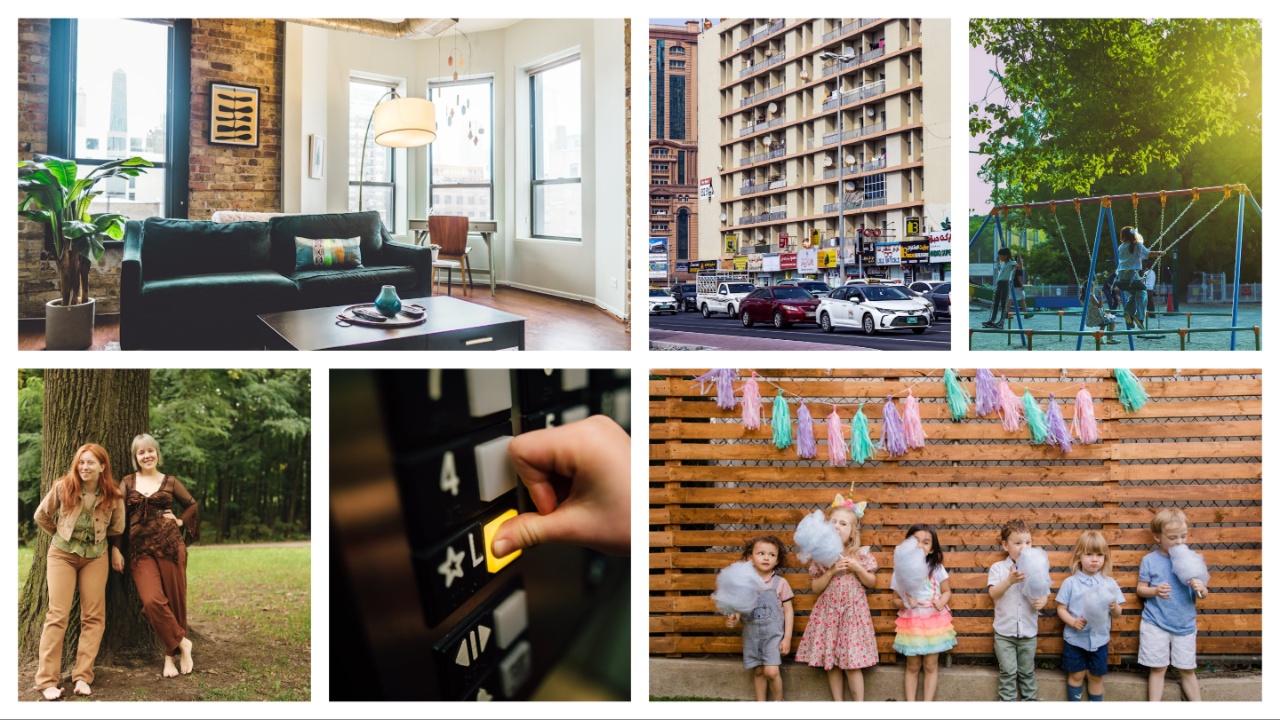
Raising kids in a big city apartment is a unique experience—equal parts exciting, challenging, and eye-opening. While other families may enjoy backyards and quiet cul-de-sacs, city parents learn to navigate elevators, crowded sidewalks, and the hum of nonstop activity. Every day becomes a lesson in flexibility, creativity, and adapting to less space but more energy. For families living above the noise and hustle, raising children in an apartment doesn’t just change your home—it changes how you parent, think, and live.
Space Becomes a Shared Experience

In a city apartment, every square foot matters. There’s little room for sprawling playrooms or excess toys, so families learn to be intentional with what they keep. Sharing space teaches kids early on how to compromise, cooperate, and respect boundaries. Parents also become experts at creative storage and multi-use furniture. Living small encourages closeness, but it also demands thoughtful routines and personal space awareness.
Outdoor Time Takes More Effort
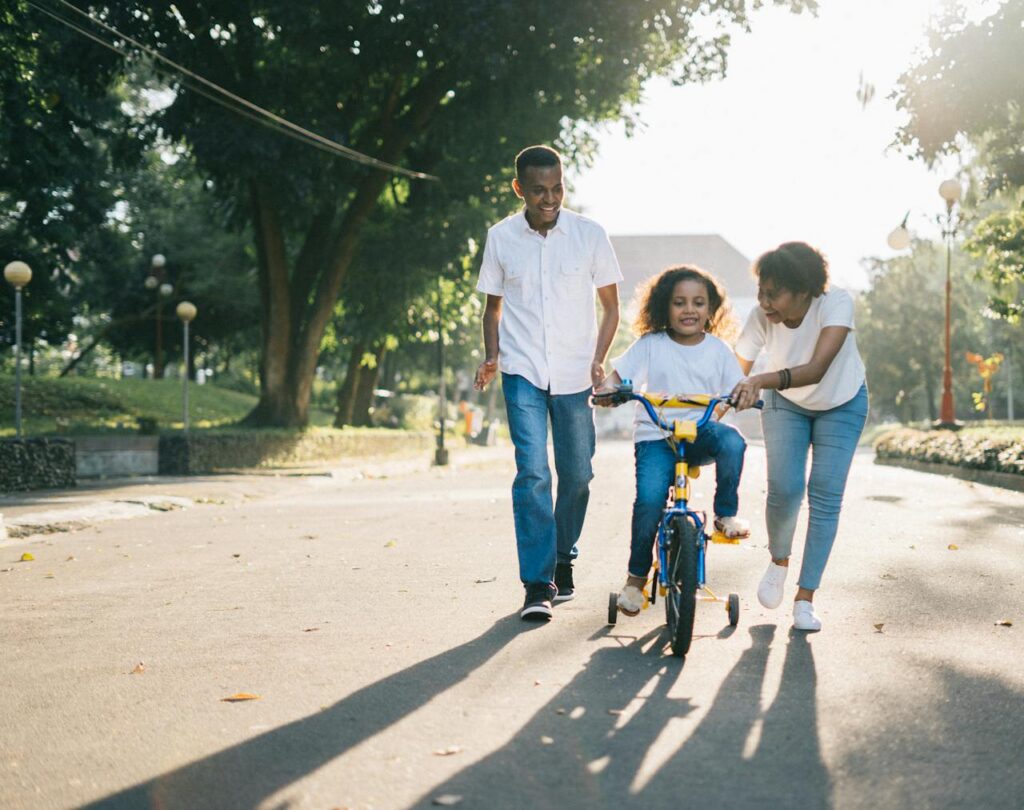
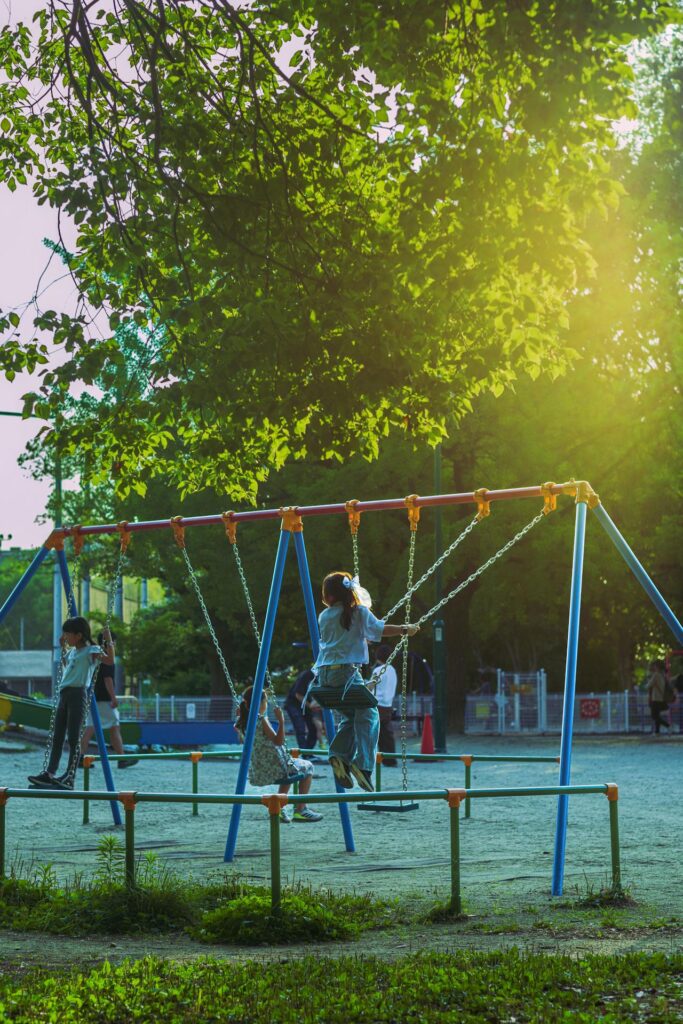
Without a backyard or front lawn, outdoor time means planning a trip to the park, a walk to the nearest green space, or playing on the building’s rooftop if you’re lucky. Getting outside requires packing snacks, finding bathrooms, and sometimes navigating stairs or elevators with strollers and scooters. Still, the effort becomes part of the rhythm of city life, and kids grow up knowing their neighborhood like the back of their hand. They learn to appreciate public spaces and connect with the city as their extended playground. For parents, every outing becomes a chance to explore, bond, and create memories.
Noise Is the Norm
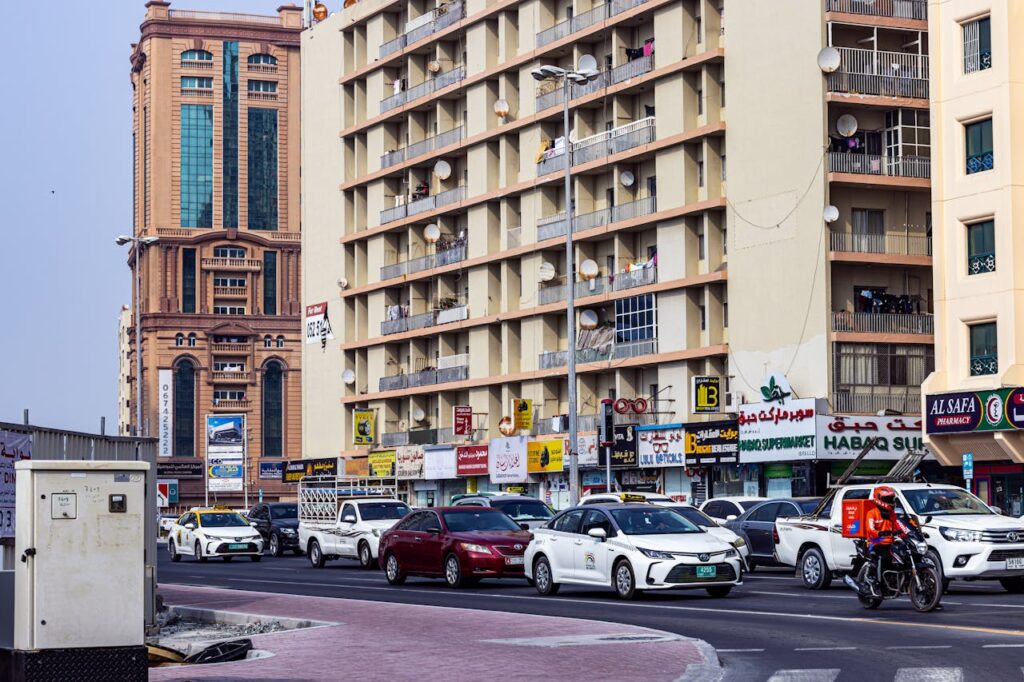
City kids fall asleep to sirens, honking horns, and the buzz of late-night activity outside their windows. While that might sound stressful, children raised in urban environments often adapt quickly to background noise. They learn to focus in loud places and sleep through chaos—skills that serve them well in life. Parents, too, become more tolerant of the constant hum, learning to tune it out or even find comfort in it. Noise isn’t a nuisance; it becomes part of the soundtrack of their family’s everyday life.
Independence Develops Early
Living in a big city often means walking to school, taking public transit, and navigating crowds from a young age. Kids raised in these environments tend to gain street smarts, awareness, and independence sooner than their suburban counterparts. They learn to read subway maps, observe traffic signals, and understand how to move confidently in public spaces. Parents instill safety skills early, knowing that awareness is essential in a busy urban world. Over time, this fosters confident, capable kids who know how to take care of themselves in complex environments.
Social Interactions Are Constant

From shared building lobbies to busy sidewalks and packed playgrounds, city kids are rarely alone. They interact with neighbors, street vendors, dog walkers, and people from all walks of life on a daily basis. This constant exposure to diversity and conversation helps children become open-minded, socially aware, and confident communicators. Parents also build unique social networks with other urban families—often bonding over elevator chats or park playdates. City life naturally fosters community, even in unexpected places.
Minimalism Becomes a Lifestyle
Apartment living requires families to evaluate what they truly need. With limited space and storage, parents quickly learn to prioritize function over fluff, choosing quality over quantity in toys, clothes, and gear. Kids raised in city apartments become less attached to “stuff” and more connected to experiences. Birthdays might mean outings instead of piles of presents, and weekend fun is more likely a museum visit than a new toy. Families learn that less really can be more—and that memories matter more than clutter.
Flexibility Is a Daily Skill

Living in a city apartment means adapting to frequent change—whether it’s a broken elevator, street construction, or a loud neighbor’s party. Urban families become masters of flexibility and quick thinking. Kids learn to go with the flow, adjust plans on the fly, and handle unpredictability with surprising ease. Parents, too, adopt a resilient mindset, learning to shift expectations without losing momentum. In the unpredictable pace of city life, adaptability becomes one of the greatest parenting tools.