

For many Baby Boomers, stepping into a modern supermarket can feel like entering a different world. Flashy apps, self-checkout lanes, and endless choices have replaced the simpler, more personal experience of grocery shopping in the 1970s. Back then, the grocery store wasn’t just a place to grab food—it was a neighborhood hub, a weekly ritual, and even a bit of an adventure. Here’s a nostalgic look at seven things Boomers miss most about grocery shopping in the ’70s.
Friendly Neighborhood Grocers
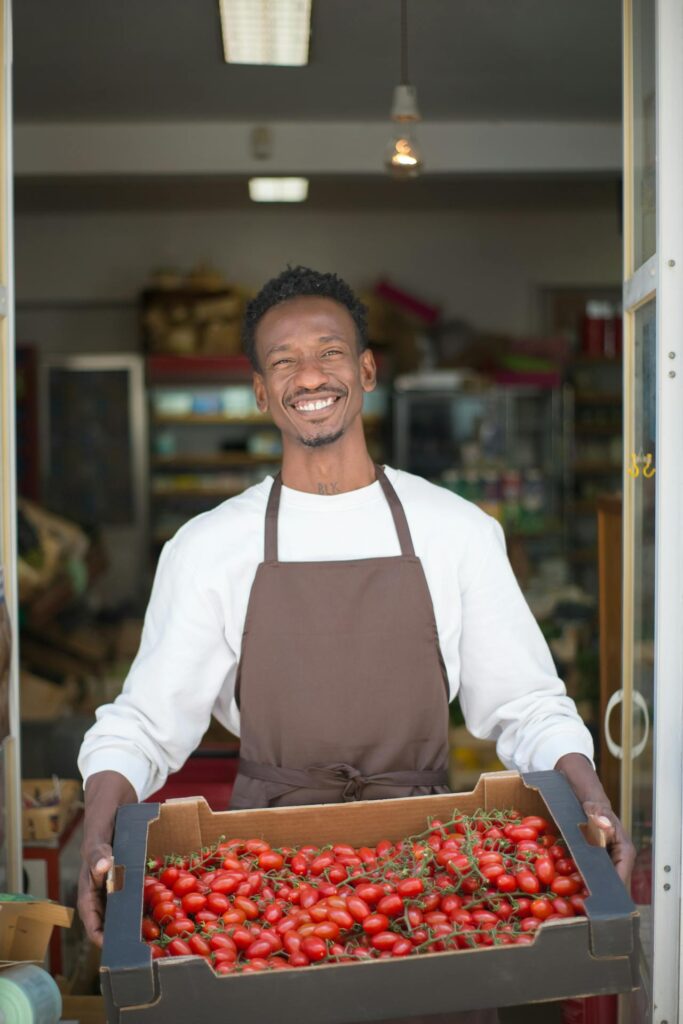
In the 1970s, grocery shopping often meant visiting a store where the owner and employees knew your name and even your usual order. Clerks would chat with you about your kids, offer cooking tips, or let you know when your favorite items would be on sale. There was a strong sense of community, and shopping felt personal rather than transactional. Many Boomers remember these connections fondly, missing the warmth that’s often absent in big-box stores today. For them, grocery trips weren’t just chores—they were social visits that built relationships.
Simpler Store Layouts
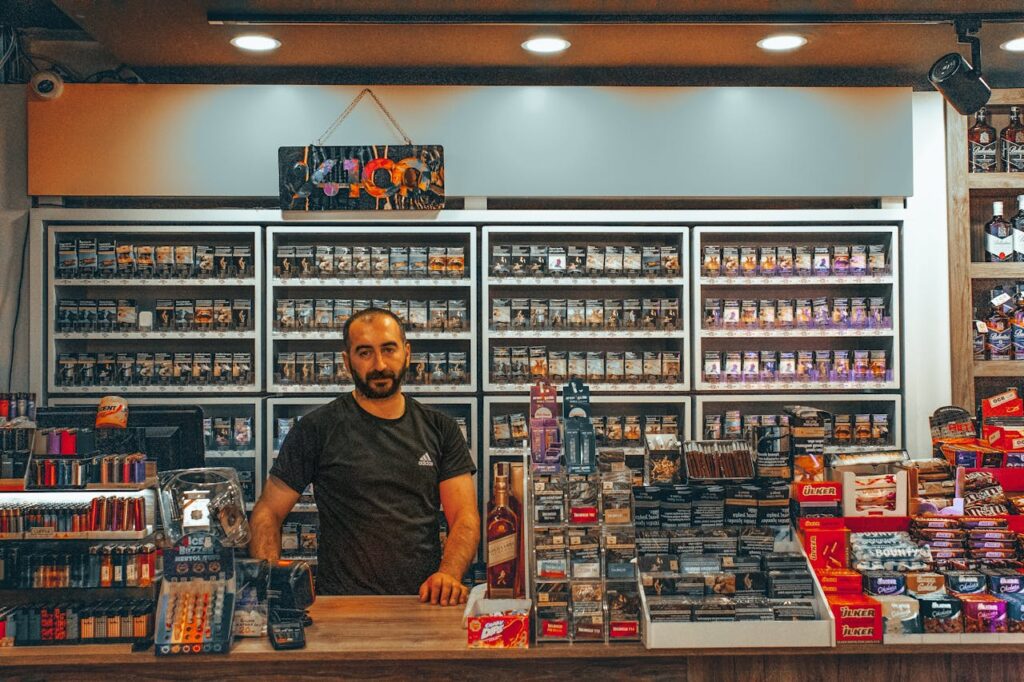
Supermarkets in the ’70s were far smaller than today’s sprawling megastores. A typical store had fewer aisles and a more straightforward layout, making it easy to find what you needed without wandering for miles. Boomers miss the simplicity of quickly grabbing bread, milk, and eggs without getting lost among dozens of specialty sections. The absence of overwhelming choices meant shopping was faster and less stressful. Those smaller stores felt manageable and familiar, adding to the comfort of the shopping experience.
Lower Prices (And Smaller Price Tags)
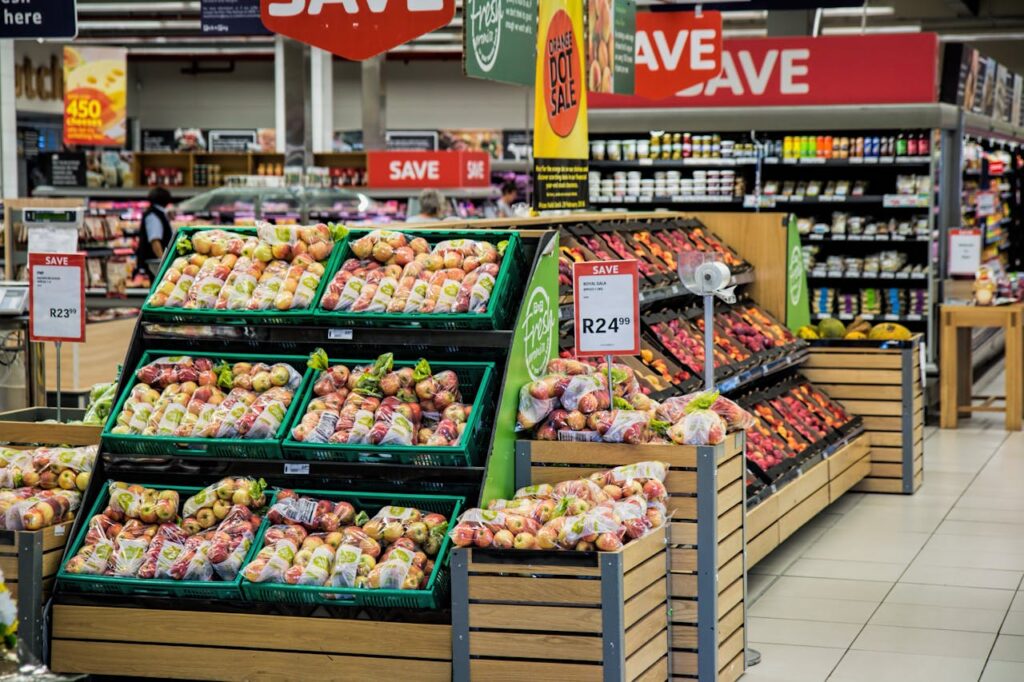
While inflation existed in the ’70s, prices were far lower than today’s sticker shock. Boomers fondly remember paying just a few dollars for a full bag of groceries. Even price tags were different—often handwritten or stamped rather than scanned barcodes. Sales and specials were advertised on big, colorful signs that gave the store a festive feel. Many Boomers look back wistfully at how far their dollar stretched during their weekly shopping trips.
Trading Stamps and Green Stamps
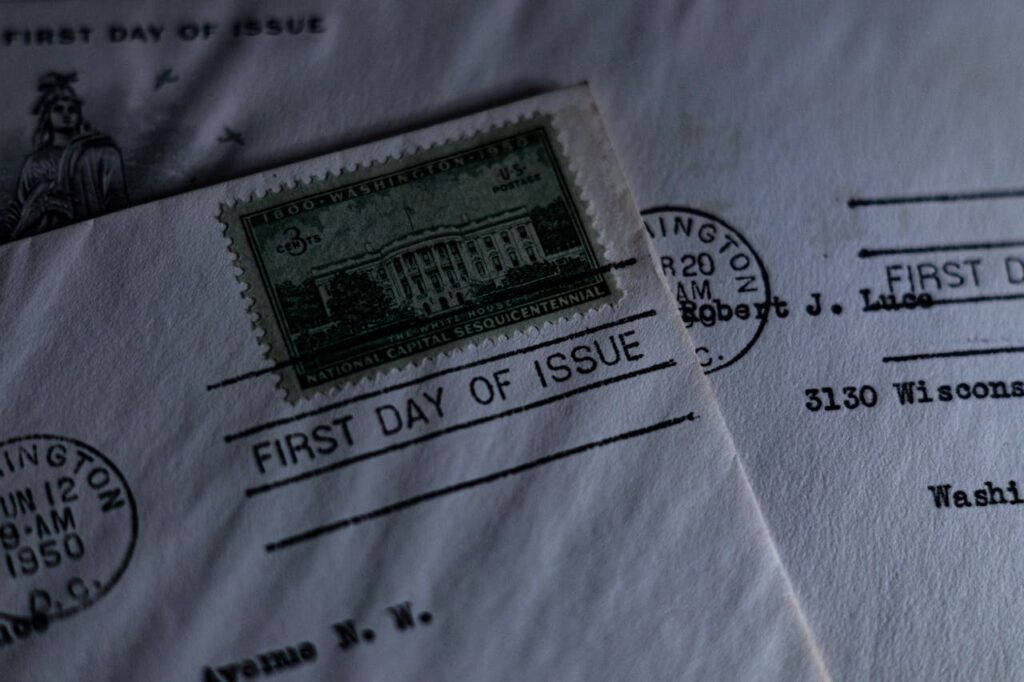
Trading stamps were a big part of grocery shopping in the 1970s. Customers collected stamps with each purchase, which they saved in booklets to trade for household goods, toys, or even furniture. It added a layer of excitement and reward to everyday shopping, turning errands into a treasure hunt. Boomers remember flipping through thick catalogues dreaming about what they’d redeem next. The ritual of collecting and pasting stamps became a family affair and made shopping feel extra rewarding.
Simple, Classic Packaging

Grocery shelves in the ’70s were filled with products sporting straightforward, bold packaging. Logos were bright and minimal, and there weren’t endless varieties of each product cluttering the shelves. Boomers miss the nostalgia of seeing familiar boxes and cans, some with designs that hardly changed for decades. The simplicity of packaging felt honest and practical, without today’s flashy marketing buzzwords. Many remember the look of those vintage labels with fondness and a touch of longing.
Personal Service at the Meat and Deli Counter
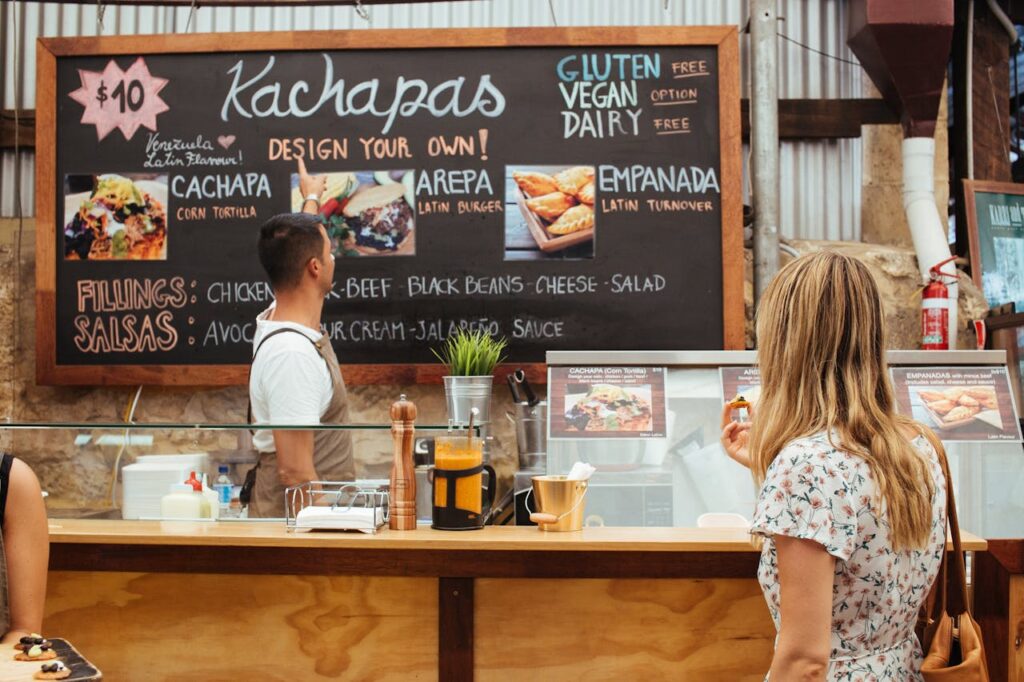
In the ’70s, shopping for meat and cheese meant chatting with a real butcher or deli clerk behind the counter. These professionals offered advice on the best cuts, portion sizes, and cooking tips. Boomers loved the personal service and trusted the quality of freshly sliced meats or custom-ground beef. Today’s pre-packaged selections feel less personal and lack the same level of expertise. Many miss the conversations and personalized care they used to receive in those departments.
No Overload of Choices
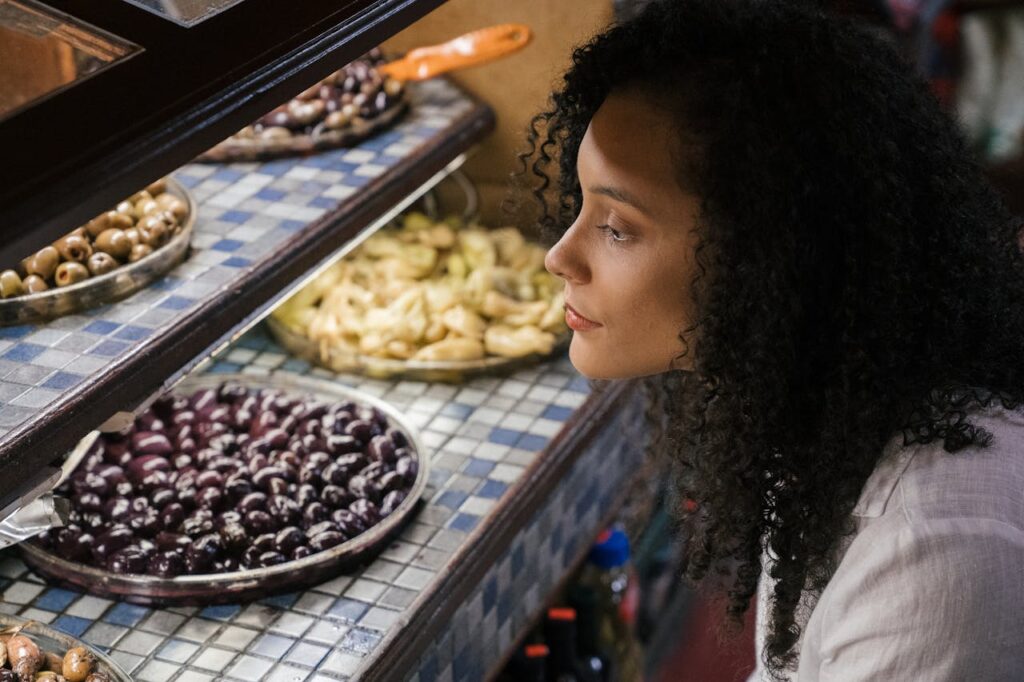
Back in the 1970s, grocery stores carried one or two types of peanut butter, not an entire aisle dedicated to dozens of brands and varieties. Boomers miss the simplicity of having fewer choices, which made decisions quicker and shopping trips shorter. While modern consumers enjoy variety, it can sometimes feel overwhelming and stressful. Boomers remember a time when grocery shopping was less about comparison and more about grabbing trusted staples. For many, less truly felt like more when it came to the weekly grocery run.