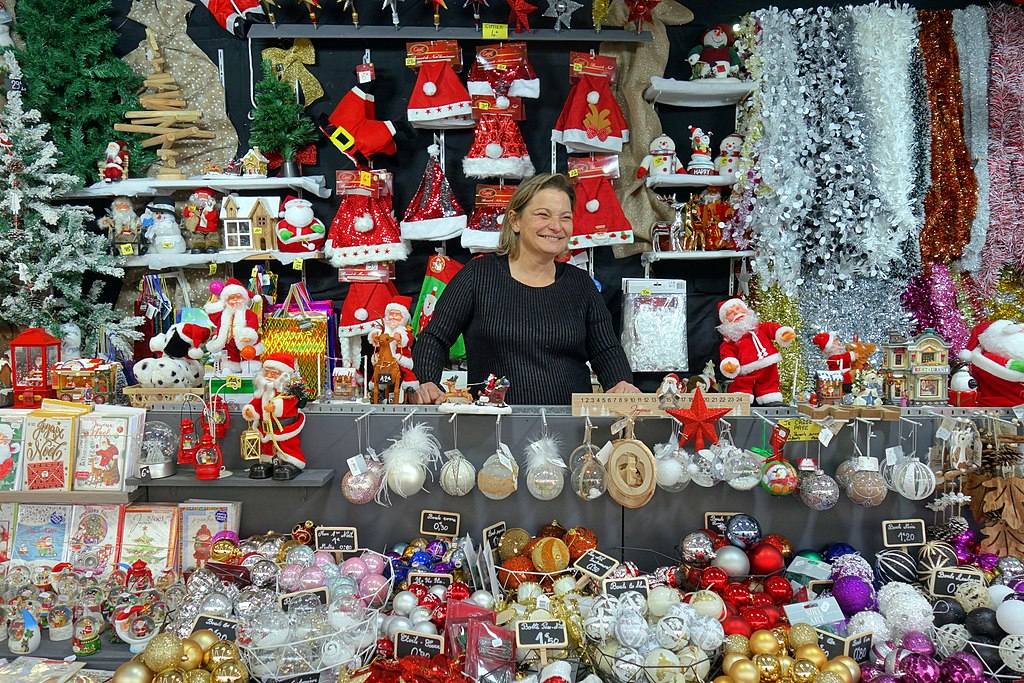
Christmas markets were once seen as a European novelty, something Americans experienced while traveling abroad. In recent years, that has changed quickly. Across U.S. cities and small towns, these markets are becoming major seasonal attractions. Their popularity is not just about holiday shopping. They reflect deeper cultural shifts around how Americans want to gather, spend, and experience the season. From nostalgia to economics, Christmas markets are filling a gap that traditional retail and holiday events no longer satisfy.
Offer a Slower Alternative to Big Box Holiday Shopping
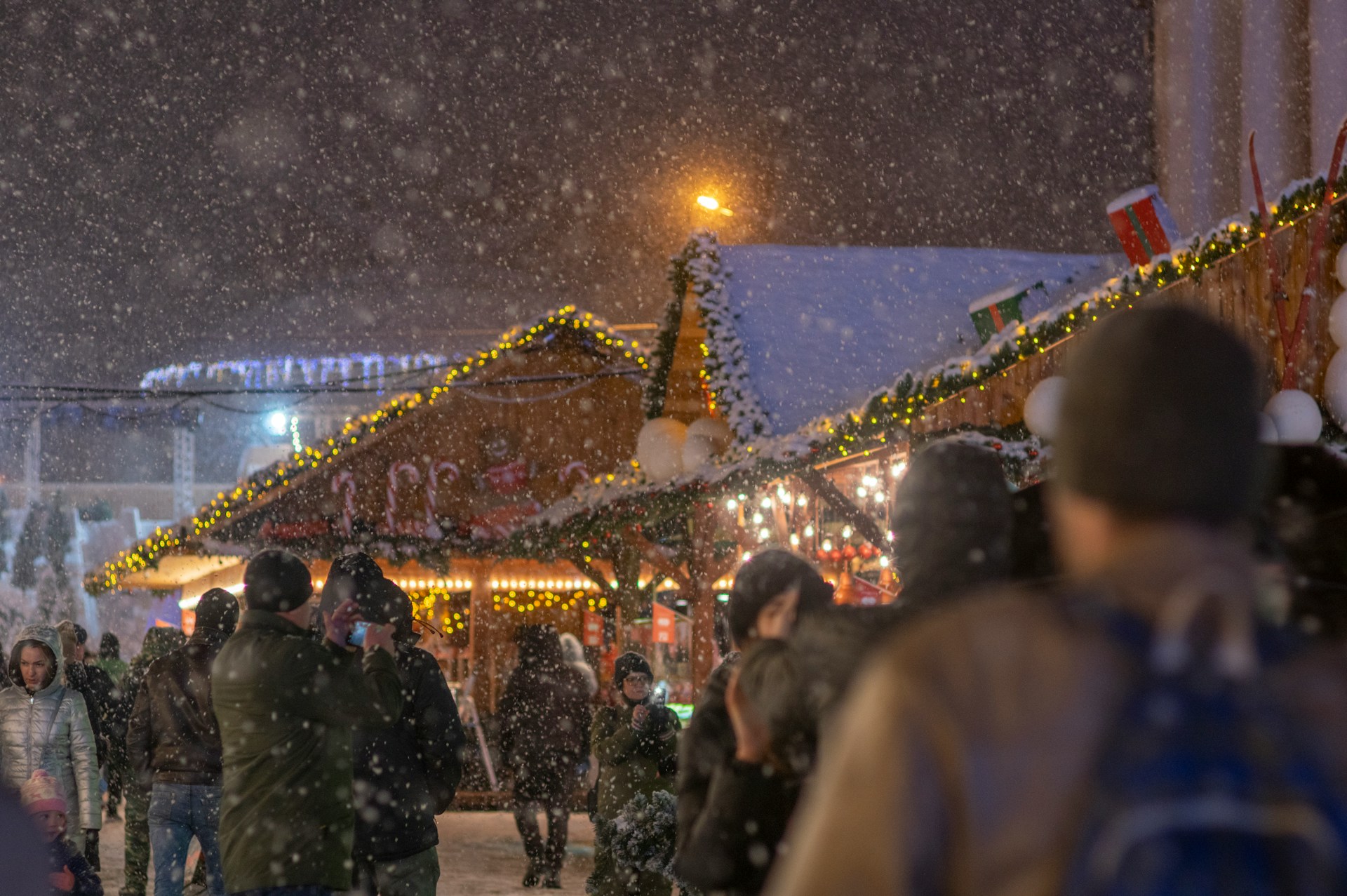
Many Americans feel overwhelmed by the speed and pressure of modern holiday shopping. Christmas markets offer a slower, more tactile experience. Instead of endless aisles and digital carts, shoppers browse handcrafted goods, talk directly to vendors, and linger without urgency. This pace feels intentional. It reduces decision fatigue and restores a sense of enjoyment to buying gifts. For U.S. shoppers burned out on online deals and crowded stores, the market format feels calming and human.
Public Gathering Spaces With No Performance Pressure
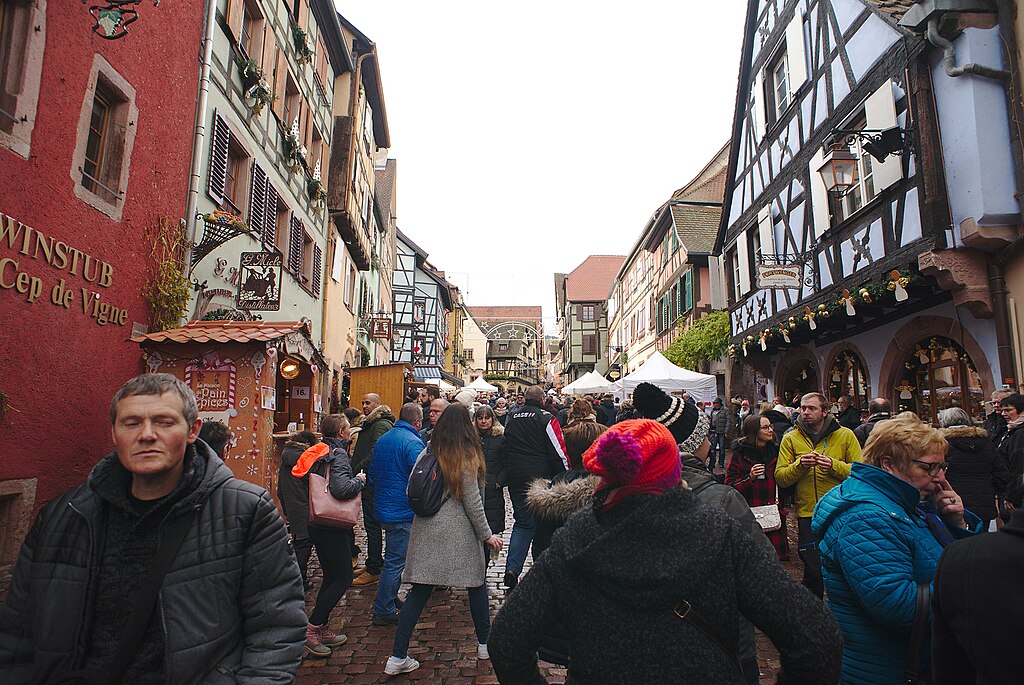
Christmas markets provide a rare form of social space where people can gather without needing a ticket, reservation, or agenda. Families, couples, and friends can wander, eat, and observe without committing to an activity. In the U.S., where many social outings are structured around spending or entertainment, this casual togetherness feels refreshing. The markets encourage presence rather than productivity. That ease makes them appealing during an already demanding season.
They Tap Into Nostalgia
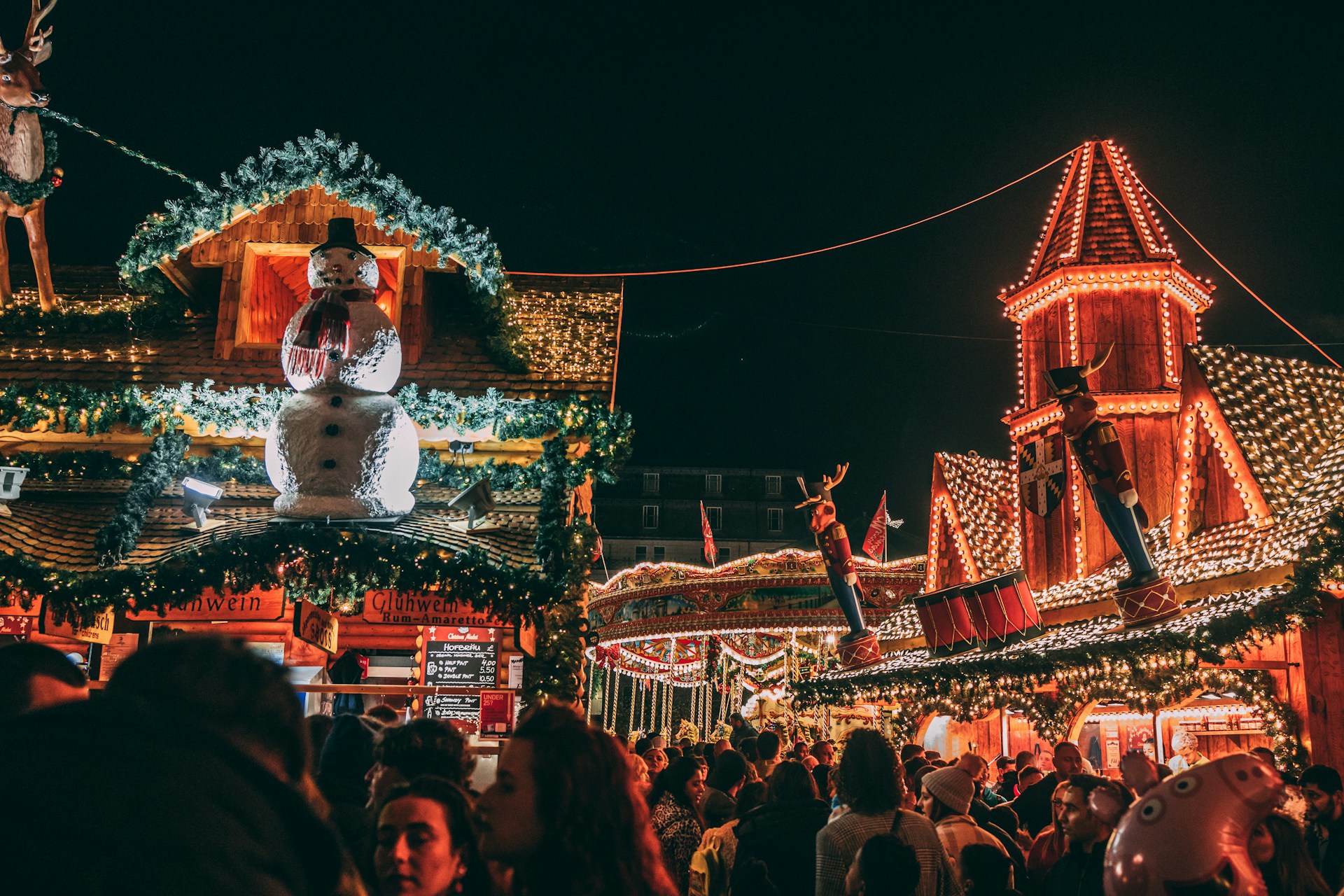
Americans are increasingly drawn to experiences that feel nostalgic but not manufactured. Christmas markets evoke older traditions of town squares, local crafts, and seasonal rituals without heavy branding. The lights, music, and food feel familiar even when newly introduced. For many visitors, the experience resembles an imagined past rather than a specific memory. That emotional familiarity creates comfort without the pressure of perfection, making the experience widely appealing across generations.
Support For Local Makers and Small Businesses
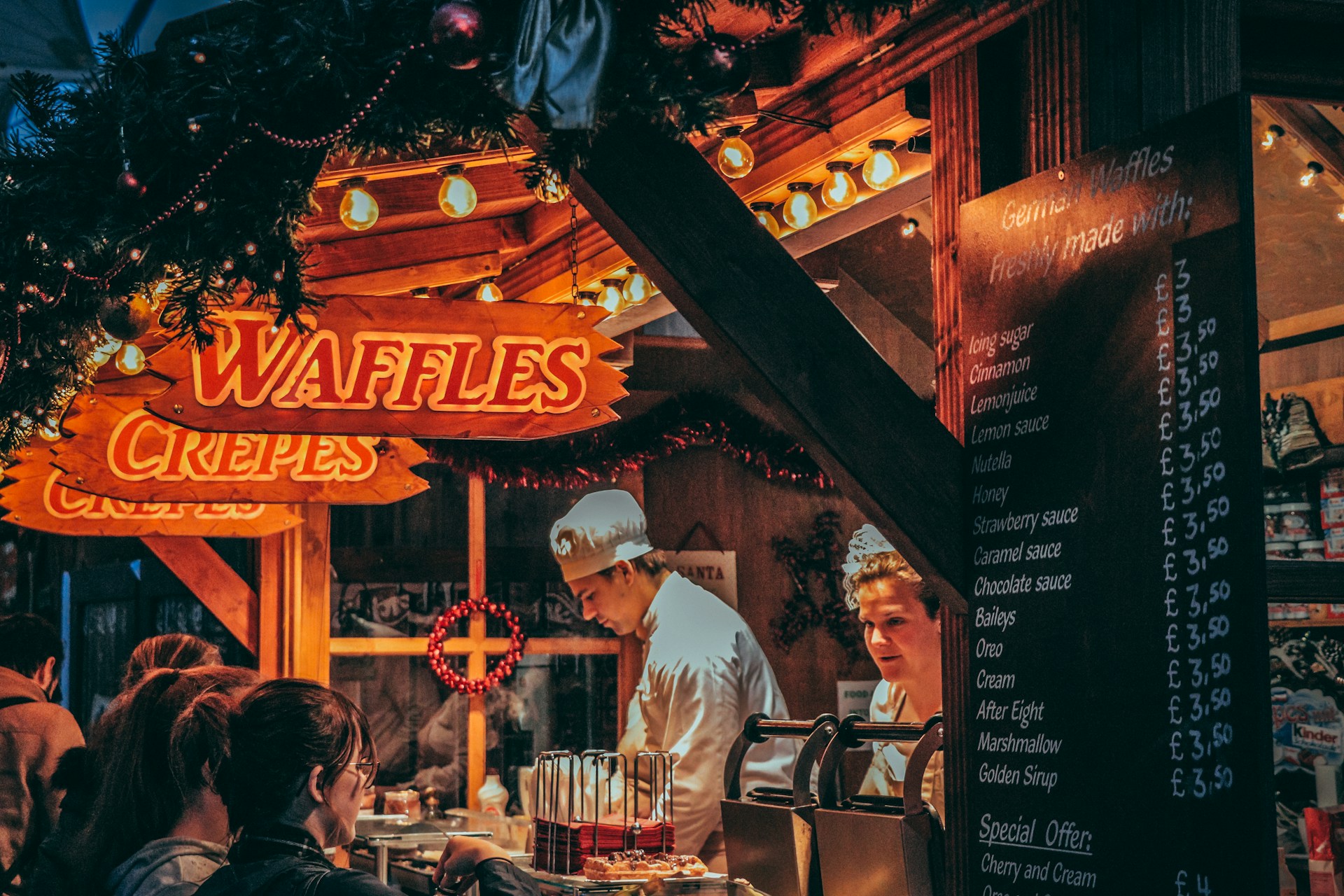
Rising awareness around supporting local economies has made Christmas markets more relevant. Shoppers appreciate knowing where products come from and who made them. Markets highlight small businesses, artisans, and food vendors in a visible way. For many Americans, this feels like a meaningful alternative to mass produced gifts. The transaction becomes personal rather than transactional. That connection aligns with growing values around sustainability, locality, and conscious spending.
Blend Shopping With Entertainment Seamlessly
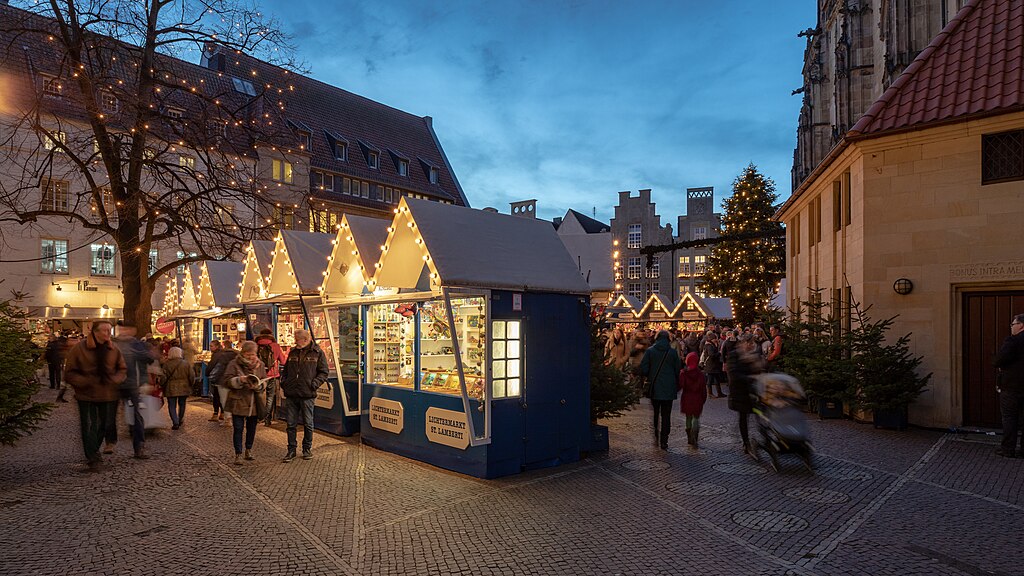
Unlike malls or holiday pop ups, Christmas markets blur the line between shopping and experience. Live music, seasonal food, warming drinks, and visual atmosphere turn errands into outings. Americans increasingly seek experiences that justify leaving home. Markets meet that need without demanding hours of commitment. You can browse, snack, and leave at your own pace. This flexibility makes them easy to integrate into busy holiday schedules.
Embrace the Warmth of Outdoor Weather Events

Post pandemic habits have increased appreciation for outdoor gatherings, even in colder months. Christmas markets encourage Americans to dress warmly and embrace seasonal weather instead of avoiding it. Fire pits, hot drinks, and lights create comfort outdoors. This shift reflects a broader cultural change toward experiencing winter rather than escaping it. Markets feel cozy rather than inconvenient, helping redefine how Americans engage with cold weather.
They Feel Social Media Friendly Without Being Social Media Driven
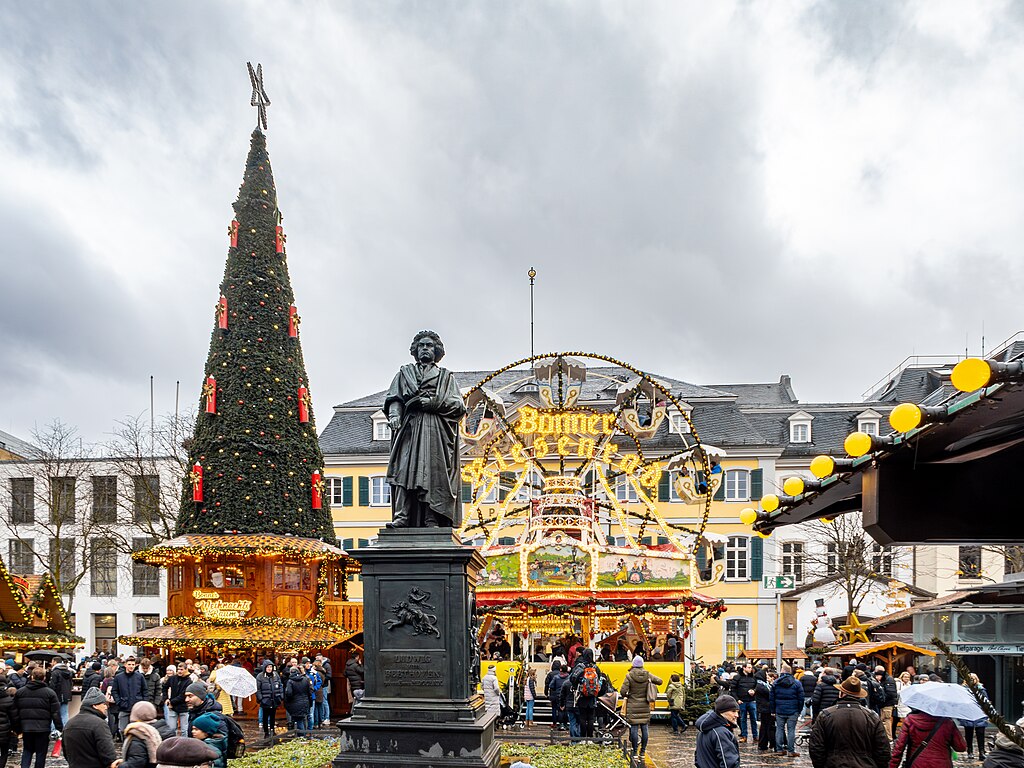
Christmas markets photograph beautifully, but their appeal does not rely on digital validation. While people do take photos, the experience itself remains primary. Unlike staged pop ups, markets feel authentic enough that sharing feels optional. For many Americans tired of curated experiences, this balance matters. The setting feels worth visiting even without posting. That authenticity makes the trend more durable than purely visual attractions.
Christmas markets are trending in the U.S. because they offer something modern holiday culture often lacks. They combine simplicity, connection, and atmosphere without pressure or excess. As Americans look for ways to make the season feel meaningful again, these markets provide a model that is communal, local, and intentionally slower. Their rise reflects not a fad, but a shift in how people want to experience the holidays.