
Work-from-home life has transformed from a temporary necessity into a long-term lifestyle for millions of families across the United States. While early discussions around remote work focused heavily on productivity and employer logistics, the deeper impact has emerged within the household itself. Families have discovered emotional, financial, and relational benefits that were rarely considered before 2020. As remote work stabilizes into a mainstream norm in 2025, its surprising advantages continue to reshape how families live, connect, and plan their futures.
Strengthened Family Bonds Through Daily Presence

Families have found that simply being in the same space throughout the day dramatically increases opportunities for bonding. Parents can witness moments they previously missed—small achievements, spontaneous conversations, or subtle emotional cues. This presence helps reduce feelings of disconnect that can arise when work schedules dominate family time. Even short interactions, like shared breakfasts or mid-day check-ins, help foster stronger family unity. Over months and years, these small patterns accumulate into deeply rooted emotional closeness.
Reduced Financial Stress and Commuting Costs

One of the most unexpected benefits of remote work is the dramatic reduction in daily living expenses. Eliminating commuting costs—fuel, tolls, parking, and vehicle wear—can save families thousands of dollars annually. Many households also spend less on work clothes, childcare, and frequent takeout meals. This financial relief allows families to redirect money toward savings, hobbies, or long-delayed home improvements. With lower monthly stress, families often report better emotional well-being and long-term financial stability.
Healthier Daily Routines and Home-Cooked Meals

Remote work allows families to build more intentional, health-conscious routines throughout the day. Without long commutes, parents can integrate exercise, balanced meals, and adequate rest into their schedules. Home-cooked meals replace rushed on-the-go food habits, giving families more control over nutrition. Children also benefit from observing healthy adult routines, learning practical habits that can support lifelong wellness. By making health a family activity rather than an afterthought, remote households often experience improved overall well-being.
Increased Flexibility for Parenting and School Support

Work-from-home life offers parents far more flexibility to adapt to their children’s needs. Parents can attend school meetings, help with homework, or manage unexpected schedule changes without the stress of leaving an office. This proximity helps parents stay more engaged with academic progress, emotional struggles, or developing interests. Many families also find it easier to coordinate extracurriculars, medical appointments, and after-school routines. This adaptability creates a calmer, more supportive home environment that benefits both parents and children.
Less Exposure to Illness and Seasonal Disruptions

With remote work, families experience fewer disruptions caused by seasonal illnesses, weather-related closures, and unexpected schedule changes. Reduced exposure to crowded workplaces or public transportation often leads to fewer colds and infections. Parents working from home can manage mild illnesses without needing to take full days off, reducing pressure and preserving job stability. Children also benefit when their guardians remain present and available during unpredictable circumstances. Over time, this stability helps families maintain healthier, more consistent routines through every season.
Enhanced Work-Life Balance and Personal Time
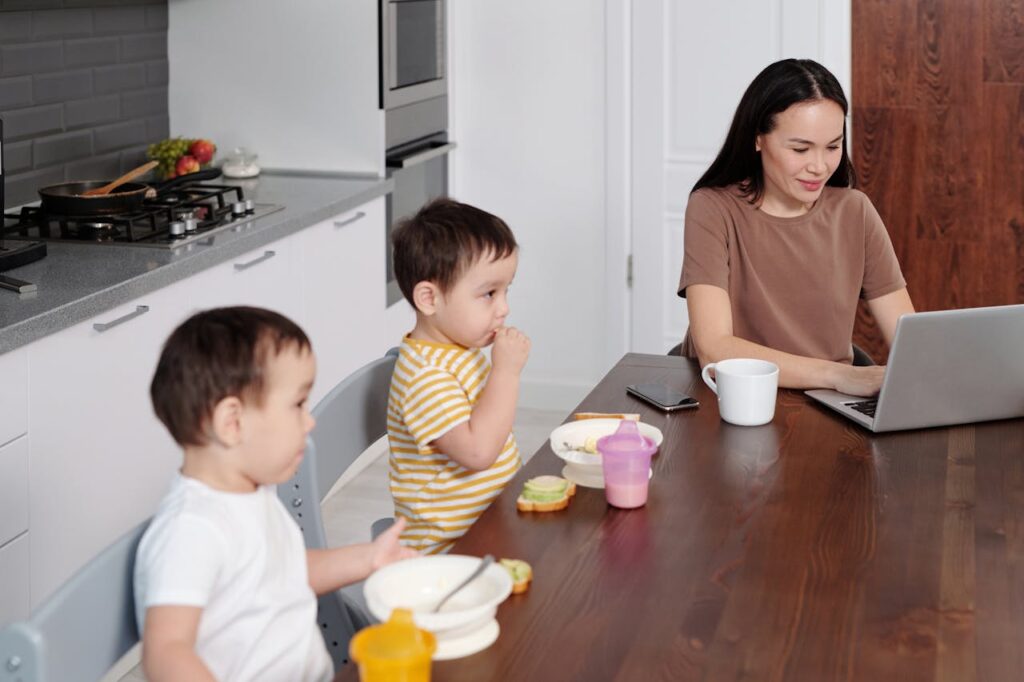
Remote work gives adults more control over their personal time, allowing them to balance professional responsibilities with personal needs. Without commuting, families gain extra hours that can be used for hobbies, rest, or meaningful activities. Many professionals report feeling less drained at the end of the day, which improves their ability to be emotionally present with loved ones. This balance also reduces burnout and helps individuals sustain long-term career satisfaction. When adults feel fulfilled and rested, the entire household benefits from a healthier emotional atmosphere.
Strengthened Sense of Home as a Personal Sanctuary

As families spend more time at home, many have transformed their living spaces into comfortable, multifunctional environments. Creating dedicated work areas, relaxation zones, and shared spaces gives the home new purpose and emotional significance. The home evolves into more than a place to sleep—it becomes a sanctuary for learning, productivity, creativity, and connection. This shift encourages families to value their living environment and invest in comfort, organization, and well-being. Over time, the home becomes a central pillar of family resilience and identity.