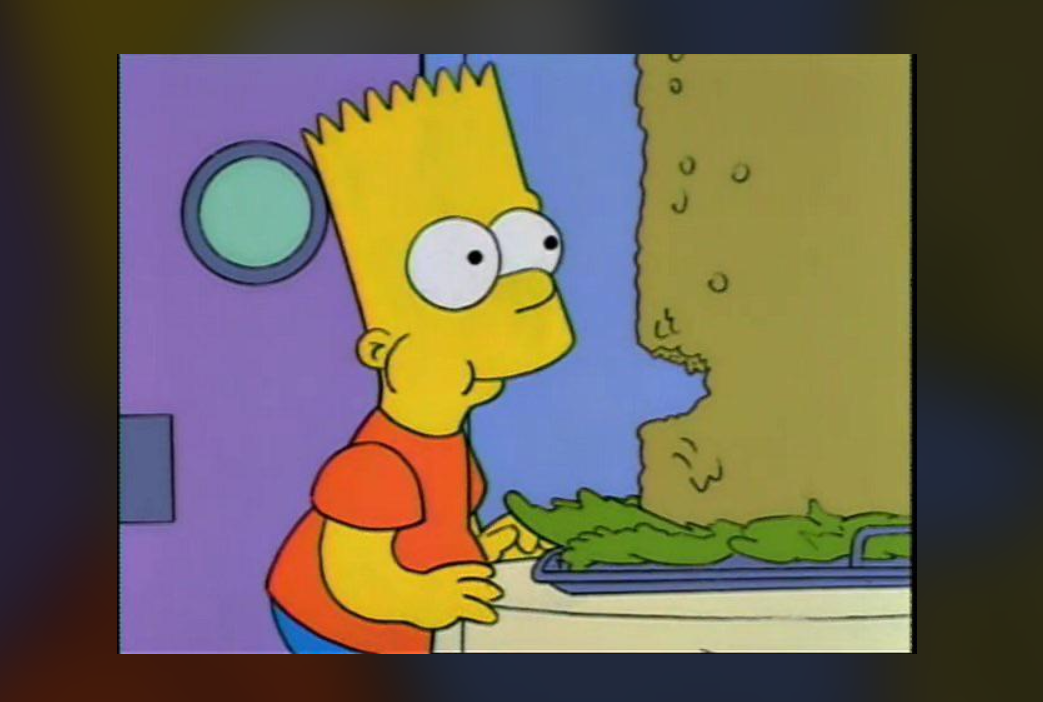
For decades, The Simpsons exaggerated American eating habits for laughs, pushing food culture to absurd extremes. What made these jokes funny was how unrealistic they seemed at the time. Yet as food marketing, technology, and consumer behavior evolved, some of those jokes quietly crossed into reality. Without intending to predict the future, the show often amplified existing trends just enough to reveal where they might lead. Looking back, these food-related gags feel less like satire and more like early warnings about convenience culture, indulgence, and how novelty slowly becomes normalized.
Donuts as a Lifestyle, Not a Treat
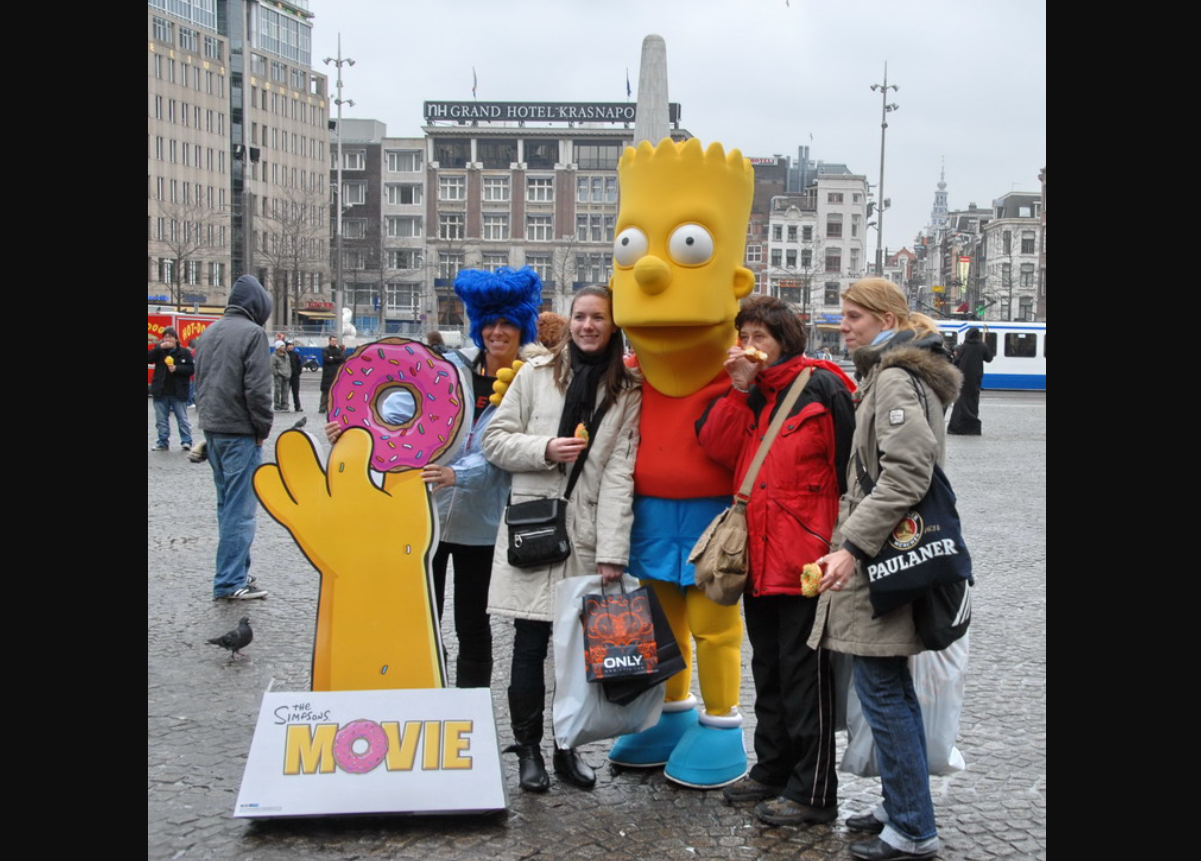
Homer’s obsession with donuts was originally a caricature of excess, portraying sugary pastries as a daily necessity rather than an occasional indulgence. Over time, this joke became uncomfortably familiar. Donuts evolved into breakfast staples, office snacks, and even meal replacements. Specialty donut shops, oversized portions, and novelty flavors normalized constant consumption. What once signaled gluttony turned into branding. The joke came true as indulgence became identity, mirroring how food marketing transformed treats into everyday rituals rather than rare pleasures.
Fast Food as Emotional Comfort
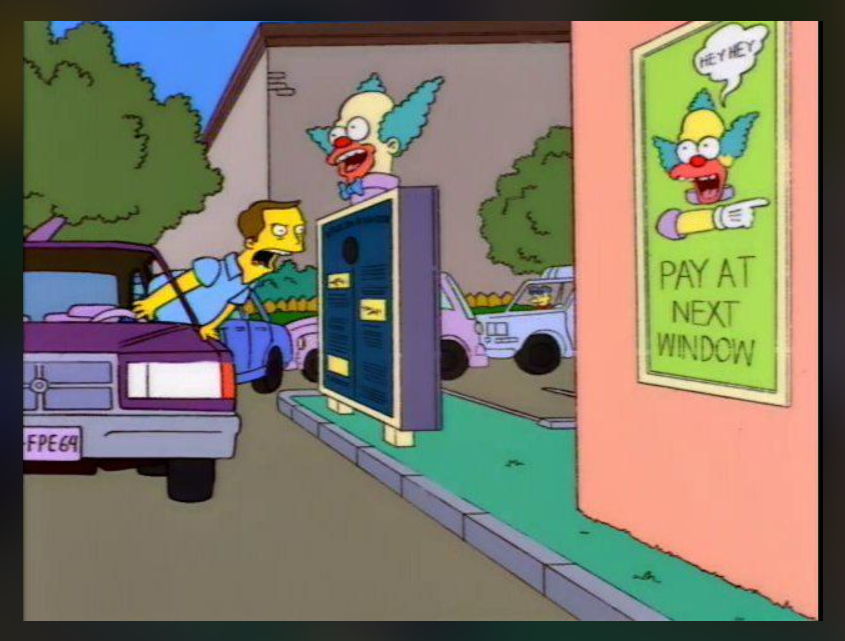
The Simpsons often portrayed characters turning to fast food during stress, sadness, or celebration, treating it as emotional support rather than nutrition. At the time, this exaggeration highlighted unhealthy dependence. Today, comfort eating is openly marketed. Fast food chains frame meals as rewards, stress relief, and self-care. Delivery apps make emotional eating frictionless. The joke became reality as food shifted from sustenance to emotional management tool, reinforcing habits once played for laughs.
Ridiculously Overloaded Burgers
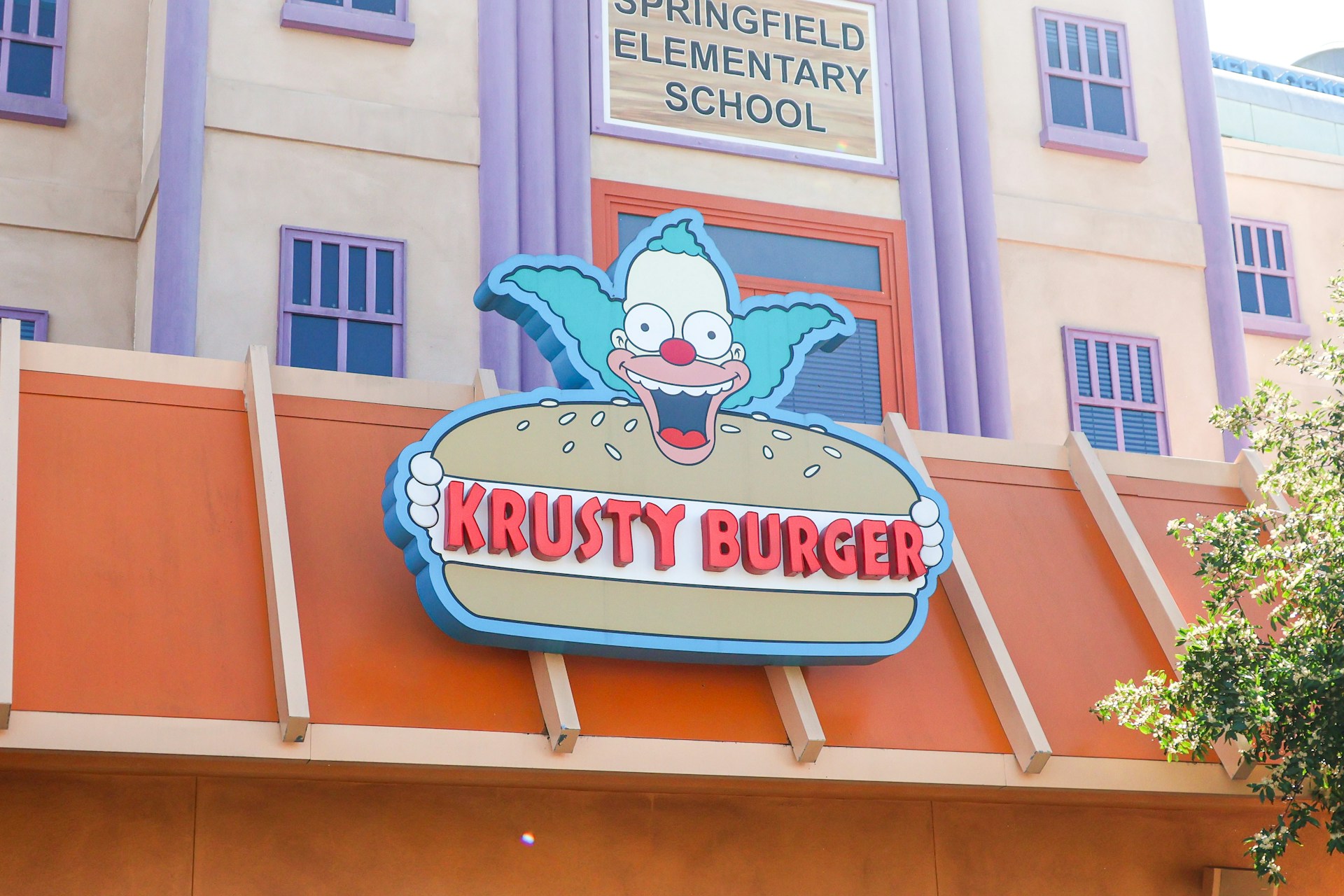
The show frequently mocked burgers stacked with absurd layers, sauces, and gimmicks designed more for spectacle than eating. These jokes satirized excess for humor. Today, towering burgers dominate menus and social media. Size, shock value, and indulgence drive attention. Eating becomes performance. What was once cartoon exaggeration is now standard marketing. The joke came true as restaurants realized excess sells better than restraint, turning novelty into a business model.
Marketed Junk Food Aggressively
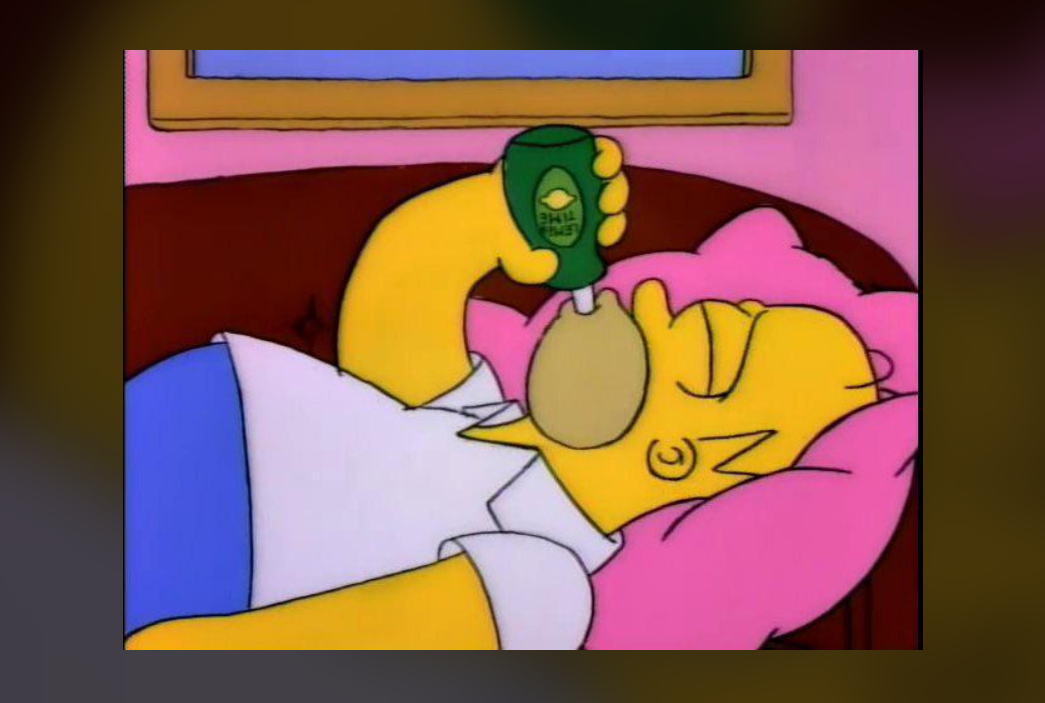
The Simpsons was regularly bombarded with cartoon mascots and manipulative food advertising. The humor lay in how blatant it seemed. Modern marketing has surpassed the joke. Bright packaging, influencer promotions, and targeted ads reach children across screens. Snacks are branded as fun, social, and collectible. The exaggeration became reality as marketing strategies grew more sophisticated. The show mocked the concept before it became normalized and deeply embedded in digital life.
Food Mashups That Sounded Impossible
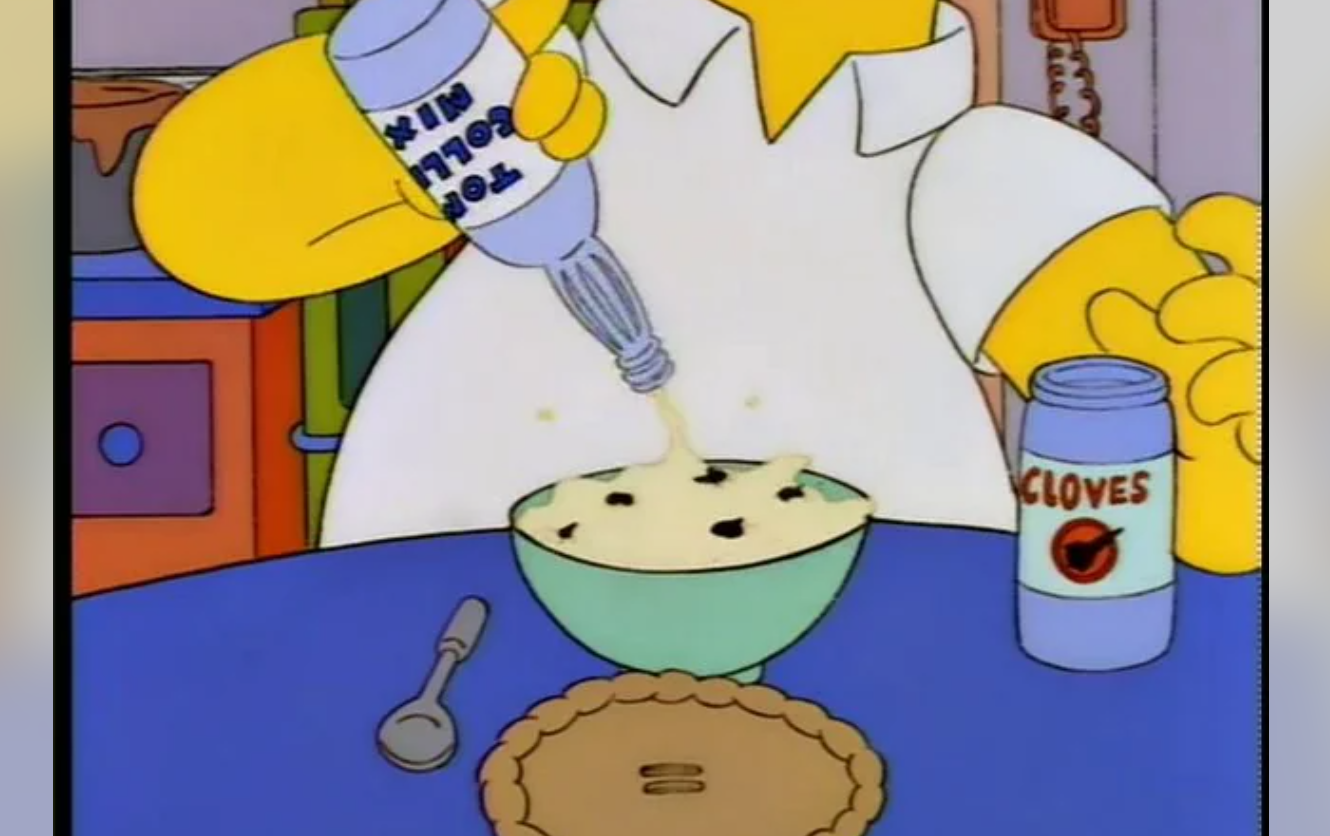
The Simpsons often invented bizarre food combinations purely for shock value, blending flavors that felt intentionally wrong. These mashups were meant to signal excess and poor taste. Today, those same combinations dominate menus. Sweet and savory hybrids, extreme flavor contrasts, and novelty pairings are treated as innovation. Restaurants compete to surprise rather than satisfy. What once seemed absurd now feels expected. The joke came true as food culture embraced experimentation without limits, proving that curiosity often overrides restraint when novelty becomes a selling point.
Food Marketed as Entertainment
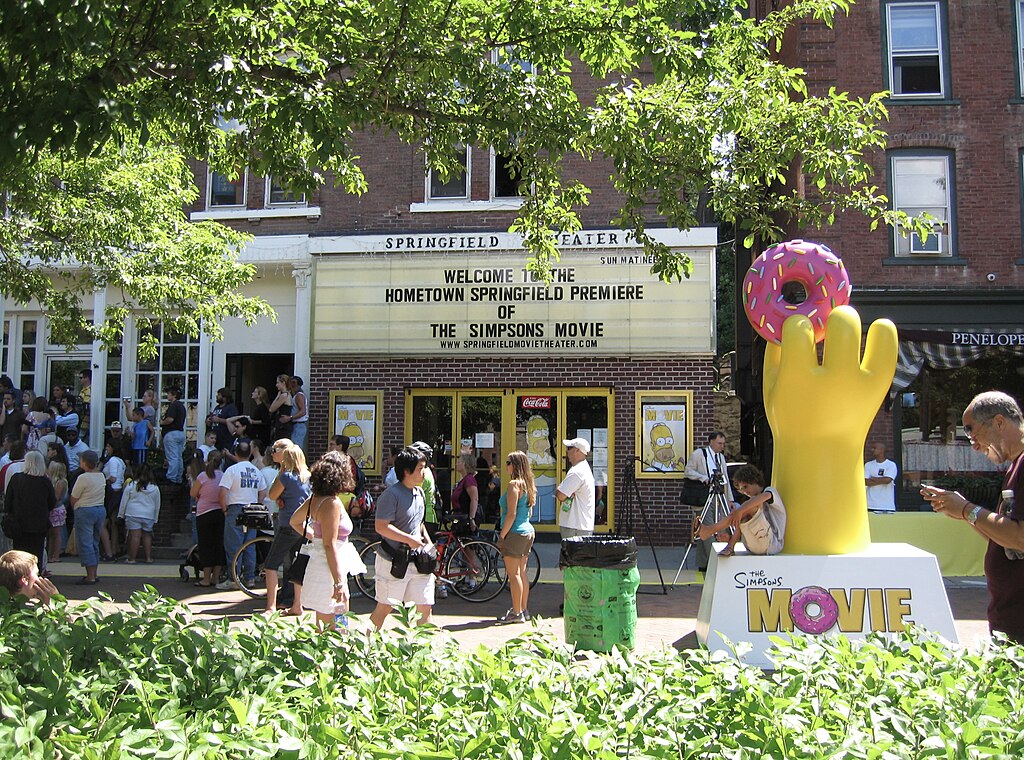
In many episodes, food existed less as nourishment and more as spectacle. Characters attended events built entirely around eating gimmicks, contests, and themed foods. At the time, this exaggerated consumer culture. Today, food festivals, viral challenges, and visually engineered meals dominate social platforms. Eating is documented, ranked, and shared publicly. The experience matters as much as taste. The joke became reality as food shifted from private consumption to public performance, validating the show’s early satire of attention driven eating habits.
Convenience Food Replacing Cooking
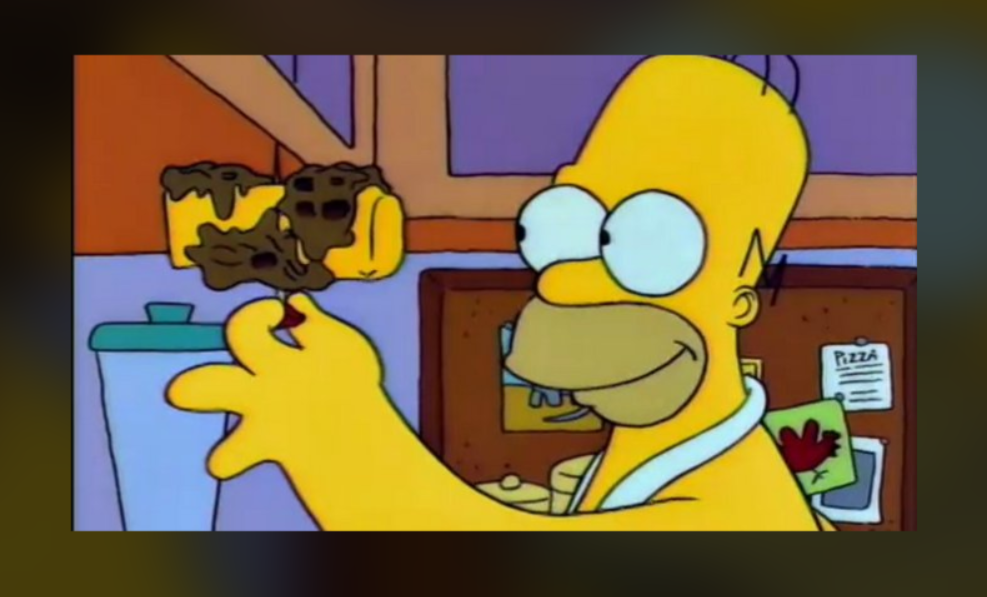
The Simpsons often portrayed home cooking as optional, replaced by frozen meals, fast food, or instant snacks. This was framed as laziness or modern decline. Today, convenience foods are marketed as efficiency and lifestyle optimization. Meal kits, ready-to-eat options, and delivery apps normalize minimal cooking. What once looked like neglect became mainstream behavior. The joke came true as convenience redefined responsibility, reshaping expectations around time, effort, and domestic labor.
What makes these jokes unsettling in hindsight is not accuracy, but restraint. The Simpsons rarely invented trends from nothing. It amplified existing behaviors until their consequences were visible. As food culture evolved, those exaggerations quietly became normal. The humor worked because it reflected direction, not prediction. Looking back, the jokes feel less accidental and more observant. They reveal how easily satire turns into documentation when convenience, novelty, and marketing drive everyday choices.