

The 1970s were a wild mix of bell-bottoms, shag carpets, and some seriously no-nonsense parenting. Families back then didn’t believe in “gentle parenting” or “validating feelings.” Discipline was delivered with a straight face and a wooden spoon. Still, while some of those rules were harsh, they taught lessons we’re probably still carrying around like emotional luggage. Let’s take a look back at 7 of those strict (but oddly effective) rules that ruled the ‘70s home.
Eat Everything on Your Plate (even If It Smelled Weird)

In ’70s homes, refusing food wasn’t an option. You didn’t get to say “I don’t like it” or ask for chicken nuggets. Dinner was what your parents made, and your job was to eat it. That was the deal. You sat there in silence until your plate was empty, often staring down things like gray meatloaf, canned asparagus, or some casserole topped with cornflakes. If you tried to sneak food to the dog, you got caught. This rule taught gratitude and zero food waste—but also gave many of us trust issues with anything labeled “surprise dish.”
Greet Adults Properly (and Never Interrupt Them Talking)

Manners were serious business. If an adult walked into the room, you stood up, greeted them with a “Good morning” or “Hello, Ma’am,” and you definitely didn’t keep watching TV. Interrupting grown-ups while they were talking? That was social suicide. You were taught to wait your turn, speak when spoken to, and never call an adult by their first name—unless it started with “Mr.” or “Mrs.” This rule built respect for elders and good social habits—though it also made some of us awkwardly formal to this day.
No Talking Back—Ever

If you talked back, rolled your eyes, or dared to say “that’s not fair,” you instantly triggered the wrath of parental justice. There were no long conversations about feelings—just a look that could stop your heart. “Because I said so” wasn’t a debate starter; it was the final word. You didn’t argue. You complied. This rule taught respect and self-control—but often left you quietly steaming while vacuuming the hallway as punishment for your smart mouth.
Chores Came First—Fun Was Earned

In a ’70s household, no fun happened until your chores were done. Saturday mornings didn’t start with cartoons; they started with dusting, folding, and raking the yard. You didn’t get paid for chores either—it was just expected. Asking “Why do I have to?” was like inviting a lecture about gratitude, rent, and the roof over your head. This rule taught responsibility and work ethic—but also made some of us feel guilty for relaxing if the laundry basket isn’t completely empty.
Curfews Were Set in Stone (And So Were the Consequences)
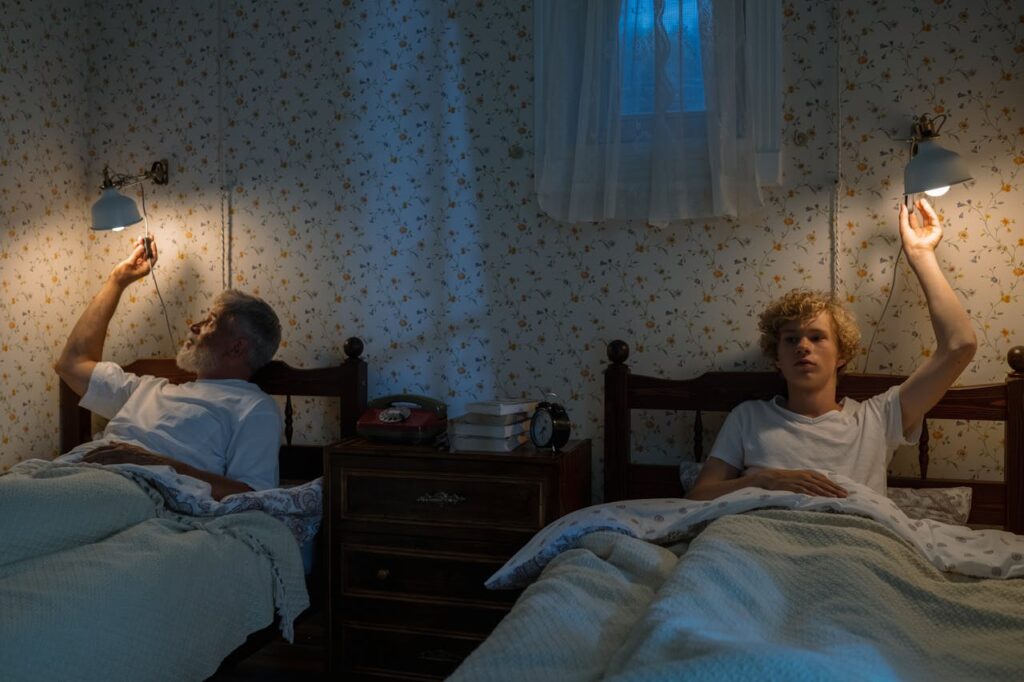
When your parents said “Be home by 8,” they meant 7:59. Showing up late—even if it was just five minutes—meant you were grounded, no discussion. Forget tracking apps or friendly check-in calls; you were expected to follow rules without reminders. This wasn’t about being strict for fun—it was about teaching respect for time, rules, and trust. And while it definitely helped build discipline, it also turned some of us into anxious time-watchers who arrive 15 minutes early to everything.
Spanking Was Standard

Let’s be honest—most of us who grew up in the ’70s were personally acquainted with “the wooden spoon,” the belt, or whatever object happened to be within arm’s reach. Spankings weren’t about losing control—they were part of the parenting playbook. Your parents didn’t need a parenting blog; they had a system, and it usually involved a swat or two. This rule taught consequences, fast. But while it definitely got results, it’s also a method most of us now approach with caution—or just avoid altogether.
You Break It, You Fix It (Or Work It Off)

If you broke something, even by accident, you were expected to either pay for it or make up for it through work. That meant chores, allowance deductions, or some combination of both. The idea was simple: actions have consequences. This rule taught you early on to take responsibility, be more careful, and never play ball near your mom’s favorite vase. Sure, it was harsh at times, but it also created accountability—something the world could still use more of.
The rules of the ’70s were often strict, occasionally harsh, and definitely not up for discussion. But hidden in all that firmness were valuable lessons about respect, responsibility, and resilience. These rules didn’t always feel fair, but they stuck with us—and in many cases, made us better adults. While we might not raise kids exactly the same way today, there’s no denying that some of those old-school rules built strong foundations (and excellent table manners).