
A lot of people were raised with some version of “because I said so,” and for years that was just considered normal. But as more adults unpack their childhood experiences, certain boomer-style parenting habits are getting a second look. This isn’t about blaming a whole generation for everything, it’s about noticing the patterns that felt ordinary then, but don’t look so harmless now.
1. Treating obedience like the highest virtue
For a lot of kids, being “good” really meant being quiet, compliant, and easy to manage. Questioning rules, asking why, or showing frustration could get framed as disrespect instead of normal child development. That kind of environment can teach kids to ignore their instincts just to keep the peace.
The problem is that unquestioning obedience doesn’t magically turn into emotional maturity. It often turns into adults who struggle with boundaries, authority, and speaking up when something feels wrong. Kids need guidance, yes, but they also need room to think, disagree, and feel safe doing both.
2. Using shame as discipline

Boomer-style parenting often leaned hard on embarrassment as a correction tool. Kids were scolded in front of relatives, compared to siblings, or told they were being selfish, dramatic, or lazy when they were really overwhelmed, hurt, or just acting their age. The lesson wasn’t always accountability — it was humiliation.
Shame can stop behavior in the moment, but it rarely builds the internal skills kids actually need. More often, it creates secrecy, people-pleasing, and a deep fear of messing up in public. A child who feels ashamed doesn’t necessarily learn better choices; they just learn to hide more carefully.
3. Expecting kids to suppress big feelings

Crying, anger, fear, and sensitivity were often treated like inconveniences instead of signals. A lot of children heard things like “stop crying,” “toughen up,” or “I’ll give you something to cry about,” which made emotional expression feel unsafe. Instead of learning how to process feelings, they learned how to bury them fast.
That doesn’t make emotions disappear; it just pushes them underground. Later, those same kids may struggle to name what they feel, ask for support, or handle conflict without shutting down. Emotional regulation isn’t the same as emotional silence, and confusing the two has a long shelf life.
4. Confusing fear with respect

In many households, a child being intimidated by a parent was seen as proof that the parent had authority. Raised voices, explosive reactions, or harsh punishments could create instant compliance, which looked like success from the outside. But fear-based parenting doesn’t build trust; it builds vigilance.
Children who are scared of a parent usually become very good at reading moods, avoiding conflict, and hiding mistakes. That may keep a household orderly, but it doesn’t create real connection. Respect grows when kids feel safe enough to be honest, not when they feel like one wrong move could set everything off.
5. Making love feel conditional
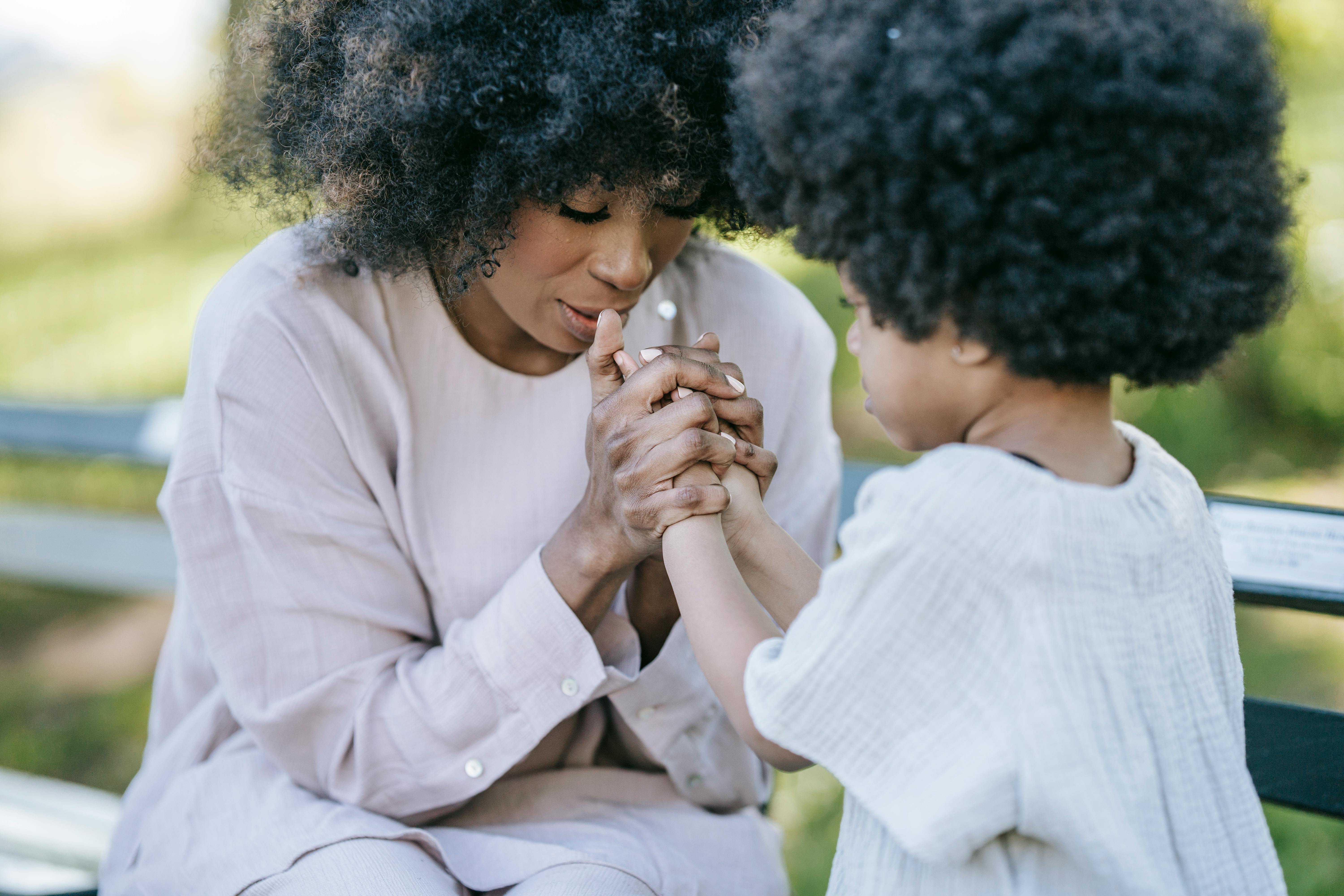
Some kids grew up feeling most accepted when they performed well, behaved perfectly, or reflected well on the family. Praise came easily for achievements, manners, and appearances, but not always for simply being themselves. Over time, affection could start to feel tied to meeting expectations instead of belonging unconditionally.
That can follow people well into adulthood. They may become high achievers who never feel worthy enough, or they may panic at the idea of disappointing others. Kids absolutely need structure and standards, but they also need to know love doesn’t disappear the moment they struggle, fail, or become inconvenient.
6. Dismissing privacy and boundaries

Older parenting norms often treated children as extensions of the household rather than individuals with developing boundaries. Bedroom doors came off hinges, journals got read, conversations got overheard, and personal space was framed as suspicious. Privacy wasn’t viewed as a need; it was seen as something kids had to earn.
The issue is that boundaries are not a reward for adulthood. They’re part of learning identity, autonomy, and trust. When kids grow up with no real sense of personal space, they may later struggle to protect themselves, assert limits, or even recognize when someone else is crossing a line.
7. Parentifying the oldest or most capable child

In plenty of families, one child quietly became the backup adult. They watched younger siblings, managed household tension, translated emotions, or played peacemaker between stressed-out parents. It was often praised as maturity, responsibility, or being “the easy one,” even when that child was carrying way too much.
Parentified kids can look incredibly competent from the outside, but that competence often comes at a cost. They learn to ignore their own needs, over-function in relationships, and feel guilty when they rest. Helping out is one thing; being treated like unpaid emotional staff is something else entirely.
8. Acting like survival alone equals good parenting

A common defense of old-school parenting is that the kids were fed, clothed, and had a roof over their heads. And yes, those things matter. But survival is the baseline, not the full definition of healthy parenting, and many adults are now questioning what was missing emotionally even when material needs were covered.
Children need safety, consistency, warmth, and repair when harm happens. When parents act like providing necessities cancels out cruelty, neglect, or emotional distance, it leaves little room for honest reflection. Raising a child takes more than keeping them alive; it also means helping them feel seen, secure, and human.