
Childhood often teaches lessons without words, especially when kids grow up observing parents who put their own needs first. These patterns, though subtle at times, shape how children understand relationships, responsibility, and even self-worth. Noticing them is the first step toward breaking cycles and creating healthier family dynamics. Each of these seven patterns highlights the quiet but powerful ways children learn from parents who are more focused on themselves than on their kids’ needs.
1. Attention Feels Conditional

Kids notice that love and attention often come when it benefits the parent, not when they truly need support. They begin to associate affection with performance, compliance, or achievement. Parents may appear caring in public while ignoring emotional needs at home. This teaches children to question whether they are valued for who they are or for what they provide. Over time, the child may struggle to form secure attachments, always seeking approval but doubting unconditional love.
2. Conversations Are One-Sided

Children pick up on the fact that their voices often go unheard. Discussions revolve around the parent’s life, stress, or achievements, leaving little space for the child’s experiences. Kids who notice this learn that being quiet or agreeable keeps the peace. Over time, they may minimize their own needs or grow uncomfortable expressing opinions. This lack of balance can echo into adulthood, where they may undervalue their perspectives in friendships, school, or future relationships.
3. Responsibility Falls Unevenly

Self-focused parents sometimes expect kids to take on adult responsibilities, from caring for siblings to managing household chores. Children sense the imbalance and may feel like they are raising themselves. While this can foster independence, it also creates resentment and pressure at a young age. Kids learn early that their needs are secondary to the household’s functioning. The pattern leaves them vulnerable to burnout and difficulty distinguishing between healthy responsibility and unfair burdens.
4. Emotional Support Is Inconsistent

Children notice that comfort and empathy are unreliable. At times, parents may dismiss their feelings, shifting the focus back onto themselves. This inconsistency teaches kids to suppress emotions, believing they will not be understood or validated. They may even begin providing emotional support to the parent instead. Over time, this reversal of roles shapes how they manage relationships, often leading them to prioritize others’ needs over their own well-being in adulthood.
5. Success Becomes a Reflection
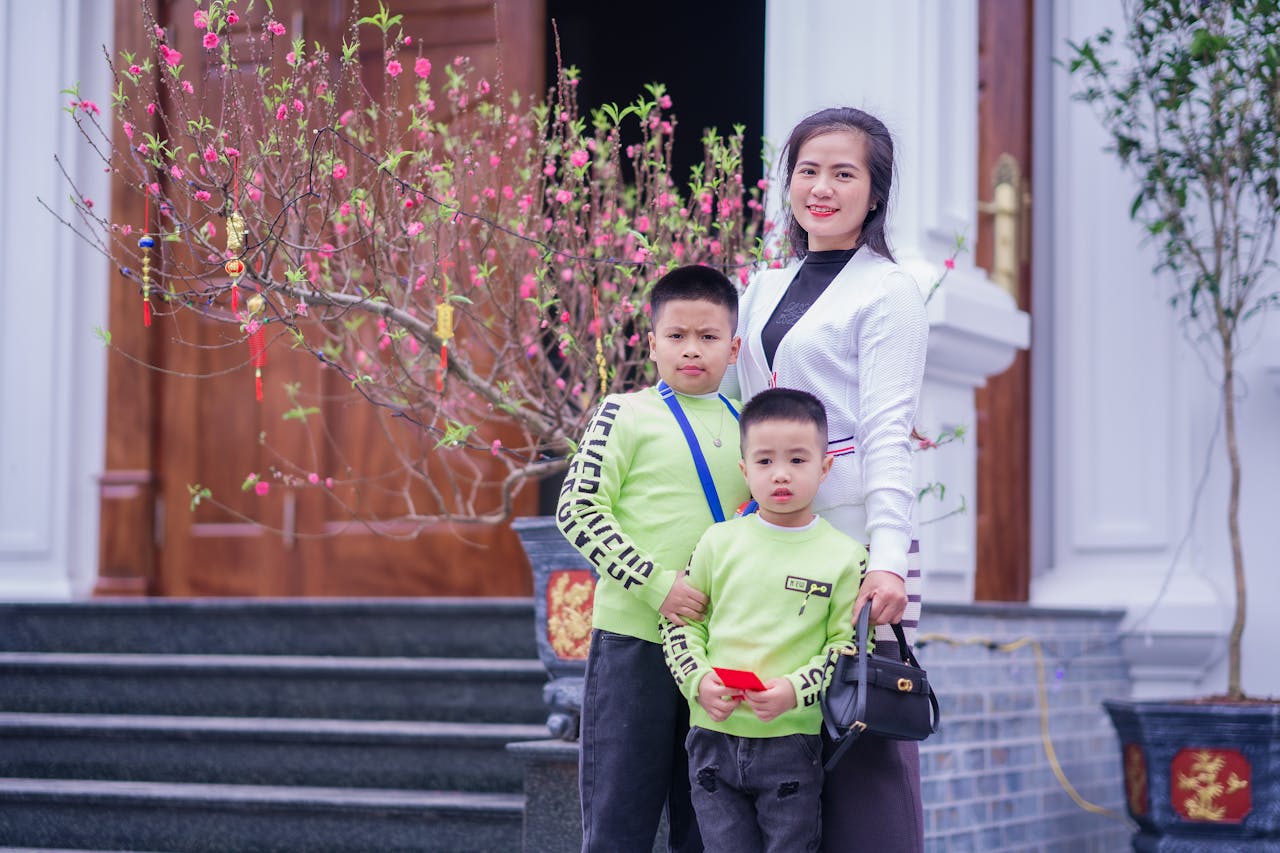
Kids see their accomplishments used as extensions of the parent’s image. Good grades, trophies, or talents are celebrated only when they enhance the parent’s reputation. This leaves children questioning whether their success belongs to them or their parent. The pressure to perform can turn achievements into a source of anxiety rather than pride. Over time, they may tie their worth to external validation, struggling to separate personal identity from the expectations of others.
6. Boundaries Are Frequently Ignored

Children notice that privacy and personal space often do not exist with self-focused parents. Journals may be read, decisions overridden, or opinions dismissed. Kids internalize the idea that their autonomy is not respected. This creates confusion about where healthy boundaries should exist in relationships. As they grow, they may either allow others to overstep or guard themselves excessively. Both responses stem from early lessons that their needs were secondary to parental control.
7. Affection Feels Transactional

Affection from self-focused parents often comes with strings attached. Kids sense that praise, hugs, or rewards are tied to compliance or meeting expectations. This makes love feel like a currency to be earned rather than something freely given. Children raised this way may struggle to trust intimacy later in life, unsure whether kindness is genuine. Recognizing this pattern is vital to breaking cycles and learning that love should not come with conditions or demands.
Children growing up around self-focused parents notice patterns that shape how they see themselves and others. From conditional attention to blurred boundaries, these lessons are powerful but not permanent. Families can heal by recognizing these dynamics, discussing them openly, and building healthier habits. Kids deserve to know that love is not a transaction and their voices matter. With awareness, the cycle can be broken, leading to stronger, more supportive relationships for the next generation.