As 2025 approaches, designers are noticing a clear shift in how people want their homes to feel at the start of a new year. The focus is moving away from dramatic makeovers and fast trends toward aesthetics that support clarity, calm, and everyday functionality. These looks are not about impressing guests or chasing social media moments. They are about creating environments that feel grounding after years of visual overload. The aesthetics taking over 2025 are subtle, practical, and surprisingly emotional, designed to support how people actually live rather than how homes are photographed.
Soft Reset Minimalism Instead of Stark Minimalism
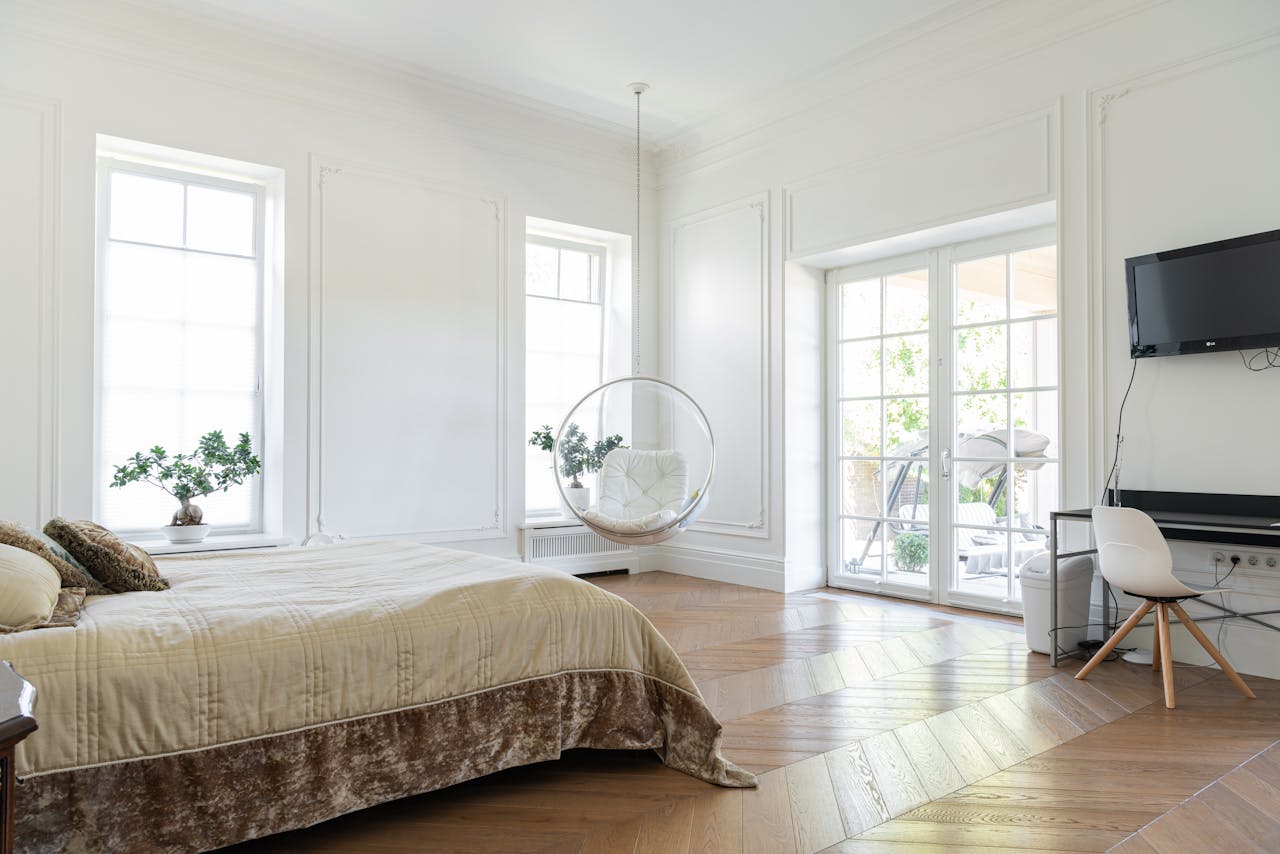
Designers are replacing cold, empty minimalism with what they call a soft reset approach. Spaces still feel uncluttered, but they include warmth through texture, curved shapes, and personal objects. Think fewer items, but not fewer feelings. Natural fabrics, rounded furniture, and gentle color variations make rooms feel lived in rather than bare. This aesthetic works for the New Year because it supports mental clarity without creating emotional distance. Homes feel calmer, not unfinished. The goal is rest, not restraint.
Low Contrast Color Palettes That Calm the Nervous System
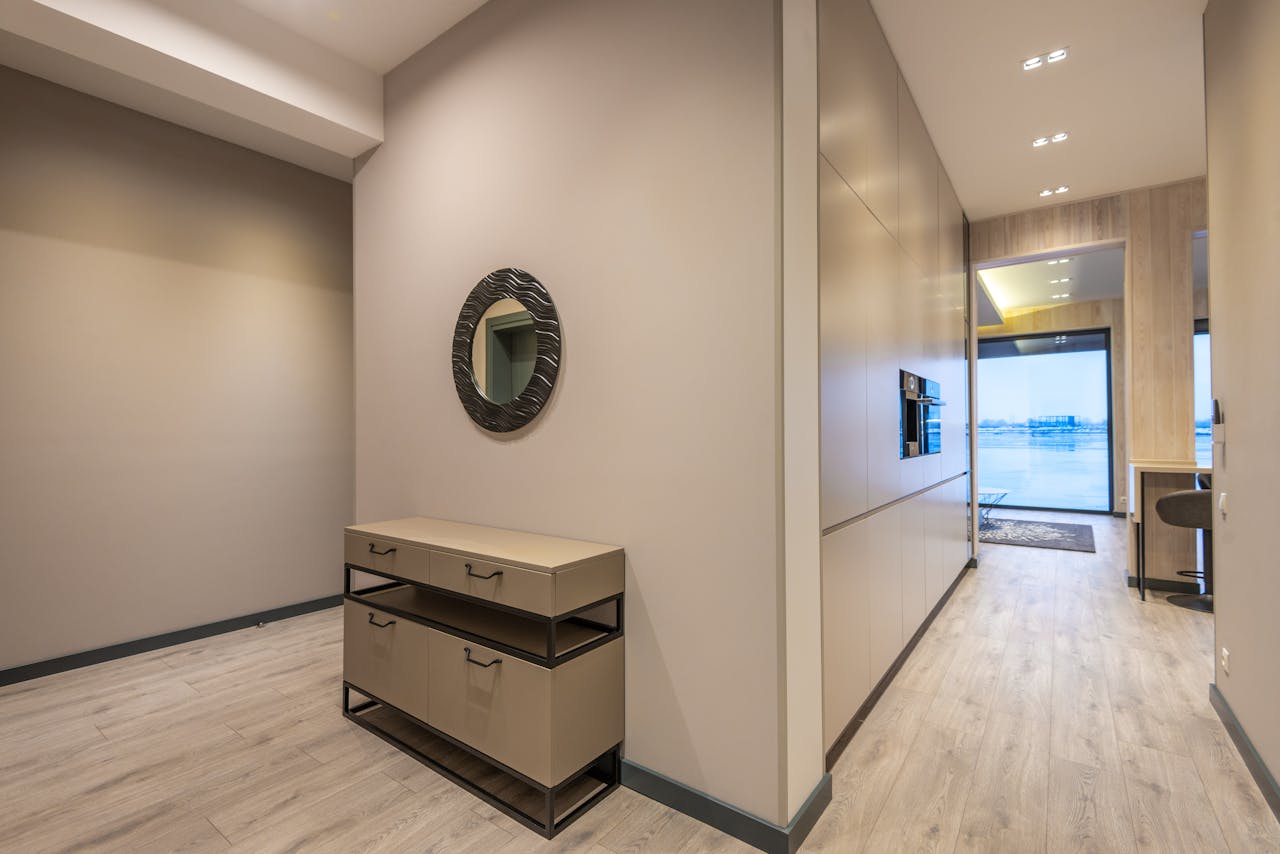
High contrast interiors are giving way to softer palettes built from closely related tones. Designers are layering creams, taupes, muted greens, and soft grays to create visual continuity. This reduces visual noise and helps rooms feel cohesive throughout the day. The aesthetic is especially popular for New Year resets because it promotes focus and emotional ease. Instead of statement colors, the room itself becomes the statement. Subtle variation replaces dramatic contrast, making spaces feel stable and grounding.
Functional Beauty Over Decorative Excess
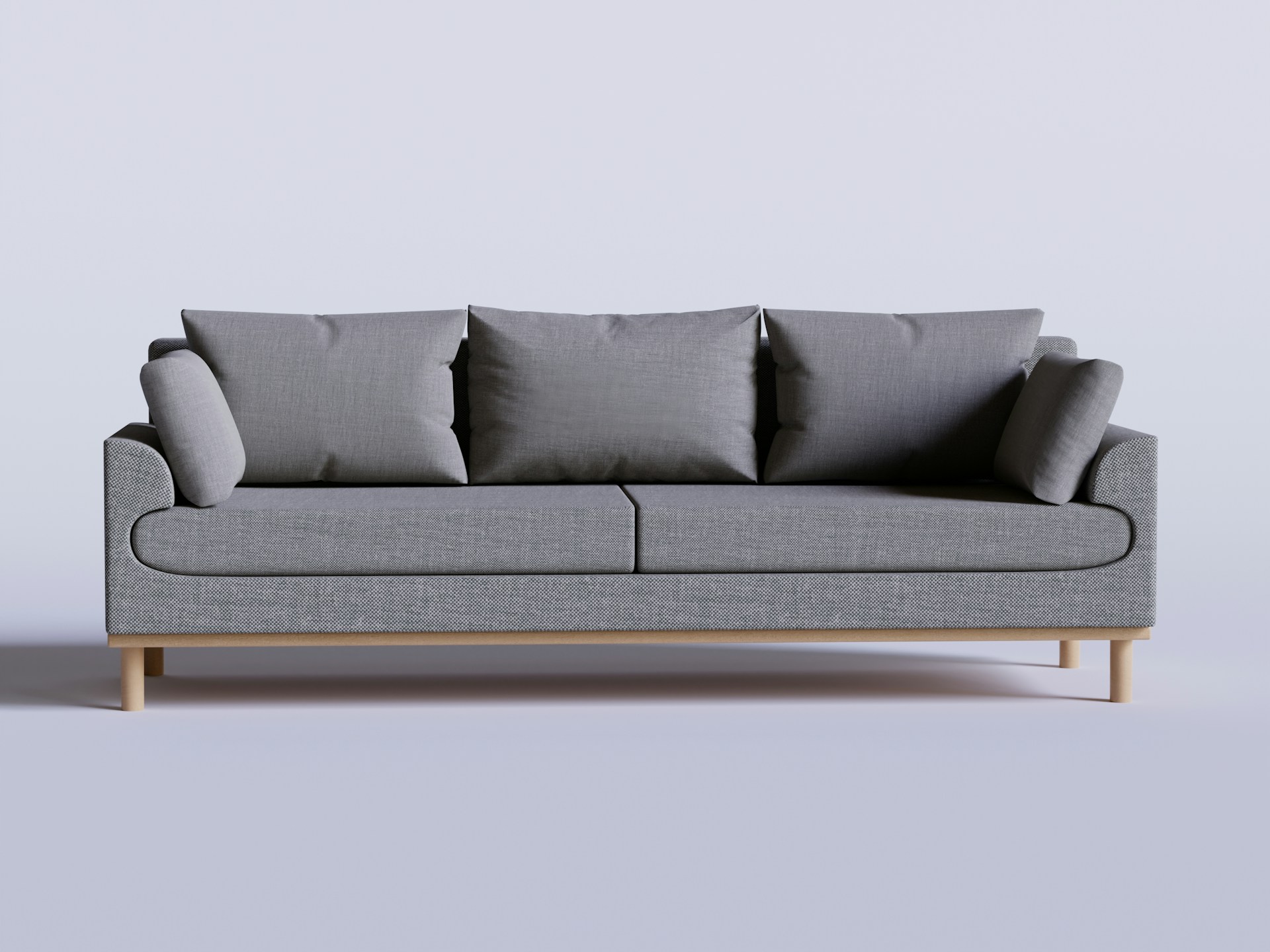
In 2025, designers are prioritizing items that serve a clear purpose while still looking beautiful. Storage that doubles as seating, lighting that defines mood, and furniture that supports daily routines are replacing purely decorative pieces. This aesthetic values usefulness without sacrificing design. It resonates with New Year intentions centered on simplicity and efficiency. Homes feel supportive rather than performative. Every object earns its place, which reduces clutter and decision fatigue over time.
Visible Craft and Handmade Details
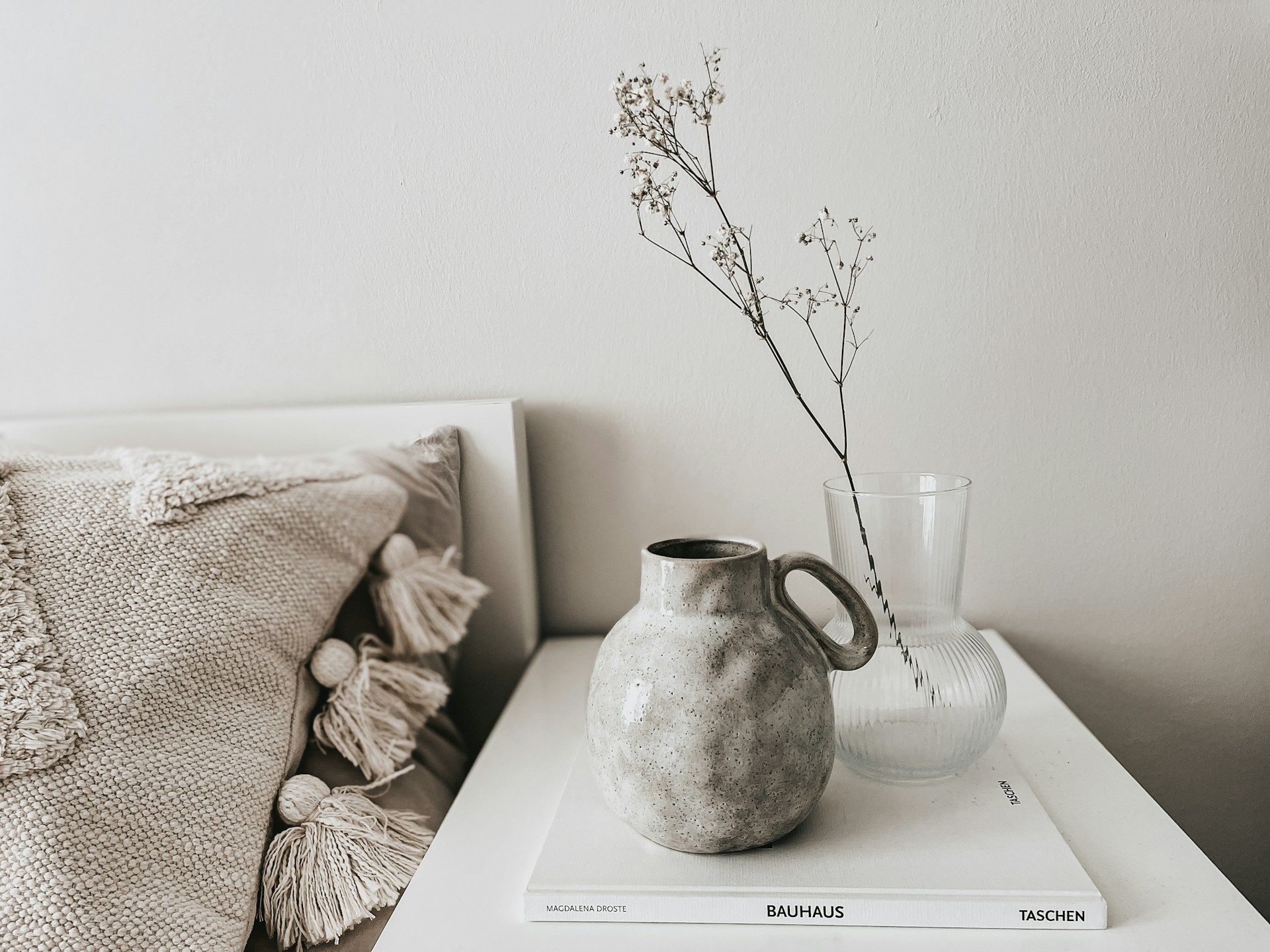
Mass produced perfection is losing appeal as designers lean into visible craftsmanship. Hand thrown ceramics, imperfect wood finishes, and textiles with subtle irregularities add character and warmth. These details make homes feel human and grounded, which aligns with the desire for authenticity in 2025. The aesthetic encourages slowing down and appreciating process over polish. Each piece tells a quiet story, making spaces feel personal rather than styled. Imperfection becomes the design feature.
Quiet Zones Designed for One Person
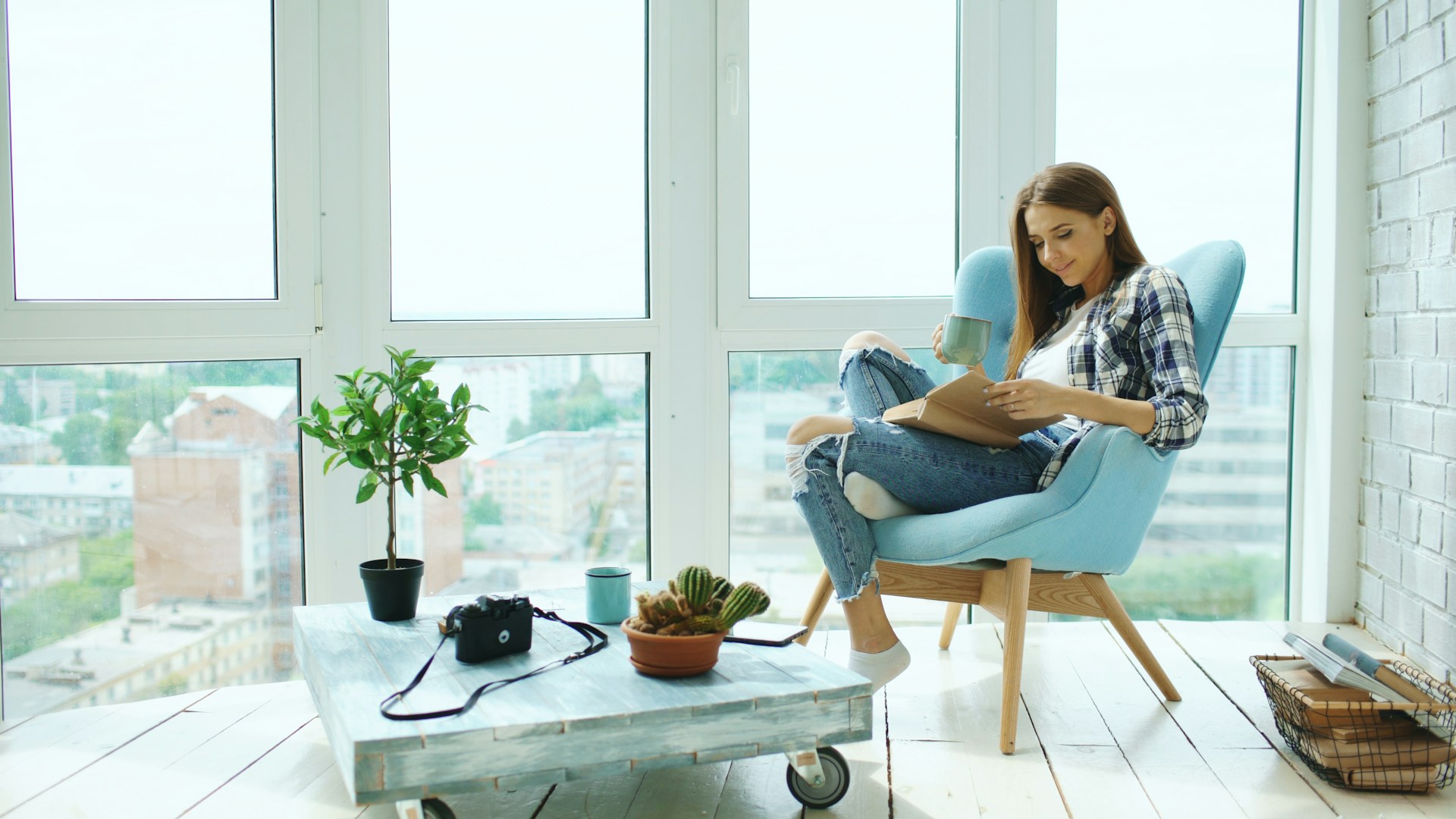
Designers are intentionally creating small areas meant for solo use rather than shared activity. Reading corners, window seats, meditation nooks, and single chair spaces are becoming essential. This aesthetic reflects the need for personal decompression after constant digital engagement. The New Year focus shifts toward self regulation and rest. Homes acknowledge individual needs instead of only social ones. These quiet zones add emotional balance without requiring extra square footage.
Soft Lighting Layers That Change With the Day
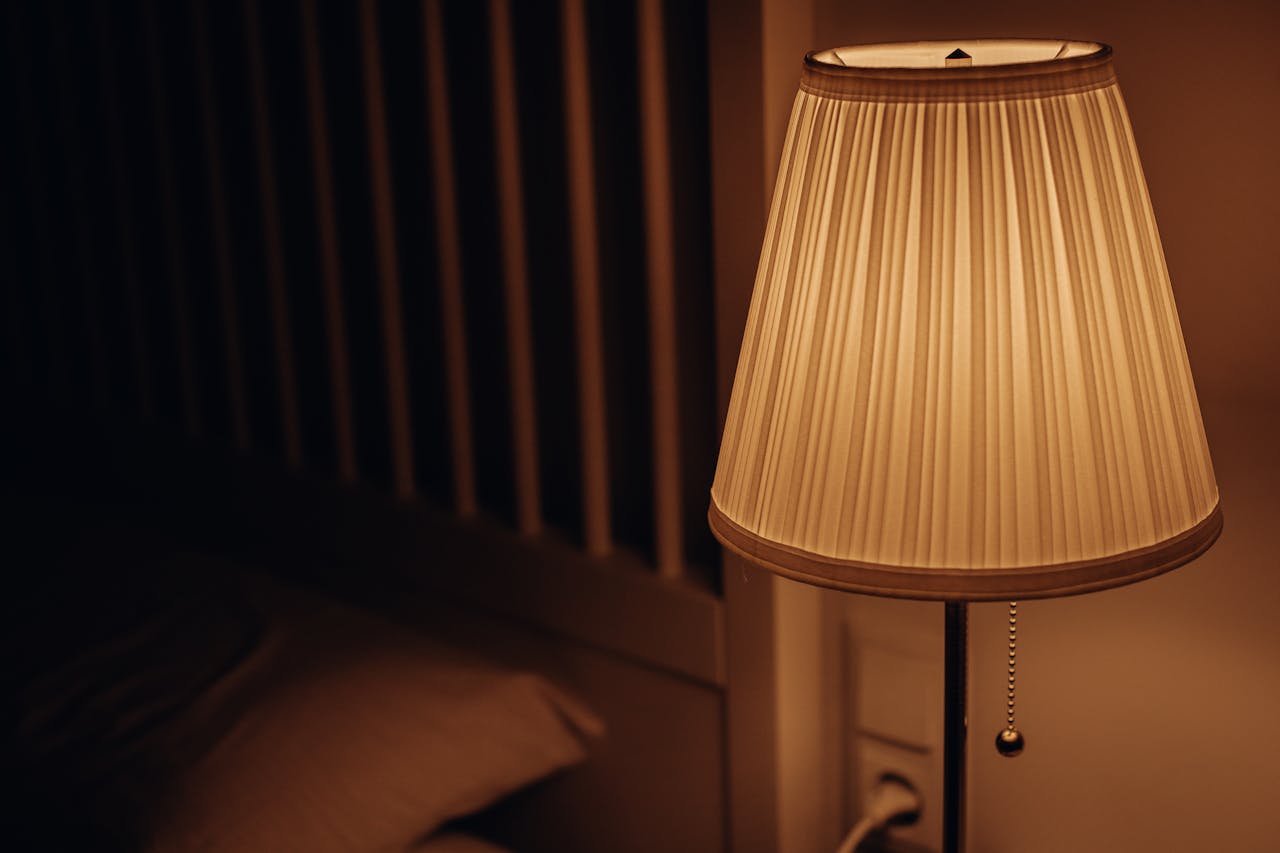
Instead of relying on one central light source, 2025 interiors use layered lighting that adapts to time and mood. Table lamps, wall sconces, and warm ambient light create flexibility and comfort. Designers emphasize lighting that supports circadian rhythms and evening calm. This aesthetic improves how spaces feel without changing furniture or layout. Light becomes an active design element. Homes feel more welcoming and less overstimulating as the day winds down.
Nature Referenced Without Being Literal
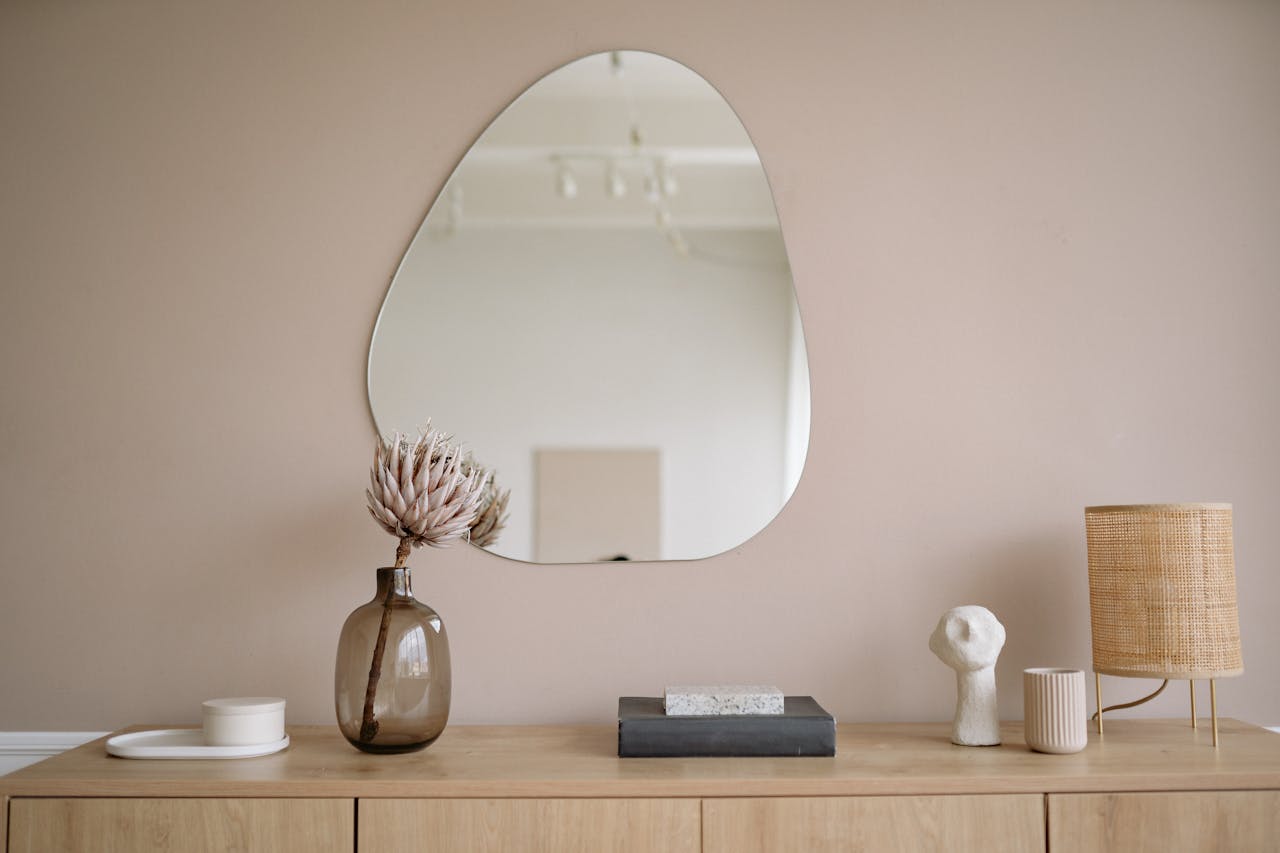
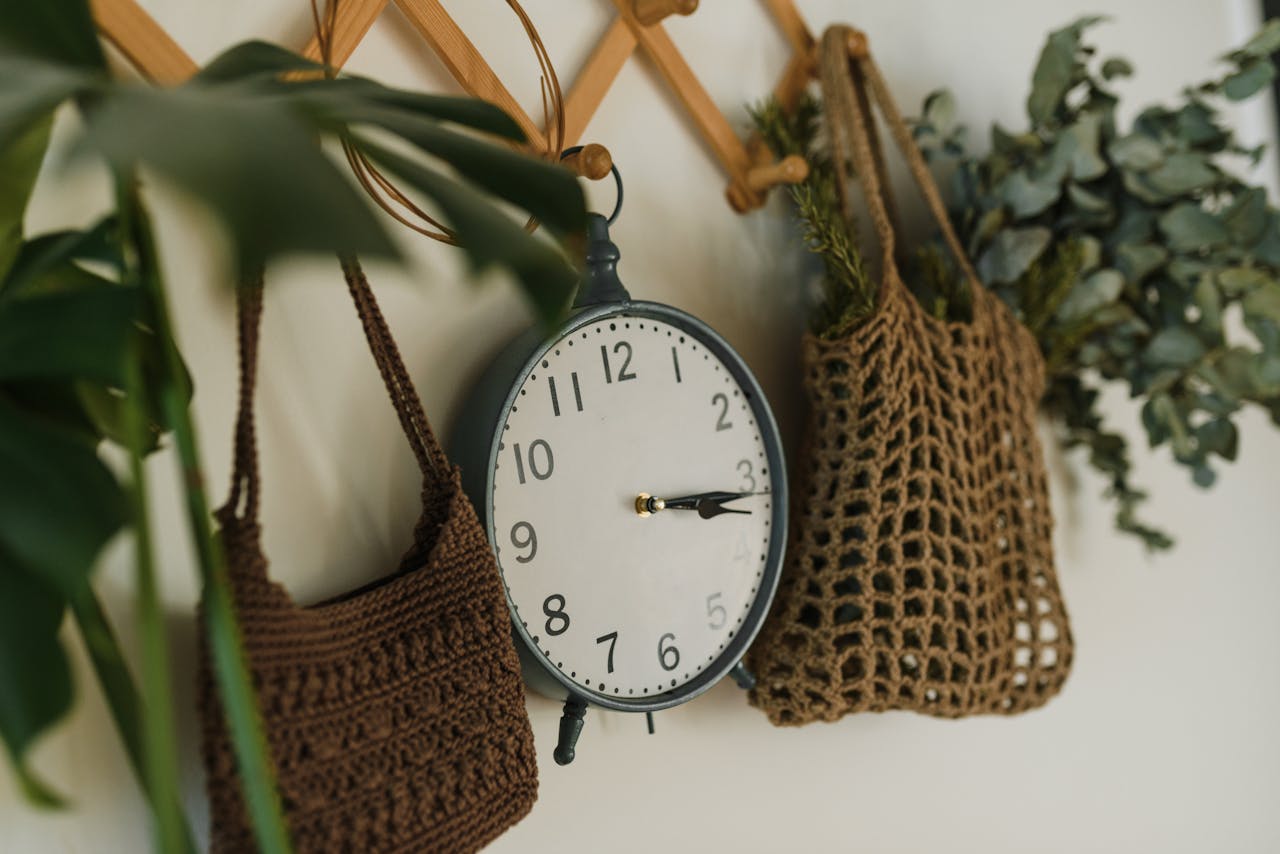
Designers are moving away from obvious nature themes and toward subtle references. Organic shapes, earthy tones, stone textures, and plant inspired forms appear without direct motifs. This creates a grounded feeling without themed decor. The aesthetic supports a sense of renewal associated with the New Year while remaining timeless. Nature influences mood rather than decor. The result feels calm, modern, and quietly restorative.
The New Year aesthetics defining 2025 are not about dramatic change. They are about refinement, intention, and emotional comfort. Designers are responding to burnout, overstimulation, and the desire for homes that support daily life rather than distract from it. These trends succeed because they are adaptable and personal rather than prescriptive. When a home feels calm and functional, the New Year reset lasts longer than January. Good design in 2025 is less about style statements and more about how a space makes you feel every day.