The story of Native American history is one of resilience, artistry, and enduring cultural legacy. Across the United States, museums dedicated to Indigenous heritage are preserving traditional crafts, oral histories, and records of both triumph and tragedy. These spaces are more than repositories of artifacts—they are places of living culture, where visitors can learn from past experiences while engaging with present-day voices. The following museums stand out for their dedication to honoring truth, celebrating identity, and deepening understanding.
National Museum of the American Indian – Washington, D.C.
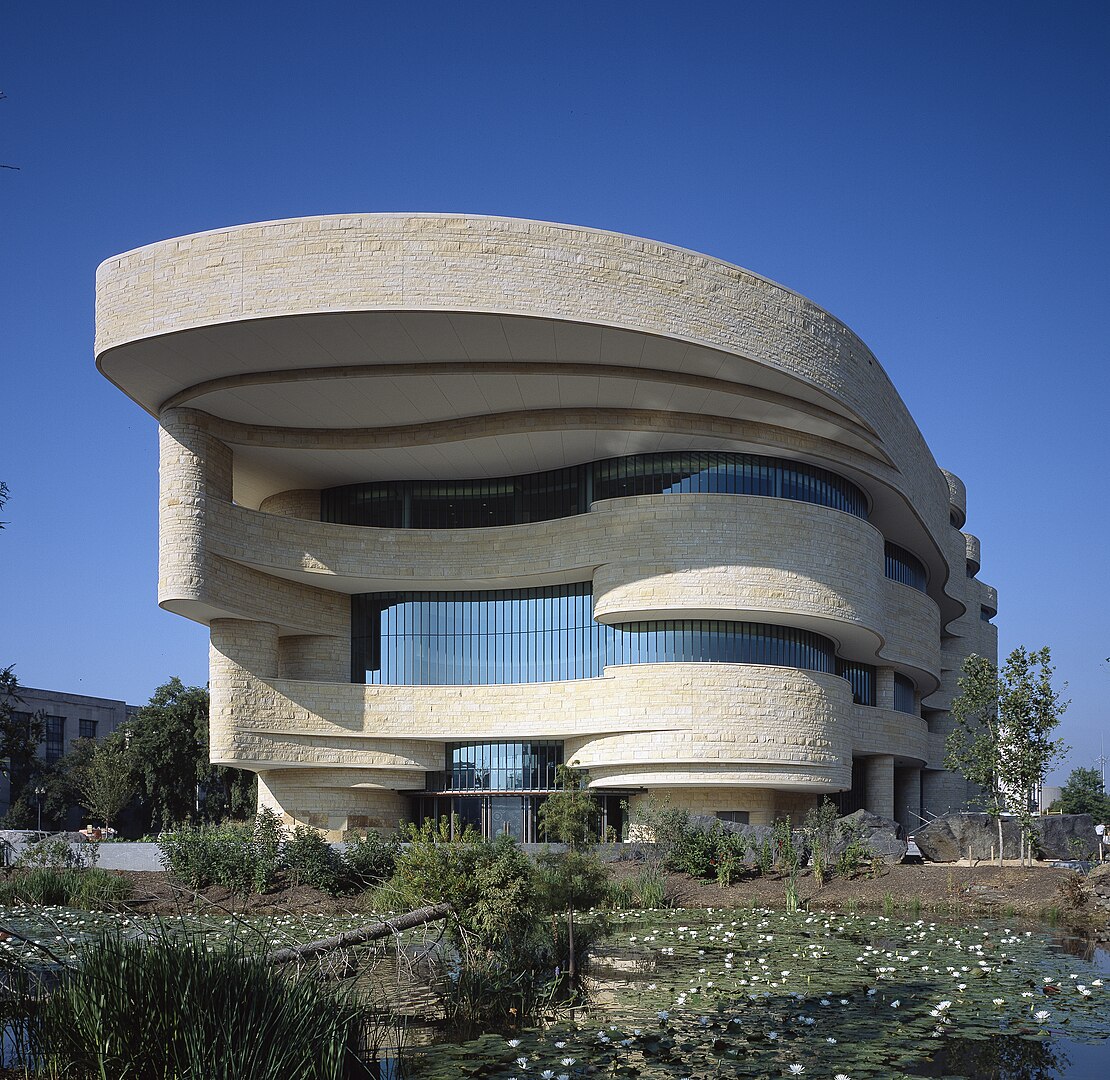
Located on the National Mall, this Smithsonian institution tells the story of Indigenous peoples across the Americas through art, ceremonial objects, and contemporary exhibits. Its architecture, inspired by natural rock formations and Native traditions, sets the tone for an immersive experience. Visitors encounter narratives told in the voices of Native communities, spanning from ancient history to modern activism. The museum also hosts cultural festivals, performances, and lectures, ensuring that Indigenous traditions remain vibrant and visible.
Heard Museum – Phoenix, Arizona
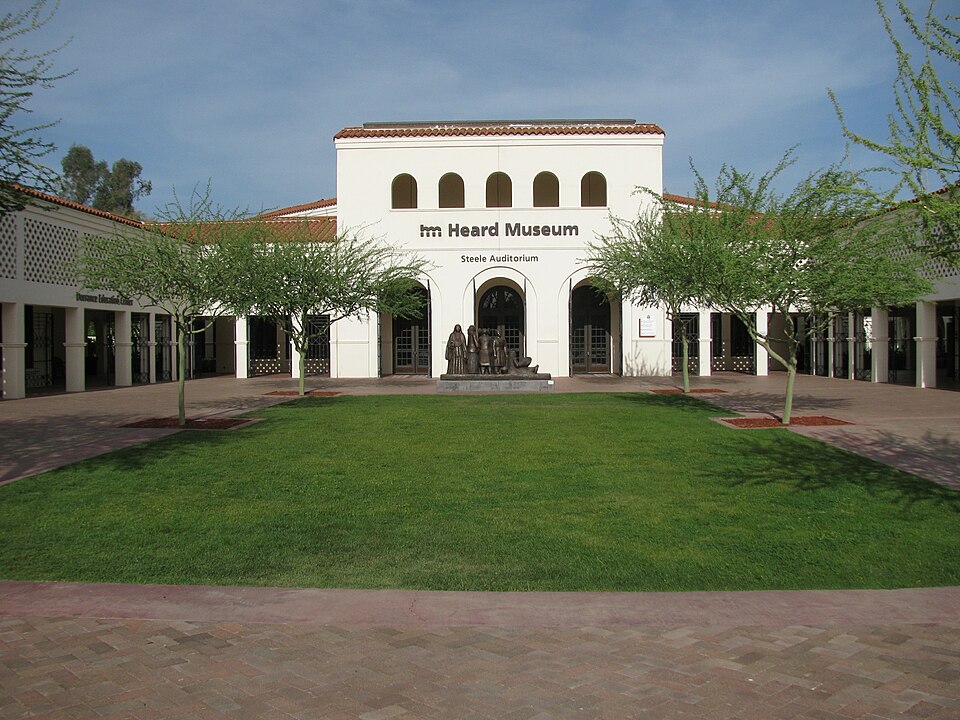
Founded in 1929, the Heard Museum has become a cornerstone for the preservation and interpretation of Native American art. Its collections include intricate Hopi katsina dolls, Navajo textiles, and works by contemporary Indigenous artists. One of its most powerful exhibits documents the history and impact of Indian boarding schools, giving voice to survivors and their families. The museum balances these difficult truths with celebrations of resilience and creativity through seasonal markets and art events.
Eiteljorg Museum of American Indians and Western Art – Indianapolis, Indiana
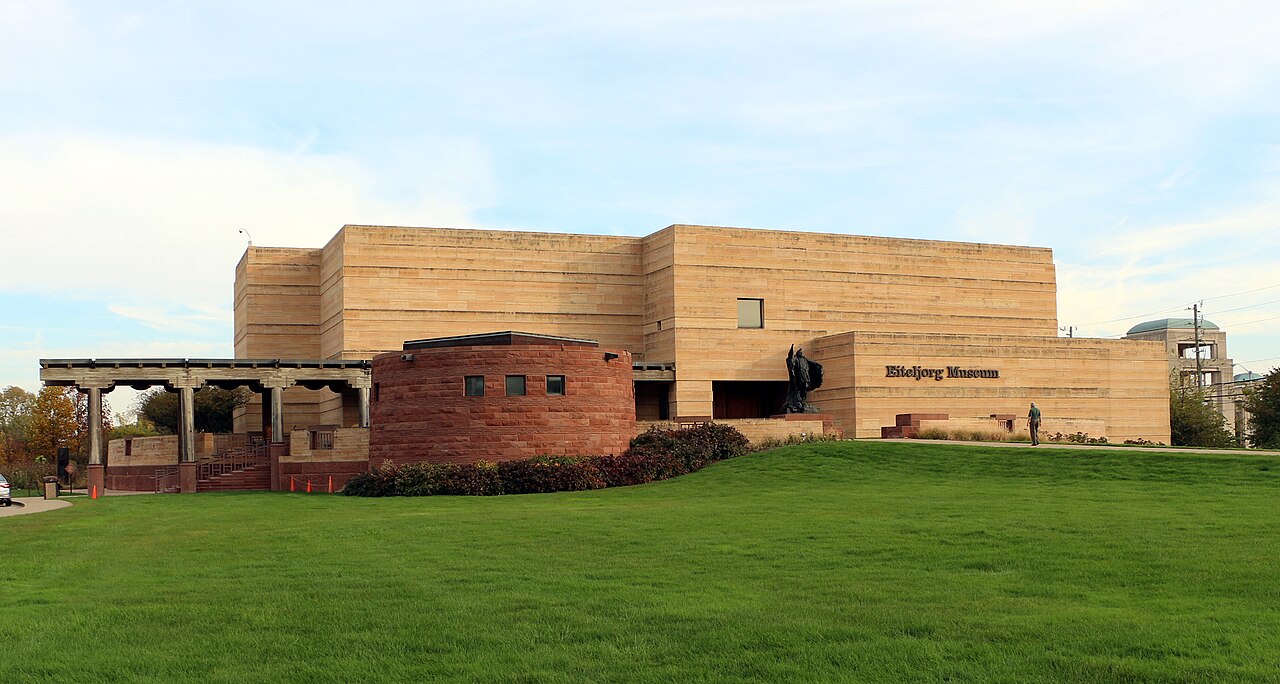
The Eiteljorg Museum offers an expansive look at both Native American and Western art, fostering dialogue between two intertwined histories. Its Native collections span centuries, from pre-contact artifacts to modern multimedia installations. Exhibits focus on the diversity of tribal cultures, with attention to regional differences in art, dress, and belief systems. Through its artist-in-residence programs, visitors can watch Indigenous creators bring new work to life.
Mashantucket Pequot Museum and Research Center – Mashantucket, Connecticut
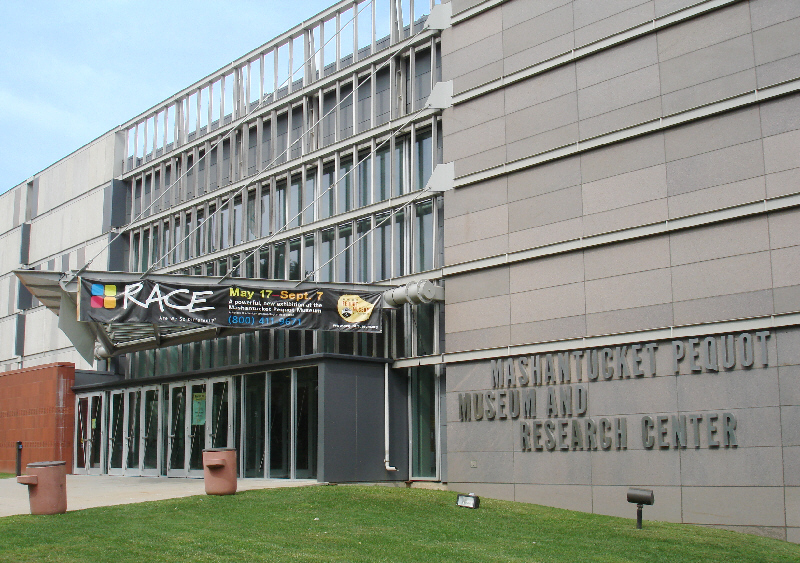
Operated by the Mashantucket Pequot Tribal Nation, this museum combines history, anthropology, and environmental science to tell the story of the Pequots and other Native peoples. Visitors can explore life-size dioramas, reconstructed villages, and detailed accounts of early colonial encounters. The museum’s research center supports the documentation and preservation of tribal histories. It serves as both an educational resource and a cultural hub for the local Native community.
Museum of Indian Arts and Culture – Santa Fe, New Mexico
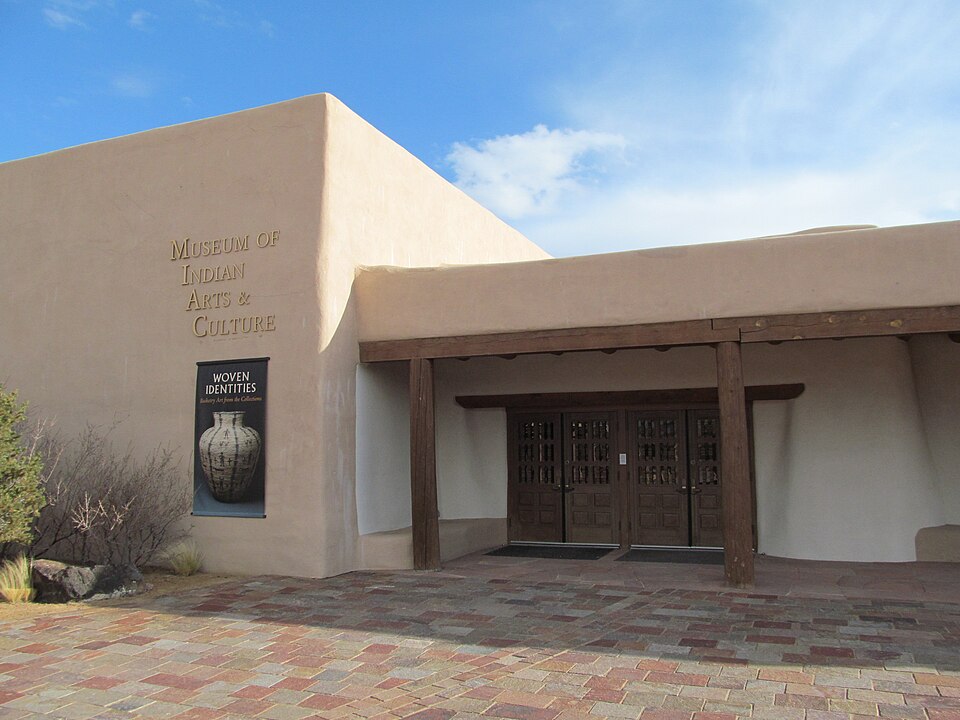
Set in the heart of the Southwest, this museum highlights the art, history, and culture of the Native peoples of the region. Collections feature pottery, jewelry, and textiles that reflect centuries of craftsmanship and adaptation. The museum actively works with tribal communities to curate exhibits that are accurate and respectful. Seasonal programs, including storytelling and craft workshops, invite visitors to participate in living traditions.
Alaska Native Heritage Center – Anchorage, Alaska
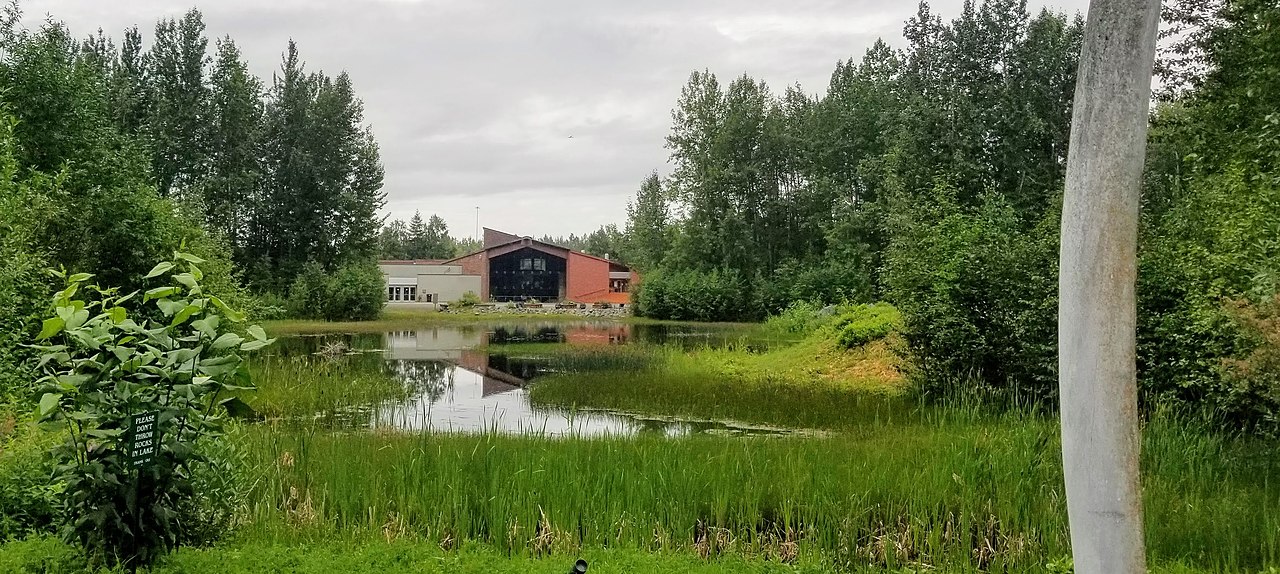
This cultural center and museum introduces visitors to the diverse Indigenous peoples of Alaska through exhibits, performances, and interactive experiences. Outdoor village sites represent different Native groups, allowing guests to step into traditional structures and learn about subsistence lifestyles. Inside, storytelling, dance, and art demonstrations connect the past to the present. The center also plays an important role in cultural preservation, offering educational programs for Native youth.
Cherokee Heritage Center – Tahlequah, Oklahoma
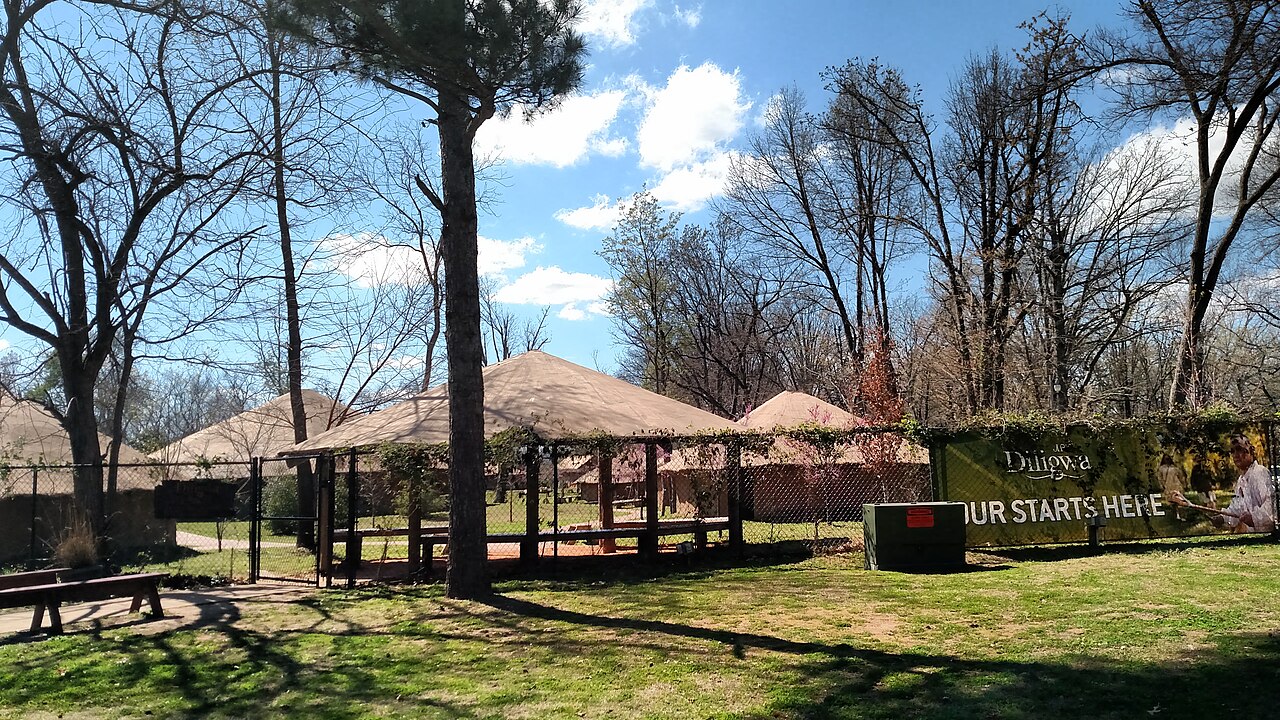
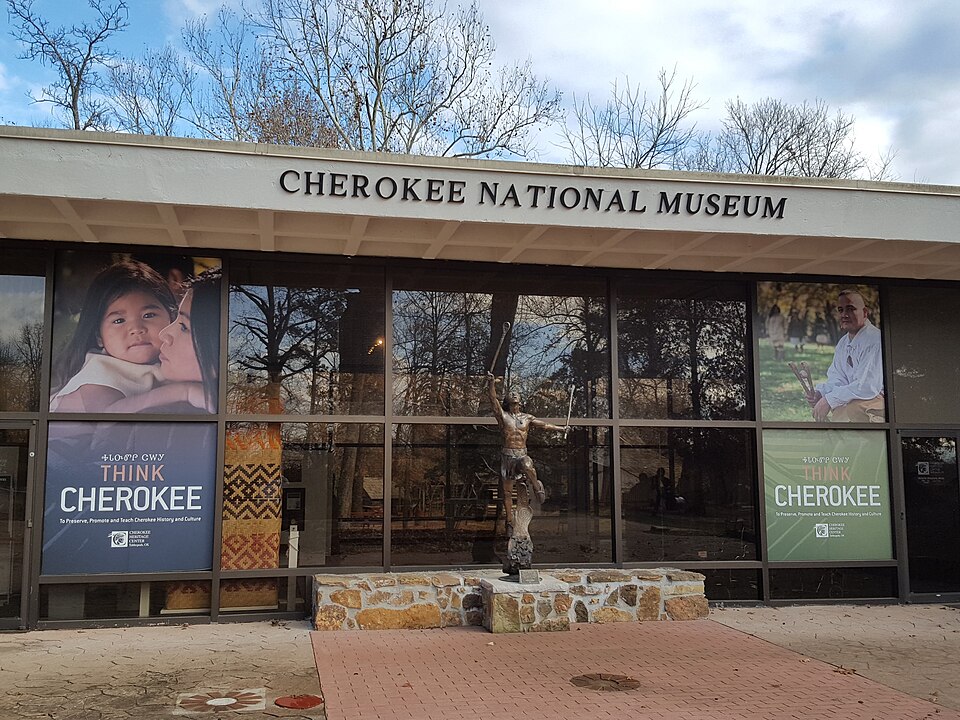
The Cherokee Heritage Center preserves the history of the Cherokee Nation from pre-contact through modern times. Its most striking feature is Diligwa, a reconstructed 18th-century Cherokee village where interpreters demonstrate traditional crafts, cooking, and agricultural techniques. The center also documents the history of the Trail of Tears, providing a sobering yet essential perspective on forced removal. Exhibits emphasize the endurance and adaptability of the Cherokee people, keeping cultural memory alive for future generations.