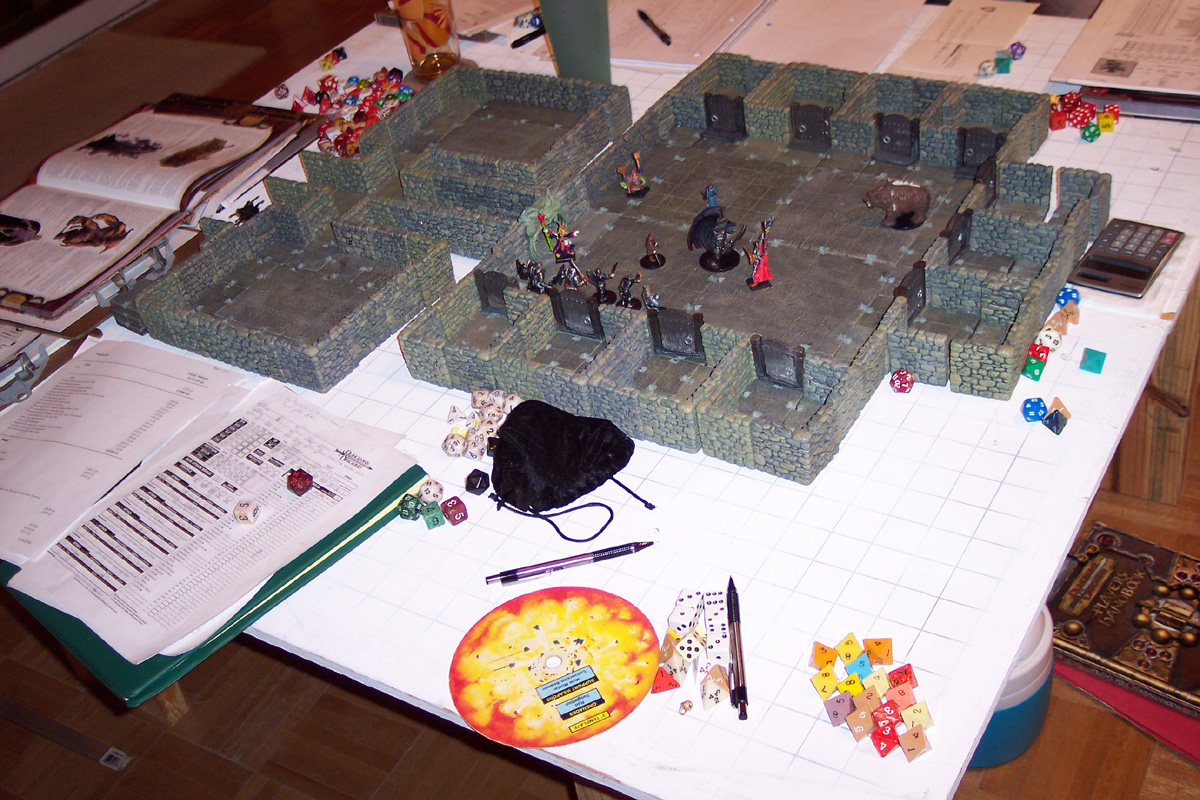
Since its creation in the 1970s, Dungeons & Dragons (D&D) has inspired countless fans, from casual players to dedicated role-players. Despite its popularity, the game has been surrounded by myths, misconceptions, and stereotypes that persist even today. These myths often misrepresent players’ personalities, social lives, and creativity. Looking back, many of these ideas are not only outdated but also unfair, highlighting how society misunderstood the role of imaginative gaming in culture.
D&D encourages violence

Critics have often claimed that playing D&D promotes violent behavior. In reality, the game emphasizes problem-solving, cooperation, and ethical decision-making. Players engage in storytelling and strategy rather than real-life aggression. Studies have shown that tabletop role-playing can foster empathy and social skills, debunking the idea that D&D encourages harmful behavior.
Only men play
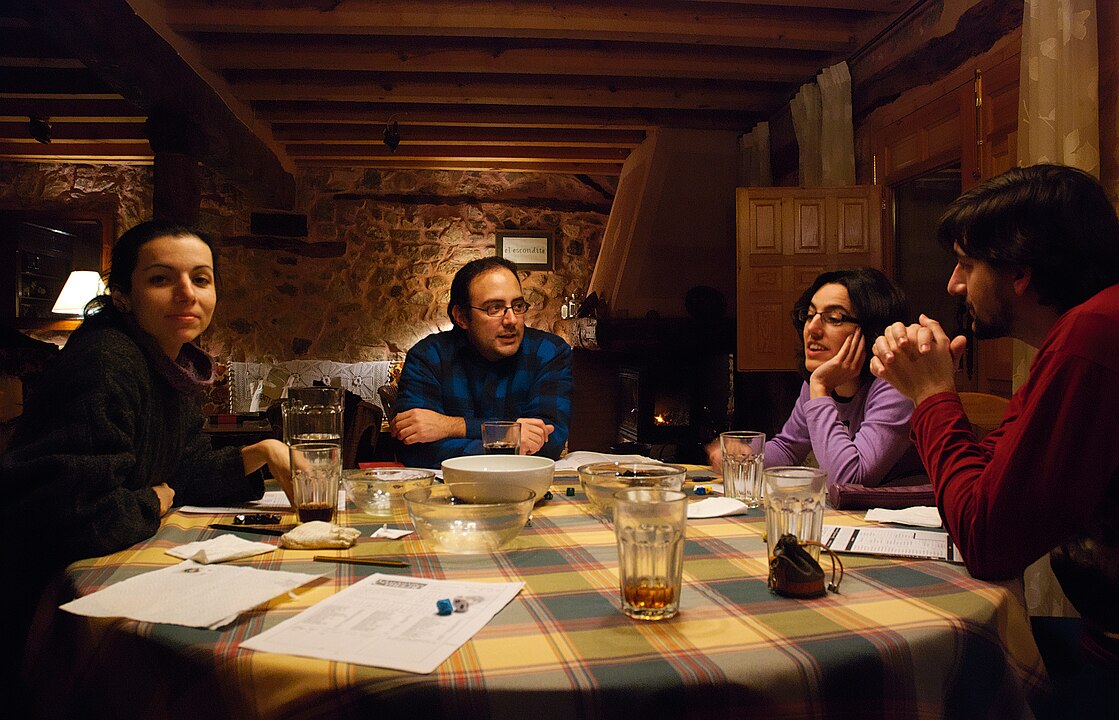
Historically, D&D was associated with male players, but women have been active participants since the early days. Female players contribute equally to campaigns, character creation, and storytelling. Today, gender diversity in tabletop gaming is increasingly recognized and celebrated. The myth that D&D is “male-only” no longer reflects reality.
It’s only for kids
Some believe D&D is a childish game for teens or young adults. While the game can be accessible to all ages, its complex mechanics, strategy, and storytelling appeal to adults as well. Professional creatives, teachers, and businesspeople engage in D&D campaigns. Age is irrelevant; imagination and strategy are the real draw.
Players are anti-social
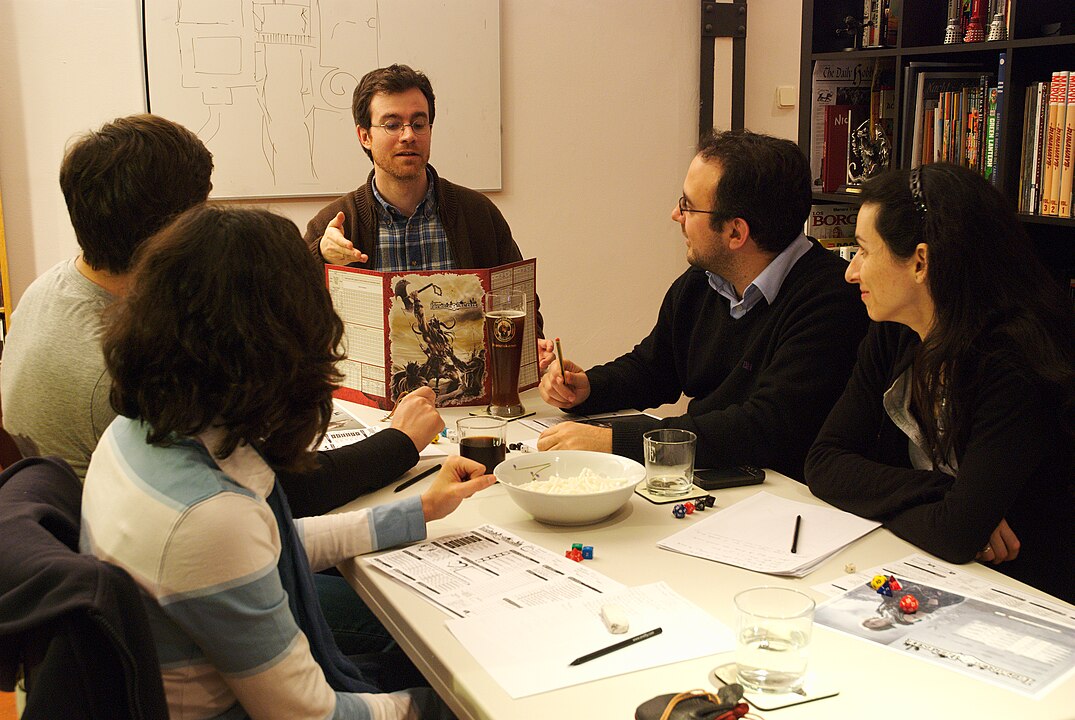
Another misconception is that D&D players avoid mainstream social activities. In truth, many players balance gaming with work, school, and social events. The game often serves as a way to connect and build friendships, not isolate oneself. Modern campaigns often take place in person or online, fostering collaboration and social engagement.
Players are “geeks” or “weird”
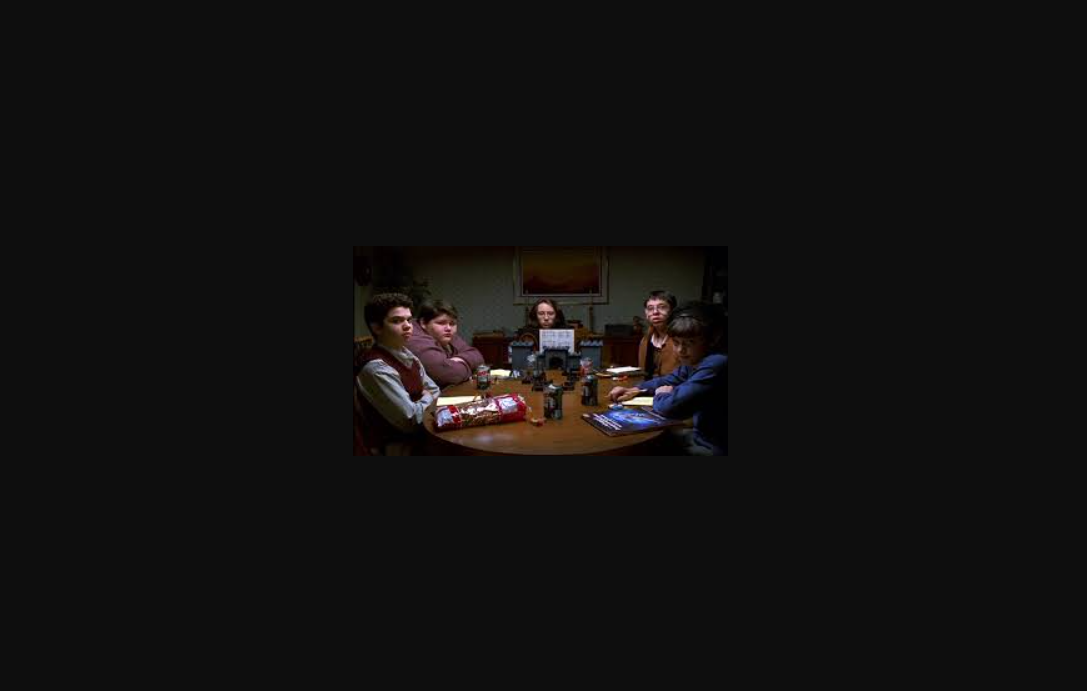
The term “geek” has historically been used to stereotype D&D enthusiasts. In reality, players are highly creative, analytical, and strategic. Many use D&D as a tool for storytelling, problem-solving, and social interaction. Society’s perception of “weirdness” has shifted, and tabletop gaming is increasingly mainstream.
It promotes escapism
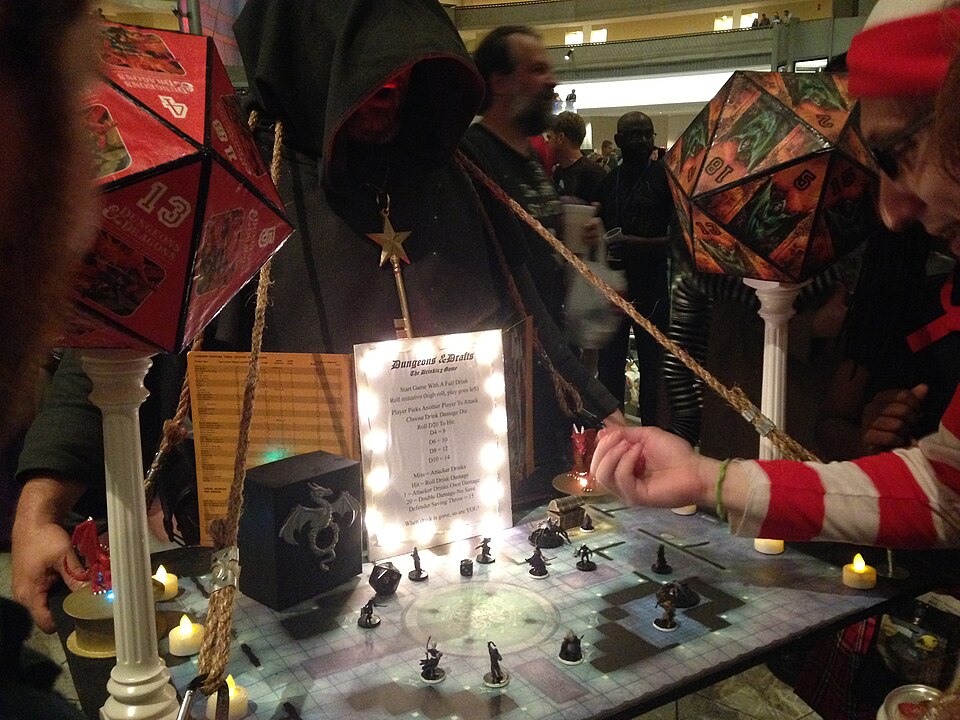
Critics argue that D&D encourages players to escape reality. While role-playing allows imaginative exploration, it also fosters critical thinking, ethical decision-making, and teamwork. Escapism is balanced by creativity, social bonding, and intellectual engagement. Modern research highlights positive cognitive and social benefits of role-playing games.
Only for tabletop purists

Some believe D&D can only be played with physical dice, character sheets, and miniatures. In reality, digital platforms, apps, and online tools have expanded accessibility. Players can enjoy the game remotely, using virtual maps and dice-rolling tools. The flexibility has made D&D more inclusive and adaptable than ever before.