
From bland office towers to sleek tech campuses, some of the most explosive scandals in recent memory started in places that looked totally normal from the outside. Behind conference rooms, sales floors, and engineering labs, everyday work routines hid decisions that eventually stunned the public. These seven cases show how quickly an ordinary workplace can become the center of a national reckoning.
1. Enron’s Houston Headquarters
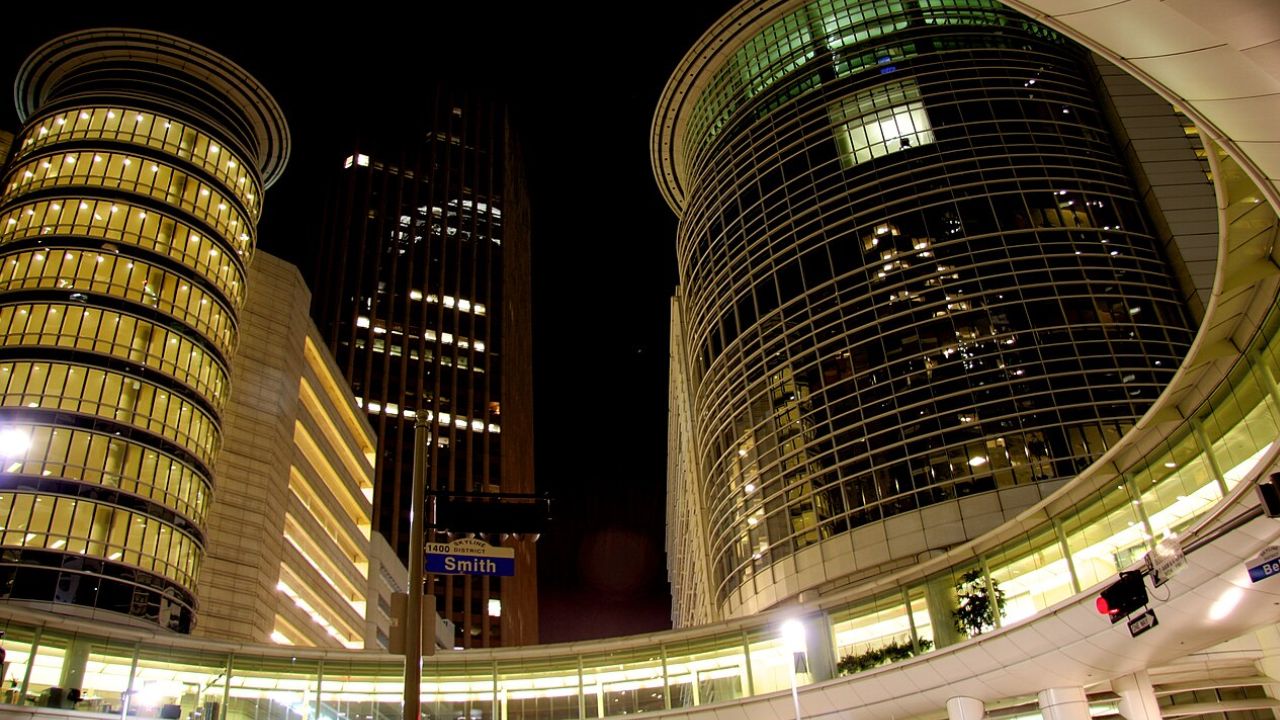
For a while, Enron’s offices looked like the ultimate symbol of American corporate success. Inside the Houston headquarters, traders and executives projected confidence, even as the company’s books were being manipulated to make losses disappear and profits look bigger than they really were.
When the scandal broke in 2001, that polished workplace suddenly became shorthand for corporate fraud. Employees lost jobs and retirement savings, investors were wiped out, and Arthur Andersen collapsed along with Enron’s credibility.
2. Theranos and the Silicon Valley Lab

Theranos sold a dream straight out of startup mythology: tiny blood samples, big medical breakthroughs, and a sleek office culture that made the company feel unstoppable. But behind the branding and secrecy, employees were raising alarms that the technology simply did not work as promised.
As investigations intensified, the company’s lab and offices went from futuristic workplace to evidence scene. What had been marketed as innovation became a cautionary tale about hype, pressure, and the danger of believing charisma over science.
3. Wells Fargo’s Sales Floors

At Wells Fargo, the scandal did not begin with some shadowy back room. It grew out of ordinary bank branches and sales offices, where employees were pushed to hit aggressive targets and, in many cases, opened accounts customers never asked for.
That made the story hit especially hard. The workplace looked familiar to millions of Americans, but the culture behind the counters became a national symbol of how relentless quotas can warp everyday behavior and damage trust in a household name.
4. Uber’s Corporate Offices

Uber’s headquarters once embodied the swagger of fast-growing tech culture. The company was celebrated for disruption and speed, but former employees described a workplace shaped by harassment complaints, power imbalances, and a broader culture that rewarded rule-bending.
In 2017, those office stories burst into public view and changed the company’s image almost overnight. Instead of a bold startup rewriting transportation, Uber became a case study in what happens when internal culture is ignored until it becomes impossible to contain.
5. Volkswagen’s Engineering Offices

Volkswagen’s scandal was especially jarring because it struck at a place associated with precision and reliability. In offices and engineering departments, software was developed that allowed diesel vehicles to cheat emissions tests while appearing compliant to regulators.
When Dieselgate erupted in 2015, those ordinary workspaces suddenly stood for deception on a global scale. The fallout went far beyond one company, shaking public faith in an industry and tarnishing Germany’s reputation for exacting engineering standards.
6. Equifax’s Data Security Workplace

Credit reporting is not glamorous, which is partly why the Equifax breach felt so unsettling. In a fairly standard corporate environment, teams handling sensitive data failed to prevent a cyberattack that exposed personal information for 143 million Americans.
Once the breach became public in 2017, attention turned to the workplace decisions behind it. The issue was no longer just hackers, but whether a routine office culture had treated cybersecurity as a box to check instead of a constant responsibility.
7. Luckin Coffee’s Back Offices

Luckin Coffee expanded at lightning speed, presenting itself as a modern challenger brand with app-driven convenience and a fresh corporate image. But behind the upbeat storefronts and back-office spreadsheets, the company was accused of fabricating more than $300 million in sales.
That revelation turned a fast-growing coffee workplace into a finance scandal with international consequences. What looked like sharp execution and explosive growth was recast as a story about manipulated numbers and performance theater.