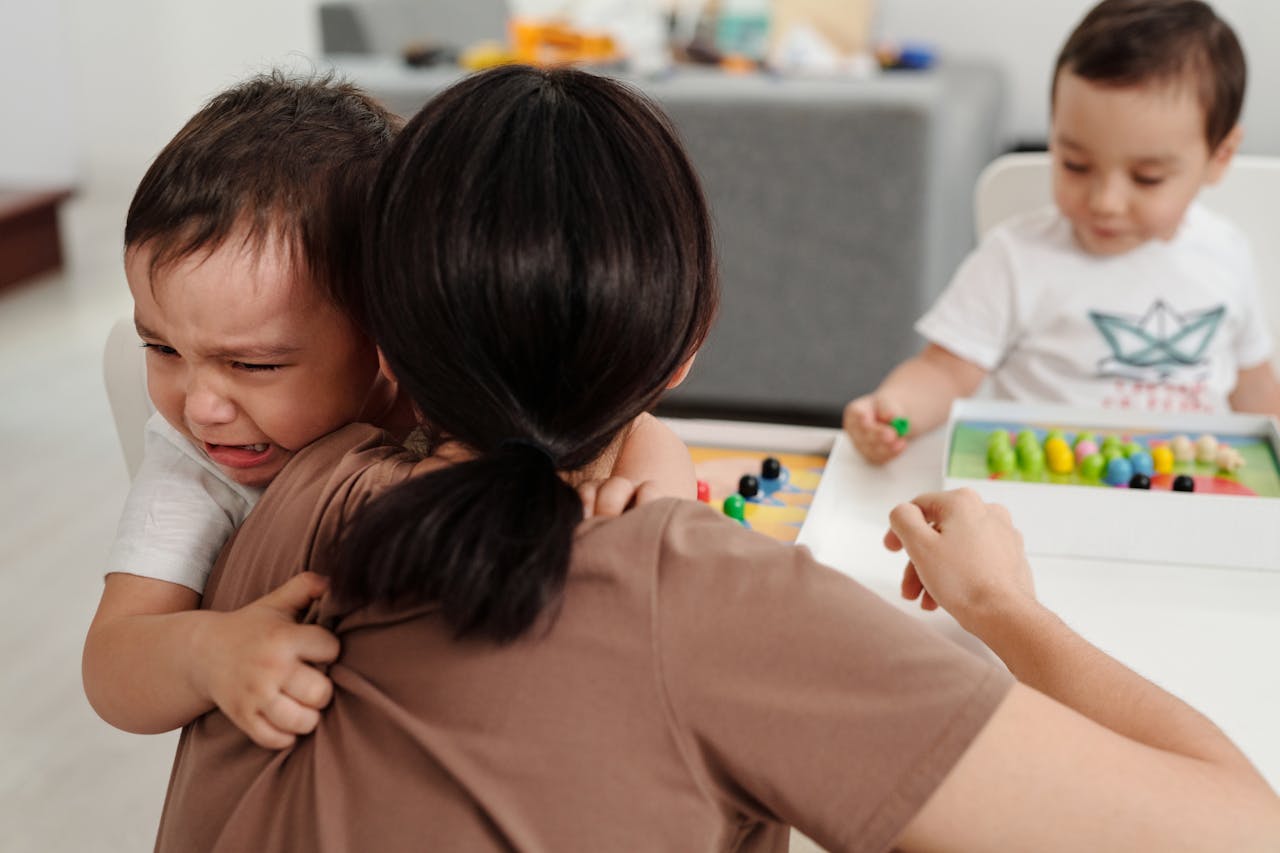
Yelling felt like the only option in the chaos of parenting—until I realized it wasn’t helping anyone. I wanted more peace in our home and more connection with my kids, not power struggles and guilt. So I committed to parenting without yelling, and what I learned changed everything. It wasn’t easy, but the shift brought surprising lessons that made me a better parent and person. Here’s what I’ve discovered on this journey of quieter, more mindful parenting.
1. Staying Calm Is a Skill, Not a Trait

I used to believe that calm parents were just born that way—but I was wrong. Staying calm takes conscious effort, self-regulation, and daily practice. I had to unlearn the habit of reacting and replace it with a pause, a breath, and a choice. Over time, I realized that staying calm is like a muscle—the more you work it, the stronger it becomes. It’s not about being perfect, it’s about choosing peace over control.
2. Connection Works Better Than Control
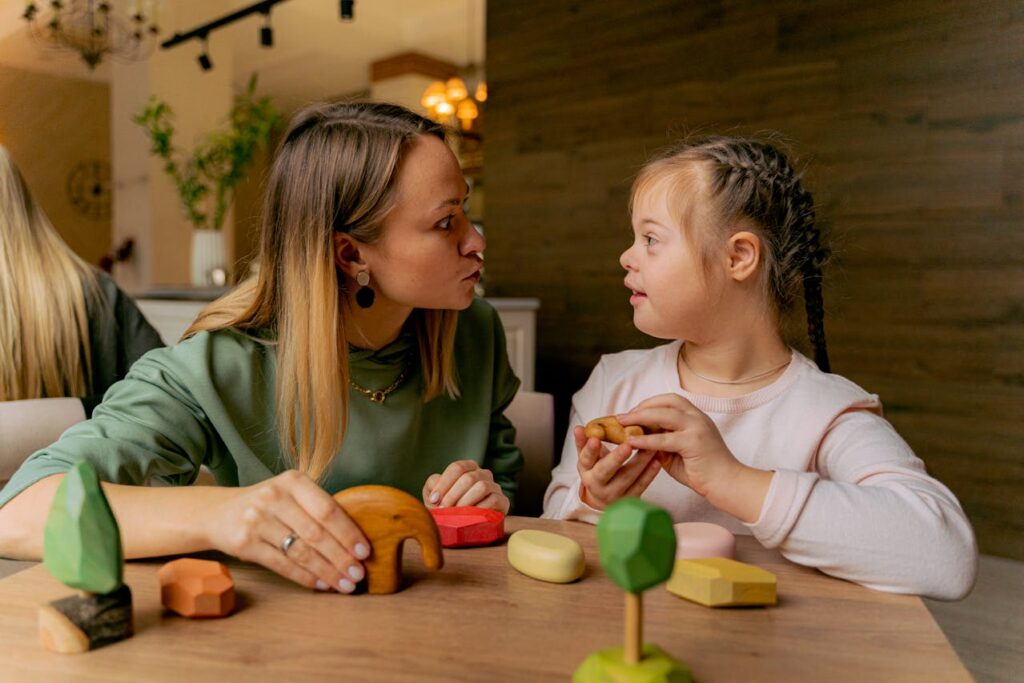
Yelling might get quick compliance, but it doesn’t build lasting respect or understanding. I found that connecting with my kids—kneeling to their level, making eye contact, and truly listening—worked far better than raising my voice. When they feel seen and heard, they’re more likely to cooperate willingly. Connection opens the door to better behavior and fewer power struggles. It made discipline feel more like guidance, not punishment.
3. My Emotions Set the Tone

When I’m anxious, angry, or overwhelmed, my kids mirror that energy right back. But when I take responsibility for my own emotional state, everything changes. I learned that managing my emotions—not suppressing them, but understanding and calming them—is essential. The more centered I am, the easier it is for my kids to stay regulated too. My tone, energy, and attitude create the emotional climate in our home.
4. Kids Aren’t Misbehaving to Upset Me
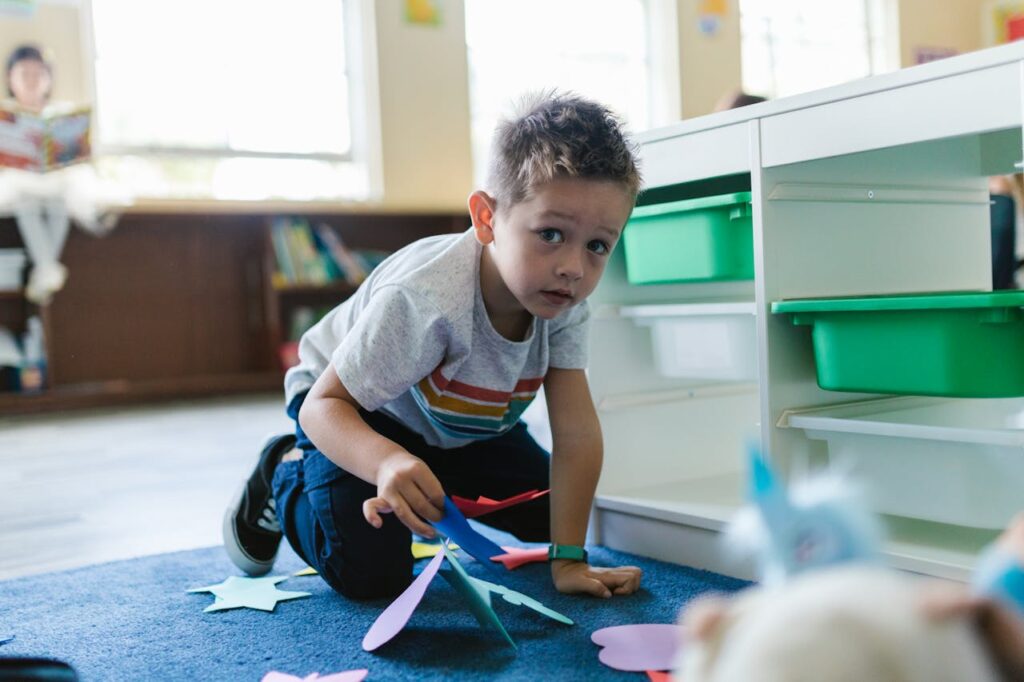
In the heat of the moment, it’s easy to take things personally—spilled milk, tantrums, or defiance can feel like direct attacks. But parenting without yelling taught me to see behavior as communication, not disrespect. Most of the time, my kids are expressing unmet needs, not trying to push my buttons. Seeing things this way helped me respond with curiosity instead of anger. It shifted the focus from punishment to problem-solving.
5. Repair Is More Powerful Than Perfection

Even when I try my best, I still mess up sometimes. The difference now is that I own my mistakes and make amends without shame. Apologizing to my kids doesn’t make me weak—it builds trust. They learn that everyone has hard moments and that healing and growth are always possible. Repairing the relationship became more important than pretending I had it all together.
6. Silence Can Speak Louder Than Yelling
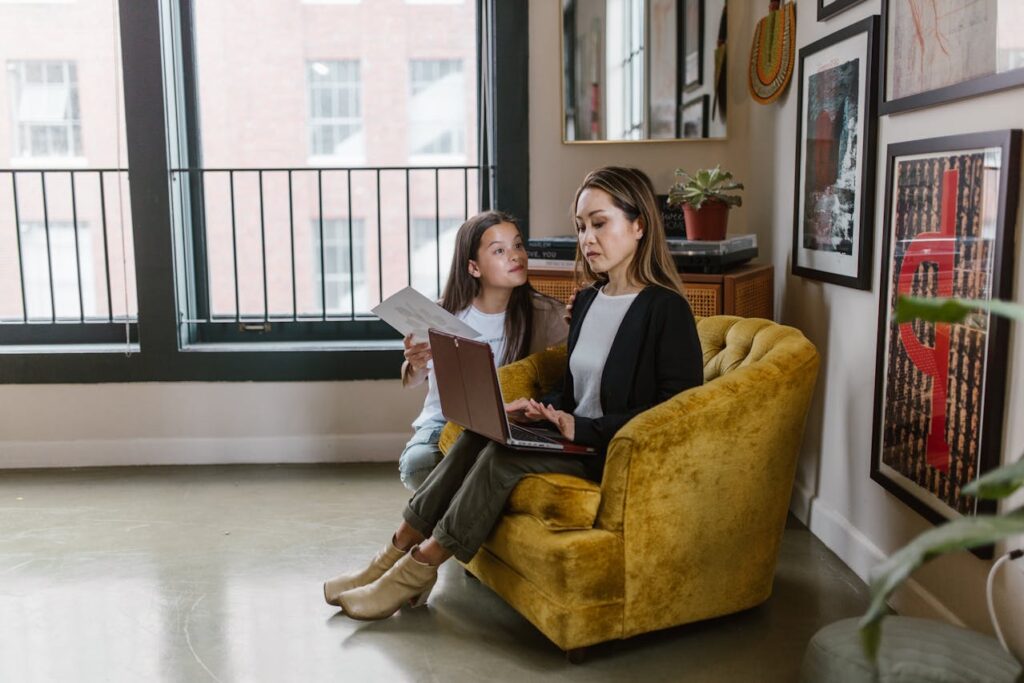
There were moments I wanted to yell, but I learned to let silence do the talking. A quiet pause, a raised eyebrow, or a calm statement like “Try again” often had more impact. It helped defuse tension instead of escalating it. Silence gave me space to think and gave my kids space to reset. I began to value thoughtful responses over loud reactions.
7. Peace Feels Better Than Power

Yelling sometimes gave me a momentary sense of control—but it always came with guilt and distance. Parenting without yelling taught me that peace is more fulfilling than power. I don’t need to “win” every moment. What I want most is a strong, loving bond with my kids, and that comes through calm communication. The peace in our home now feels earned—and deeply worth it.