
Trade policy isn’t just a matter for governments, it directly shapes how businesses operate, what consumers pay, and how global supply chains function. During Donald Trump’s presidency and in ongoing policy shifts tied to his political influence, trade decisions, especially tariffs, trade agreements, and import restrictions, have disrupted long‑standing international relationships. These moves were intended to bring manufacturing back to the U.S., protect domestic industries, and rebalance trade deficits, but they also created ripple effects that many sectors are still navigating today.
Donald Trump’s trade moves didn’t just reshape geopolitics, they reshaped entire industries. From agriculture to tech, from retail to energy, companies have been forced to adjust how they source, produce, and sell goods across borders. While some sectors benefited in certain areas, others faced rising costs, market uncertainty, and ongoing volatility.
As global trade continues to evolve, the effects of these policy shifts will persist. Industries that adapt strategically, embracing diversification, innovation, and flexibility, are best positioned to thrive in an increasingly complex trade environment.
Below are seven industries that have felt the impact of Donald Trump’s trade moves, how they were affected, and the ongoing shifts taking place as companies adapt to a new global trade landscape.
1. Automotive Manufacturing
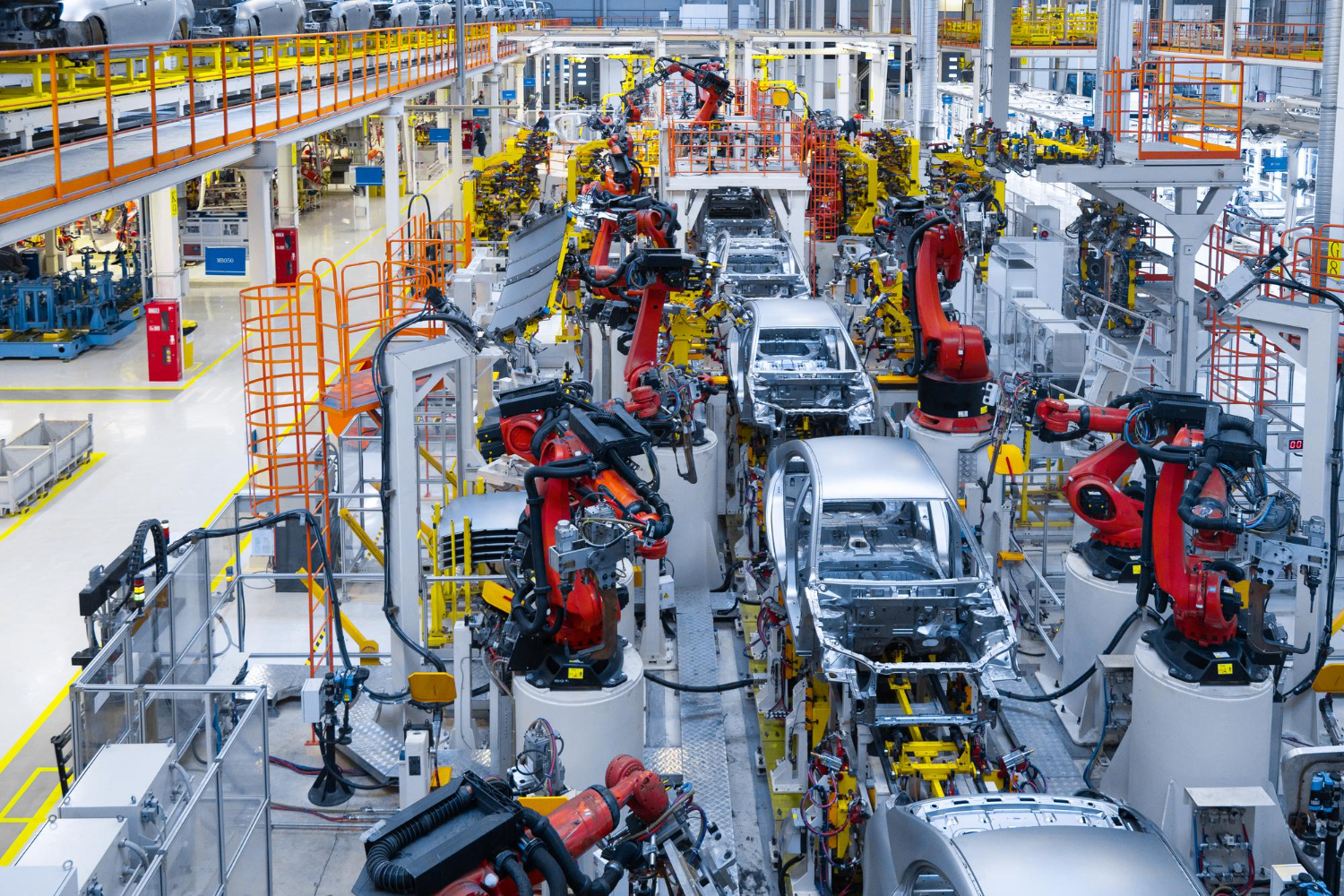
The automotive industry has been among the most visibly impacted by Trump’s trade policies. With tariffs being placed on imported steel and aluminum, costs for raw materials increased for U.S. automakers and parts manufacturers alike. Because vehicles are built from thousands of components sourced globally, higher input costs squeezed profit margins and forced companies to reassess supply chains.
At the same time, uncertainty around trade agreements like the renegotiation of NAFTA (now the USMCA) created hesitancy among manufacturers planning long‑term investments. Some companies chose to shift production or source more parts domestically, while others moved operations overseas to avoid tariffs, an ironic consequence for a policy aiming to boost U.S. jobs. As the industry works to scale electric vehicle production, trade policy continues to play a key role in cost structures and competitiveness.
2. Agriculture

American farmers have a global market for crops like soybeans, corn, and wheat, but many of those markets were disrupted by retaliatory tariffs from China and other trading partners. When the U.S. placed tariffs on Chinese goods, China responded with tariffs on American agricultural products. This unexpected retaliation hurt U.S. exports, especially in states reliant on farming income.
In response, government programs attempted to offset losses with subsidies and support packages. However, these measures didn’t fully replace lost export revenue and left some farmers struggling to find alternative buyers. Meanwhile, uncertainty over future trade agreements continues to affect planting decisions, commodity prices, and the long‑term financial outlook for rural economies.
3. Technology and Electronics

The tech sector, especially companies that rely on global supply chains—has also felt the impact of trade tensions. Many tech products, including smartphones, computers, and components, use parts manufactured abroad, especially in East Asia. Tariffs on imported electronics or parts can increase production costs that are sometimes passed along to consumers.
Trade restrictions targeting companies like Huawei added another layer of complexity, as U.S. firms had to adjust to supply disruptions and regulatory hurdles. Tech firms also faced the challenge of shifting production locations or building inventories in anticipation of tariff changes. While some companies managed to mitigate effects through supply chain diversification, others saw slower growth or increased prices in certain product categories.
4. Steel and Aluminum
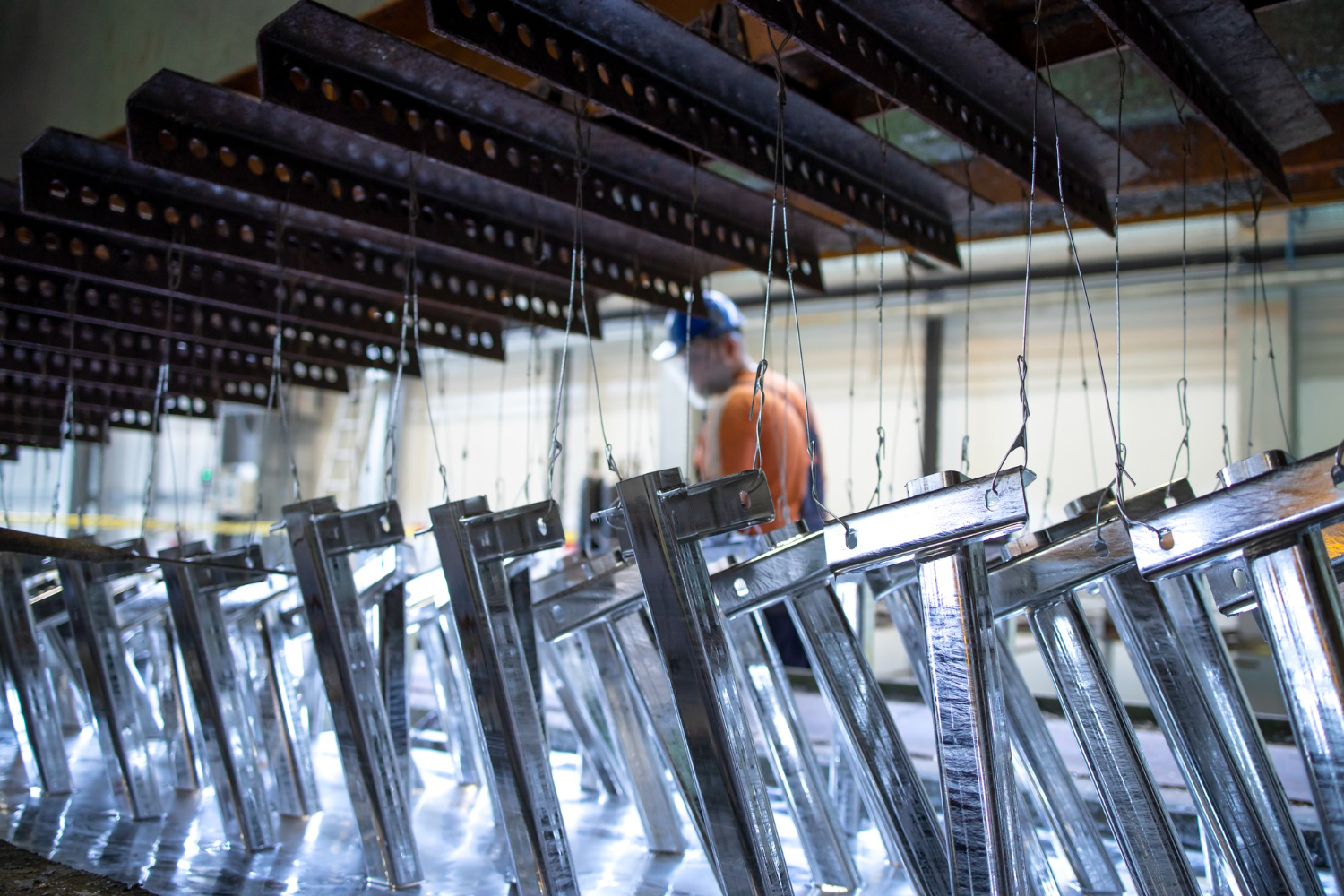
One of the most direct impacts of Trump’s trade policy was felt in the steel and aluminum industries. With tariffs imposed on imported steel and aluminum, the goal was to protect domestic producers and reinvigorate U.S. manufacturing. Initially, these measures boosted production and employment in some domestic plants, as foreign competition became more expensive.
However, higher costs for steel and aluminum also raised expenses for industries that use these materials, such as automotive, construction, and machinery. Builders and manufacturers pushed back, noting that tariff costs translated into higher prices for equipment, buildings, and consumer goods. This created tension between supporting domestic production and managing broader industry costs.
5. Retail and Consumer Goods

Retailers depend on imports for many everyday products, from clothing to household goods. Tariffs on imports from countries like China increased costs for retailers, some of which were passed on to consumers in the form of higher prices. In other cases, retailers absorbed the costs, resulting in tighter profit margins. For smaller companies with less negotiating leverage, the impact was especially difficult.
Price‑sensitive consumers began shifting buying habits or seeking alternatives as some products became more expensive. Some retailers also restructured their sourcing strategies, looking to diversify suppliers or move production to tariff‑free countries. This shift created uncertainty, particularly for brands with long‑standing relationships with overseas manufacturers.
6. Energy Sector
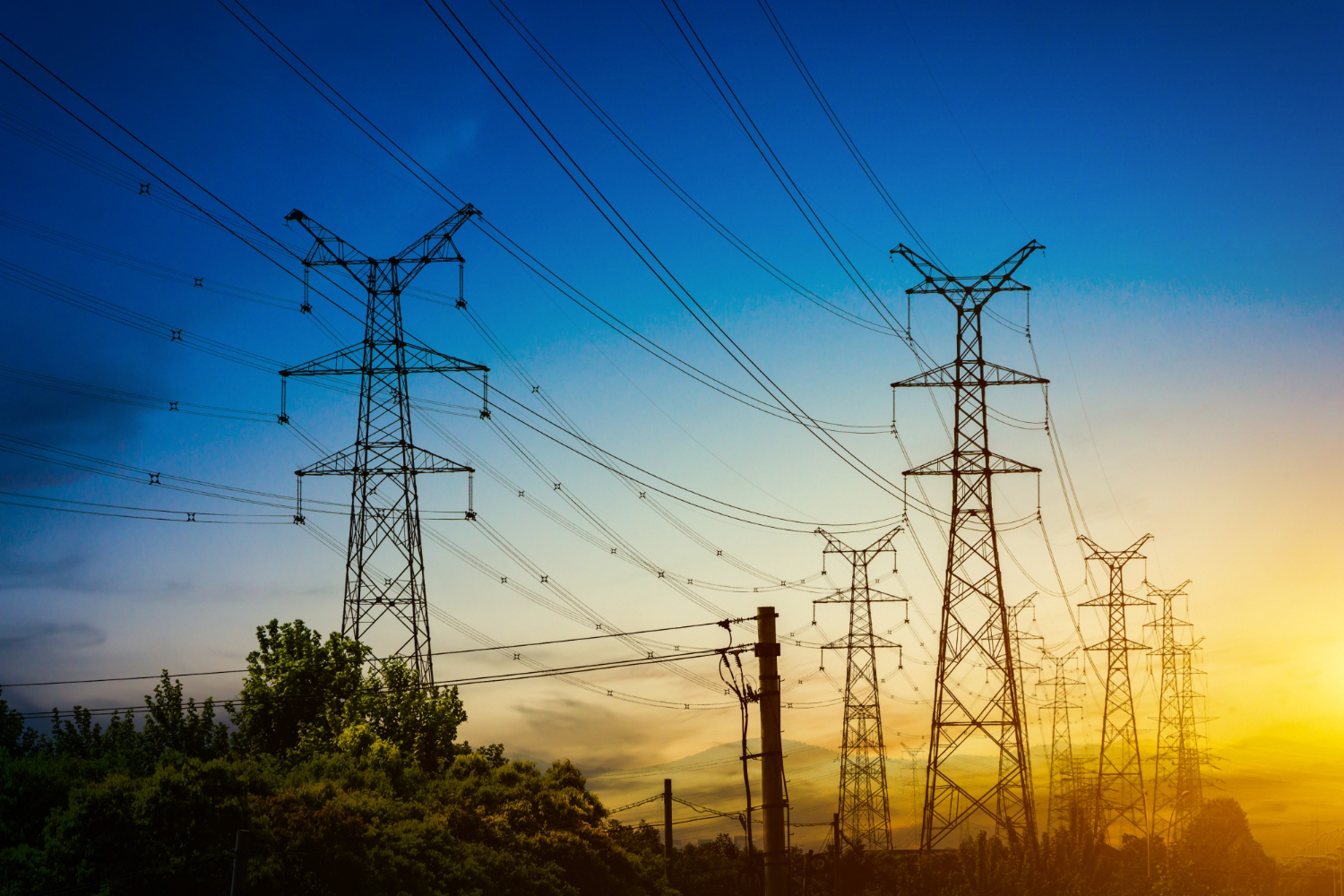
The energy industry experienced mixed effects. On one hand, Trump’s trade moves included lifting certain restrictions and promoting American energy exports, particularly oil and natural gas. This helped U.S. energy producers access international markets more easily and boost production. Policies aimed at reducing regulatory burdens also appealed to energy companies.
On the other hand, trade tensions with key partners created uncertainty in global demand. Countries that faced tariffs or sought to reduce reliance on the U.S. energy market looked to alternative suppliers. This reshuffling of global supply and demand influenced prices and long‑term investment decisions. Renewable energy components, often manufactured overseas, were also affected by tariffs, increasing equipment costs for solar and wind projects.
7. Manufacturing and Supply Chains
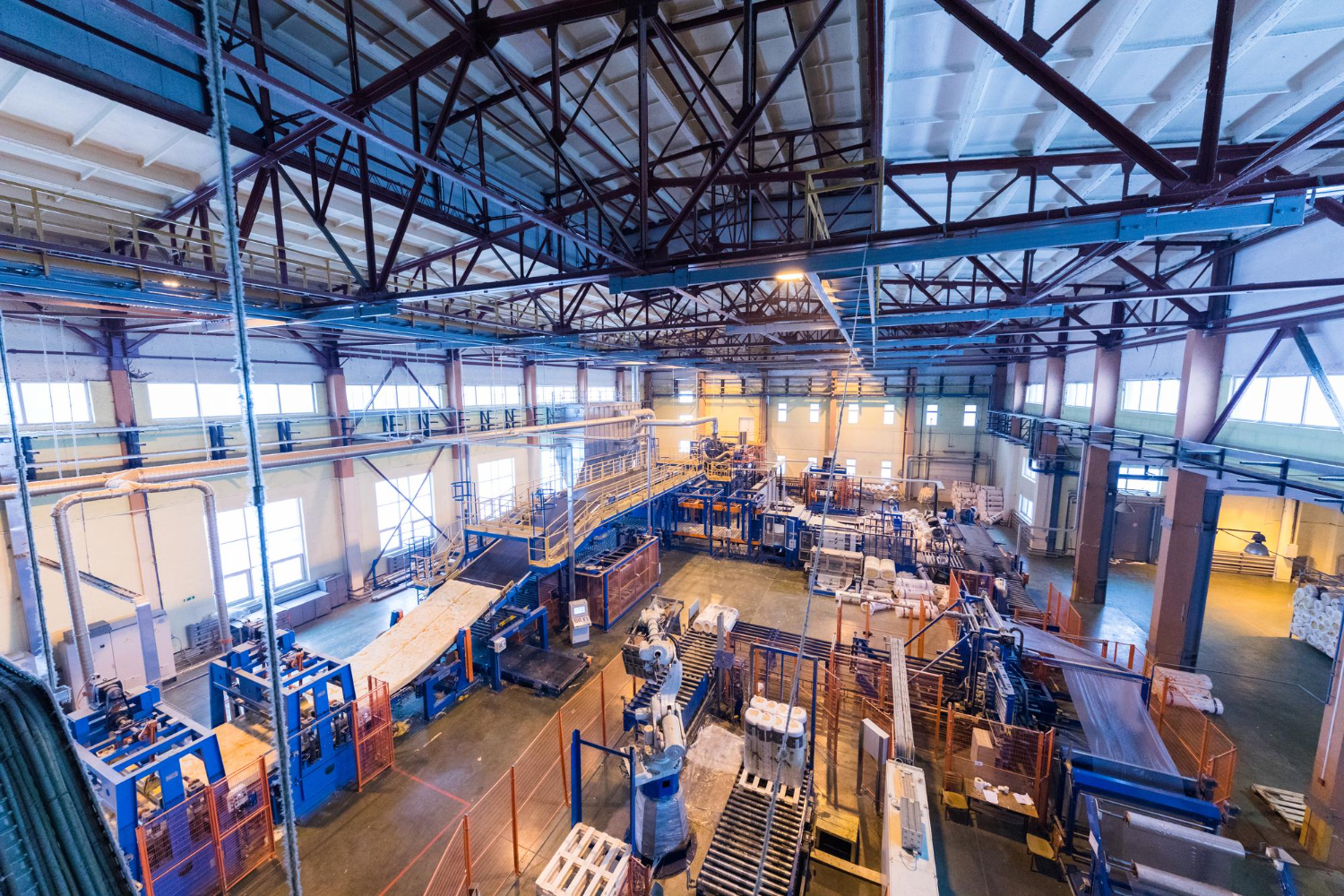
Broadly speaking, manufacturing and global supply chains had to adapt to a new era of trade complexity. Companies that once operated seamless international production networks began reevaluating “just‑in‑time” models. Many increased inventory holdings, diversified supplier bases, or shifted production to new regions to avoid tariffs and uncertainty.
This shift has benefits and challenges: while some companies found opportunities to strengthen domestic operations or nearshore production, others faced higher costs and logistical hurdles. The push to reduce dependency on any single country in the supply chain has accelerated interest in automation, regional production hubs, and strategic stockpiling—changes that will likely influence manufacturing for years to come.