Indoor plants have become an essential element of modern interior design. Designers increasingly use greenery to add life, texture, and a sense of calm to living spaces. During summer, plants become even more valuable because they brighten interiors, purify indoor air, and create a refreshing natural atmosphere inside the home. Unlike seasonal décor that quickly goes out of style, indoor plants offer a timeless aesthetic that complements nearly every design style, from minimalist apartments to cozy family homes. Many designers recommend choosing plants that combine visual impact with easy maintenance so they thrive during the warmer months. From dramatic leafy statements to elegant trailing vines, certain houseplants stand out for their ability to instantly elevate a room’s look while remaining practical for everyday living. Indoor plants do more than simply decorate a space, they transform the way a home feels. During the summer months, greenery helps balance indoor temperatures visually and creates a refreshing connection with nature.
Designers often use plants to soften furniture layouts, fill empty corners, and introduce organic shapes into otherwise structured interiors. Whether it’s the sculptural presence of a snake plant, the tropical drama of monstera leaves, or the cascading elegance of pothos vines, each plant brings its own personality to a room. As interior design trends continue to embrace natural materials and biophilic elements, indoor plants remain one of the easiest and most affordable ways to elevate a home’s style while creating a healthier and more inviting living environment.
Snake Plant Adds Modern Structure to Any Room
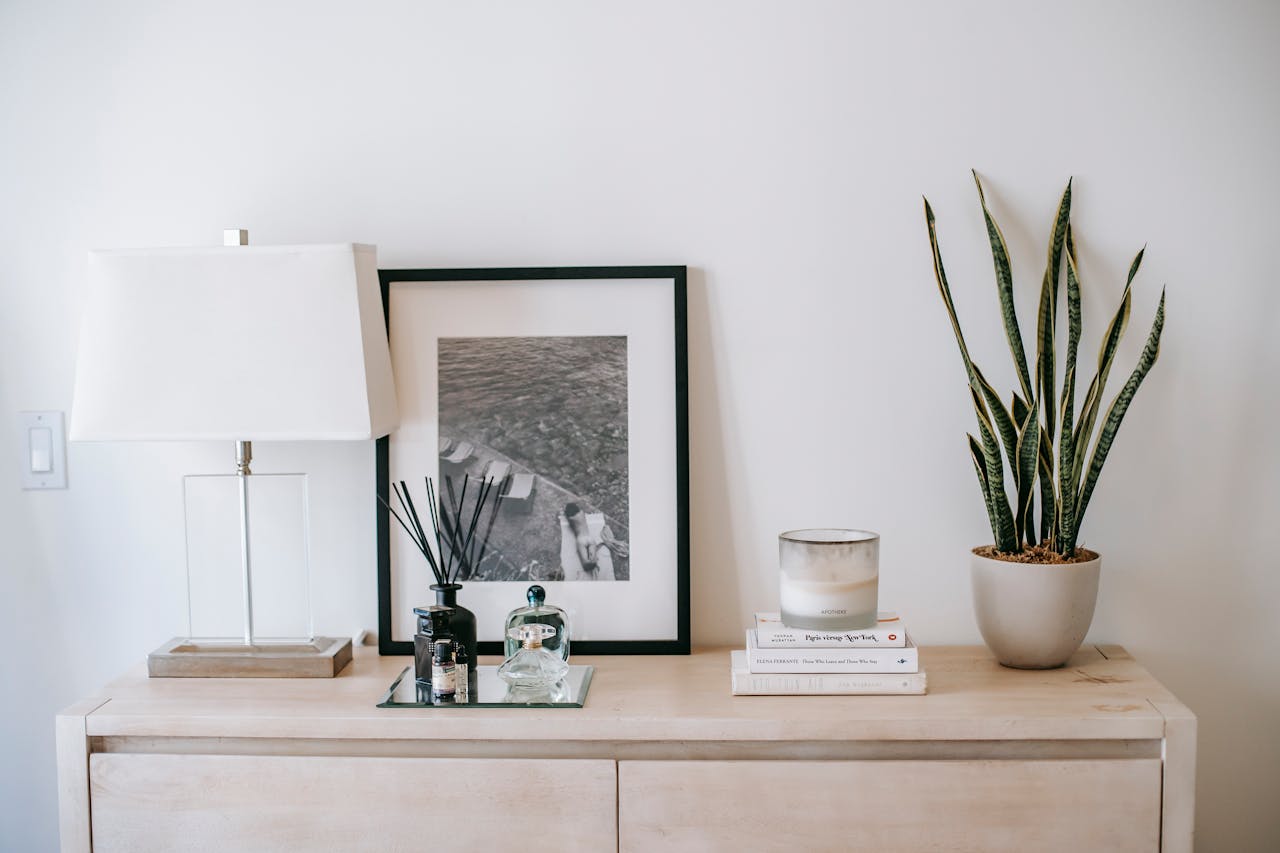
The Snake Plant is one of the most recommended indoor plants by interior designers because of its striking vertical shape and incredible resilience. Its tall, sword-like leaves create a sculptural look that works beautifully in modern living rooms, bedrooms, and office corners. Designers often use snake plants to add height and structure to a space without overwhelming the room with bulky décor. Another reason it remains a favorite is its low maintenance requirements.
Snake plants can thrive in low light or bright indirect sunlight and require very little watering, making them perfect for people who may forget regular plant care. They are also known for improving indoor air quality by removing certain toxins from the environment, which makes them both decorative and functional additions to the home. During summer, their sturdy leaves remain vibrant even in warm indoor conditions, making them a reliable plant choice for nearly any space.
Monstera Deliciosa Creates a Bold Tropical Statement
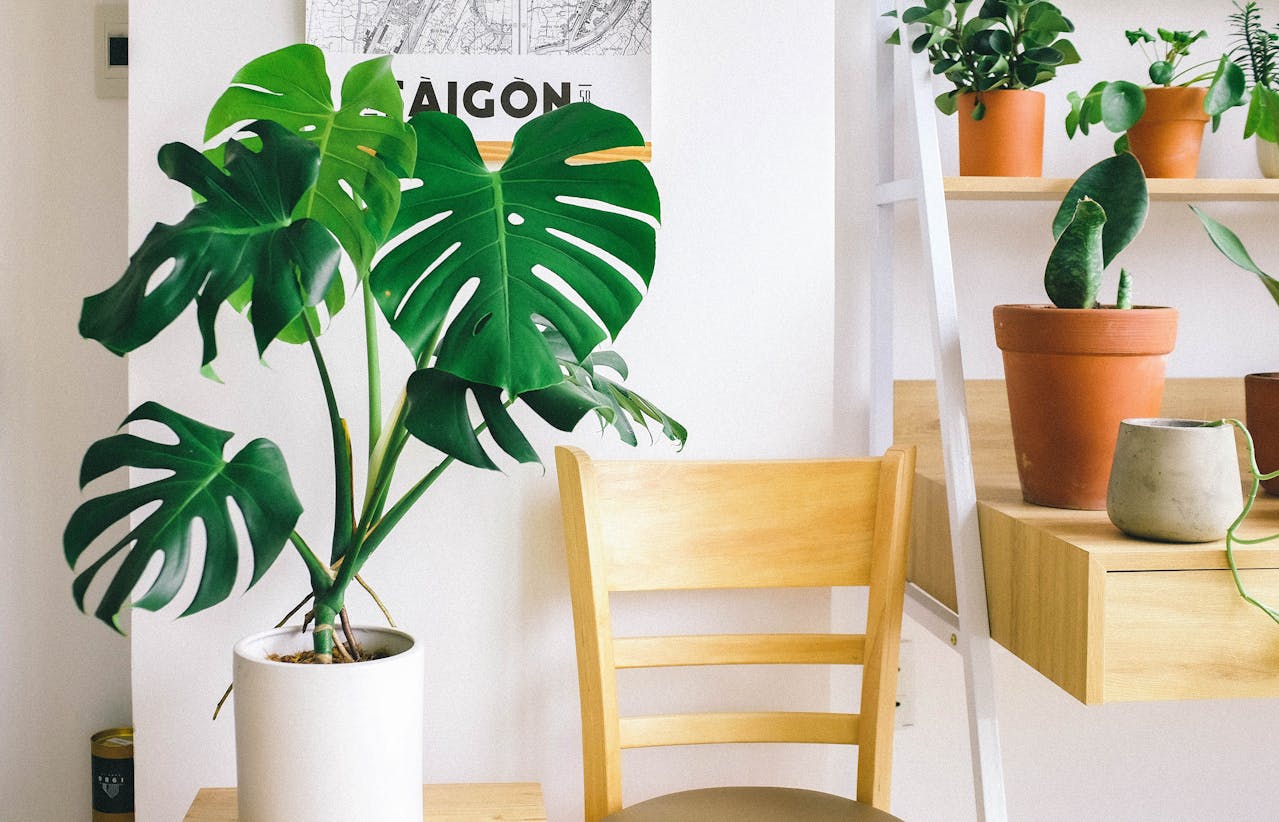
Few houseplants make a visual impact quite like the Monstera Deliciosa. Known for its large, glossy leaves with natural holes and splits, this plant instantly creates a tropical and luxurious atmosphere inside a room. Designers frequently place monstera plants in living rooms or near large windows where their dramatic foliage can act as a natural focal point. The unique leaf structure adds movement and texture to interiors, helping soften hard architectural lines or minimal furniture arrangements.
Monstera thrives in bright, indirect light and moderate humidity, making it well suited for summer conditions indoors. When cared for properly, the plant grows steadily and can become an impressive decorative feature that fills empty corners with lush greenery. Many interior stylists also pair monstera plants with neutral décor palettes to highlight their vibrant green color and distinctive leaf shapes.
Peace Lily Brings Elegance and Calm to Interiors
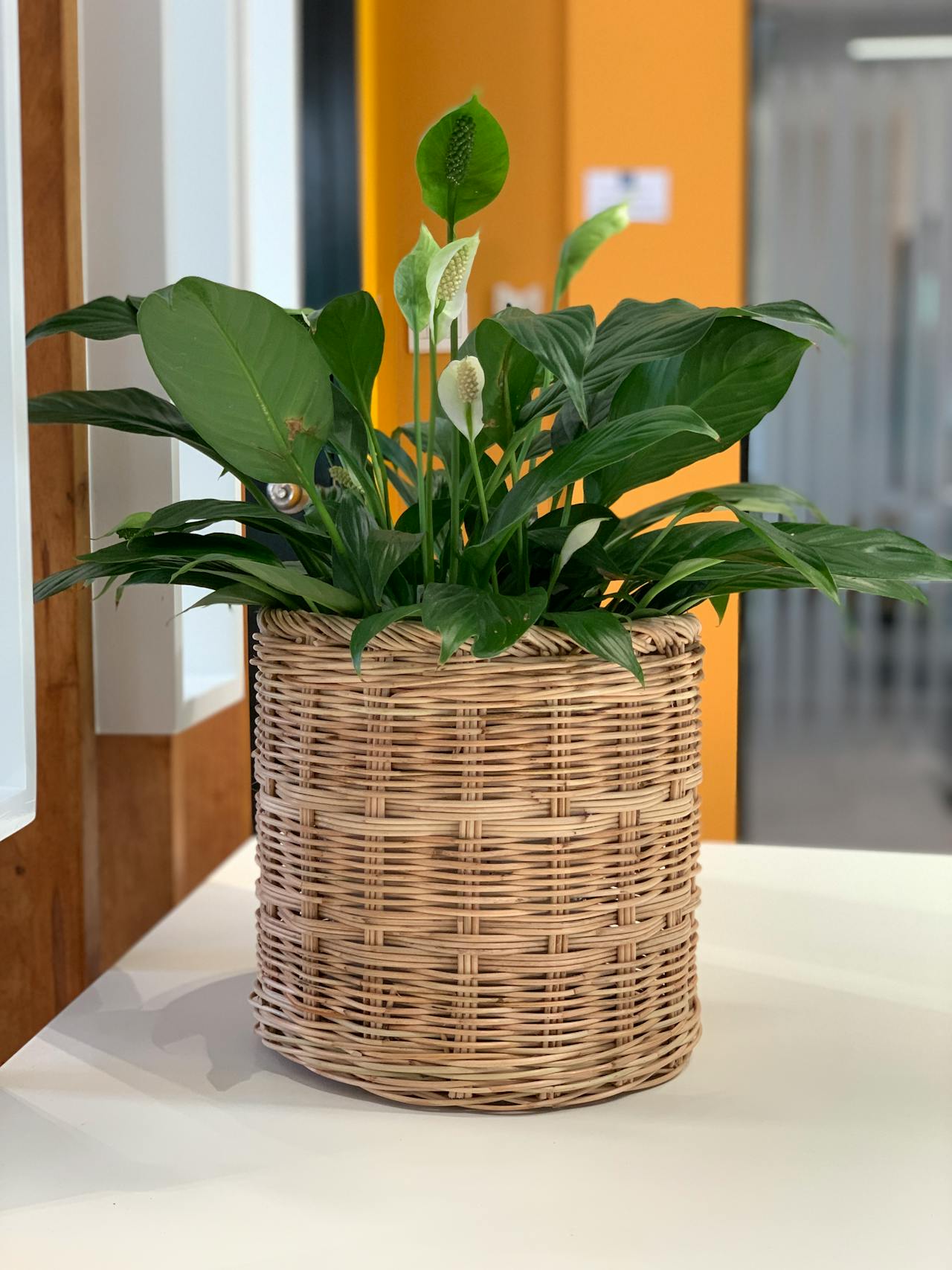
The Peace Lily is often recommended by designers who want to create a calm, elegant atmosphere within a home. This plant is known for its glossy dark green leaves and beautiful white flowers that resemble delicate sails. Because of its refined appearance, peace lilies are frequently placed in bedrooms, entryways, or quiet reading corners where they contribute to a serene environment. Beyond their beauty, peace lilies are also valued for their air-purifying qualities, helping improve indoor air quality while adding visual interest to the room.
They grow best in indirect light and require consistent watering, which makes them suitable for summer when indoor humidity tends to increase slightly. Designers often pair peace lilies with minimalist containers or ceramic pots to highlight the contrast between their dark foliage and bright blossoms.
Pothos Offers Effortless Greenery and Movement
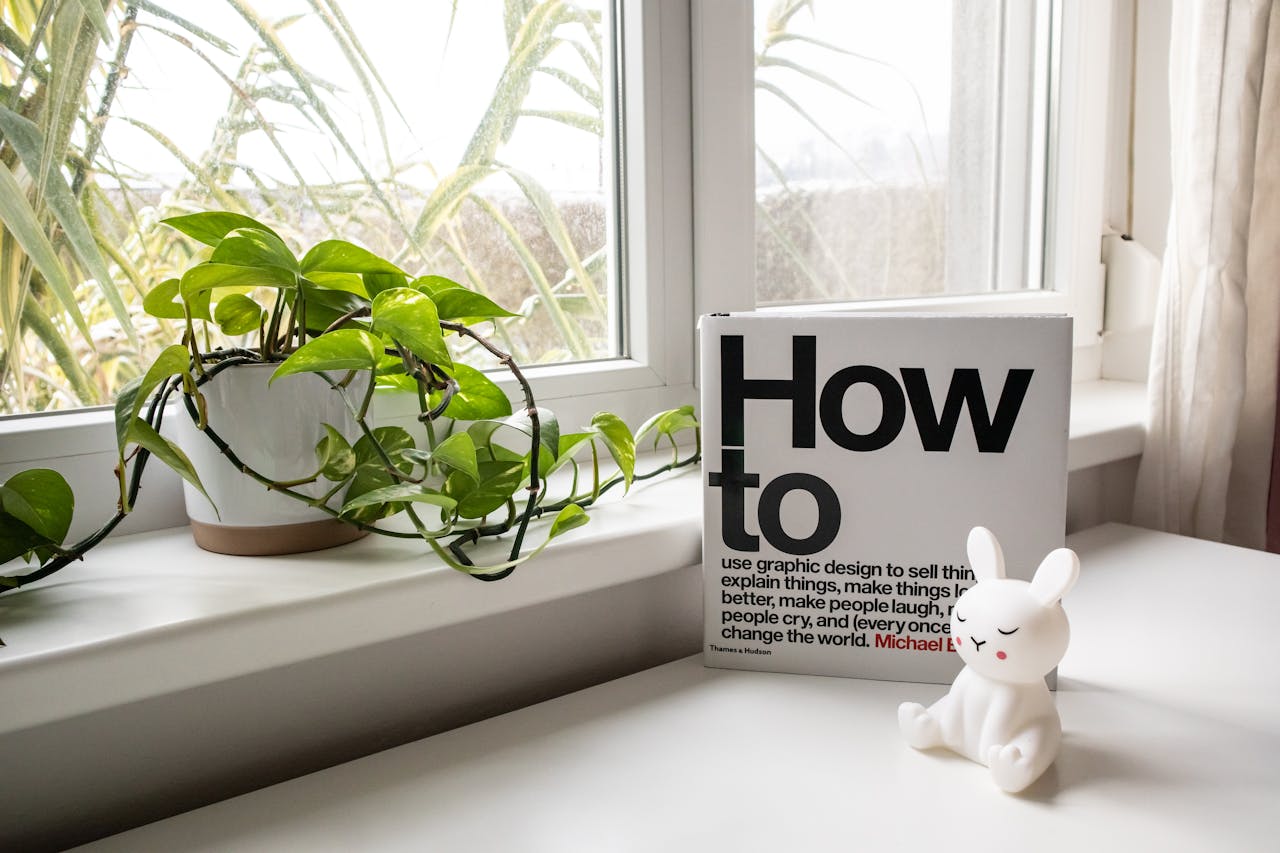
Trailing plants are particularly popular with interior designers because they introduce softness and movement into a space. The Pothos is one of the easiest and most versatile options available. With its heart-shaped leaves and cascading vines, pothos can be placed on shelves, hanging baskets, or tall cabinets to create a flowing greenery effect. Designers often use it to soften shelves filled with books or decorative objects, allowing the vines to drape naturally over edges.
Pothos is also incredibly hardy and can tolerate varying light conditions, making it ideal for homes where sunlight may not reach every corner. Its ability to grow quickly and adapt to indoor environments makes it a reliable summer plant that continues to thrive with minimal care.
ZZ Plant Brings Sleek Style to Modern Homes
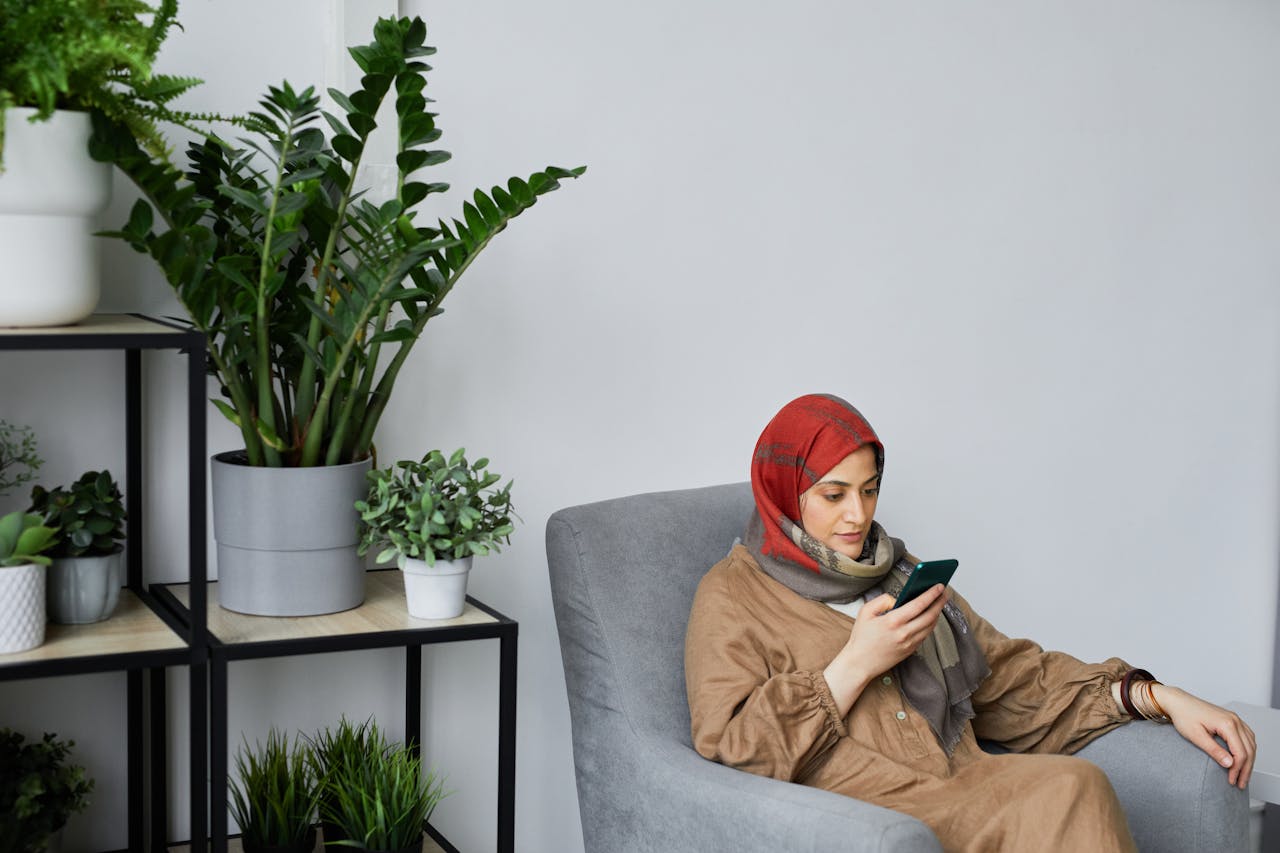
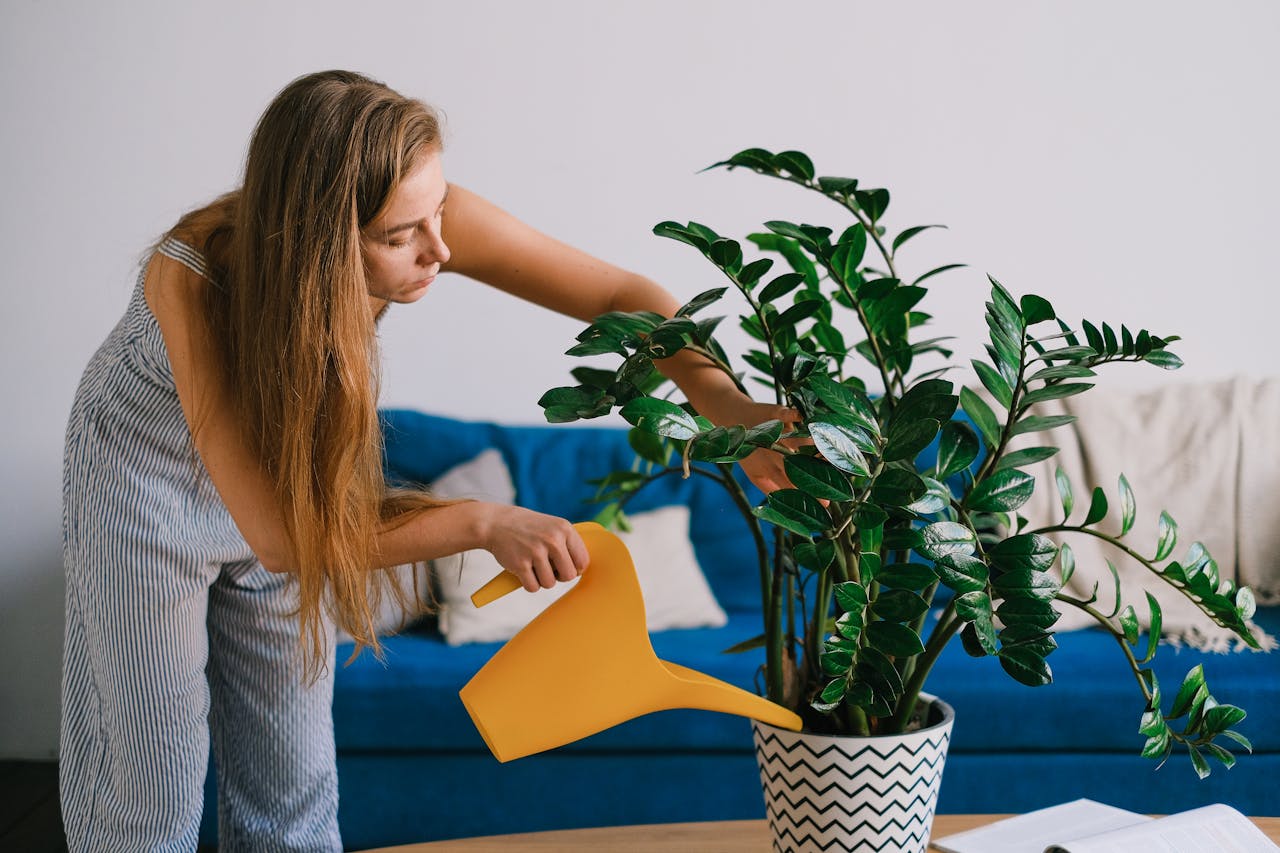
The ZZ Plant has gained popularity among designers who favor contemporary and minimalist interiors. This plant features thick, glossy leaves that grow in symmetrical rows along upright stems, creating a polished and architectural appearance. Because of its strong visual structure, the ZZ plant works well in modern living rooms, hallways, or offices where clean lines and simple décor dominate. One of its biggest advantages is its resilience.
The ZZ plant can survive with very little water and can tolerate low light conditions, making it an excellent choice for busy households or beginners. Even in summer heat, it remains durable and requires only occasional watering, which makes it both stylish and practical for modern homes.
Spider Plant Adds Lightness and Fresh Energy
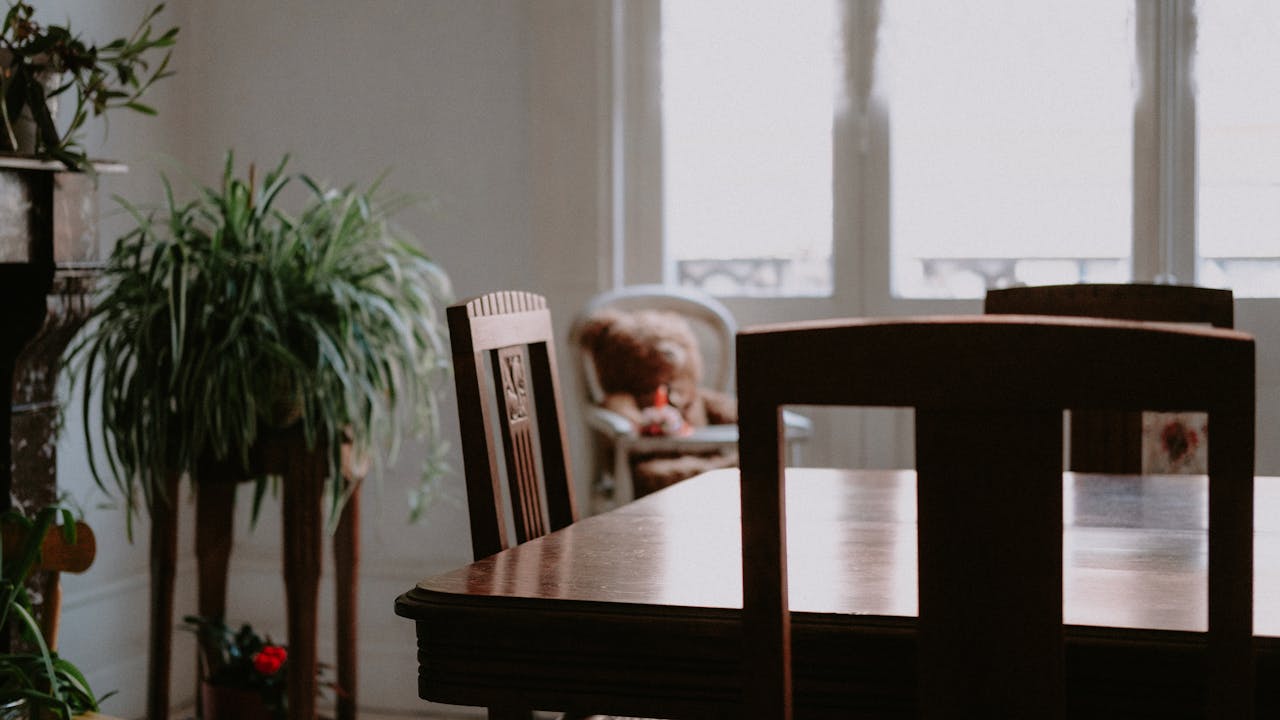
The Spider Plant is another designer favorite, especially for brightening small spaces. Its arching leaves and lightweight structure create a sense of movement and freshness that works beautifully in kitchens, home offices, or window ledges. Spider plants are often displayed in hanging baskets or elevated planters where their cascading leaves can spread outward naturally.
In addition to their decorative appeal, they are extremely easy to maintain and adapt well to indoor environments with indirect sunlight. Spider plants also reproduce easily by producing small offshoots, which can grow into new plants over time. This makes them both decorative and practical for homeowners who enjoy expanding their indoor garden.
Rubber Plant Makes a Dramatic Design Statement
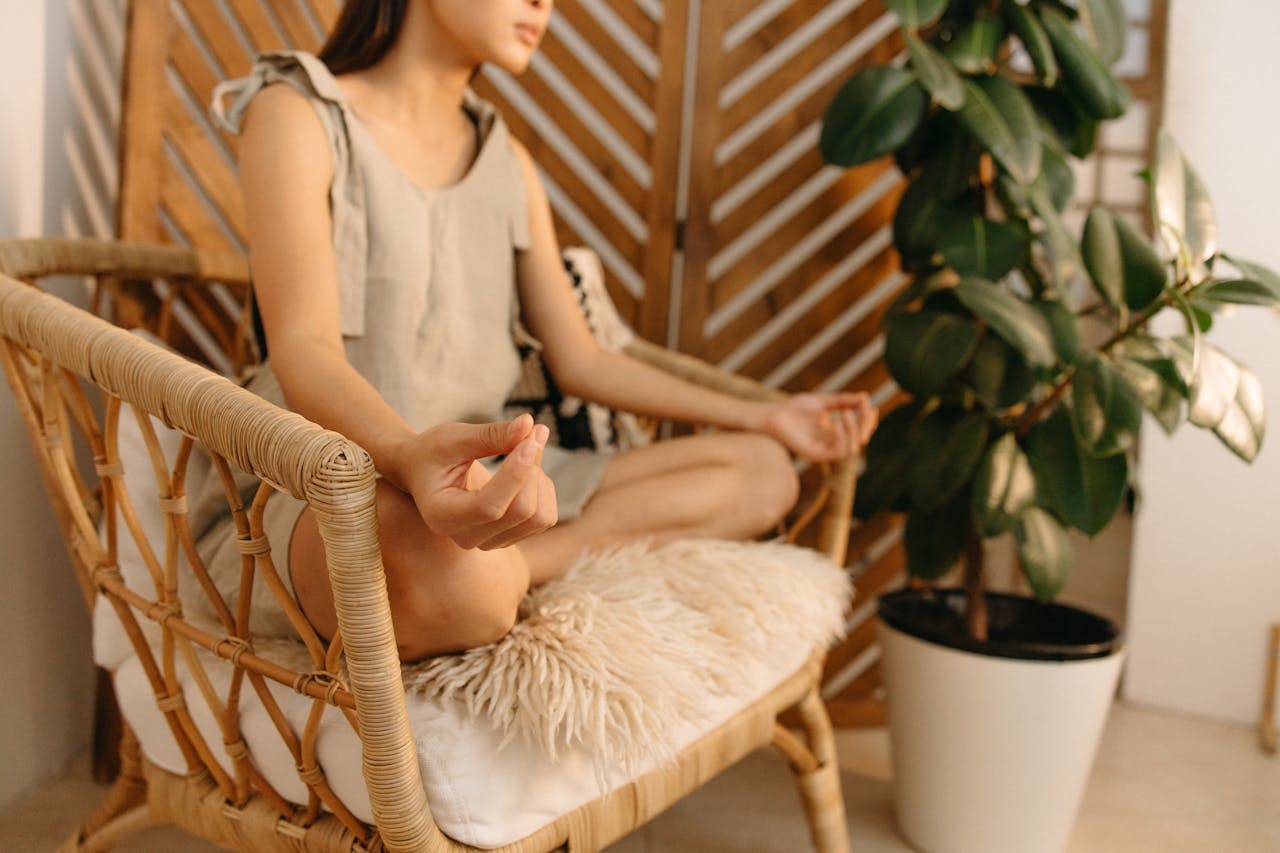
For homeowners who want a bold and sophisticated plant, the Rubber Plant is an excellent option. Its large, thick leaves create a striking visual presence that designers often use to anchor a room’s décor. Rubber plants are commonly placed in spacious living rooms or near seating areas where their glossy foliage adds depth and contrast to the overall design.
The plant thrives in bright, indirect sunlight and grows steadily during the warmer months, making summer an ideal time to introduce it into your home. Because of its strong shape and rich color, the rubber plant pairs well with modern furniture, wooden accents, and neutral color palettes. Designers frequently use it as a statement piece that adds both height and natural beauty to interior spaces.