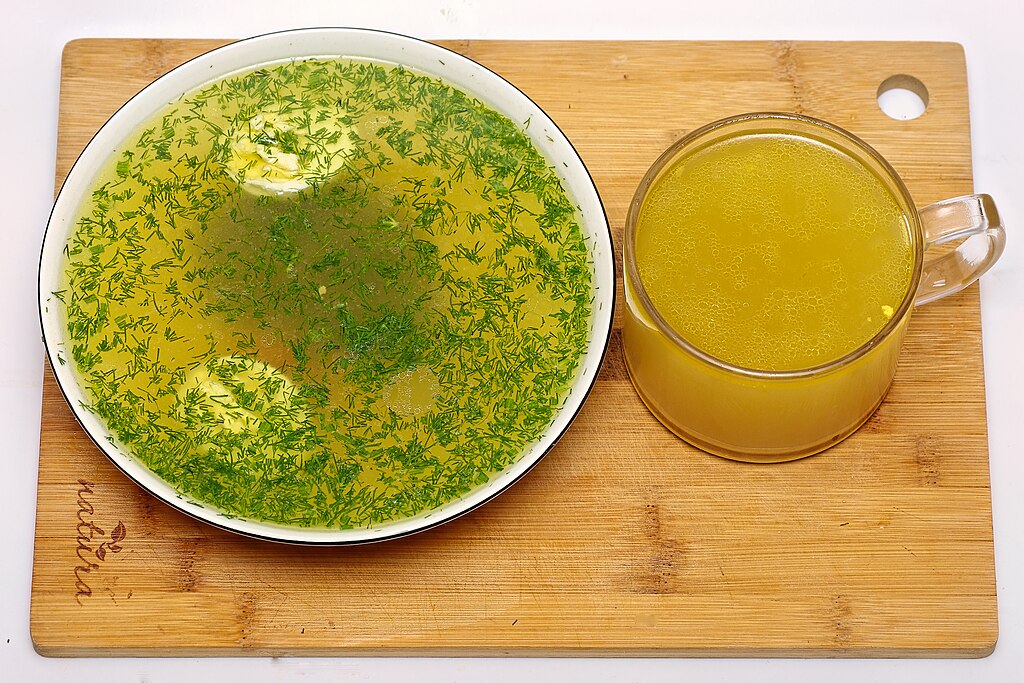
As flu season intensifies, many American moms are paying closer attention to everyday food choices rather than dramatic health interventions. Grocery carts reflect a focus on familiar ingredients that support overall wellness and routine nourishment. In 2026, immune support is viewed less as a quick fix and more as a steady habit built through meals and snacks. These foods are chosen for accessibility, versatility, and comfort. Moms stock items that fit easily into family routines, helping households feel prepared and supported during months when illness feels more common.
Citrus fruits
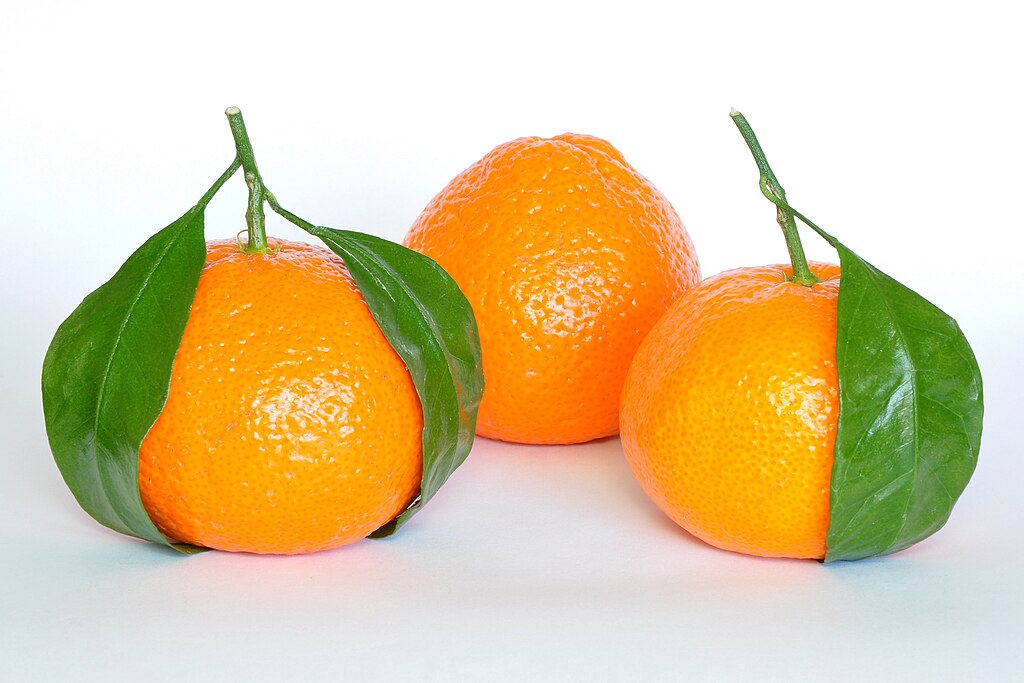
Citrus fruits remain a staple during flu season because they are easy to find and simple to serve. Oranges, lemons, grapefruits, and mandarins are added to lunches, snacks, and breakfasts. Moms appreciate their freshness and versatility across meals. These fruits are associated with supporting normal immune function as part of a balanced diet. Their bright flavor encourages kids to eat them willingly. Citrus fruits also store well and feel practical, making them a reliable choice when families want consistent nourishment during colder months.
Garlic
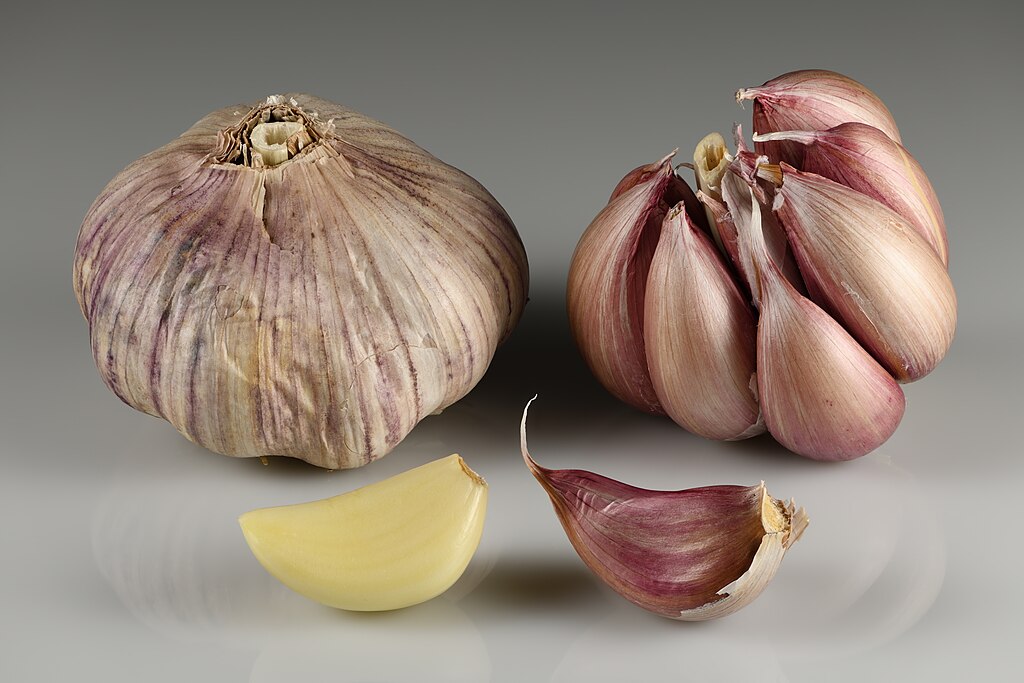
Garlic is commonly stocked because it fits naturally into everyday cooking. Moms add it to soups, roasted vegetables, sauces, and warm meals that feel comforting during flu season. Garlic has a long history of being associated with general wellness when included regularly in food. Its strong flavor allows small amounts to enhance dishes without extra effort. Families already familiar with garlic find it easy to increase use slightly during colder months, making it a low stress addition to routine meals.
Yogurt with live cultures
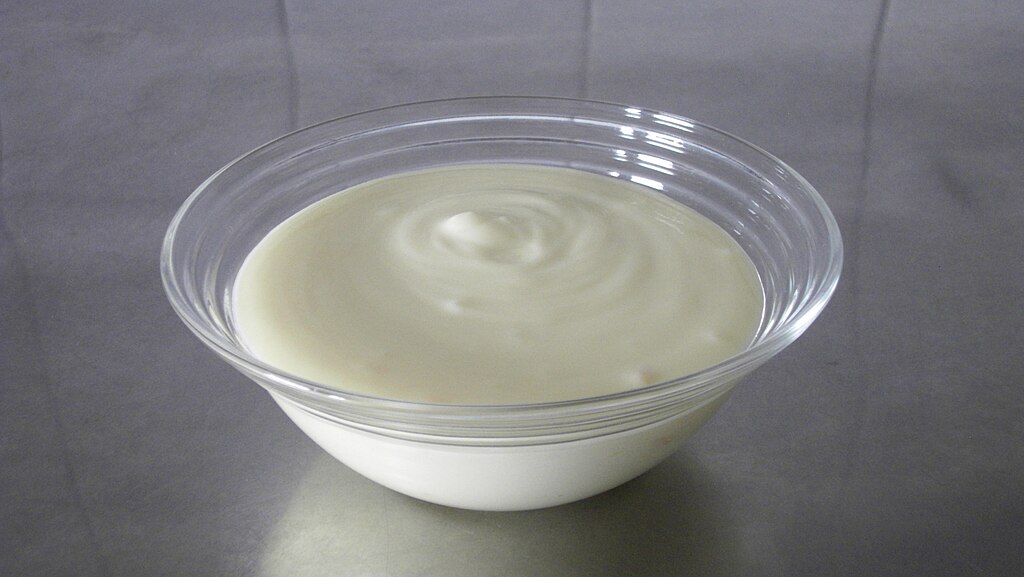
Yogurt with live cultures is popular because it works for breakfasts, snacks, and quick meals. Moms choose plain or lightly sweetened varieties that fit family preferences. Yogurt is associated with supporting gut balance, which plays a role in overall immune health. It is easy to pair with fruit, granola, or honey. For busy households, yogurt feels like a convenient option that requires no preparation while still contributing to everyday nutritional support during flu season.
Leafy green vegetables
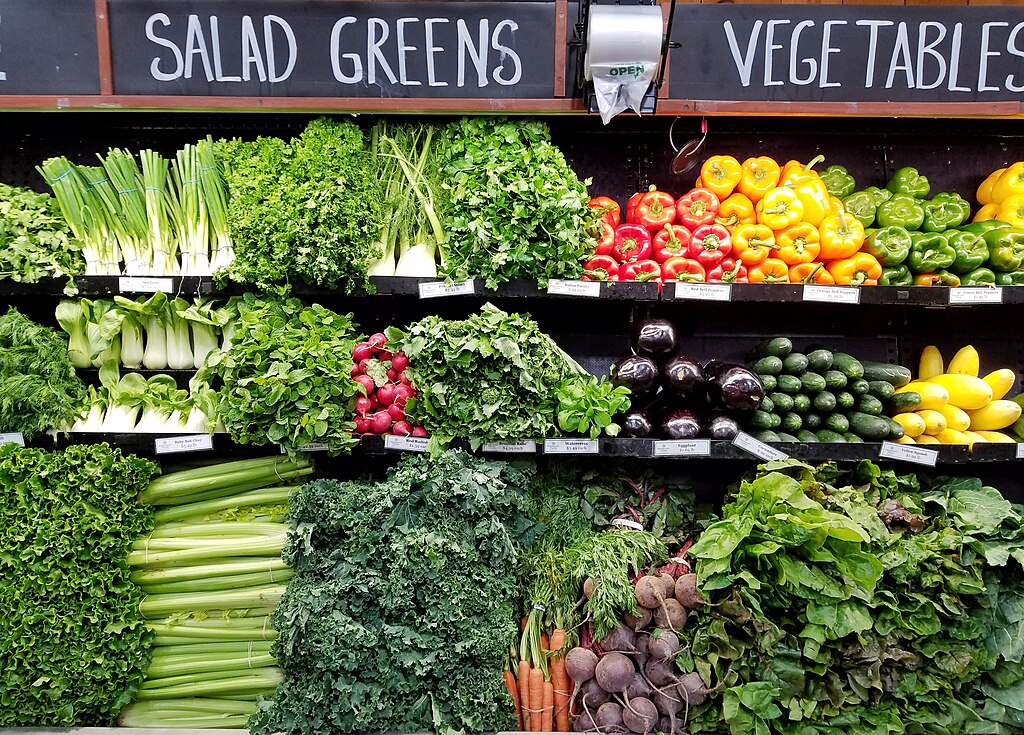
Leafy greens such as spinach, kale, and romaine are frequently added to grocery lists as flu season approaches. Moms use them in smoothies, soups, salads, and cooked dishes. These vegetables are associated with providing vitamins and minerals that support normal body function. While kids may resist at times, blending or lightly cooking greens helps with acceptance. Leafy greens are flexible ingredients that fit into many meals, making them easier to maintain consistently during colder months.
Ginger
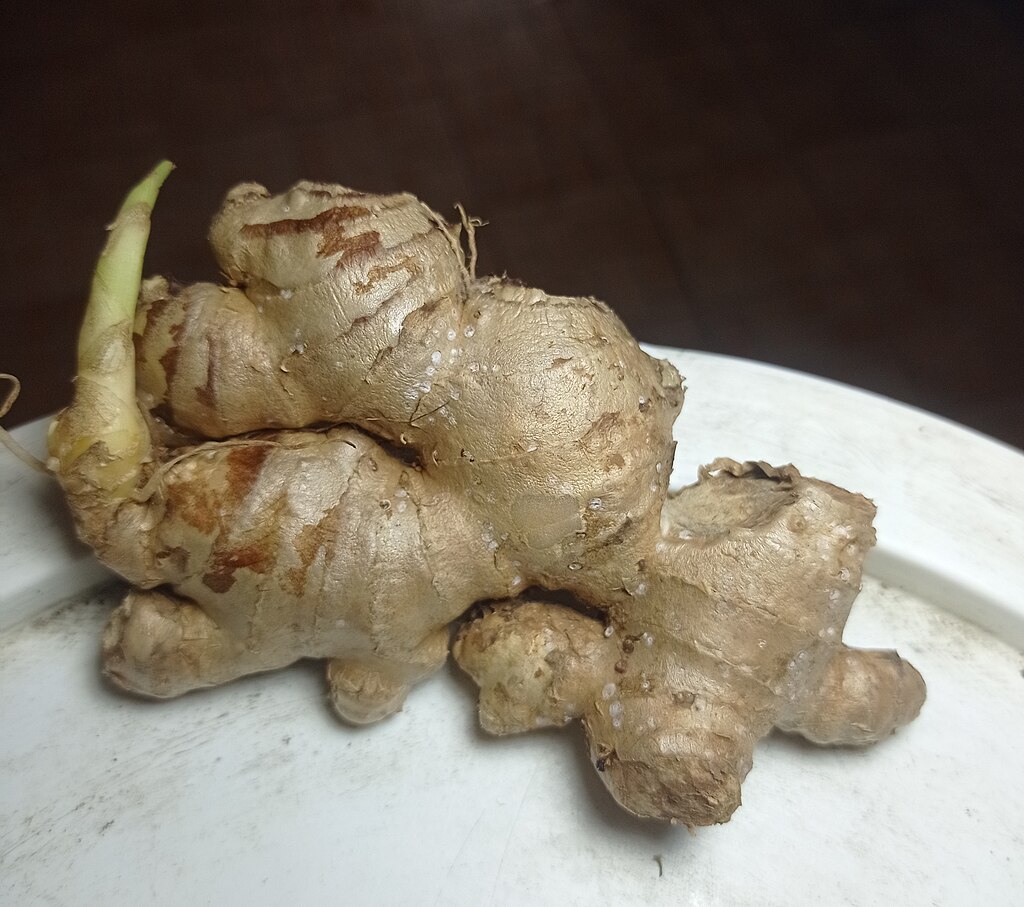
Ginger is stocked for its versatility and warming qualities. Moms use fresh or dried ginger in teas, soups, and simple home recipes. It is commonly associated with comfort and digestive support, especially during colder seasons. Ginger adds flavor without requiring major dietary changes. Many families already keep it on hand, making it easy to use more frequently during flu season. Its association with warmth and routine care makes it a popular pantry item when illness feels more common.
Honey
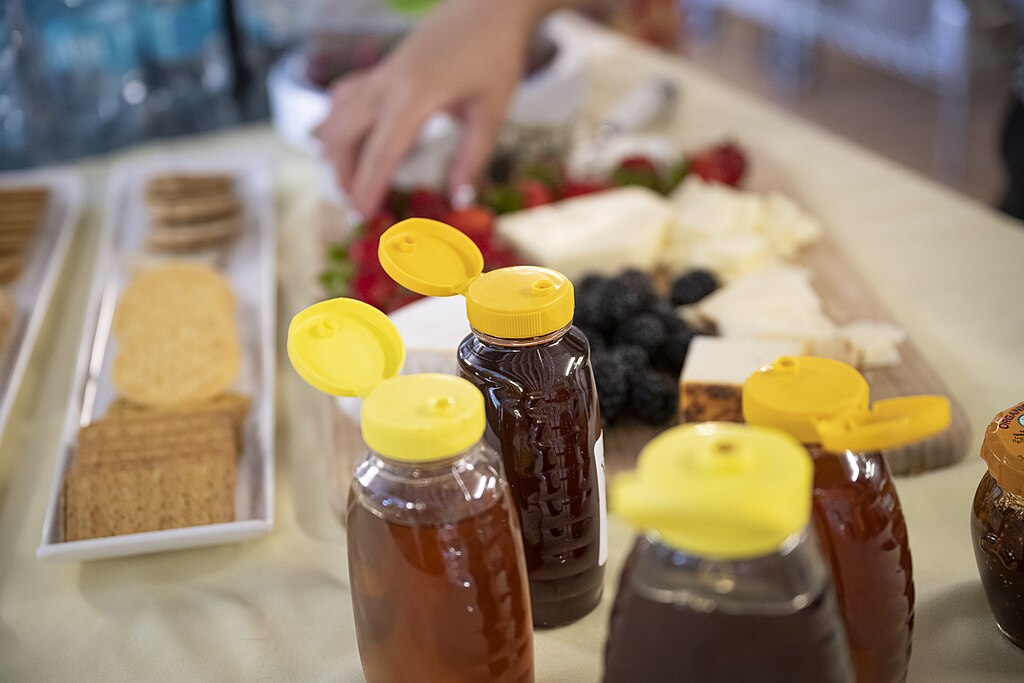
Honey is a frequent addition to flu season grocery trips because it is familiar and widely accepted by kids. Moms use it in teas, warm water, yogurt, and simple snacks. Honey is often associated with soothing comfort rather than treatment. Its natural sweetness makes it an easy substitute for refined sugar in small amounts. Families appreciate that honey stores well and feels gentle, making it a practical choice for supporting everyday wellness routines during colder months.
Chicken broth and soups
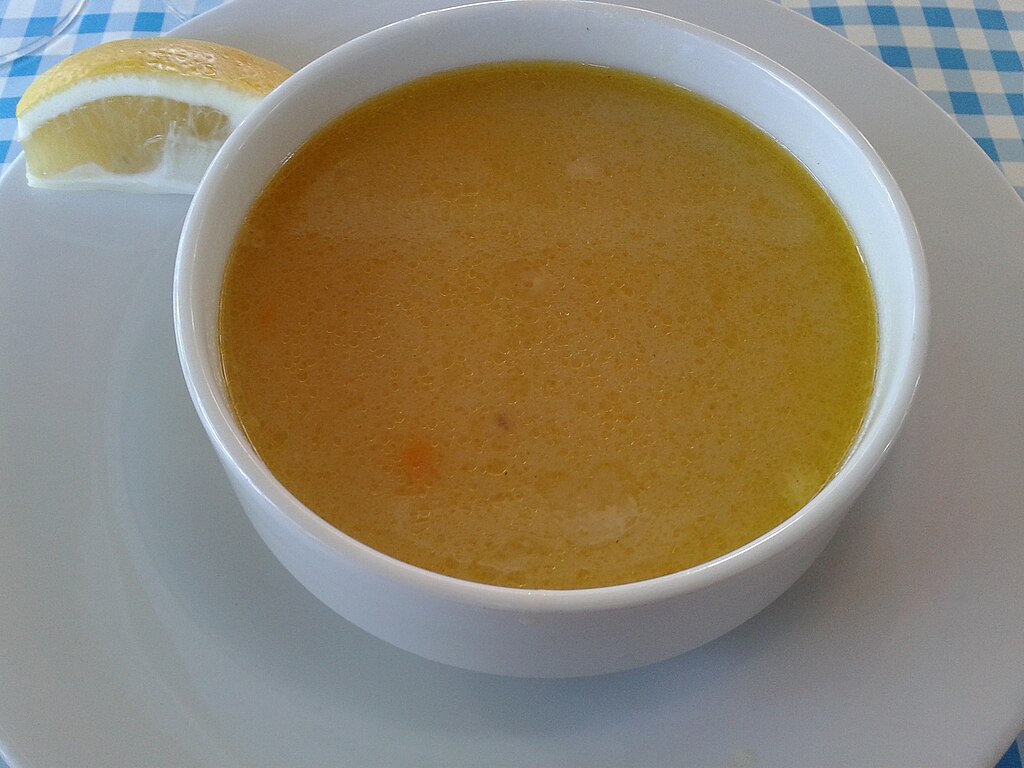
Chicken broth and simple soups become household staples as flu season intensifies. Moms rely on them for hydration, warmth, and easy meals when energy is low. Broth is gentle on the stomach and works as a base for vegetables, grains, and proteins. It feels nourishing without being heavy. Many families associate soup with care and recovery. Stocking broth allows quick preparation of comforting meals that support routine nourishment when illness is circulating. During flu season, moms focus less on extremes and more on consistency. These foods are not viewed as cures, but as supportive choices that fit naturally into daily meals. Stocking familiar, flexible ingredients helps families maintain routines even when schedules feel disrupted. Immune support becomes part of everyday nourishment rather than a separate task. This practical approach reflects how many households quietly adapt during flu season, prioritizing comfort, balance, and reliability.