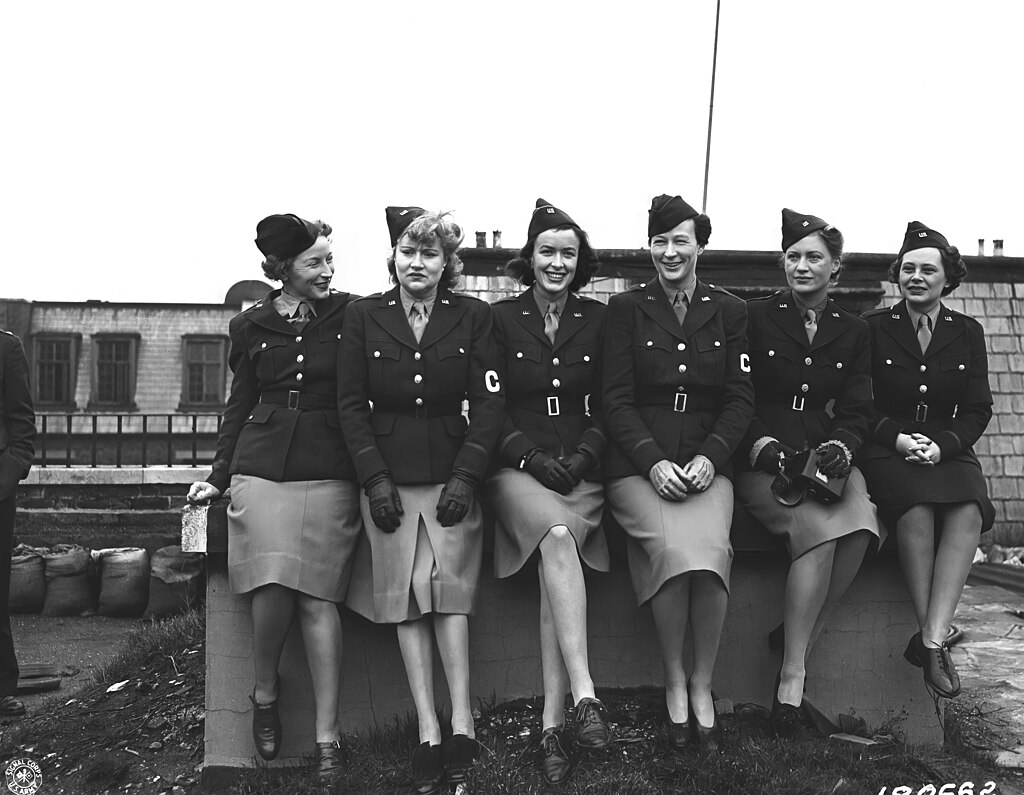

As technology continues to evolve, so do the ways we live, work, and interact with our homes. Many household items that once played essential roles in everyday family life have become obsolete as we’ve shifted into a more digital world. Whether it’s the convenience of smartphones or the simplicity of cloud storage, these digital advances have phased out some of the old-school items we used to rely on. Here’s a look at 7 household items that have disappeared as families embraced the digital age.
Landline Phones
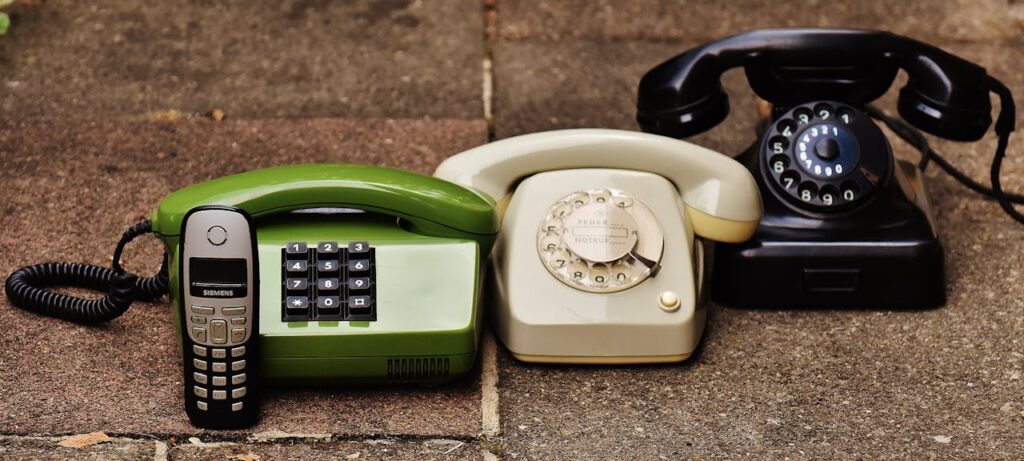
Once a staple in every home, the landline phone has largely disappeared as mobile phones have become the primary mode of communication. For decades, families relied on home phones to stay connected, and they served as the central hub for calls and messages. The fixed nature of the landline meant people couldn’t move around much while talking, and it also often came with a hefty monthly bill. With the rise of cell phones, people no longer need a landline to communicate, and many households have opted to cut the cord entirely.
CD and DVD Players
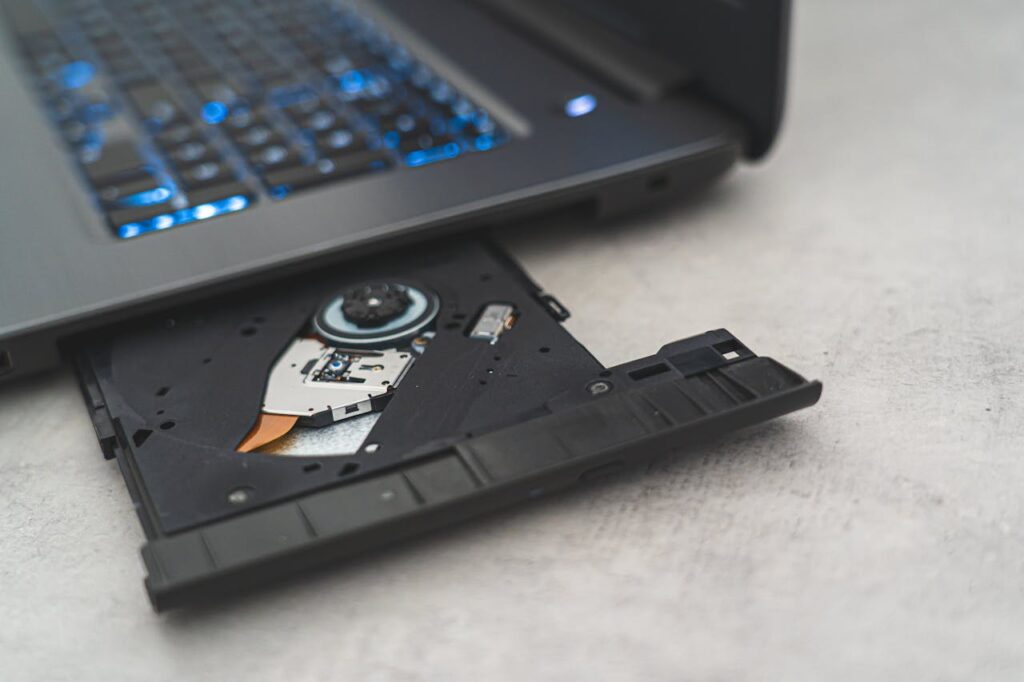
Remember when a CD player or DVD player was essential for listening to music or watching movies? Those devices once filled shelves with stacks of discs, but today, they’ve all but disappeared. Streaming services like Spotify, Apple Music, Netflix, and Hulu have replaced the need for physical media. We no longer have to worry about finding a DVD to watch or a CD to pop into the player. Now, everything we need is available at the push of a button on a smart TV, laptop, or smartphone. While vinyl records have made a small comeback for audio enthusiasts, the CD and DVD players have slowly become relics of the past.
Alarm Clocks

In the pre-smartphone era, the alarm clock was an essential household item. It sat on your bedside table, waking you up with a beep or a radio station playing your favorite tunes. However, with the advent of smartphones, most people now use their phones as alarm clocks. Smartphones come with customizable alarms, vibration settings, and the ability to sync with sleep cycles. The convenience of having your phone by your bedside means you no longer need a separate device to wake you up in the morning.
Fax Machines
Ries Bosch/Unsplash
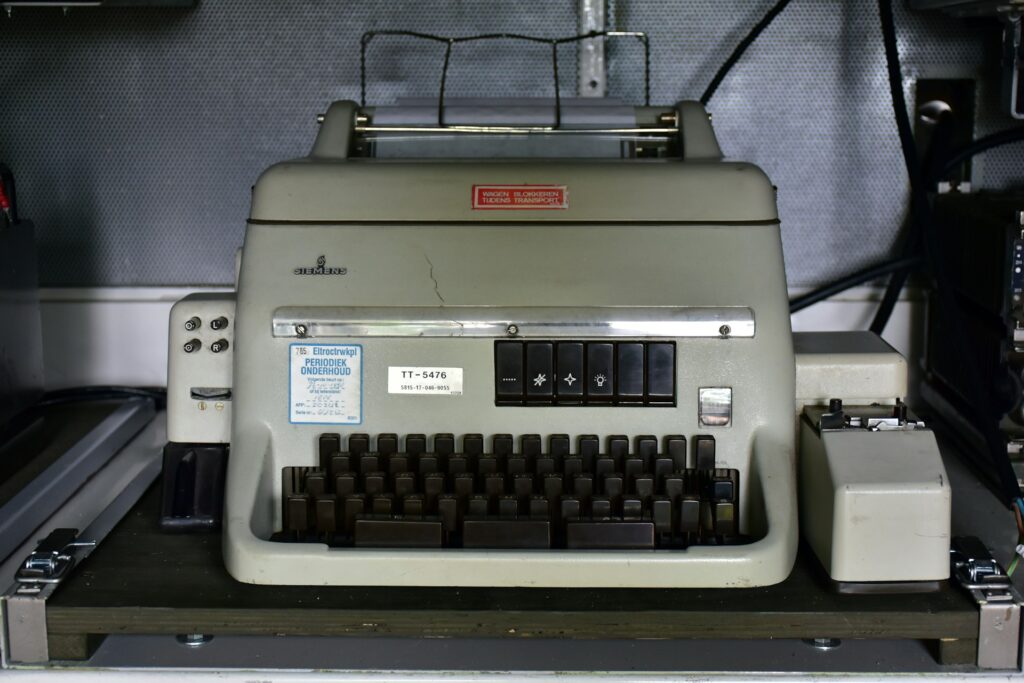
The fax machine was once a crucial part of many businesses and home offices, used for sending and receiving important documents. It seemed indispensable during the late 20th century, especially for contracts, invoices, and other paperwork. However, with the rise of email, cloud services, and digital document signing platforms, the need for faxing has dwindled. Today, people can scan and send documents directly from their phones or computers without needing a bulky machine and a dedicated phone line.
Film Cameras
Arthur A/Pexels
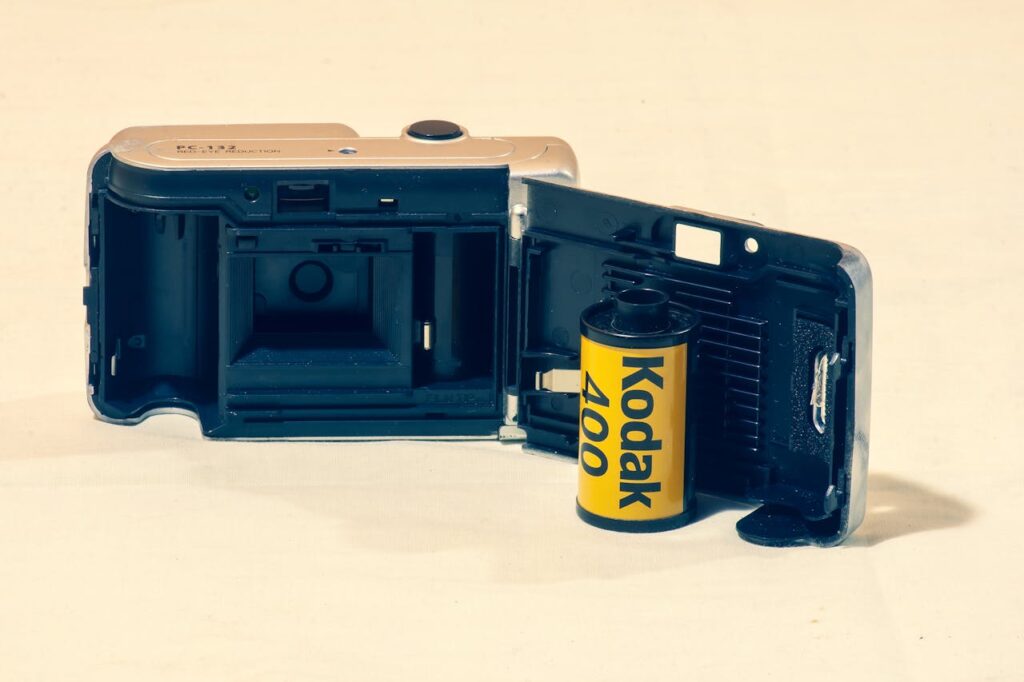
In the past, capturing memories meant loading a roll of film into a camera, carefully taking shots, and then waiting for the film to be developed at the local store. It was a slower, more deliberate process. But the advent of digital photography changed all that. Digital cameras—and more recently, smartphones—have made taking pictures as easy as tapping a screen. Photos are instantly viewable, and you don’t have to worry about wasting film or getting blurry shots. Plus, the ability to store thousands of photos on a device or in the cloud makes it all the more convenient.
Printed Maps

For years, printed maps were an essential household item for navigating new areas or going on road trips. If you wanted to explore a new city or go on vacation, you’d head to a gas station or bookstore to buy a map or atlas. But in the age of GPS and digital maps, printed roadmaps have virtually disappeared. Smartphone apps like Google Maps or Apple Maps have made it so easy to get turn-by-turn directions in real-time, and many of us rely on these digital solutions every day. With apps that even warn us of traffic, construction, and accidents, it’s no surprise that paper maps are no longer a household necessity.
Video Cameras (VHS/Camcorders)

Before smartphones and digital cameras, families would often capture important moments using bulky video cameras or VHS camcorders. These devices were the go-to for capturing weddings, birthdays, and family vacations. The video files would be stored on VHS tapes or later digital memory cards, but the technology has changed drastically. Now, smartphones, tablets, and digital cameras are equipped with powerful cameras that shoot high-quality video and are always with us.
As technology continues to evolve, certain household items that were once integral to our daily lives have quietly disappeared or become obsolete. The shift to a more digital lifestyle has made many physical items redundant, replacing them with faster, more efficient alternatives. While the gadgets we once relied on may be gone, the technological advancements that have replaced them have made life more convenient in countless ways. While it’s easy to feel nostalgic for these items, it’s clear that the digital age has brought many improvements, making our homes more connected, efficient, and versatile than ever before.