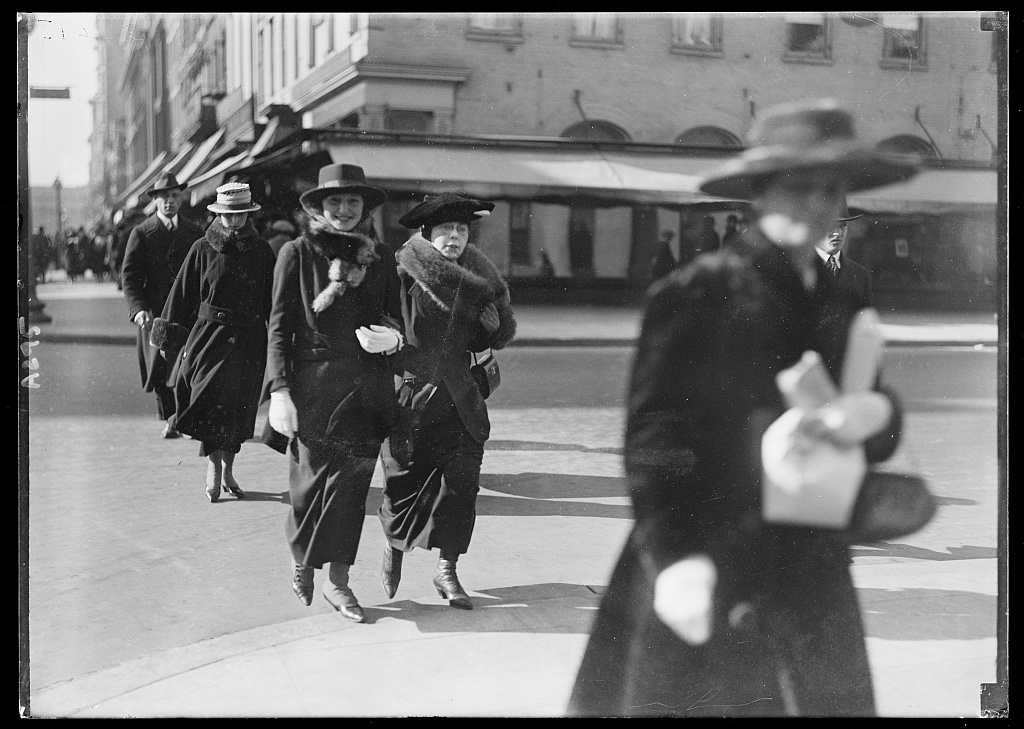
Old photos often do more than show famous people or major events. They catch the small habits that once felt ordinary and now look almost foreign. A crowded street with no cars, children playing outside without much adult supervision, shoppers standing at a butcher counter instead of walking aisles, or an office full of typewriters can tell you a lot about how daily life really worked. The biggest changes usually were not announced with fanfare.
They arrived slowly through electricity, refrigeration, cars, television, suburbs, air conditioning, digital tools, and changing ideas about work and family. Looking at everyday scenes makes that shift easier to feel. These images remind us that modern life did not appear all at once. It was built piece by piece, routine by routine, until older ways started to feel almost invisible.
A city street before cars took over
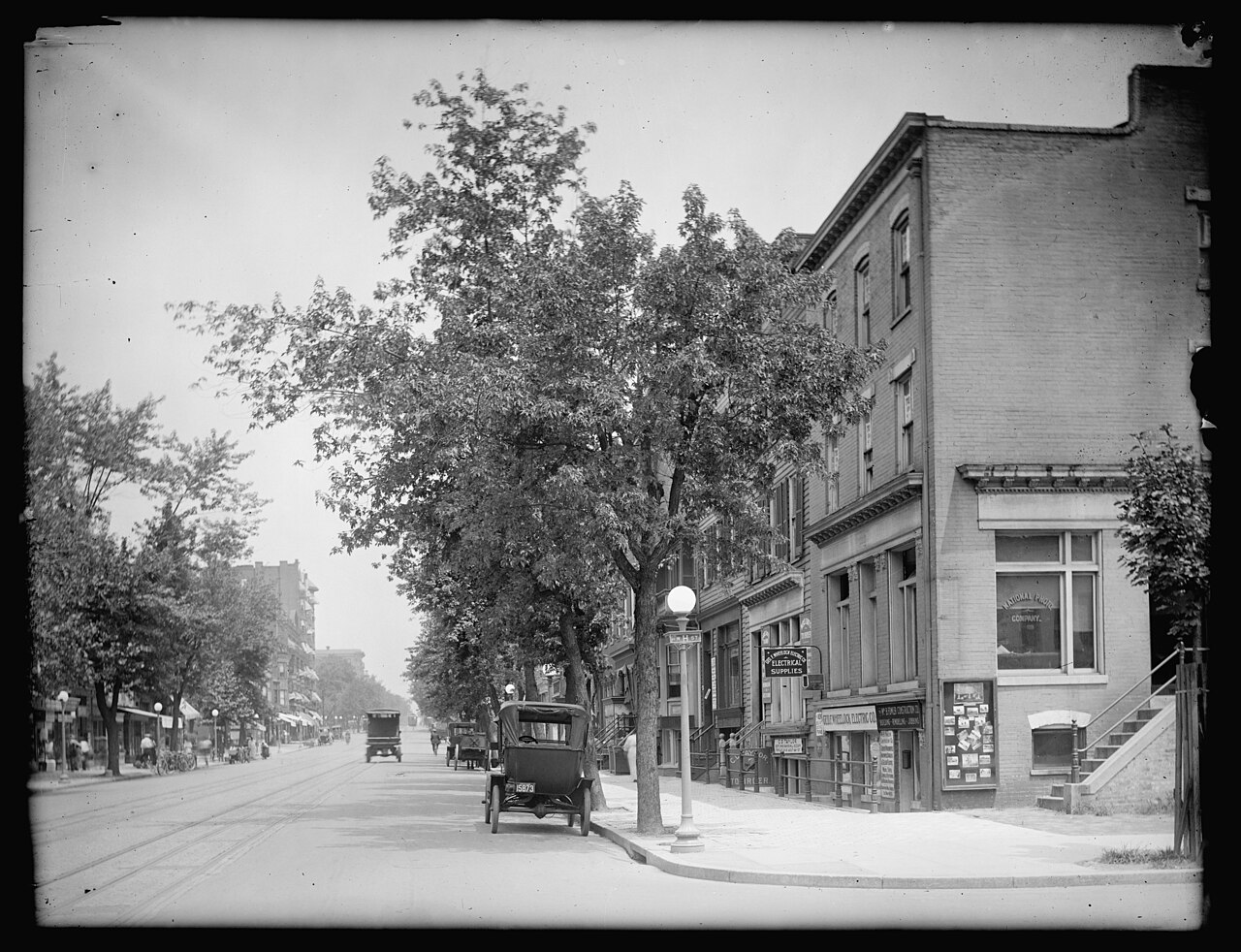
Photos of American downtown streets from the late nineteenth and early twentieth centuries often look packed, but they move by a different logic. You see pedestrians in the road, horse drawn wagons, streetcars, pushcarts, and storefronts pressed close together. The striking part is not just the lack of modern vehicles. It is how public space was shared. Streets were still social and commercial places, not just channels for fast movement.
As cars spread, road design, zoning, and shopping habits changed with them. Sidewalk life shrank in many places, while parking lots and wider roads grew. Looking at those older photos helps explain why many historic districts still feel easier to walk than newer ones. It does not mean the past was better in every way. It means the street itself once served more purposes at once, and that changed the rhythm of ordinary life in ways most people now take for granted.
Children outside for hours with barely any structure
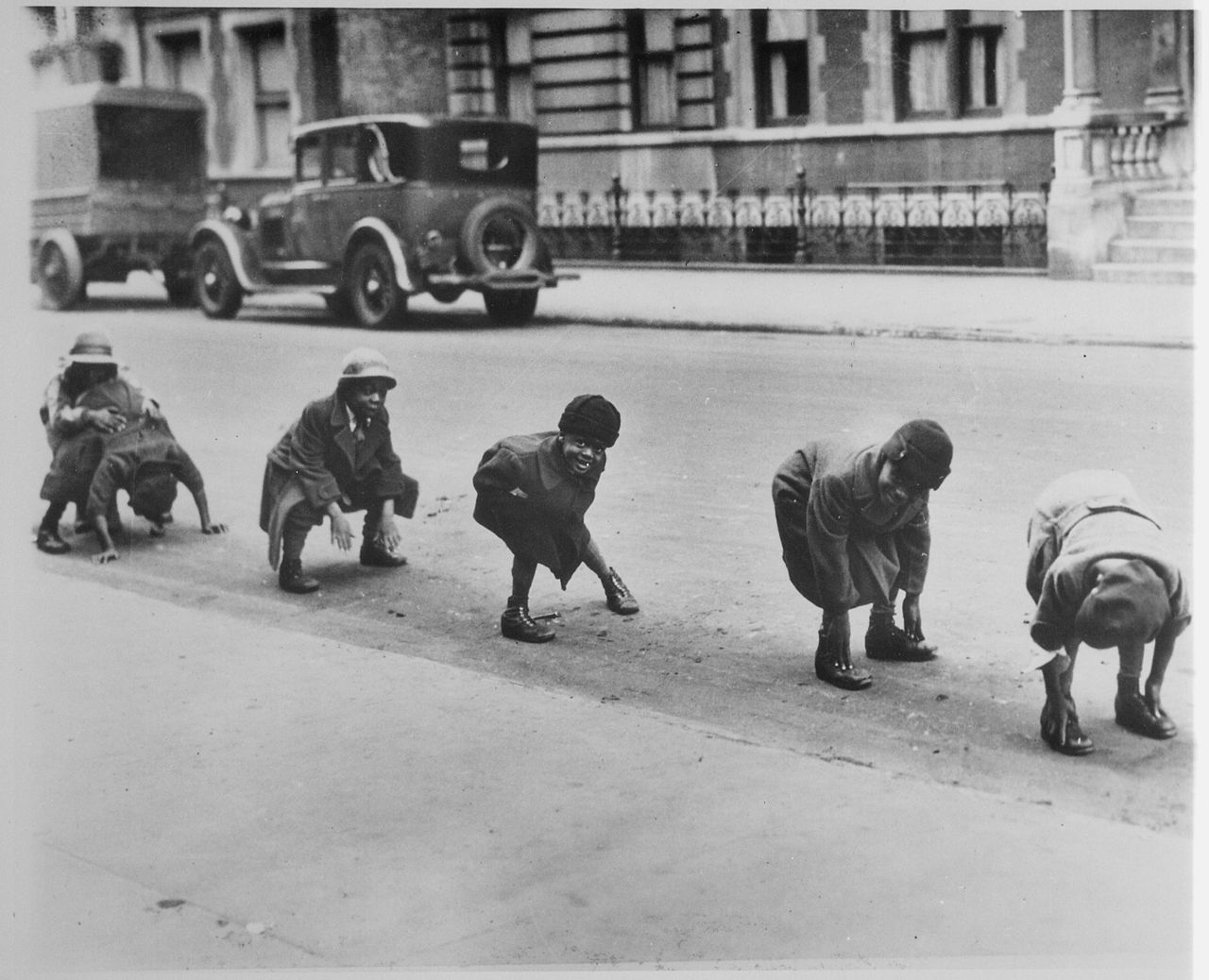
Many historical photos of neighborhoods, stoops, vacant lots, and schoolyards show children occupying space very freely. They are playing stickball, sitting on curbs, walking home alone, helping with errands, or improvising games with whatever is around. One overlooked detail is how much of childhood used to happen in mixed age groups without much adult management.
Older kids watched younger ones, and play was often woven into the neighborhood itself. Today, childhood is usually more scheduled, supervised, and indoors than it was for much of the twentieth century. That shift came from many directions, including traffic, two income households, fear of crime, school expectations, and screens. Looking at those photos can keep people from romanticizing everything, because earlier eras also had more hazards and fewer protections. Still, they show that children once had far more unscripted time, and that shaped independence in a very different way from the activity driven childhood many families know today.
Grocery shopping before the modern supermarket
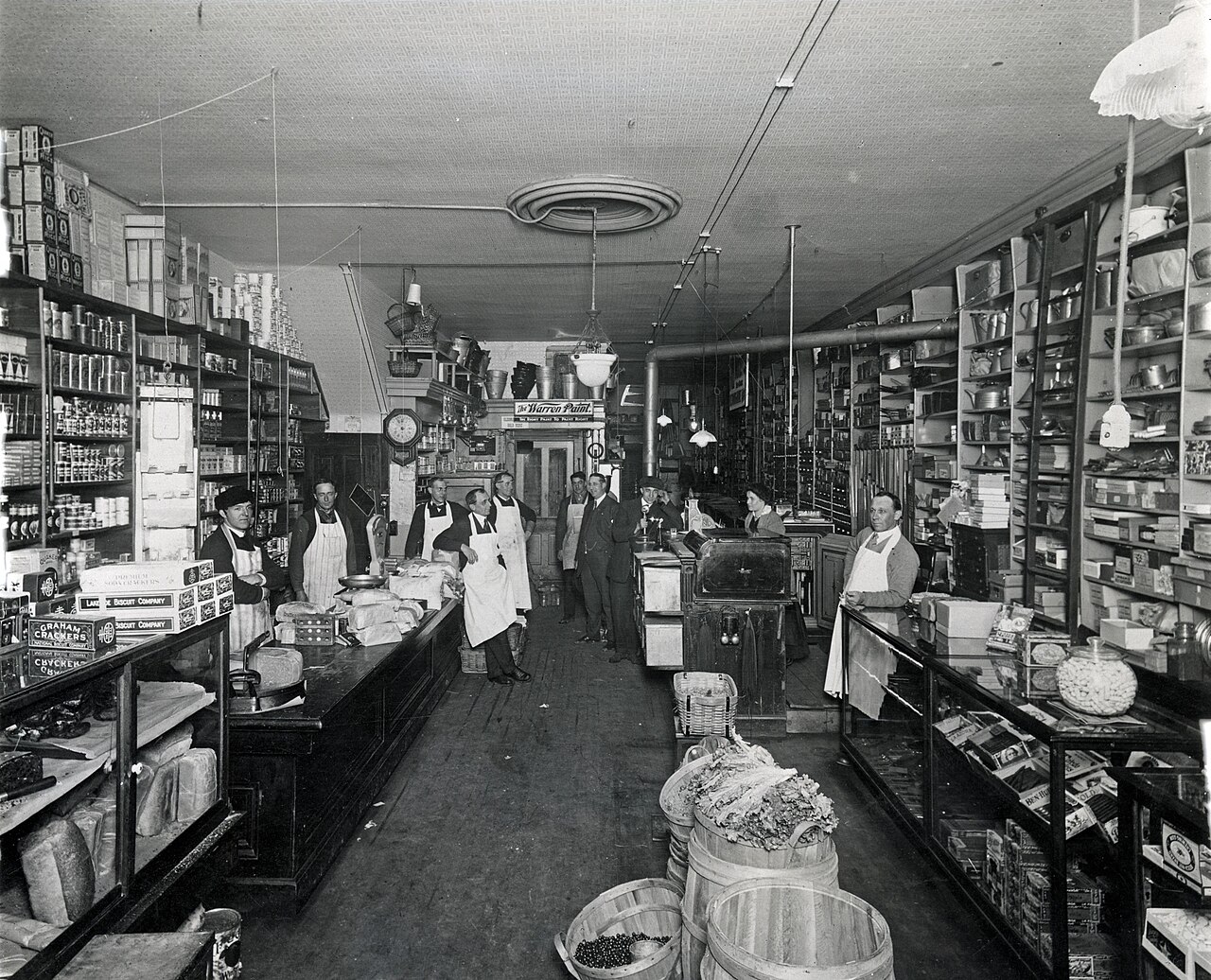
Older photos of food shopping often surprise people because they show how fragmented the process used to be. Families commonly visited separate shops for meat, bread, produce, and dry goods, and many items were measured by a clerk instead of pulled off a shelf by the customer. The modern supermarket changed far more than convenience. It altered packaging, household storage, impulse buying, labor patterns, and even meal planning.
Refrigeration at home mattered just as much, because buying in bulk only works when food can last. When you look at historic photos of market counters and neighborhood grocers, you are seeing a world where shopping happened more often, with less variety in some seasons and more direct contact with the people selling the food. That does not automatically mean it was fresher or healthier. It does show that everyday eating once depended more on local rhythms and repeated small trips, rather than one large weekly haul under bright fluorescent lights.
An office full of typewriters, paper, and visible labor
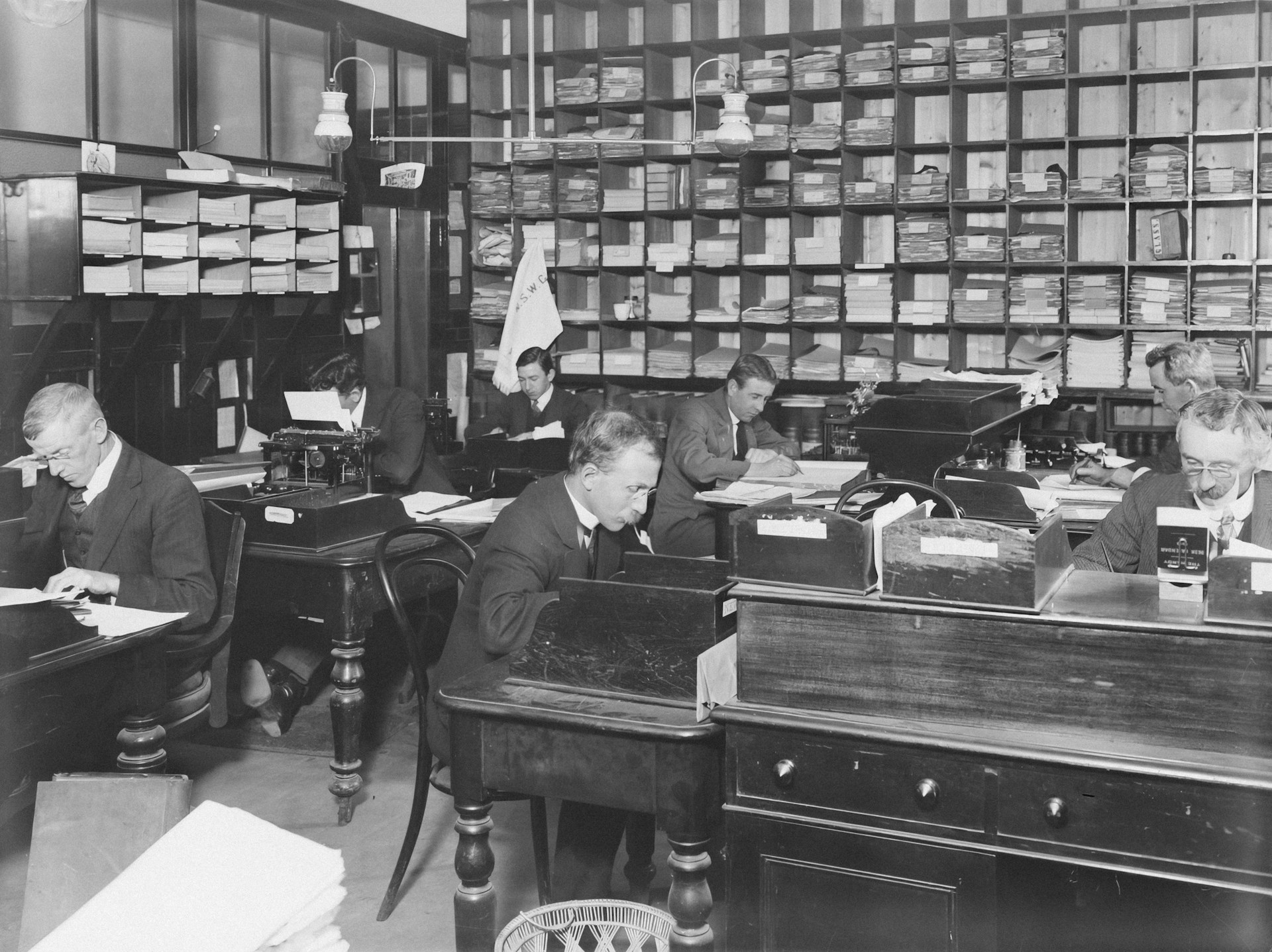
Historical office photos can look neat and calm at first glance, but the details tell a different story. Rows of desks, stacks of paper, filing cabinets, carbon copies, stenographers, switchboards, and clerks reveal how much routine work used to depend on manual handling. Even a small mistake could mean retyping a page or physically moving a file from one room to another. What changed was not only speed. The whole structure of office work shifted once computers, email, spreadsheets, and digital storage became normal.
Some jobs disappeared, others expanded, and many workers were expected to handle tasks that once belonged to several separate roles. These photos are useful because they make hidden labor visible. They also clear up a common misunderstanding that older workplaces were somehow simpler. In some ways they were more straightforward, but they were also slower, more hierarchical, and far more dependent on repetitive human effort than most people now realize.
Laundry day as a household event
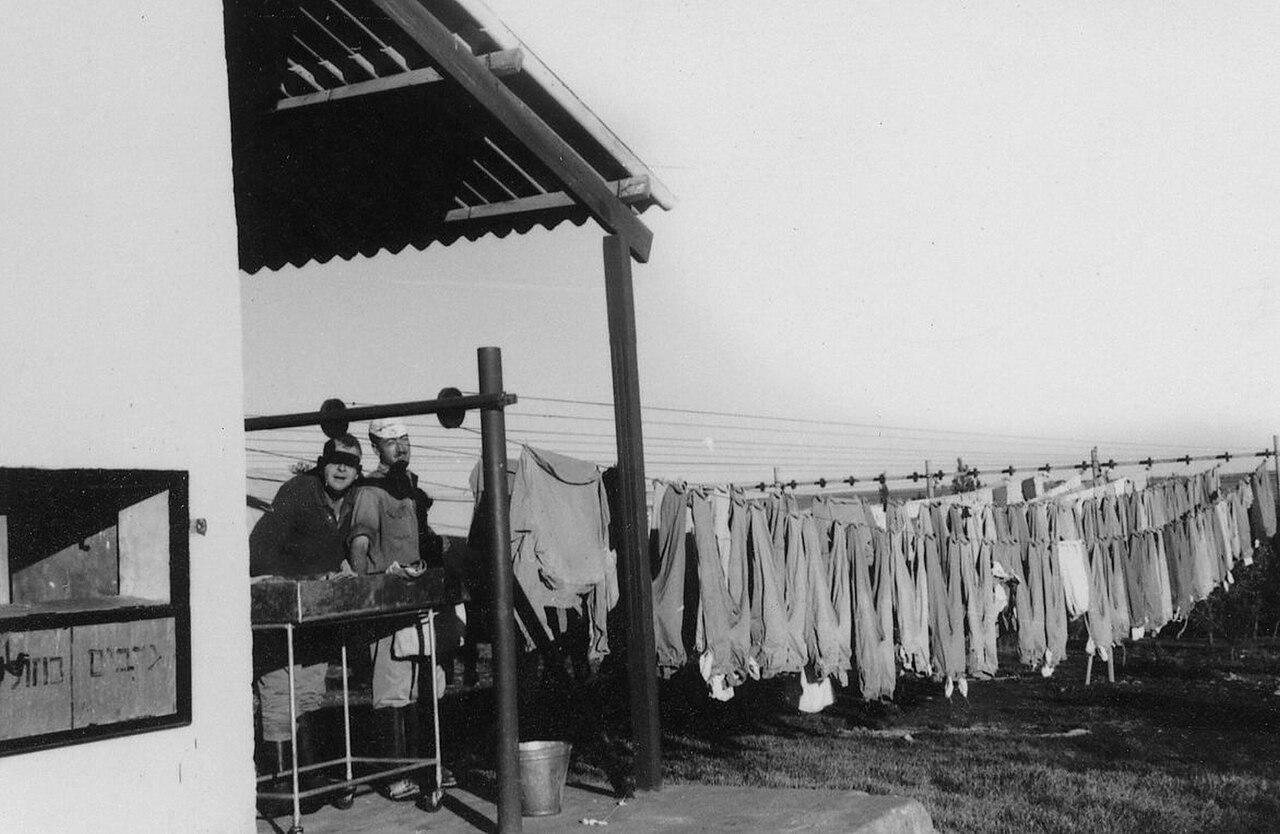
Photos of washing clothes in tubs, wringers, backyard lines, laundries, or apartment basements show how physically demanding basic housekeeping used to be. Laundry was not a quick background chore. It could take most of a day and involved hauling water, heating it, scrubbing fabric, lifting wet clothing, and managing weather if things had to dry outside. Electric washers and dryers did more than save time.
They changed domestic schedules, standards of cleanliness, and expectations for how often clothing, bedding, and towels should be washed. Looking at these images can also correct the easy idea that older households were simply more disciplined. Often they had no choice but to organize life around labor intensive tasks. One lesser noticed change is that modern appliances also reduced the need to own quite as many durable work clothes designed to survive hard washing methods. Those laundry photos make daily life from the past feel much more physical, and that is a big part of what modern comfort tends to hide.
Living rooms arranged around people, not screens
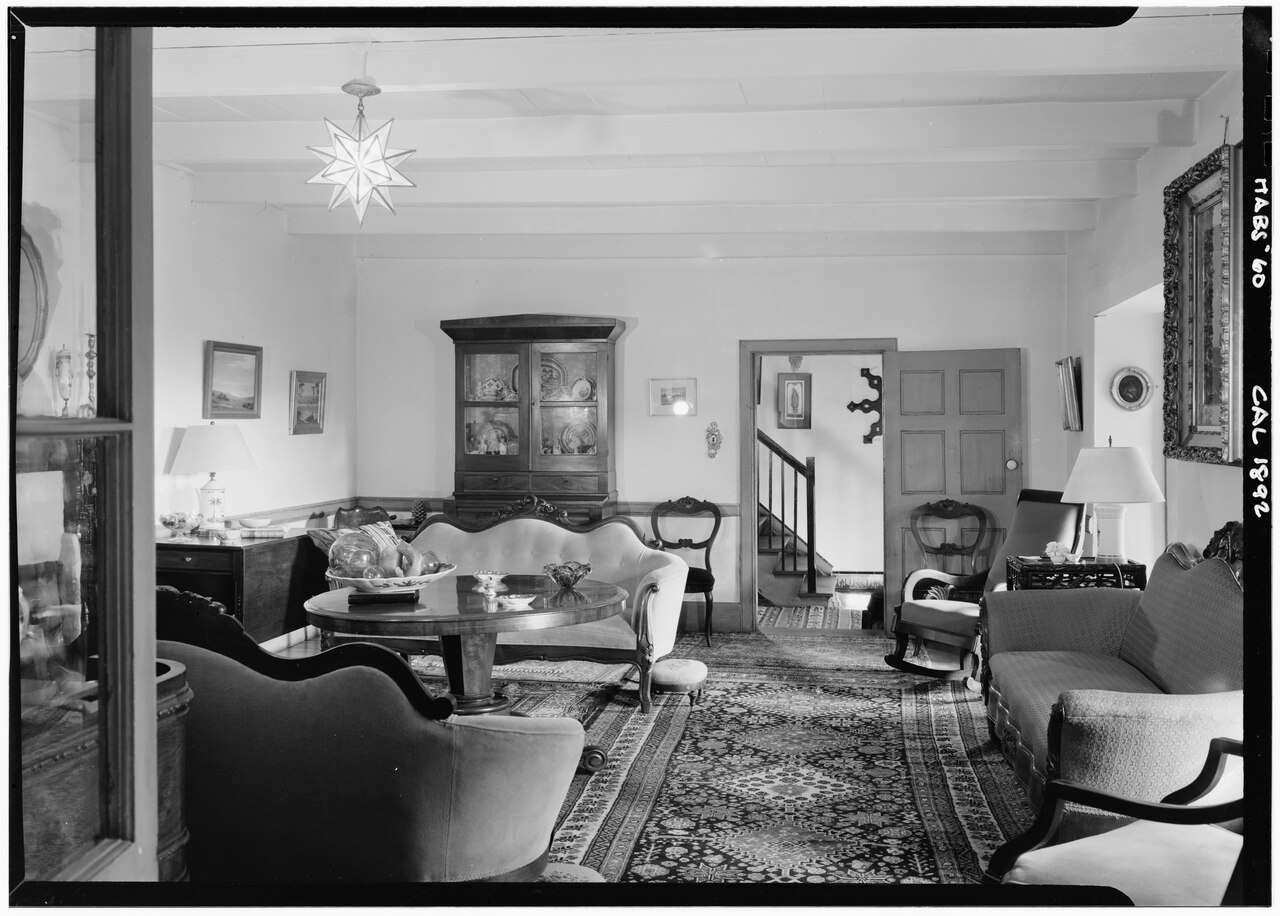
Interior photos from the early and middle twentieth century often show living rooms organized for conversation, reading, sewing, music, or radio listening rather than constant visual entertainment. Once television became dominant, furniture slowly started turning toward a single focal point. Later, larger screens, multiple devices, and personal electronics changed the room again, sometimes making shared family space feel less shared than it looks. Historical photos help you see that even something as ordinary as chair placement reflects a much larger change in attention.
The room itself began to serve media consumption more than face to face gathering. That does not mean families in the past were always deeply engaged with one another. Plenty of people were tired, distracted, or busy then too. But the tools competing for attention were fewer, and that shaped the texture of evenings at home. A simple old room photo can show how technology quietly rewrote domestic life without anyone needing to declare a revolution.
Travel that required more patience and preparation
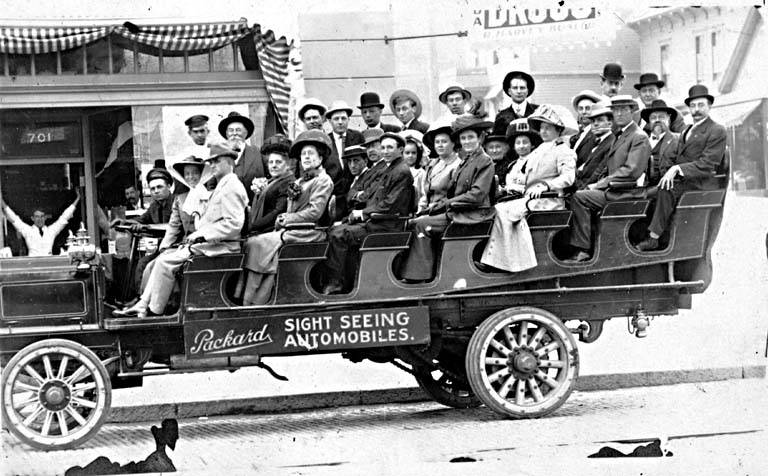
Older photos of train stations, bus depots, early airports, and roadside scenes show a style of travel that was often slower, more formal, and less individualized. People carried less, dressed more carefully for public movement, and relied on timetables, printed tickets, and face to face questions. Air travel in particular once felt closer to an event than a routine inconvenience, though it was available to fewer people and often far less flexible.
Over time, highways, mass car ownership, budget airlines, online booking, and real time navigation made movement easier in some ways and more exhausting in others. Looking at those images can help people notice what was traded away along with the inconvenience. Fewer choices sometimes meant fewer decisions. At the same time, old travel was not magically elegant for everyone. It could be segregated, uncomfortable, and inaccessible. The photos matter because they show that ordinary movement through the world used to ask more patience, and modern mobility changed expectations far beyond the trip itself.