Gun safety at home is one of those subjects where the plain rules matter more than image, habit, or confidence. In many families, especially where one parent has handled firearms for years, there can be a tendency to treat familiarity as proof of safety. That is exactly where problems begin. A home is not a shooting range, and children do not need a dramatic mistake for danger to appear. Unlocked storage, casual handling, loaded guns left accessible, and assumptions about what kids do or do not know can create serious risk very quickly.
Across the United States, pediatricians, gun safety groups, and firearm instructors have pushed the same message for years. Secure storage saves lives. More parents are now insisting that common sense rules be followed consistently, not only when guests come over or when children are small. The change is quiet, but it matters, because the safest home is usually the one that treats routine as seriously as emergency.
Every firearm stays locked, not just hidden
One of the most important safety rules in any home is that firearms should be locked, not merely tucked away in a drawer, closet, vehicle console, or high shelf. Hiding a gun is not the same thing as securing it. Children are curious, teenagers explore, guests move around, and burglars know the usual places adults think are clever. Locked storage using a gun safe, lockbox, or other secure device sharply reduces unauthorized access. The practical habit is simple enough to follow every day. The gun goes back into locked storage the moment it is not under direct control. No temporary shortcuts.
A common misunderstanding is that this rule only matters in homes with young children. In reality, older kids, visiting relatives, and adults in crisis can all be put at risk by an accessible firearm. Locked storage may feel less convenient in the moment, but convenience is exactly the thing that creates preventable tragedy inside ordinary households.
Ammunition is stored separately
Storing ammunition separately from firearms adds a second layer of protection that many households still skip when they get casual. A locked gun with loaded magazines sitting next to it is more secure than an unlocked gun on a nightstand, but it is still not the strongest setup for homes with children or frequent visitors. Separation forces extra steps before a gun can be used, and those steps matter.
They reduce impulsive access and buy time in situations involving curiosity, panic, or emotional crisis. The best practical approach is to keep ammunition in its own locked container and make that arrangement part of the normal household routine rather than a special occasion rule. This is not about pretending a person cannot reach their own firearm if they choose to. It is about making quick unauthorized use less likely. That distinction matters, because good safety practice is often built on delaying the wrong action, not imagining risk will disappear on its own.
No one handles a gun casually to show it off
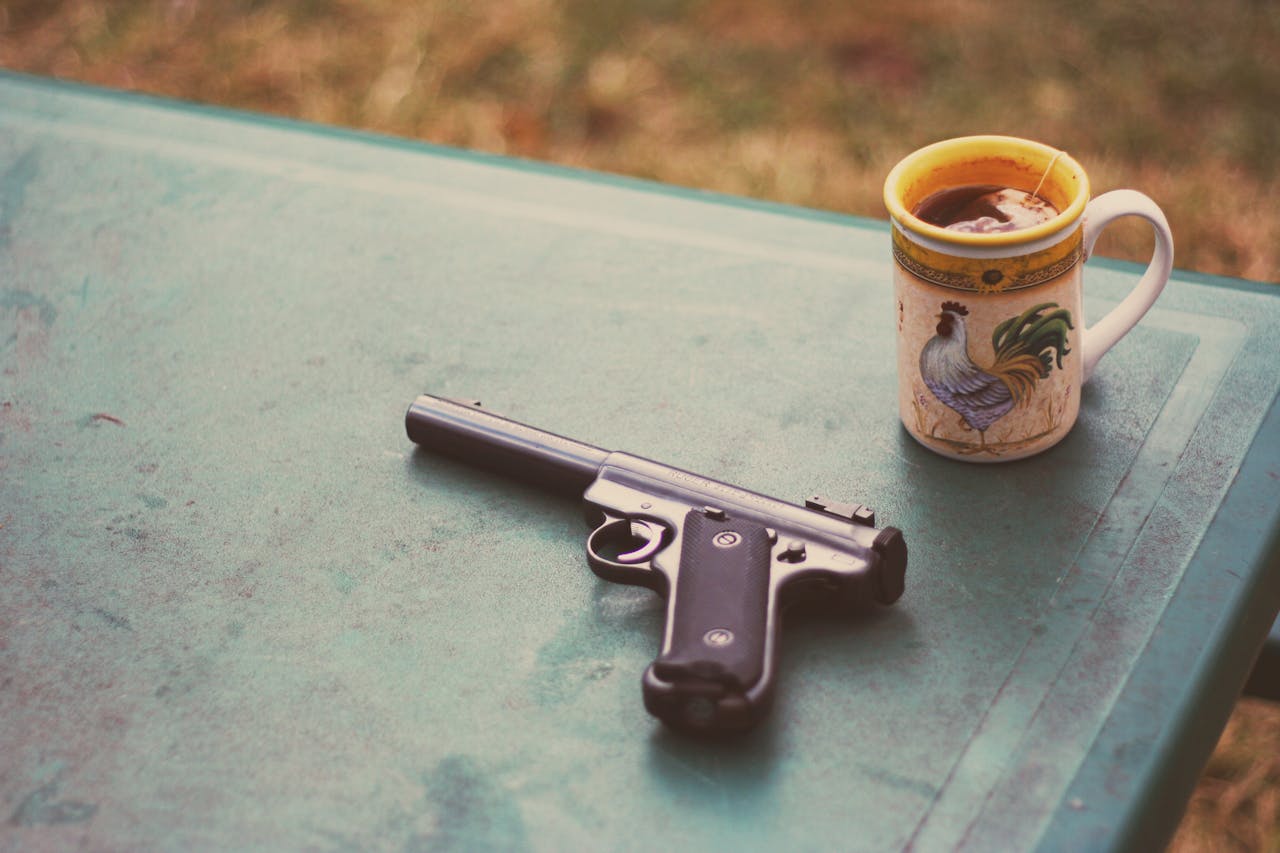
Many preventable incidents start with a familiar phrase that sounds harmless. Someone just wants to show the gun, clean it for a second, compare it to another firearm, or hand it to a friend who is curious. Safe homes do not treat handling as social theater. A firearm is checked, cleared, and handled for a purpose, not as a prop during conversation. This rule is especially important with adults who feel experienced, because confidence can make people sloppy in ways beginners often are not.
The practical shift is to create a house norm that guns stay stored unless there is an actual reason to take one out, and then standard safety steps are followed every single time. A common misunderstanding is that a quick peek does not count as handling. It absolutely does. The risk is not only discharge. It is normalization. Casual display teaches everyone nearby that the rules are flexible, and that is the kind of lesson a household does not need.
Assume children notice more than adults think
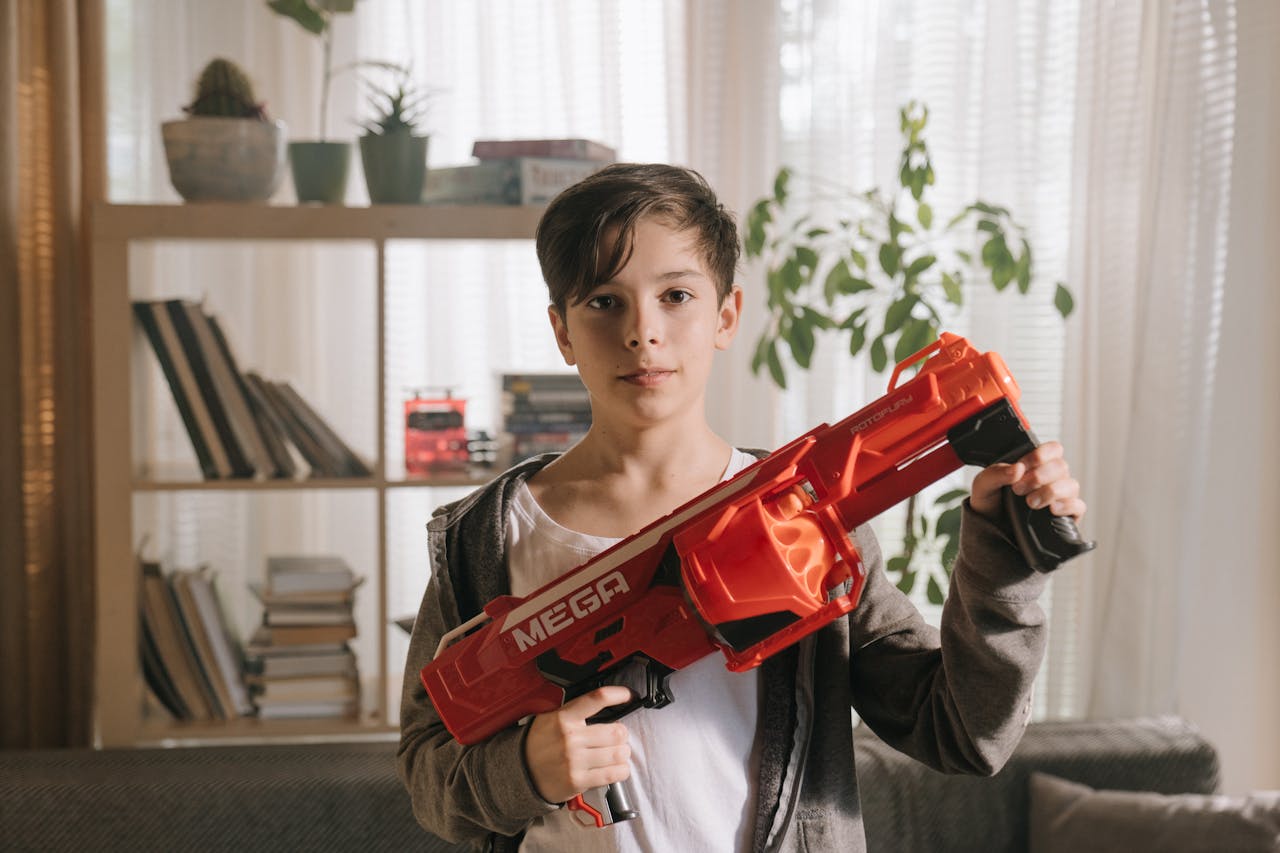
Adults are often wrong when they say a child has no idea where the guns are or would never touch one. Research and real life both show that children are observant, and many know far more about household routines than parents realize. They notice keys, codes, favorite drawers, and moments when adults leave things unattended. Older children may also stay silent because they know they are not supposed to know. The practical response is not paranoia. It is honesty.
Set up storage and handling rules on the assumption that children are paying attention, because they usually are. That means no leaving a firearm unattended while answering the door, changing clothes, or stepping into another room for a minute. The clarification here is important. This is not about distrusting your own child’s character. It is about respecting normal curiosity and the fact that kids do not need bad intentions to make a dangerous decision. They only need access and one unsupervised moment.
Friends and relatives do not get a free pass

A safe household rule loses its value if it applies only to the immediate family. Grandparents, visiting relatives, babysitters, and family friends can introduce risk without meaning to, especially if they carry a firearm or keep one in a bag, vehicle, or coat pocket. One of the healthiest changes in American homes is that more parents now ask direct questions before playdates, visits, or overnight stays. They also set expectations for their own guests. If a firearm comes into the house, it follows the same storage rules as every other gun there. This can feel awkward the first few times, but awkward is much cheaper than regret.
The misunderstanding to avoid is the idea that asking about gun safety is rude or political. It is neither. It is ordinary household risk management, no different in spirit from asking about pool gates, medications, or allergies. Families do not need a debate. They need the confidence to make the home standard clear and stick to it without apology.
Emotional stress changes the safety plan

One overlooked safety rule is that gun storage should become stricter, not looser, during periods of unusual stress. That includes depression, intense grief, substance use, major family conflict, or any situation where someone in the home is not steady. Firearms do not become more dangerous because emotions exist, but access during emotional crisis can raise the stakes quickly. A practical household plan might involve temporarily moving firearms to a more secure arrangement, changing access methods, or storing them outside the home in a lawful, trusted way when risk is elevated. This is not an accusation against anyone’s character.
It is a recognition that judgment can shift under pressure. Families often misunderstand this step as dramatic or insulting. In reality, it is one of the most mature safety decisions a household can make. The same people who buckle up before a rough drive should understand the logic here. When conditions change, safety practice changes with them.
The rule has to be followed every single time
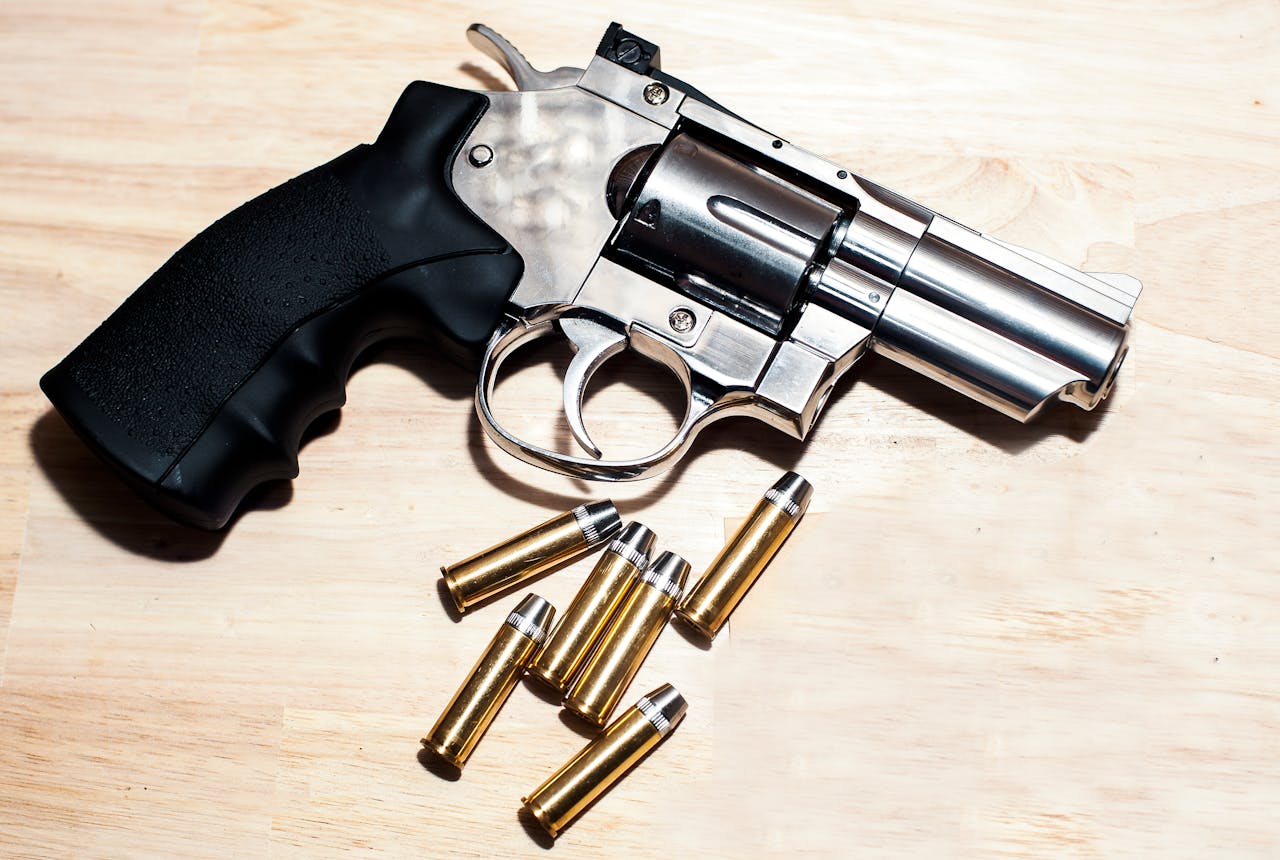
The final difference between a home that is merely armed and a home that is genuinely safe is consistency. Most households do not fail because nobody knew the right rule. They fail because somebody made an exception on a tired night, after a long day, during company, or because the gun would only be unattended for a minute. Safety routines only work when they survive ordinary human moods. That is why simple, repeatable systems matter more than impressive speeches about responsibility.
Locks need to be easy enough to use that adults will actually use them. House rules need to be specific enough that everyone knows what counts. It also helps to review the setup now and then, because children grow, codes spread, and routines drift. There is no need to turn the home into a fortress. But there is every reason to remove the little lapses that people later describe as unthinkable, even though they happened in plain sight.