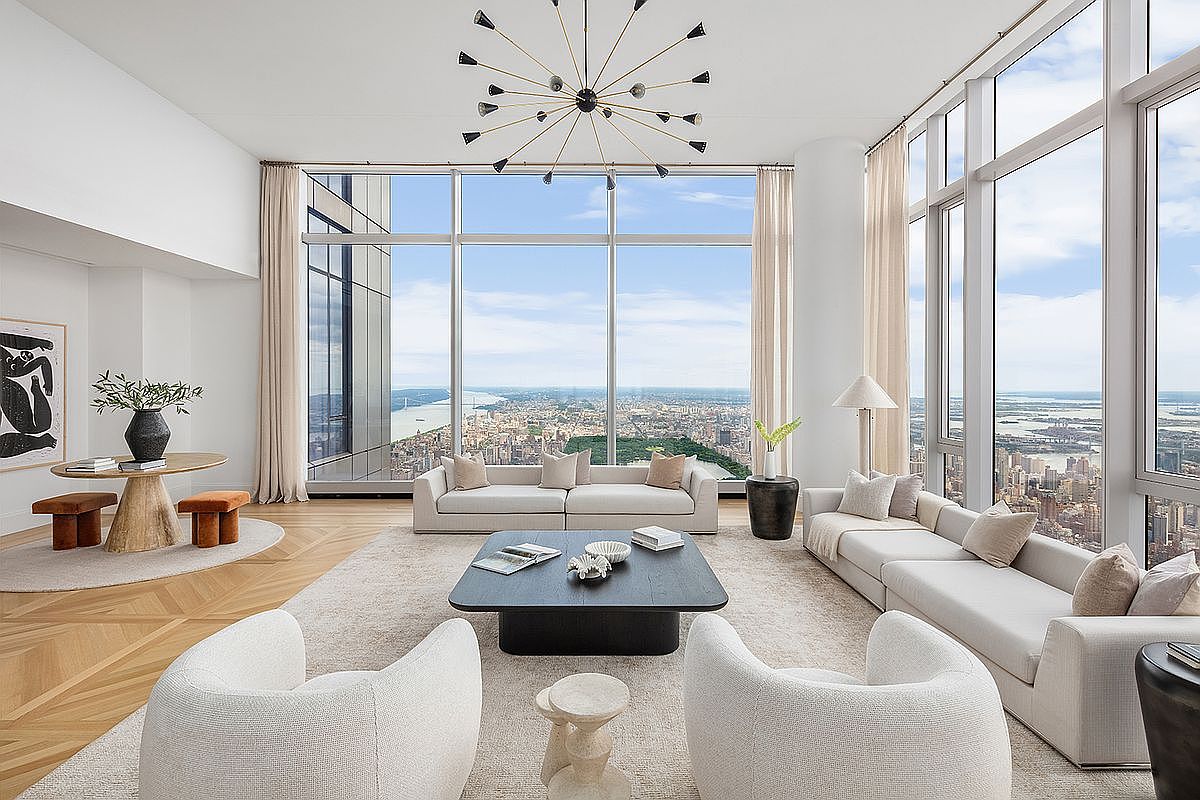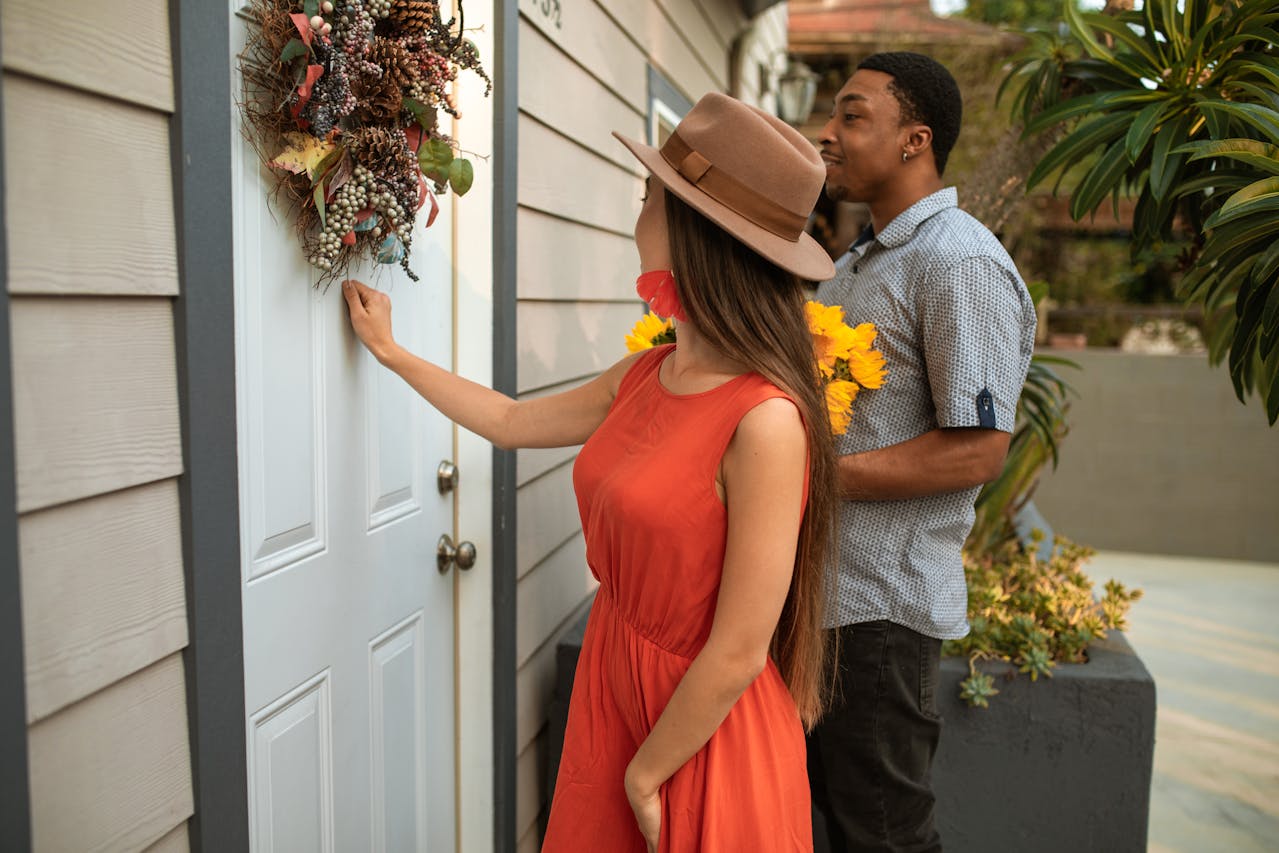
When someone visits your home for the first time, their impression forms quickly and quietly. It rarely depends on square footage or expensive décor. Instead, people register comfort, order, and attentiveness through small details that signal how a space is lived in and maintained. Most homeowners grow accustomed to their surroundings and stop noticing the gradual shifts that occur with daily use. But for guests, ordinary items shape perception in practical ways. Lighting, seating, surfaces, and small personal details all communicate something about readiness. When those elements are handled thoughtfully, the home feels settled and intentional rather than hurried. None of these adjustments demand major expense. They simply require stepping back and seeing your space through fresh eyes. That awareness shifts how guests experience your home from the moment they step inside.
Lighting Temperature
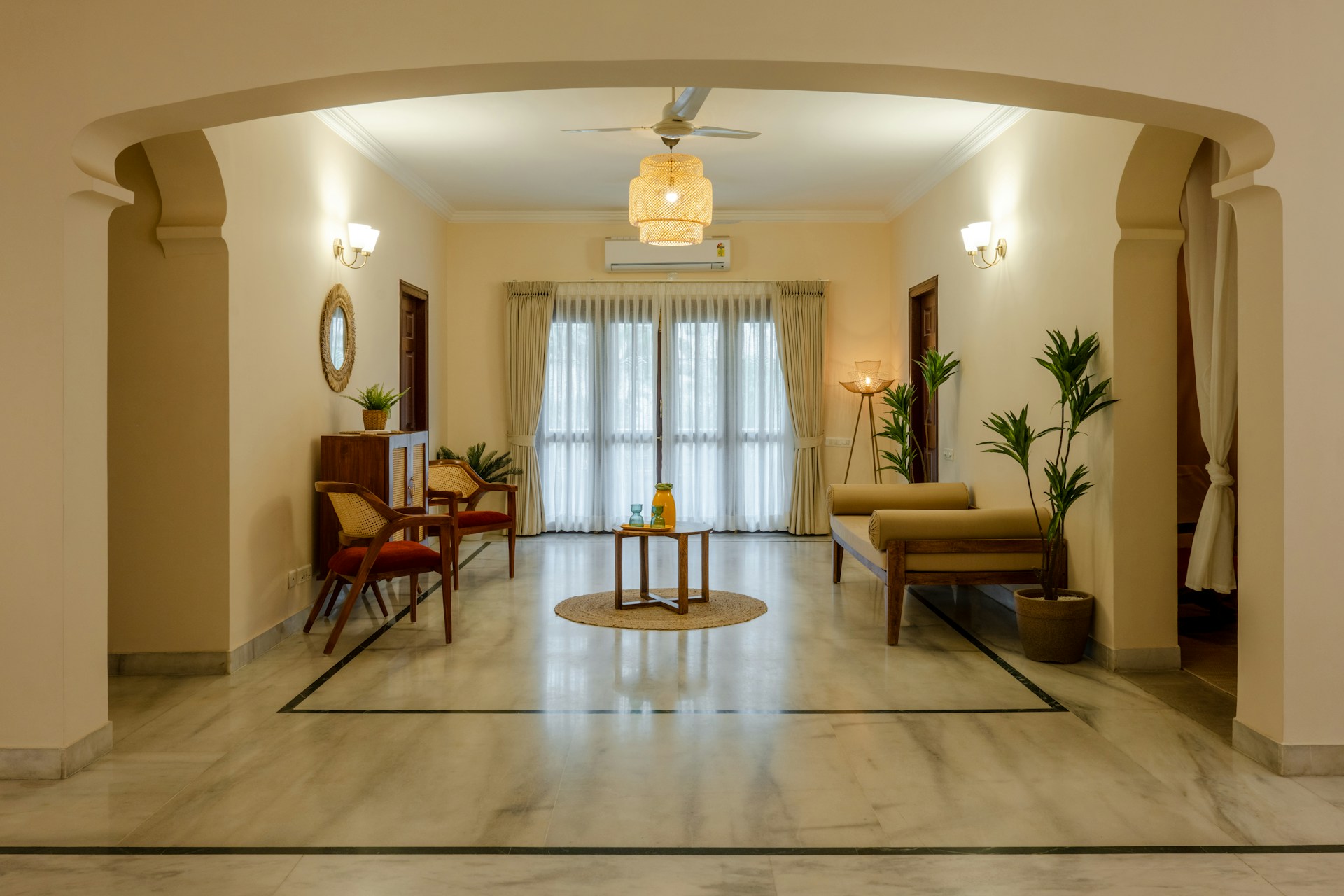
The quality of light shapes how faces, colors, and textures appear within seconds of arrival. Bulbs labeled warm white typically range between 2700 and 3000 Kelvin and create a softer, more natural glow than cooler daylight bulbs that can feel stark in residential spaces. Many homeowners replace bulbs based on brightness alone and overlook tone. If the light is too cool, it can exaggerate shadows and make even comfortable furniture feel rigid. Adjusting to a balanced warm tone preserves visibility without harshness. This is not about dim lighting, which can cause its own discomfort, but about choosing a temperature that supports relaxed conversation. Thoughtful lighting at the door sets a calm and steady first impression.
Clean but Not Overloaded Coffee Tables
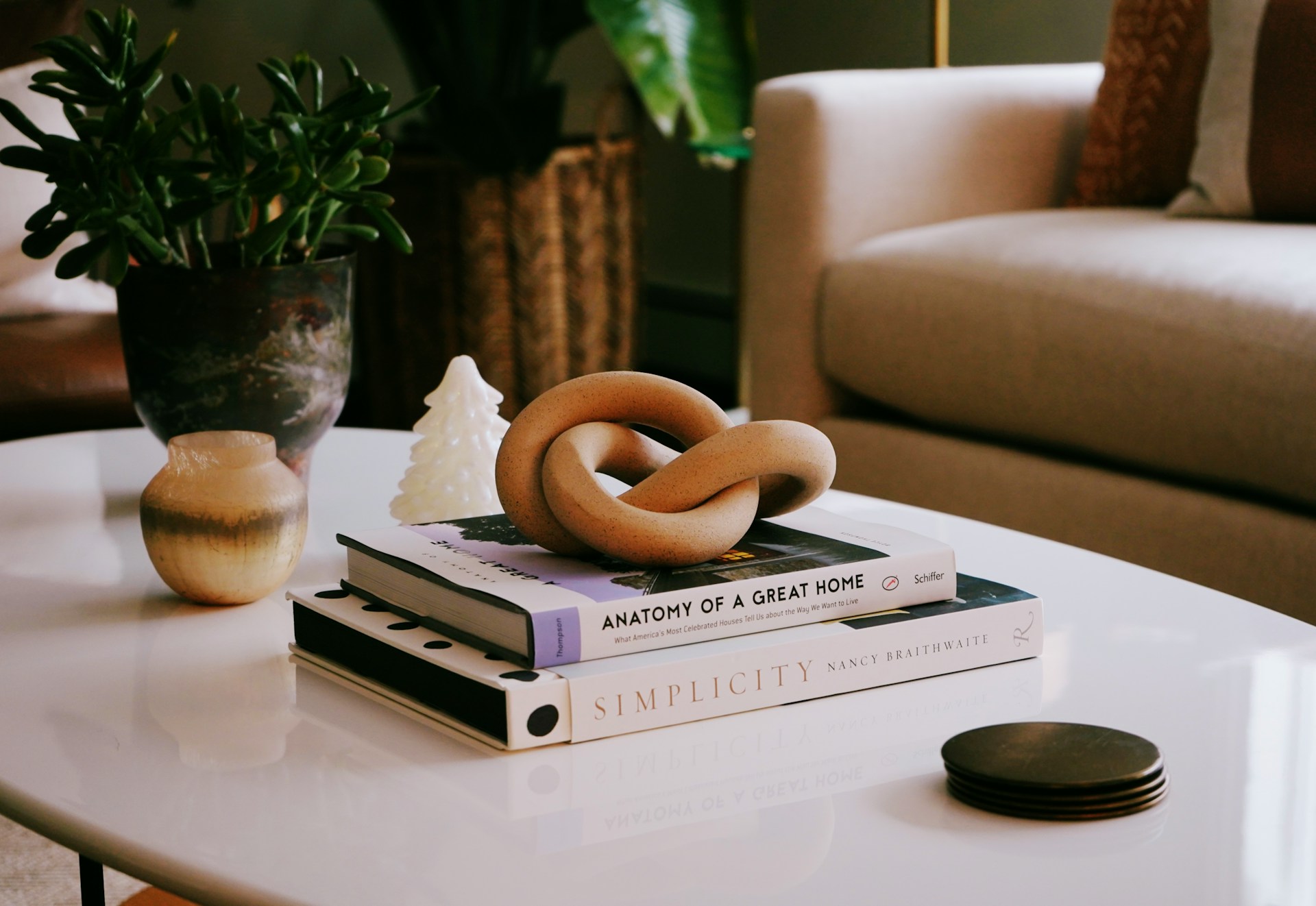
Coffee tables often collect daily life in the form of mail, reading glasses, remote controls, and small stacks of paper. While a lived in home feels authentic, too many visible items create visual tension because the eye searches for a place to rest. Clearing most objects before guests arrive allows them to set down a drink comfortably and feel anticipated rather than accommodated at the last moment. This does not mean hiding personality or removing every book. Leaving one or two intentional items while removing excess creates balance. A surface that looks considered rather than crowded quietly communicates that hosting was planned, not improvised.
Comfortable, Supportive Seating
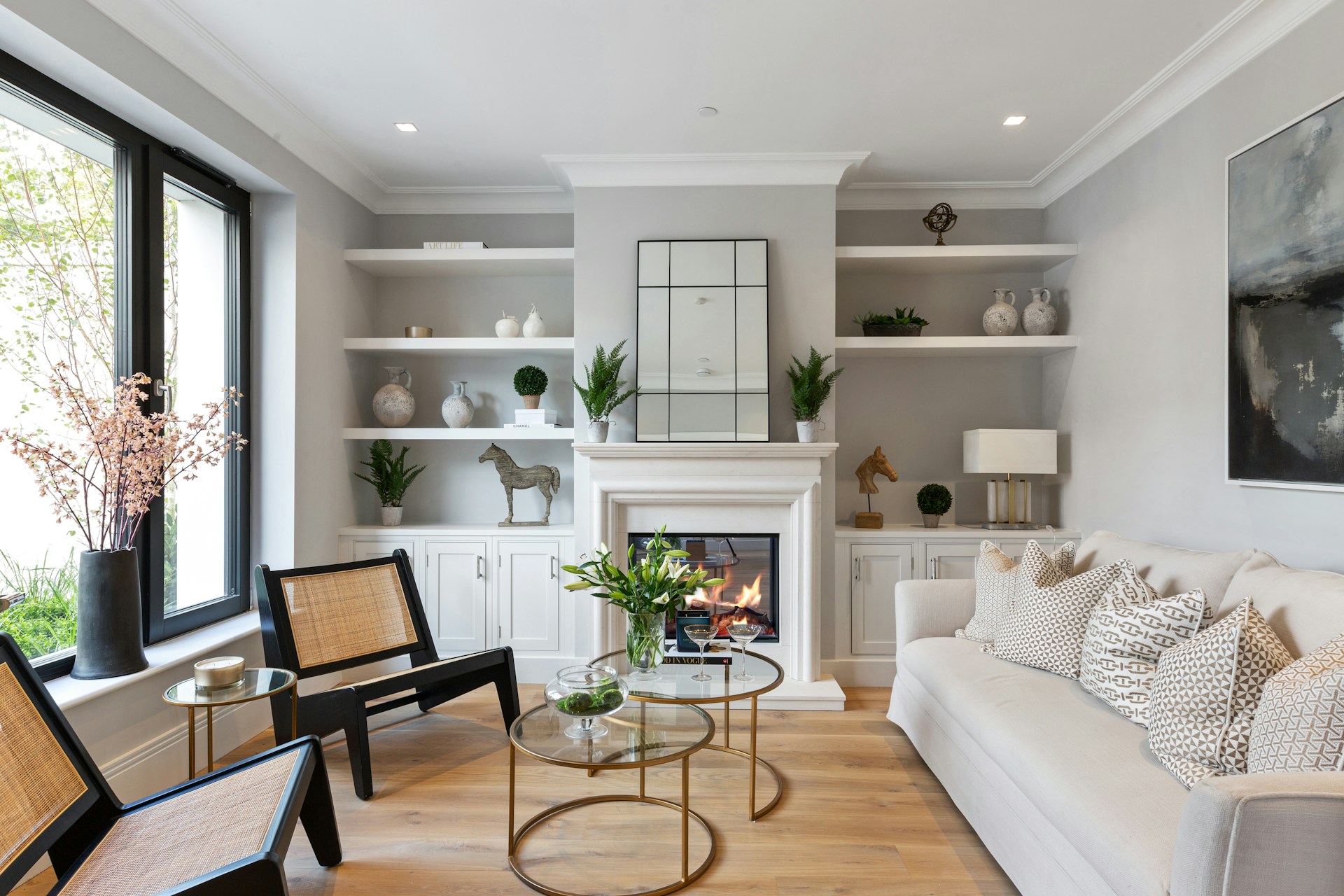
Seating influences how long conversation flows, even when no one mentions comfort directly. Over time, cushions compress and lose support, especially in frequently used chairs. A sofa that appears inviting may feel stiff or uneven when someone sits down for the first time. Testing guest seating yourself offers honest feedback. Adding firm inserts or replacing worn cushions often restores support without replacing the entire piece. This is not about oversized recliners or luxury brands. It is about ensuring that guests can settle in physically so their attention remains on connection rather than shifting to relieve discomfort. Supportive seating anchors the room in a practical way.
A Clean, Uncluttered Kitchen Sink
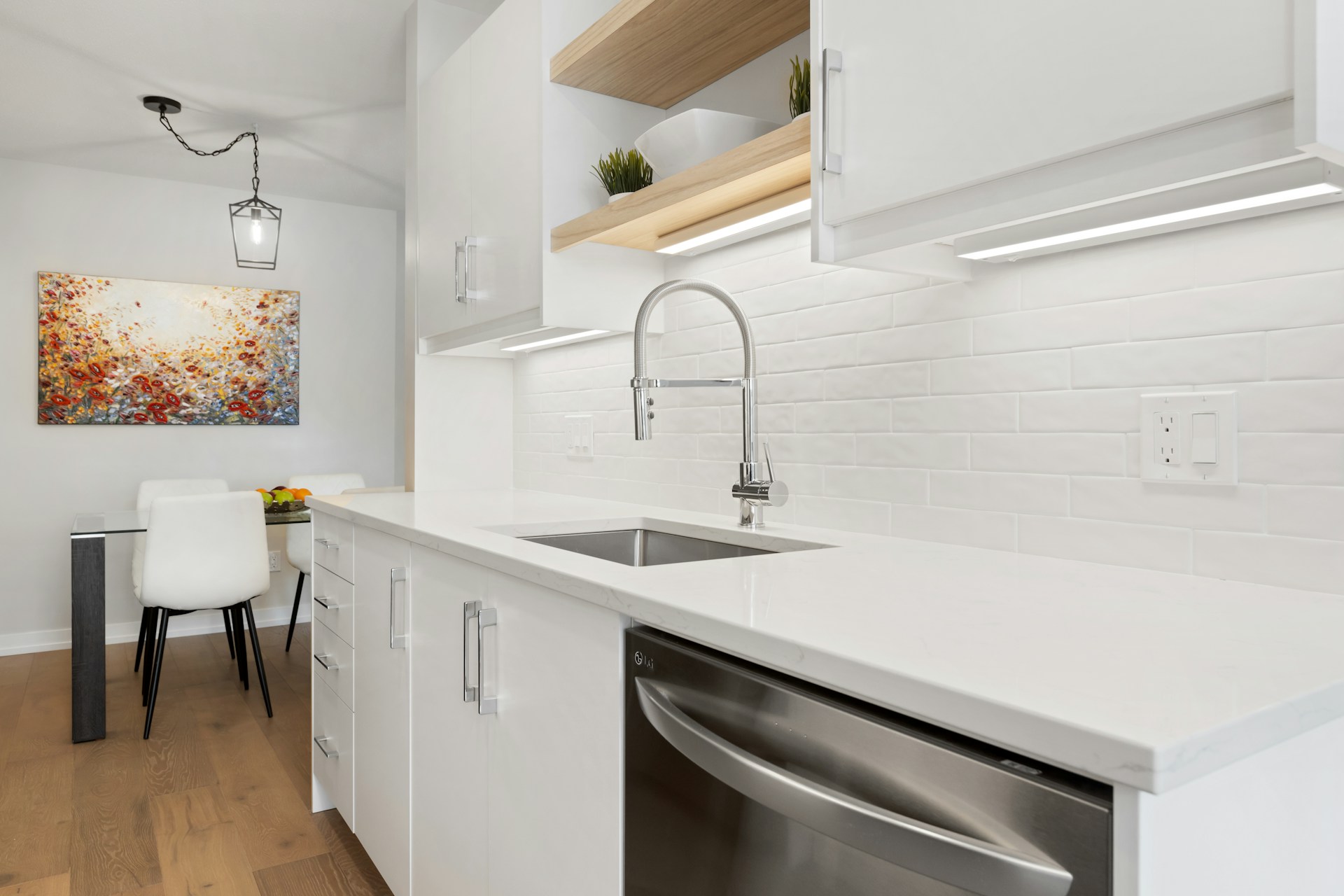
Even if guests remain in the living area, they often glimpse the kitchen, and the sink becomes a visual shorthand for order. Dishes stacked high or cloudy standing water suggest that daily tasks are unfinished, which subtly alters perception of the entire home. Clearing the sink and wiping surrounding counters before company arrives changes that signal immediately. This does not require a spotless kitchen or polished appliances. It simply means removing visible backlog so the space looks under control. Because kitchens are associated with hygiene and care, a clean sink carries more weight than decorative accents elsewhere. That quiet order resonates beyond the room itself.
A Defined Spot for Coats or Bags
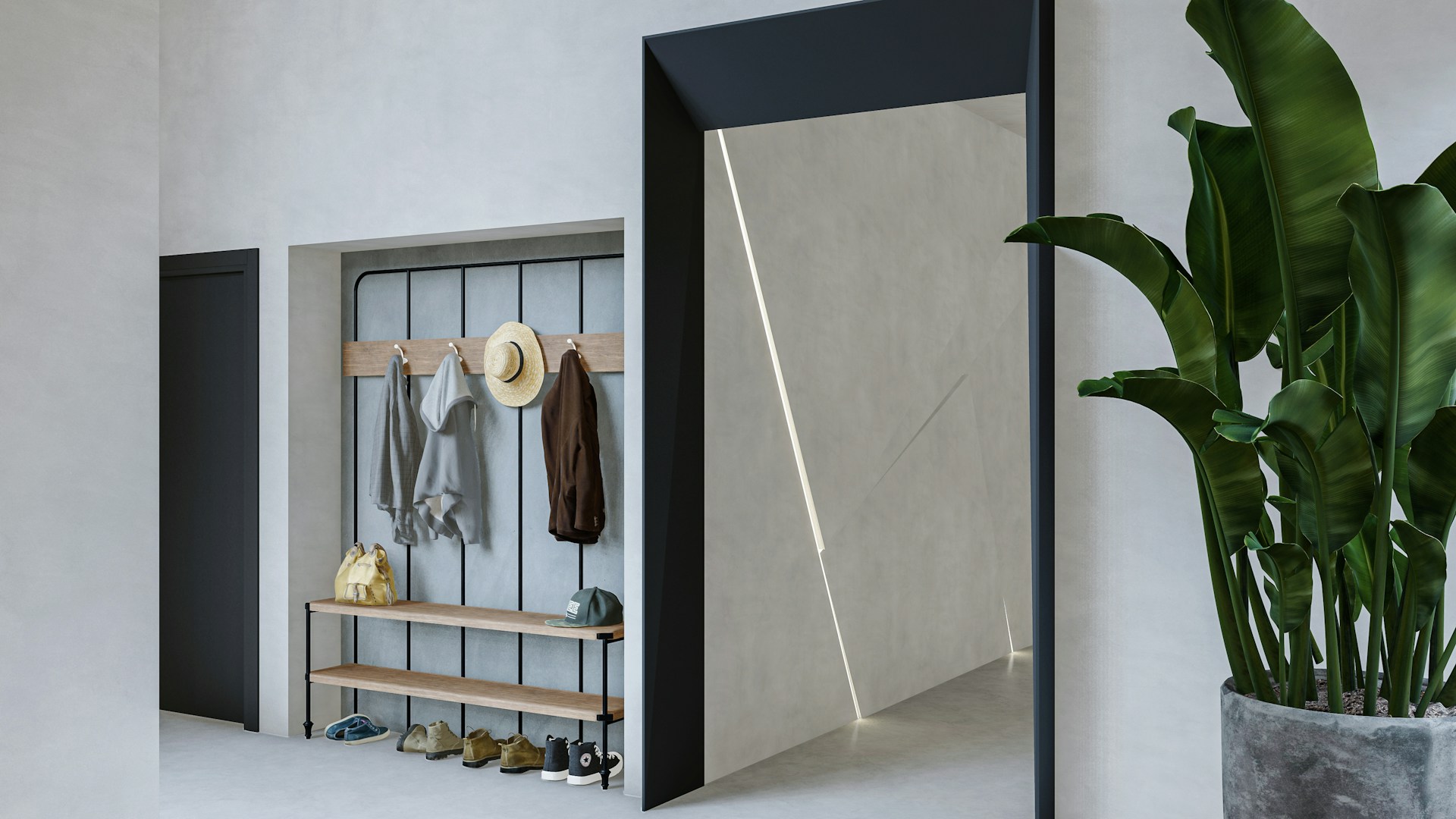
When guests enter and have no obvious place to set a coat or handbag, an awkward pause often follows. They may hesitate, scanning the room for a chair that does not appear in use. Providing a simple hook, bench, or cleared chair communicates that their arrival was anticipated. This does not require a formal mudroom or elaborate storage system. It requires intention. Making space available reduces uncertainty within the first minute of the visit and allows conversation to begin naturally. A designated area for personal items signals consideration without drawing attention to itself.
The Condition of Throw Pillows
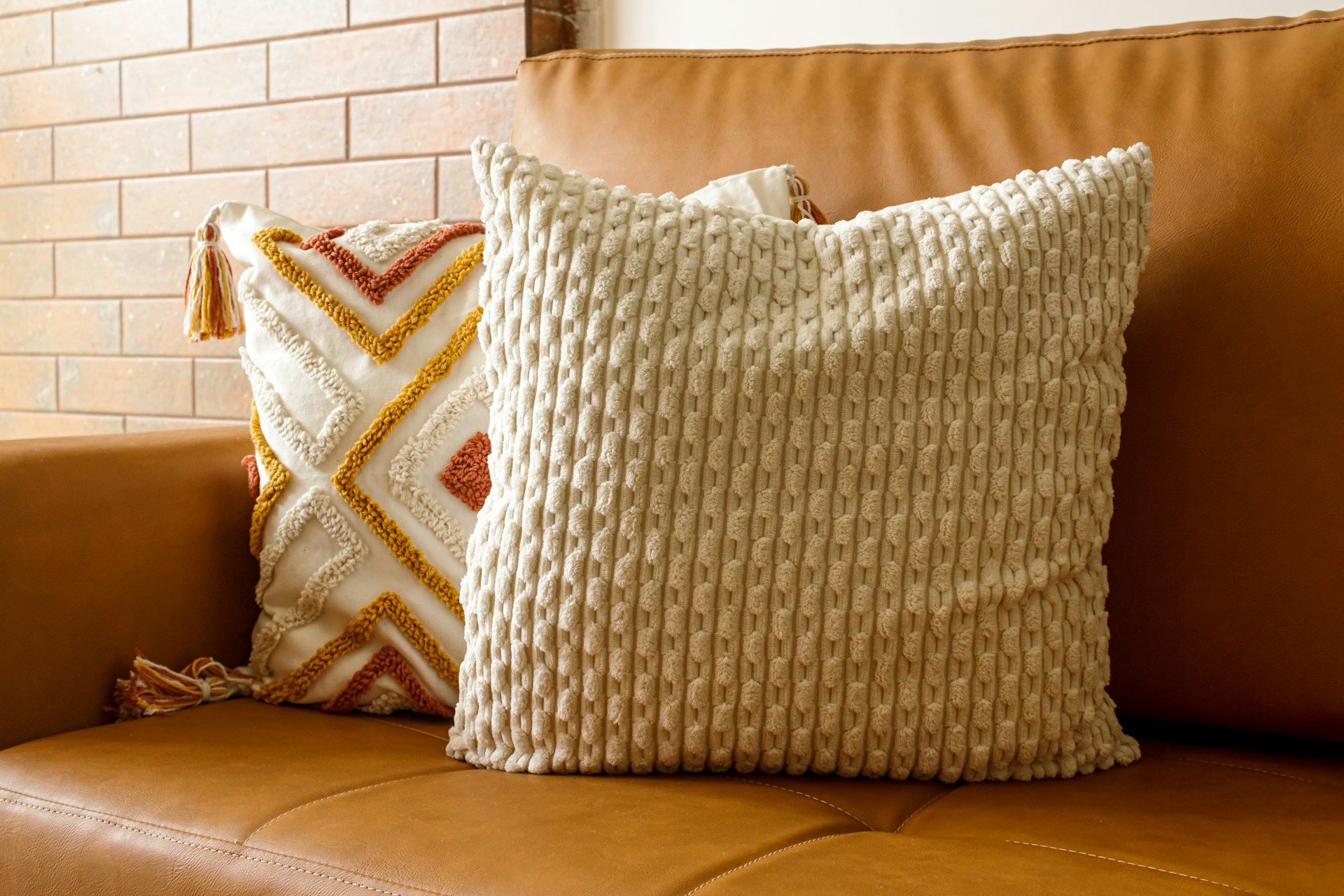
Throw pillows are among the first objects people see when they approach seating. Over time, inserts flatten and corners lose shape, giving a sofa a tired appearance even if the upholstery is sound. Taking a moment to fluff, reshape, or replace worn inserts restores structure immediately. This is not about decorative trends or constant updating. It is about maintaining the elements that frame where guests will sit. Misshapen pillows suggest neglect more than age, while well maintained ones suggest attentiveness. That small adjustment subtly elevates how the entire seating area feels.
Visible Personal Paperwork
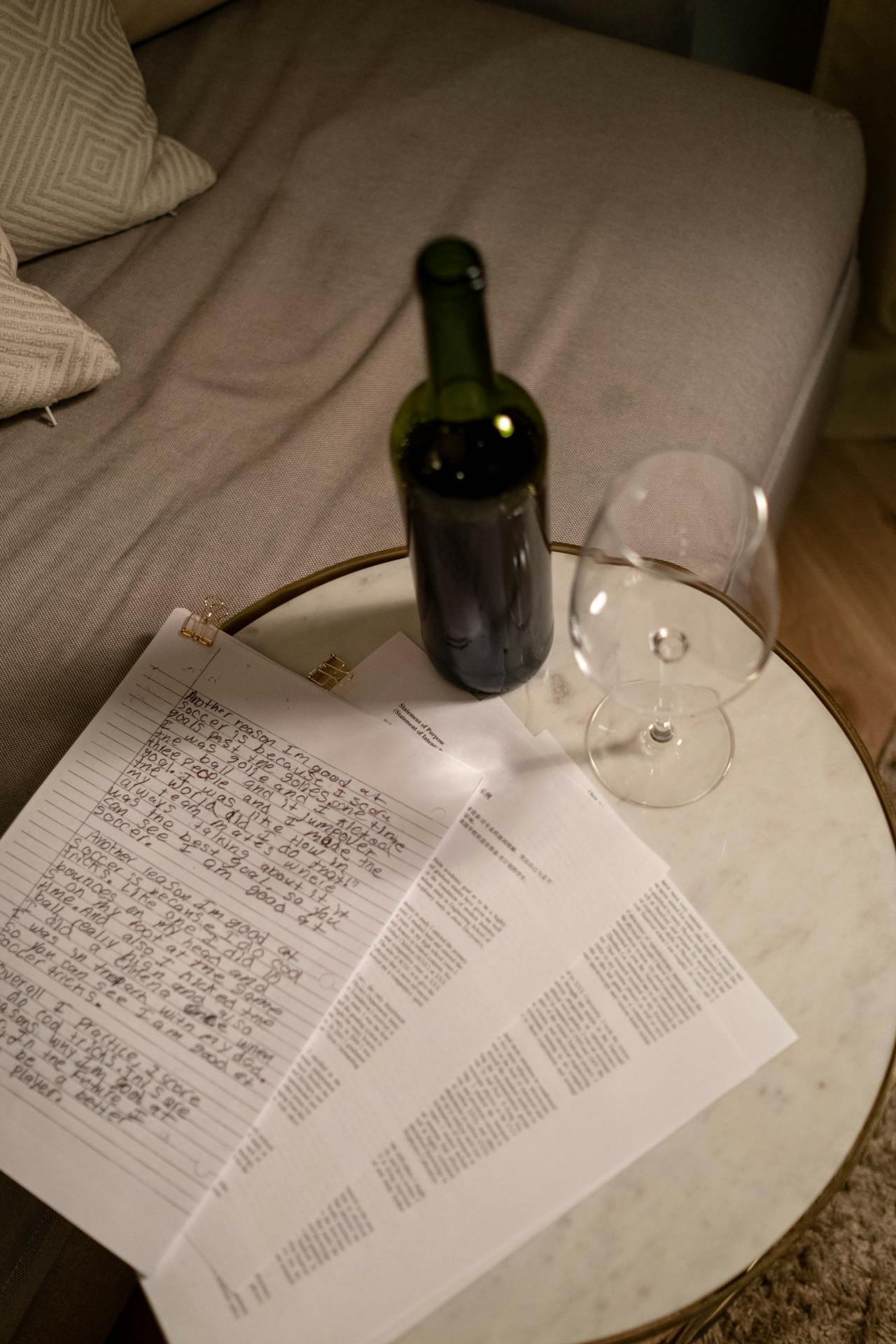
Stacks of bills, medical statements, or financial documents left in open view create an unintended sense of intrusion. Guests may feel as though they are stepping into private matters rather than shared space. Gathering sensitive paperwork into a drawer before hosting protects privacy and reduces visual clutter at the same time. This is not about presenting an unrealistically perfect home. It is about distinguishing between everyday administrative tasks and the environment you are inviting others into. When personal documents are stored away, the room feels calmer and more intentional.