The 1800s were full of ordinary household items that, at the time, no one thought twice about. But fast-forward to today, and many of those same pieces can fetch surprising prices from collectors, historians, and vintage enthusiasts. From simple tools to delicate keepsakes, here are seven everyday antiques from the 19th century that could make you a small fortune.
1. Victorian Jewelry
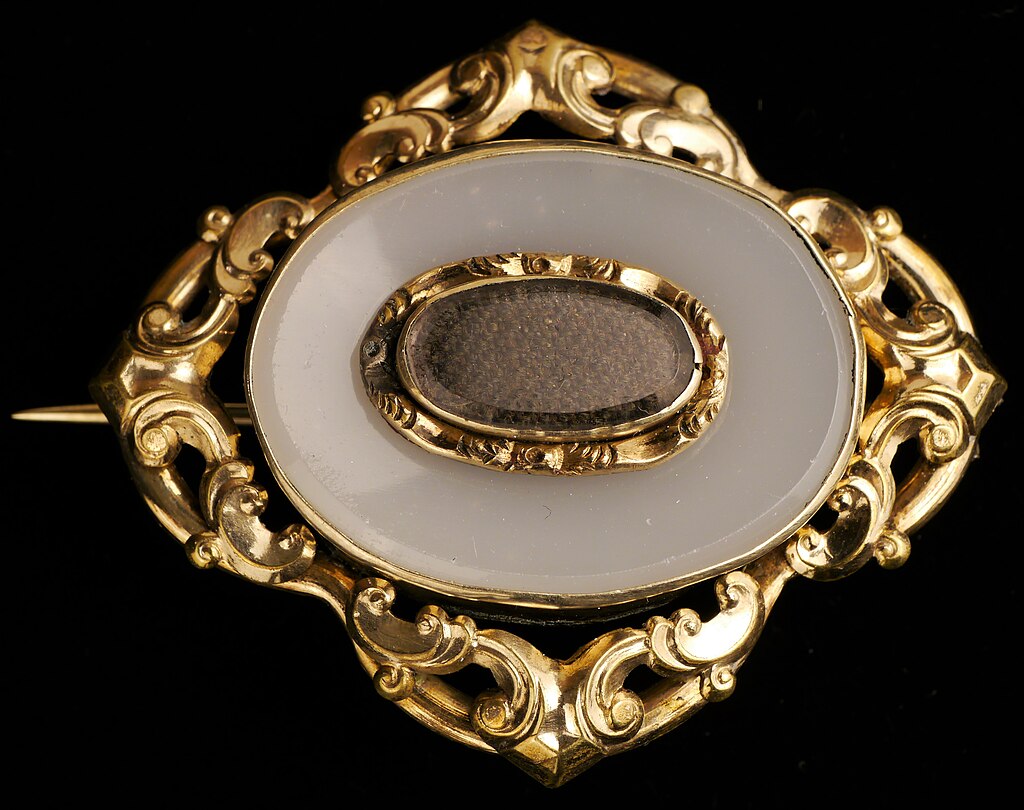
Victorian-era jewelry, especially pieces featuring intricate metalwork, seed pearls, or mourning designs, is highly sought after by collectors. Rings, brooches, and lockets crafted with gold, jet, or human hair are rare and valuable, especially if they come with original cases or inscriptions. Each piece tells a story of love, loss, or elegance, making them not only beautiful but also historically significant investments in the world of antique collecting.
2. Cast Iron Cookware
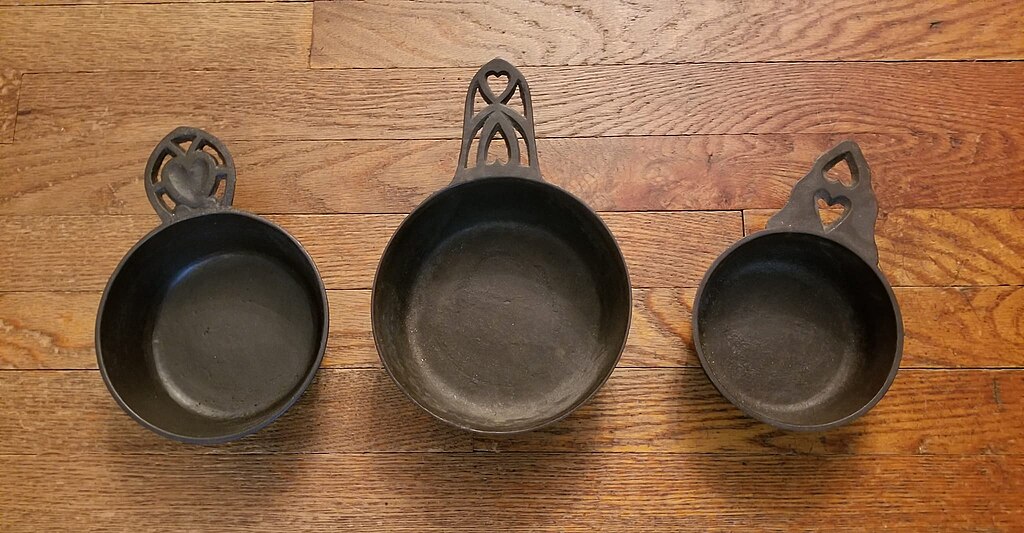
What was once a kitchen staple for frontier families is now a collector’s dream. Cast iron pans and Dutch ovens from the 1800s, especially those with unique maker’s marks or rare molds, can be worth hundreds or even thousands of dollars. Brands like Griswold and Wagner are especially prized. If the piece still has a smooth cooking surface and intact handle, it’s likely to attract attention from both chefs and antique lovers alike.
3. Quilts and Textiles
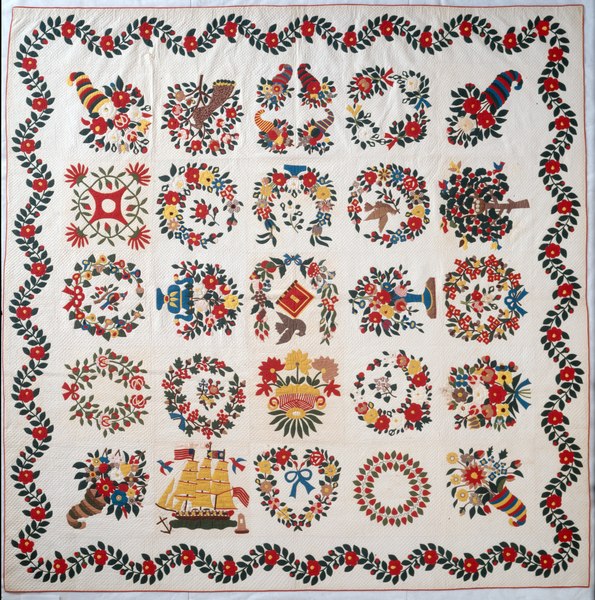
Hand-stitched quilts from the 19th century are not just cozy keepsakes; they’re works of art. These textiles often showcase incredible craftsmanship, with patterns reflecting family stories and regional influences. Well-preserved quilts made with natural dyes or rare patterns like “Double Wedding Ring” or “Baltimore Album” can sell for impressive sums. Their beauty, combined with their cultural history, makes them timeless collectibles that connect generations.
4. Apothecary Bottles
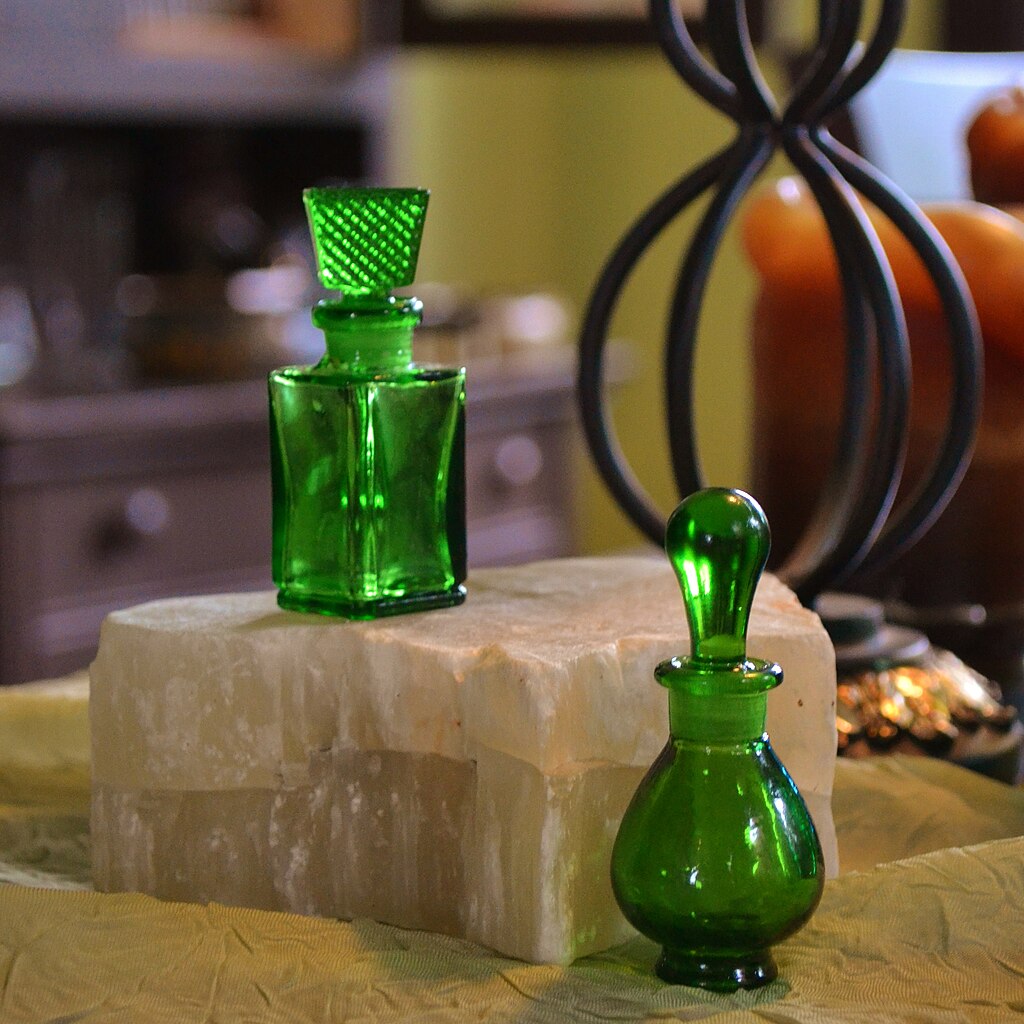
In the 1800s, glass apothecary bottles lined pharmacy shelves, holding everything from herbs to tonics. Today, collectors love them for their hand-blown imperfections, embossed lettering, and vibrant colors. Cobalt blue and emerald green bottles are especially desirable, as are those with original paper labels. Whether displayed in a cabinet or repurposed as décor, these relics of early medicine can easily turn a few dollars into hundreds.
5. Pocket Watches
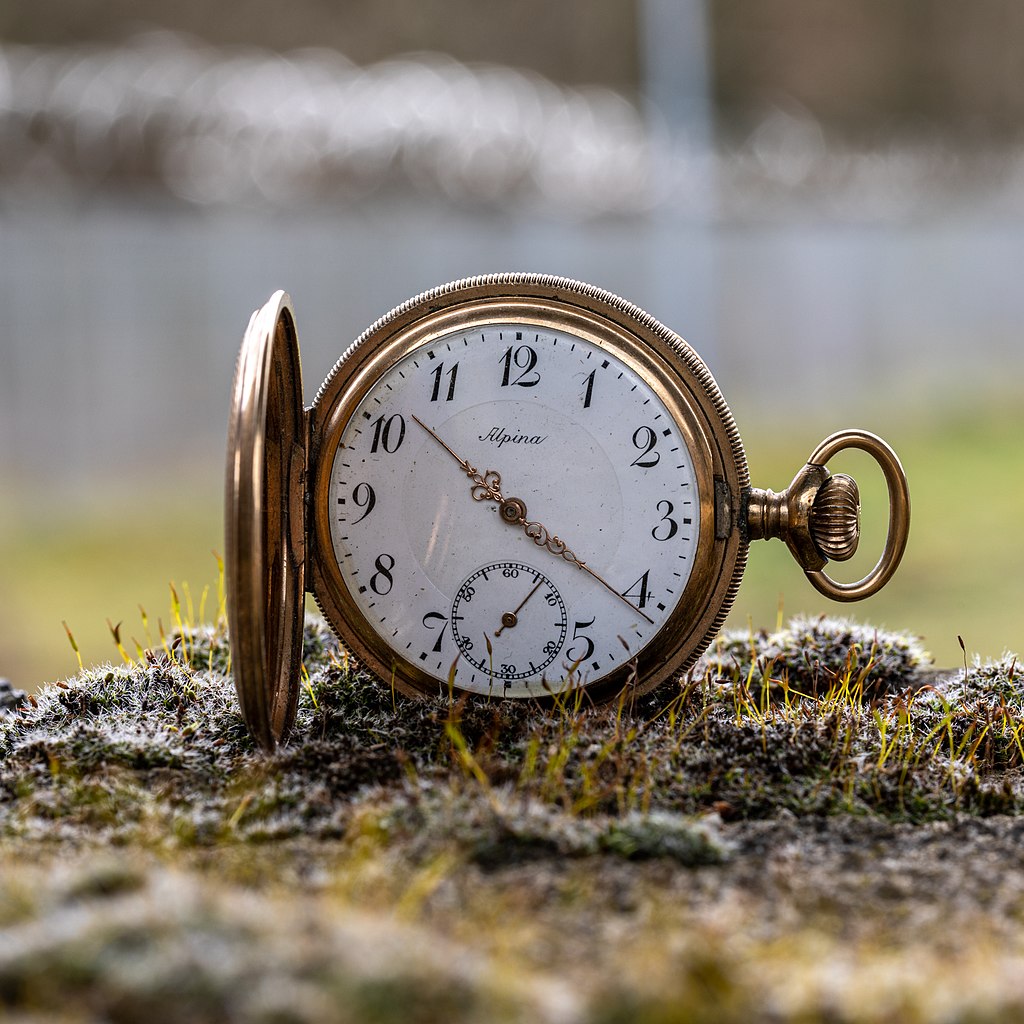
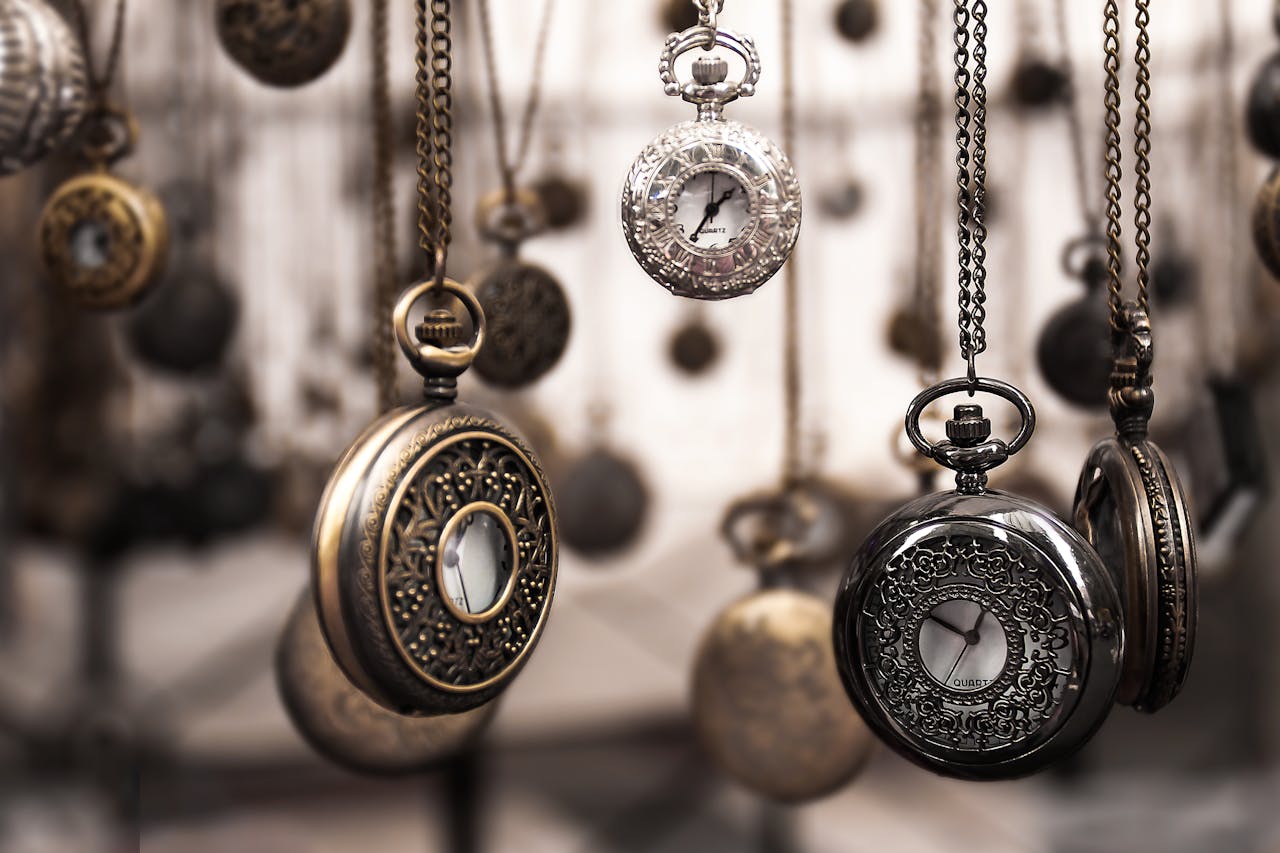
Pocket watches from the 1800s symbolize the height of craftsmanship and precision. Gold- or silver-cased watches engraved with initials or ornate designs have become prized heirlooms and collectibles. Brands like Waltham and Elgin still attract strong interest at auctions. The more intricate the mechanism or rarer the model, the higher the value. Even nonfunctional watches can be worth money if they retain their original cases and aesthetic appeal.
6. Furniture Hardware
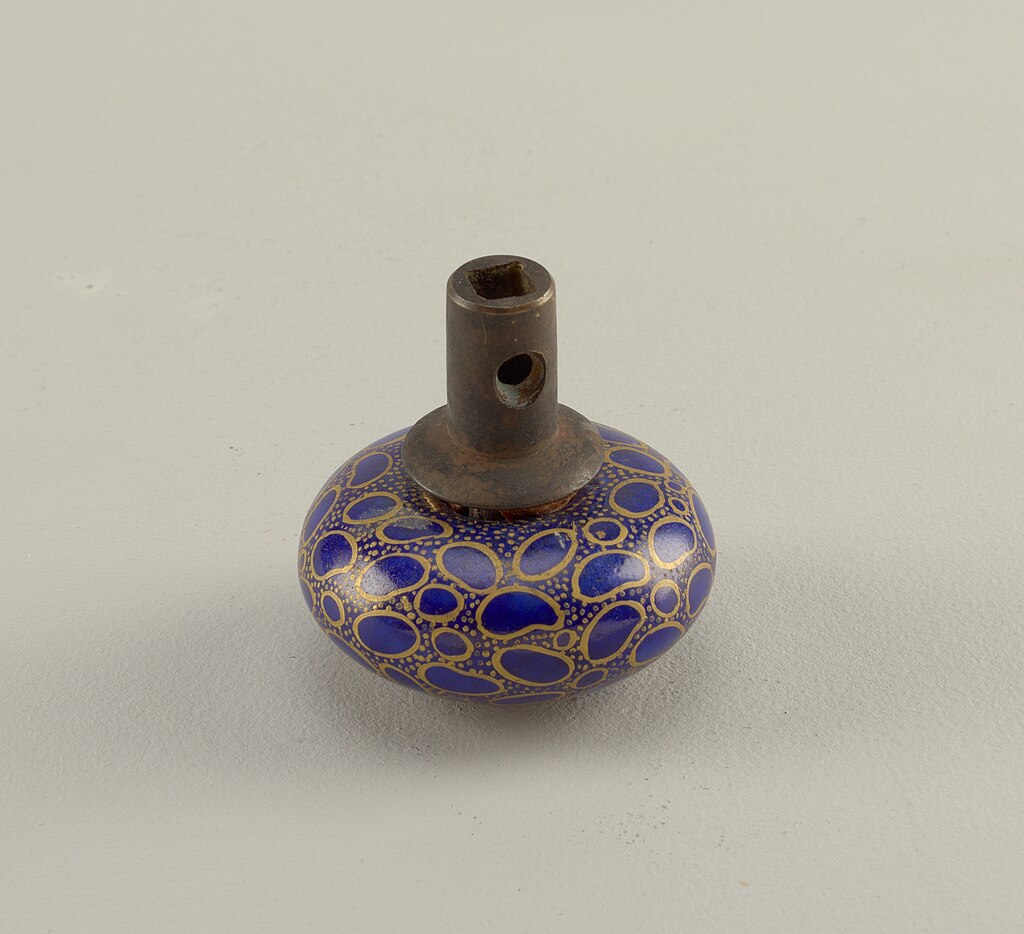
Sometimes the most overlooked parts of antique furniture – handles, knobs, and hinges, are the most valuable. Hardware from the 1800s, especially brass or wrought iron pieces with ornate details, can be worth more than the furniture itself. Collectors and restorers often pay high prices for authentic period hardware to complete restoration projects. So before tossing that old dresser, check the handles; you might be holding a hidden treasure.
7. Tintype Photographs
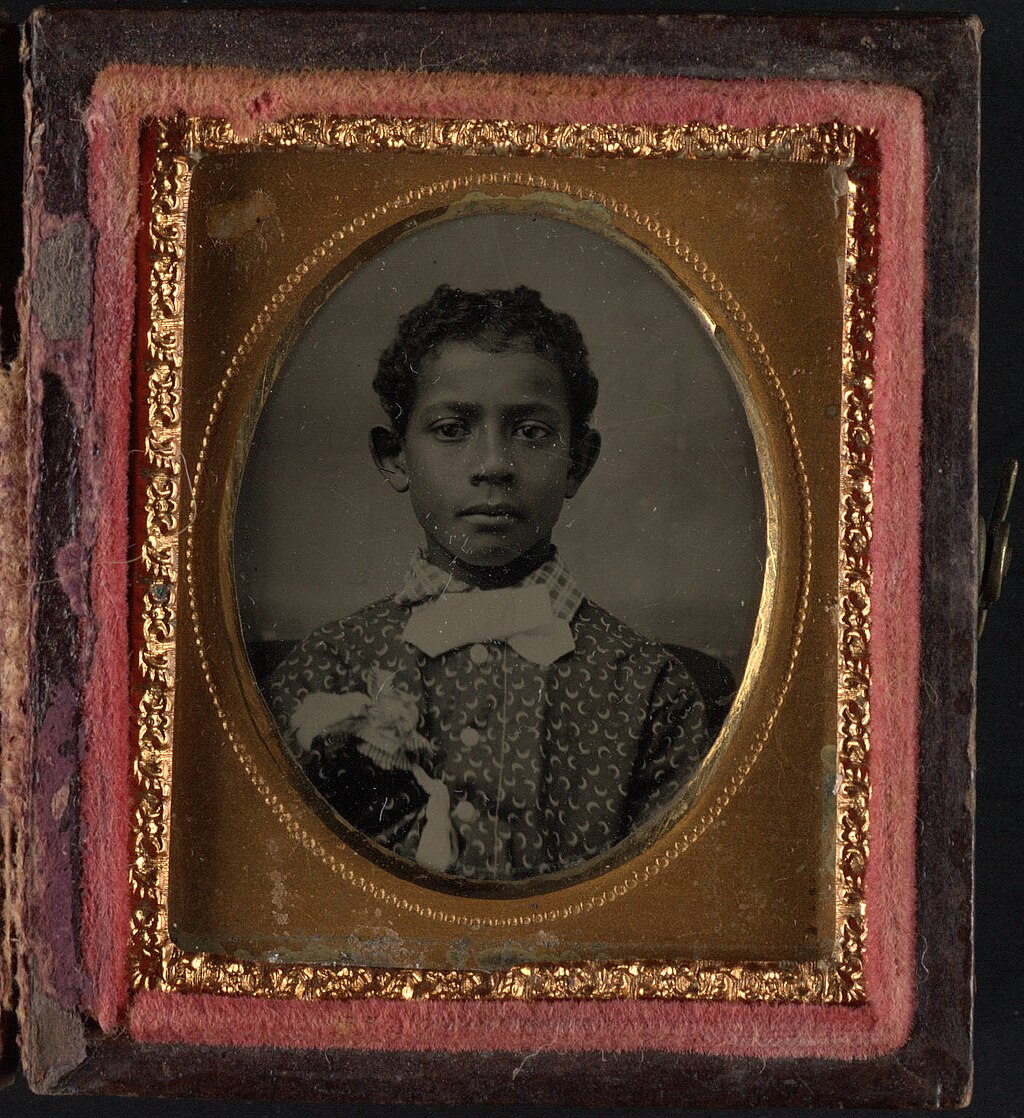
Before selfies and film, the tintype was the snapshot of its time. These photographs, printed on thin sheets of iron, captured everyday people in haunting, detailed portraits. Because each tintype is unique, they’ve become fascinating collectibles for historians and art lovers alike. Subjects with interesting clothing, props, or expressions can increase a photo’s value significantly. What was once a humble keepsake now offers a rare window into the 19th century.
The beauty of 1800s antiques lies in their simplicity and survival. What was once used daily, without much thought, can now bring both profit and a sense of connection to history. So next time you find an old heirloom in the attic or stumble upon a forgotten box at an estate sale, take a closer look. You might be holding a small piece of the past worth far more than you imagine.