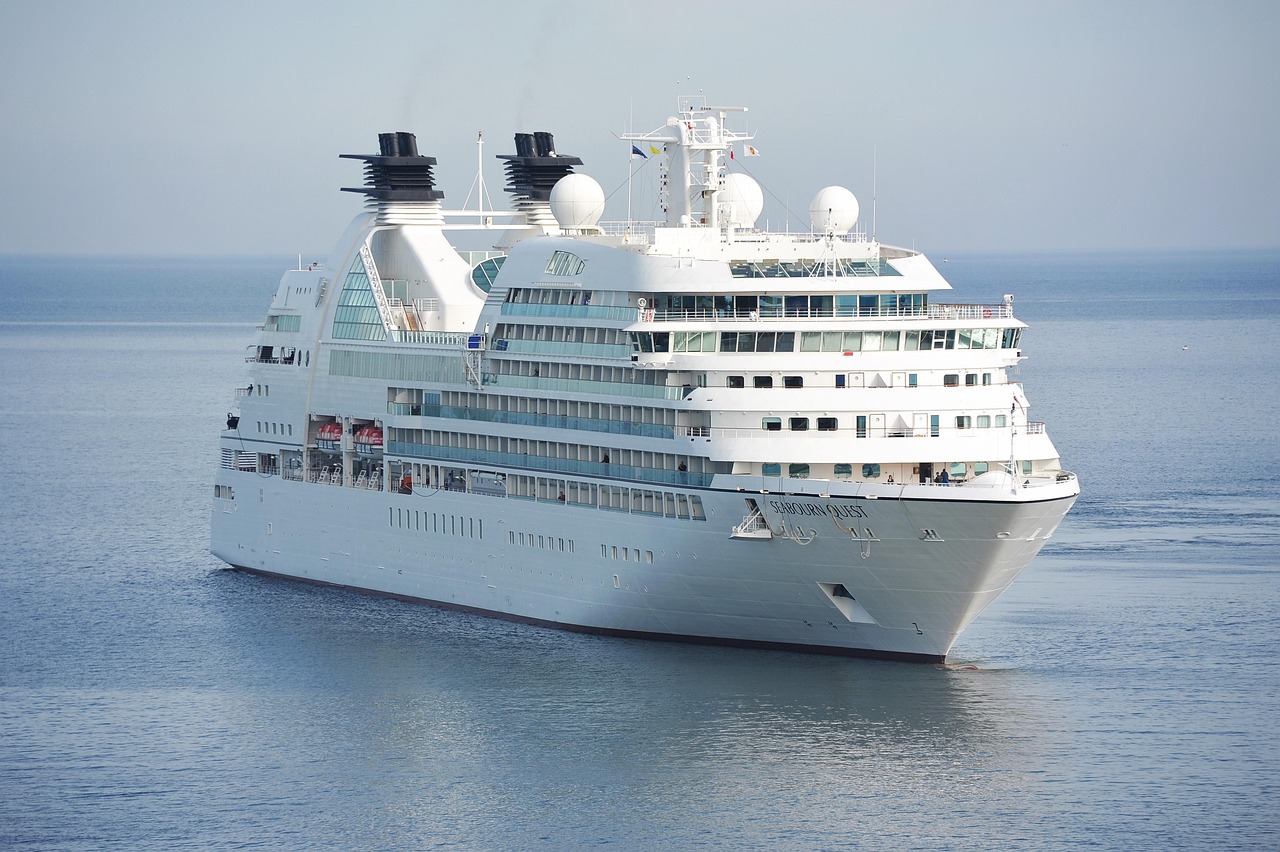
Cruises still promise easy family fun, but a handful of ship incidents quietly reshaped what travelers now expect before they ever step onboard. From fire safety to evacuation planning, these moments pushed cruise lines and passengers toward a more cautious kind of vacation. Here’s how seven events helped change modern family travel in ways many people notice without knowing why.
1. The Titanic Disaster and the Birth of Lifeboat Culture

Long before modern mega-ships, the Titanic disaster became the event that changed passenger safety forever. Families didn’t just learn that the ocean could be unforgiving; lawmakers did too, leading to stricter international rules about lifeboats, radio watches, and emergency preparedness.
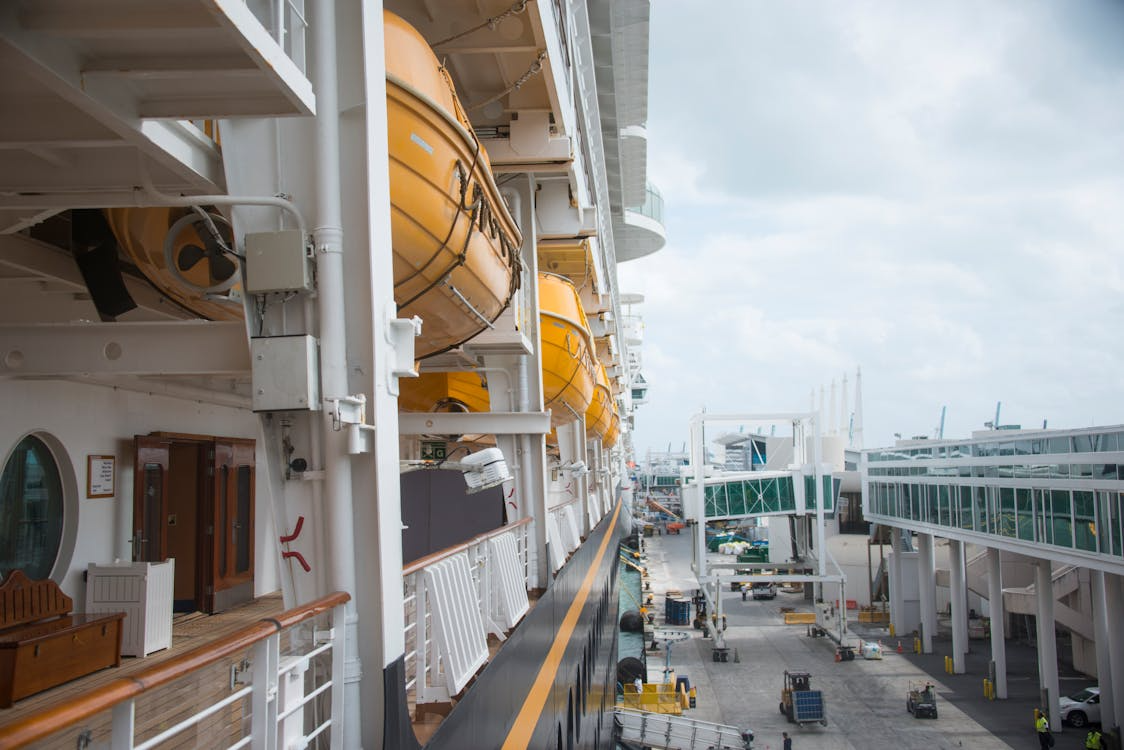
That legacy still follows every family cruise today. Mandatory muster drills, posted evacuation maps, and the expectation that every passenger has a seat in lifesaving equipment all trace back to lessons learned after 1912. It’s one reason cruising now feels far more regulated than glamorous old travel posters ever suggested.
2. Achille Lauro and the new focus on ship histories
When the Achille Lauro caught fire in the Indian Ocean in 1994, passengers and crew had to abandon ship after hours of fighting the blaze. Most were rescued, but the disaster stood out because it came after years of earlier fires, a collision, and even a hijacking.
That long record helped change how cautious travelers think. Families today are far more likely to notice a ship’s age, ownership, and reputation before booking, even if they never say it out loud. The idea that a vessel’s past matters became harder to ignore.
3. Star Princess and the end of casual balcony smoking
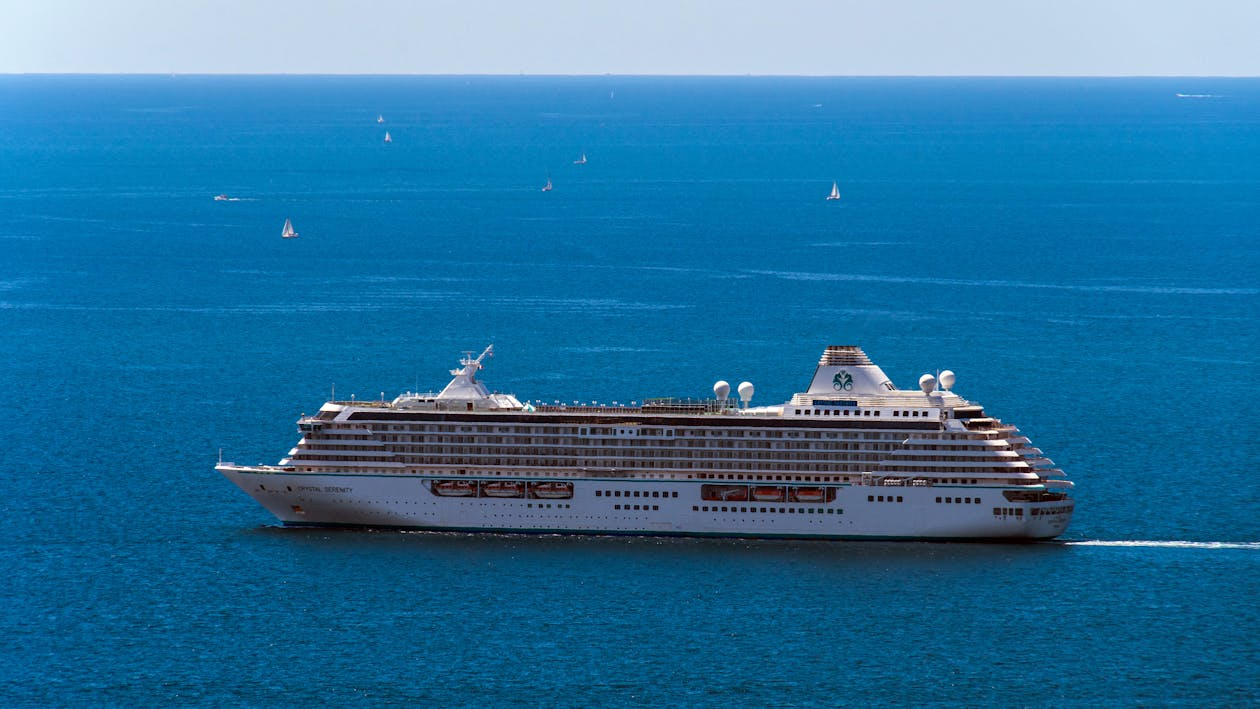
The 2006 fire aboard Star Princess spread through balcony areas and damaged hundreds of cabins, leaving one passenger dead and others injured. Investigators never pinned down a single definitive cause, but reports widely pointed to a smoldering cigarette as the likely spark.
That incident fed a major shift in cruise culture. Families now encounter stricter smoking rules, more warnings about balcony behavior, and a stronger expectation that one careless habit can affect an entire deck. What once felt relaxed started to look like a real safety issue.
4. Sea Diamond and why evacuation details matter
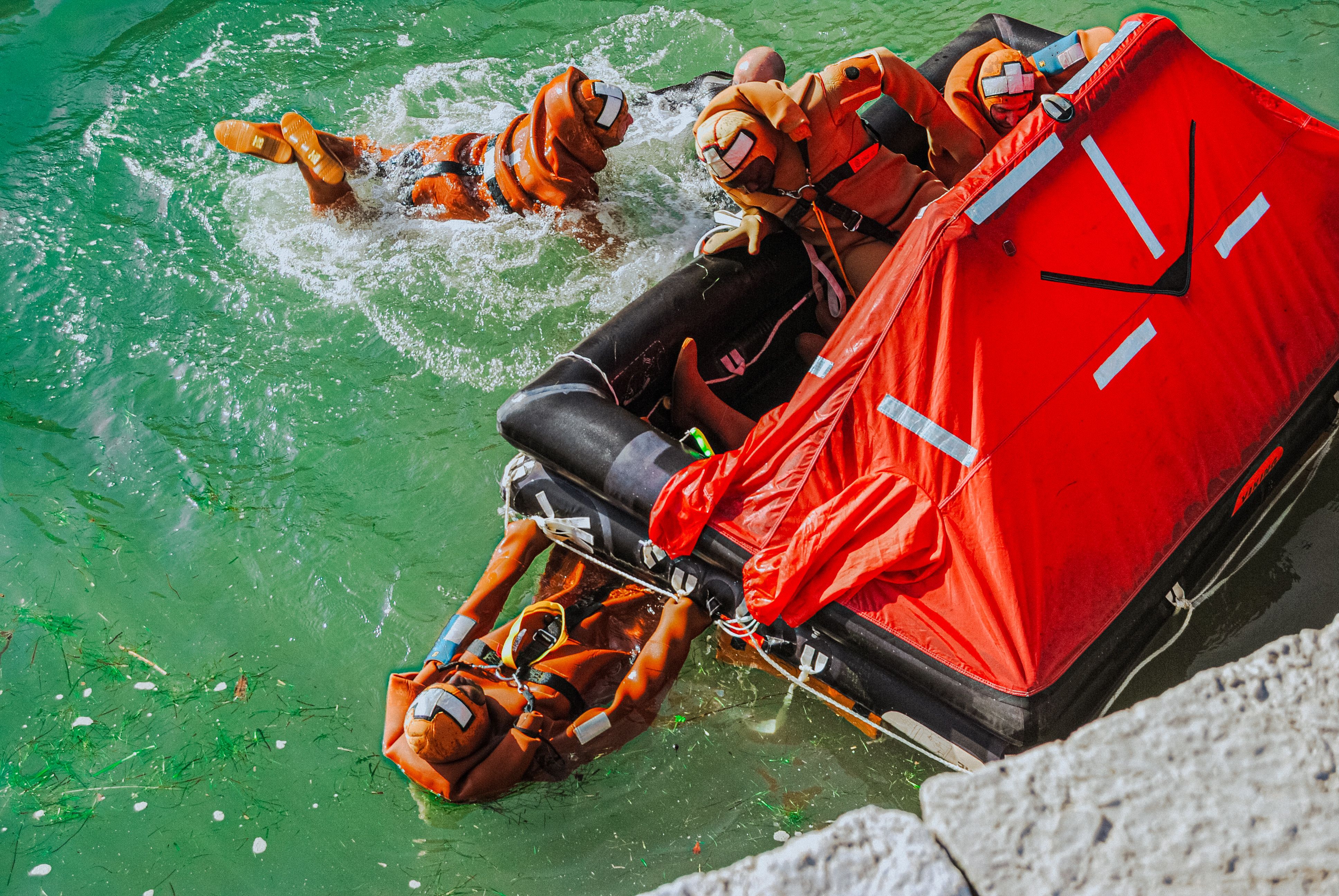
When Sea Diamond struck a reef near Santorini in 2007, the evacuation was chaotic and fast. Some passengers used lifeboats, others climbed rope ladders into fishing boats and rescue craft, and the confusion deepened when early reports wrongly suggested everyone had reached shore.
That kind of uncertainty changed what many families want to know before sailing. Muster drills, exit routes, life jacket locations, and crew instructions no longer feel like background information. Even travelers chasing a carefree vacation have become more alert to how an evacuation would actually work.
5. Costa Europa and the reminder that docking is risky too
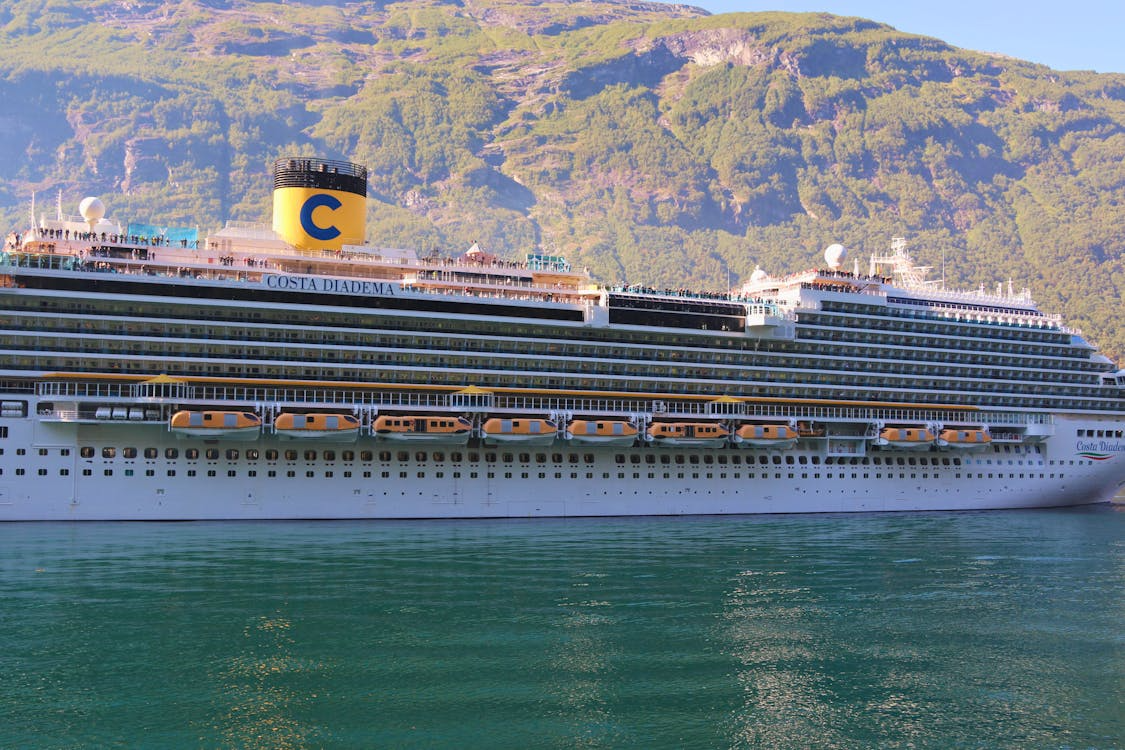
The Costa Europa crash in Egypt in 2010 happened during docking, not during some dramatic open-water emergency. An unexpected gust of wind reportedly pushed the ship into a pier, injuring passengers and crew and killing three crew members.
For families, it was a useful reality check. Cruise risk is not limited to storms at sea or movie-style disasters. Today’s travelers often pay closer attention to weather, port conditions, and arrival-day announcements, because even routine moments like docking can turn serious very quickly.
6. Thomas Majesty and the hidden danger of safety drills

In 2013, five crew members died during a lifeboat drill on the Thomas Majesty after a cable snapped and the boat fell roughly 100 feet into the sea. The tragedy was especially jarring because it happened during a procedure meant to protect lives.
That event reinforced an uncomfortable truth behind family cruising: safety depends heavily on trained crews and reliable equipment. Passengers may never see the maintenance side of the industry, but expectations changed. People now assume drills, inspections, and crew readiness are just as important as pools and kids’ clubs.
7. Costa Concordia and the rise of the safety-conscious passenger

The 2012 Costa Concordia disaster was impossible to ignore, and it permanently changed the public mood around cruising. Images of the ship lying on its side made evacuation procedures, bridge decisions, and muster timing part of everyday conversation far beyond the travel world.
Families took away a simple lesson: flashy amenities mean little if leadership fails in a crisis. Since then, many travelers have paid more attention to emergency briefings, cabin locations, and ship reviews that mention organization and crew communication, not just buffets and water slides.