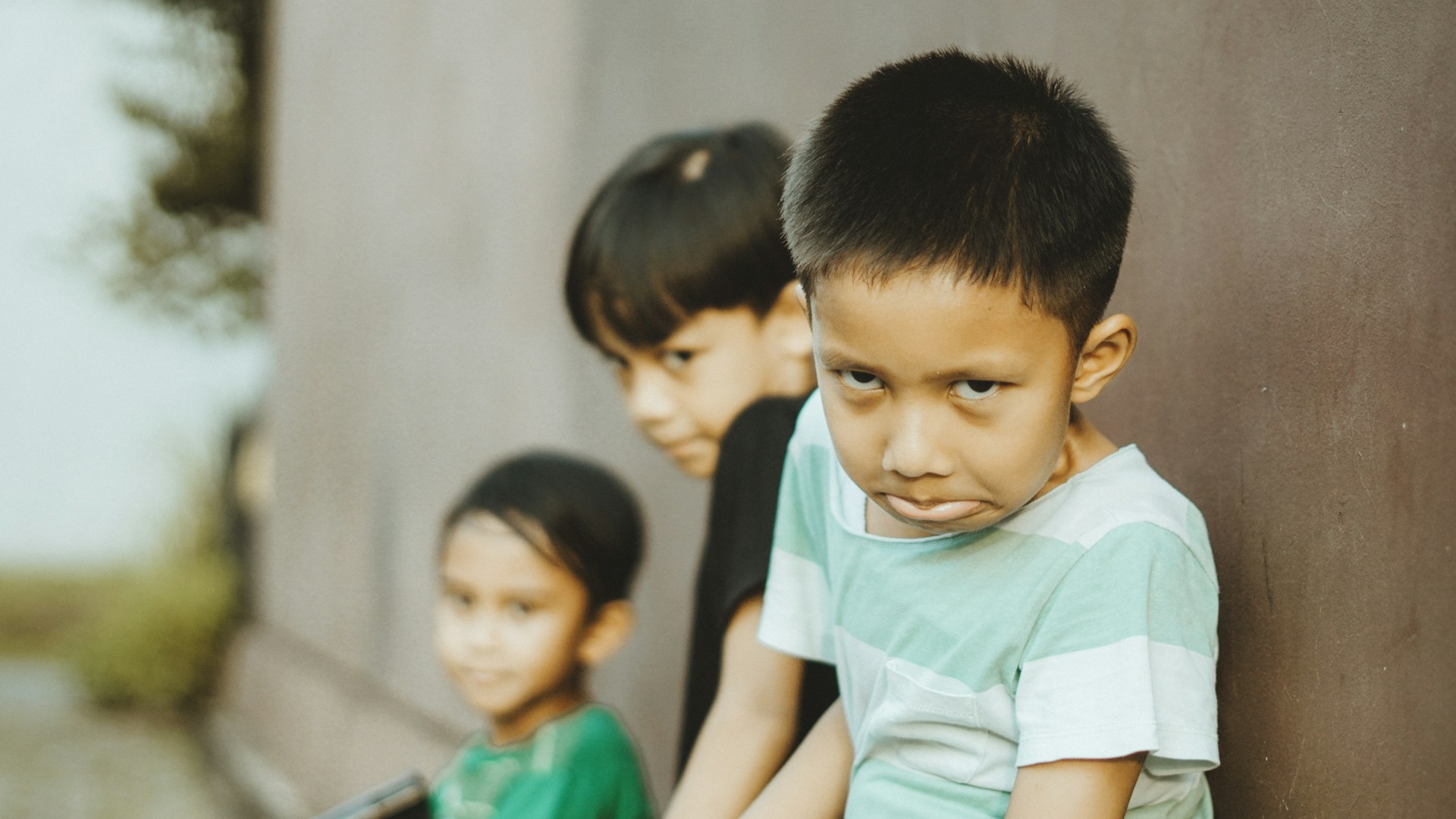

Parenting is no easy feat. Between trying to make sure your kid is happy, healthy, and well-adjusted, sometimes it’s hard to keep track of whether you’re doing too much for them. The truth is, we all want to spoil our kids a little. But if you’re not careful, it can go too far. So how do you know when you’ve crossed the line from “loving parent” to “officially raising a spoiled little monster”? Here are seven signs that your kid might be getting a little too entitled—and what you can do about it.
They Throw Tantrums Over the Smallest Things

Kids throw tantrums. That’s just part of life. But if your child’s reaction to not getting what they want is so extreme that it feels like you’re living with a tiny drama queen, you might have a problem. Tantrums are tough to deal with, but they are also a major red flag that they might not be getting enough of the “no” they need in their lives. If they can’t handle disappointment or frustration, it’s worth looking at how often you give in to avoid the chaos.
They Don’t See the Point in “Please” and “Thank You”
You’ve probably taught your kid the basics of good manners by now—“please,” “thank you,” “excuse me.” But if you’re finding that your kid asks for things without even a hint of politeness, or doesn’t seem to appreciate anything they get, it’s a sign they might be expecting things without earning them. And that’s a pretty classic sign of entitlement. When kids grow up thinking that the world will just hand them whatever they want, they’re less likely to value things or show appreciation. Over time, these little habits can grow into bigger issues. Teaching your kid to be grateful—and to use basic manners—isn’t just about being polite; it’s about helping them understand that kindness and respect are important parts of life.
Losing Feels Like the End of the World

You know the drill: kids don’t always like losing. Whether it’s a game, a sport, or just a casual competition, there’s a sting when they don’t come out on top. But if your kid loses it every time they don’t win—like full-on tears, stomping, and maybe even never wanting to play that game again—it could mean they’ve never really learned how to deal with losing gracefully. Kids who are used to always getting their way, whether it’s through constantly winning or being told they’re the best at everything, may have a harder time accepting that failure is part of life. Part of life is learning how to bounce back, and sometimes that means they need to learn that losing doesn’t make them any less awesome.
They’re Always Asking for More, and More, and More

If your kid’s first words after opening a new toy are “Can I have the next one?” or “This one’s good, but I want something better,” you’re probably dealing with a case of more always being the answer. Spoiled kids get used to constant rewards, gifts, or attention—and they quickly start expecting it as the bare minimum.
The thing is, when you always give them more, they begin to think that it’s not just a treat, it’s a requirement of life. No amount of stuff seems to satisfy them because, for them, it’s not about the joy of the gift—it’s just the next thing they deserve. If your child’s always asking for “just one more thing,” it’s time to hit pause and consider how often they actually need new stuff, versus when they’re just used to getting it.
They’re Never Fully Satisfied with What They Have
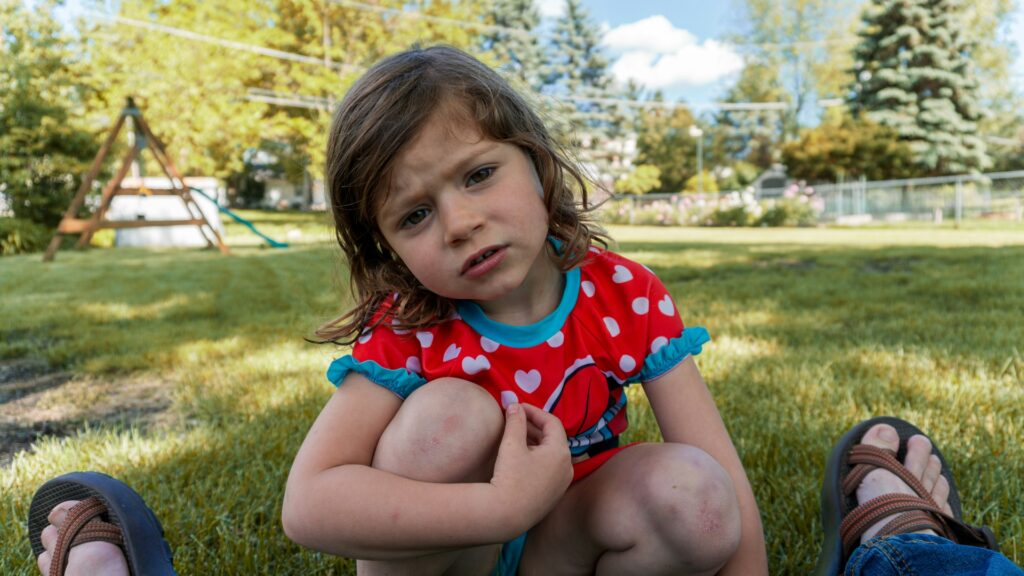
Ever notice how no matter what your kid gets, they can’t seem to just enjoy it? Whether it’s a new toy, a treat, or an experience, it’s always followed by, “What else do I get?” or “What’s next?” Instead of savoring what’s right in front of them, they’re already thinking about the next thing that’ll make them happy. This kind of behavior can be exhausting. It’s a sign that your kid isn’t really appreciating what they have. They’re so used to being handed things that they don’t take the time to enjoy or value them before moving on to the next item on their wish list. This is the kind of mindset that leads to always wanting more, without understanding the true value of what they already have.
They Expect Special Treatment
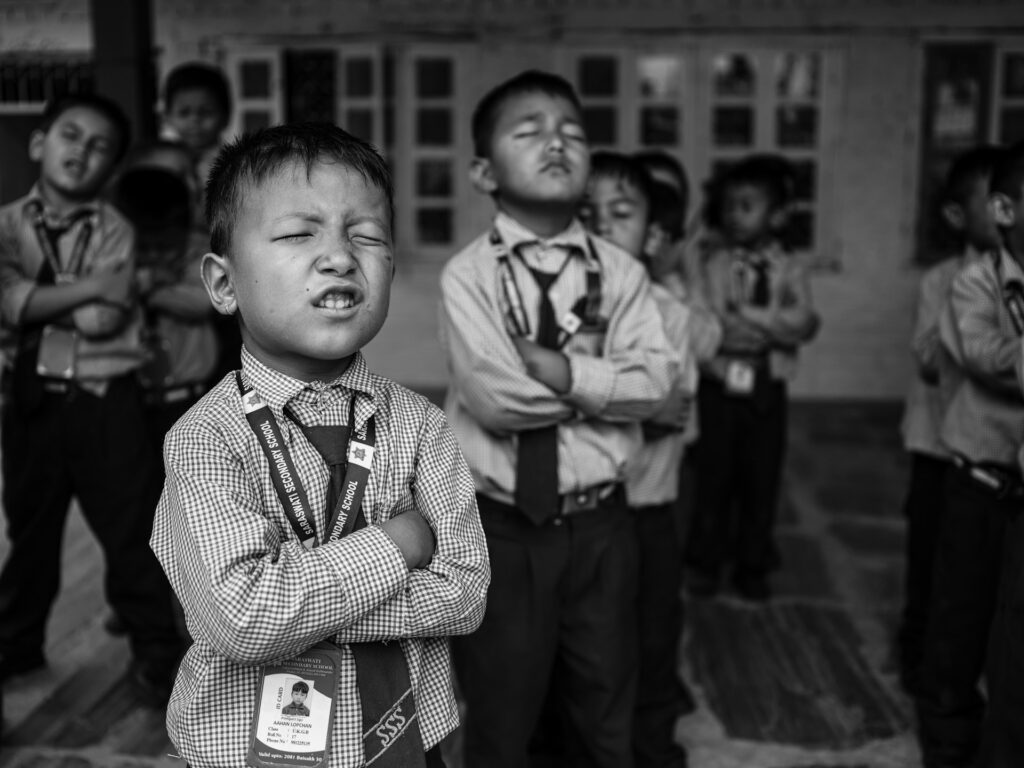
Does your kid believe they should always get the biggest slice of pizza, the front seat of the car, or the first choice of TV shows? Whether it’s in the family, with friends, or at school, they start expecting that the rules should bend in their favor because they think they deserve it. The thing is, everyone should be treated with respect, but no one should automatically get preferential treatment. If your child is starting to expect the best seat at every meal or the most attention in every group, it might be time to remind them that fairness goes both ways. And no, just being cute doesn’t give them a free pass.
They Don’t Want to Lift a Finger
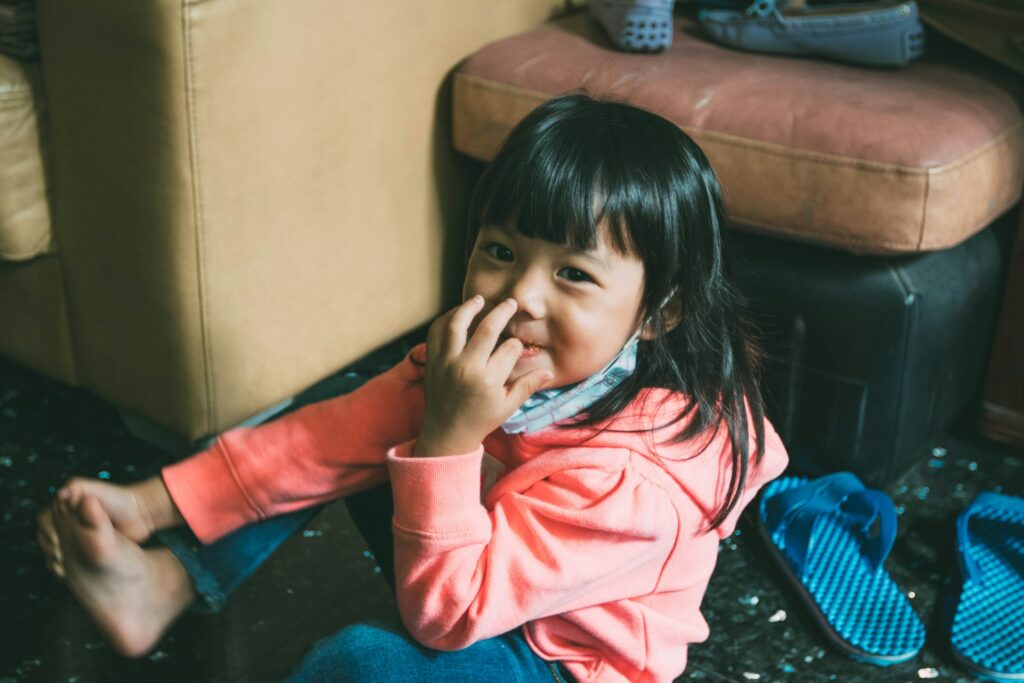
When your child acts like they’re allergic to helping out, it’s a sign they may not be taking responsibility seriously. From picking up their toys to putting their dirty clothes in the laundry, if your kid is always dodging tasks around the house, it’s a clear indicator they’re used to things being done for them. The earlier kids learn that everyone in the house has a role to play, the better. Whether it’s setting the table or making their bed, small responsibilities help kids build a sense of contribution and teach them that the world doesn’t revolve around them.
Parenting is a balancing act, and there’s no one-size-fits-all formula. But if you’re seeing a few of these signs popping up, it’s a good idea to take a step back and reflect on how things have been going. It’s not too late to help your kid understand the value of gratitude, fairness, and responsibility. With a little guidance and patience, you’ll help them grow up to be more grounded—and maybe a little less spoiled.