
During both World Wars, survival across Europe often depended less on strength or weapons and more on ingenuity, discretion, and adaptation. Civilians faced occupation, bombings, raids, and shortages that forced ordinary people to rethink daily life. Hiding was not always about secrecy alone, but about blending in, rerouting attention, and using familiar spaces in unfamiliar ways. These survival strategies emerged quietly from necessity rather than planning. They reveal how civilians transformed homes, habits, and social behavior into tools of endurance during periods when visibility itself could be dangerous.
False Walls and Hidden Rooms Inside Homes
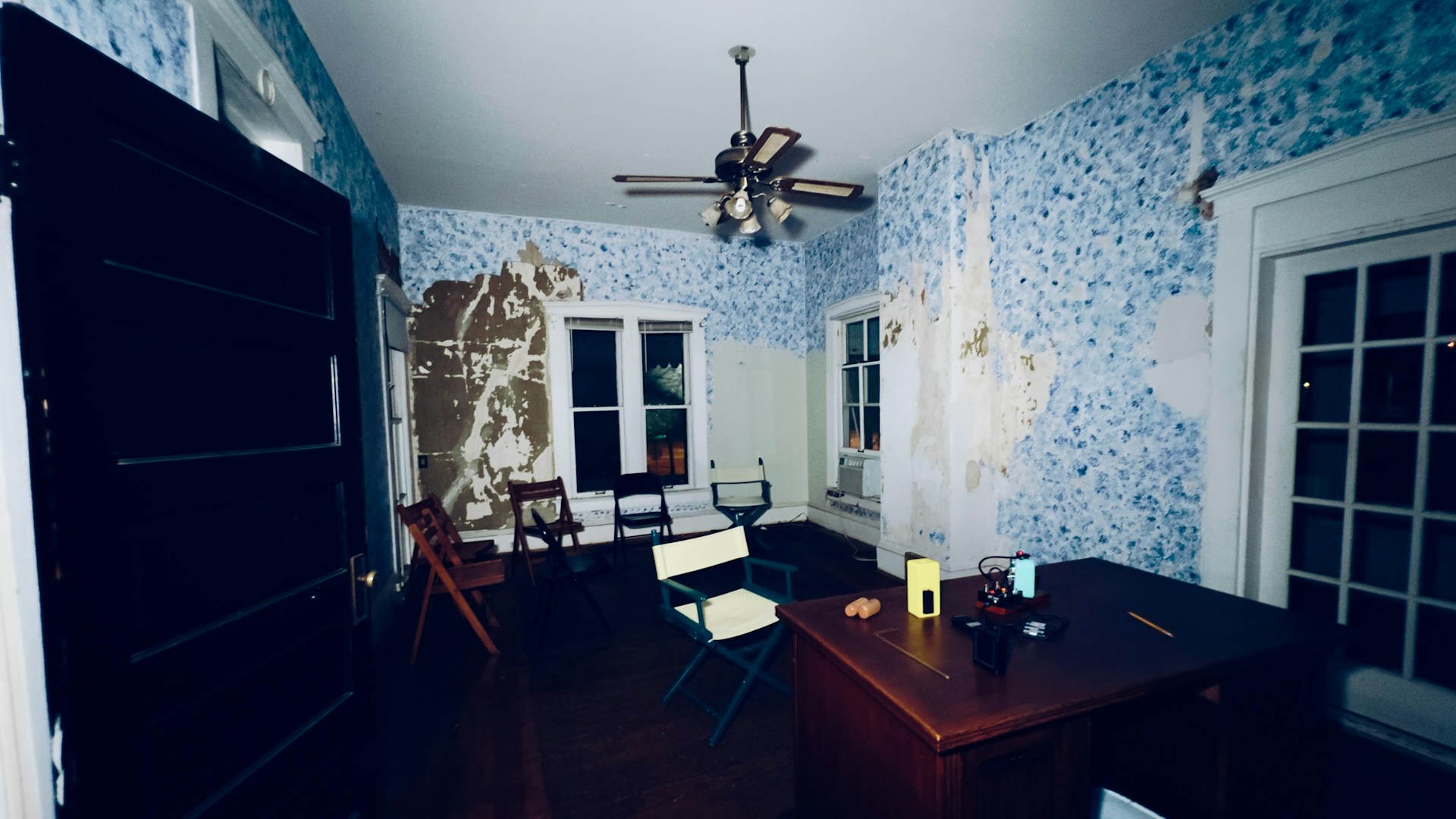
Across occupied Europe, families constructed false walls, concealed crawl spaces, and hidden rooms within their own homes. These were often built behind wardrobes, inside attics, or beneath staircases. The goal was not comfort but invisibility. Materials were chosen to match existing structures so inspections would not reveal inconsistencies. These spaces sheltered people, documents, radios, or food supplies. What made them effective was familiarity. Homes already felt predictable to authorities, making subtle alterations difficult to detect during brief searches.
Using Ordinary Furniture as Concealment
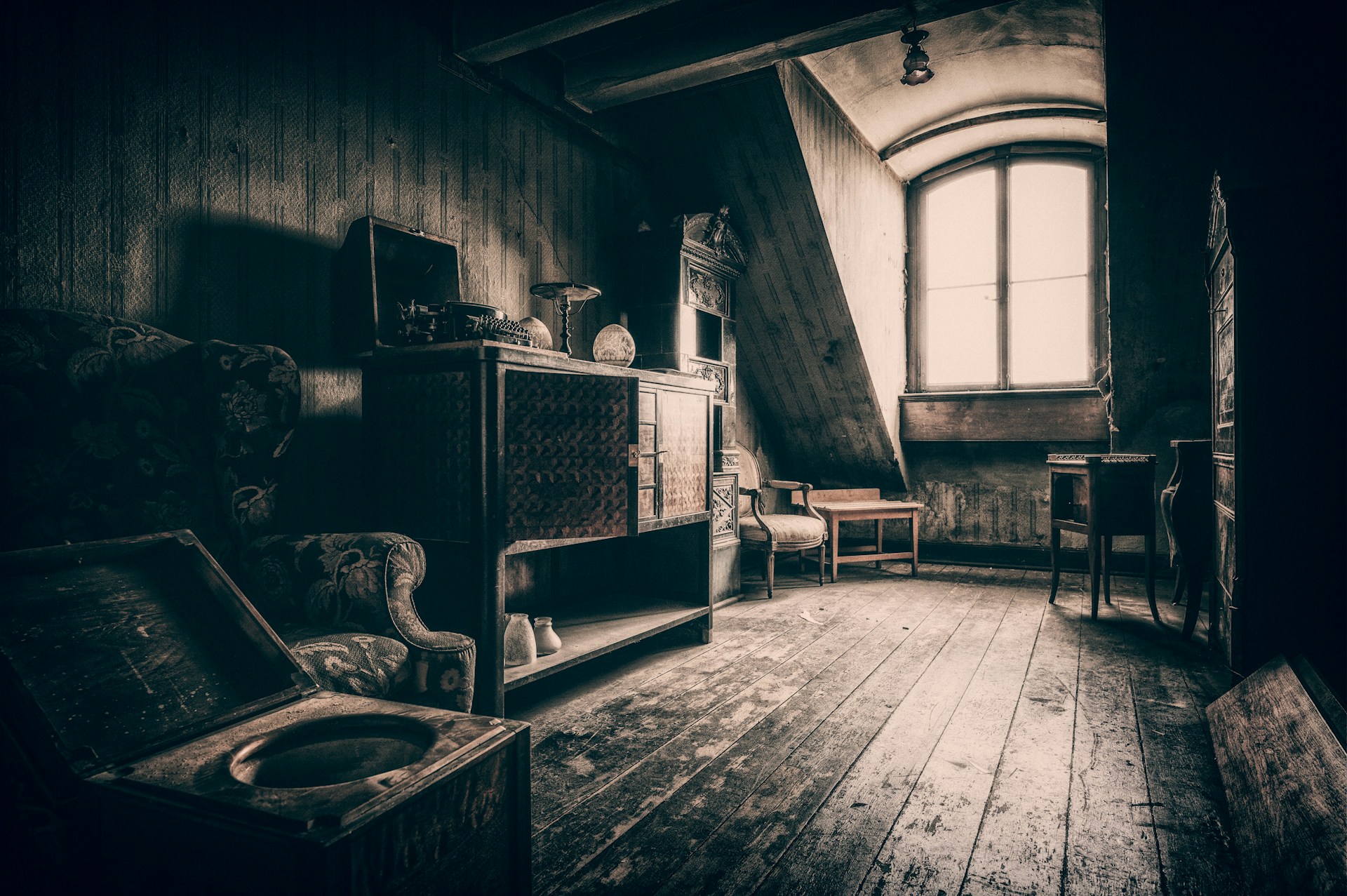
Beds, cabinets, and dining tables were adapted into hiding mechanisms. Some beds were raised to create crawl spaces underneath. Cabinets were modified with false backs. Even large trunks were used as temporary shelters during inspections. Furniture worked because it blended into daily life. Inspectors rarely dismantled household items fully, relying instead on visual scans. This tactic turned domestic normalcy into protection. The objects designed for comfort became tools of survival, hiding people in plain sight within familiar surroundings.
Rotating Hiding Places to Avoid Patterns
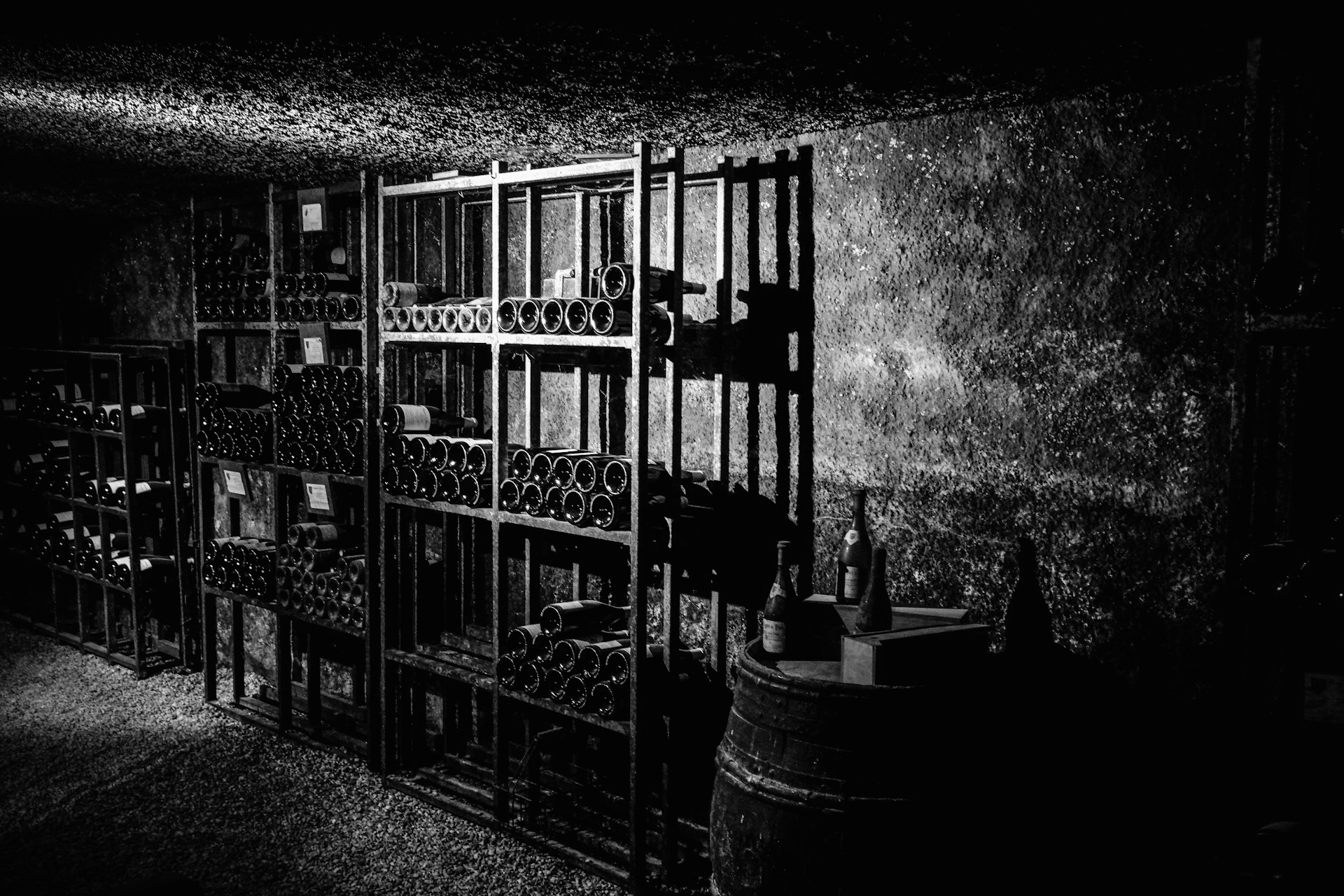
Many families avoided using a single hiding spot repeatedly. Instead, they rotated locations based on time, risk level, or inspection frequency. People moved between homes, barns, cellars, or workshops to avoid creating detectable routines. This strategy reduced the chance that patterns would form or neighbors would notice irregularities. Survival depended on unpredictability. Movement itself became camouflage. Rather than disappearing entirely, people remained partially visible, shifting locations just enough to avoid focused attention.
Blending Into Crowds Through Altered Appearance
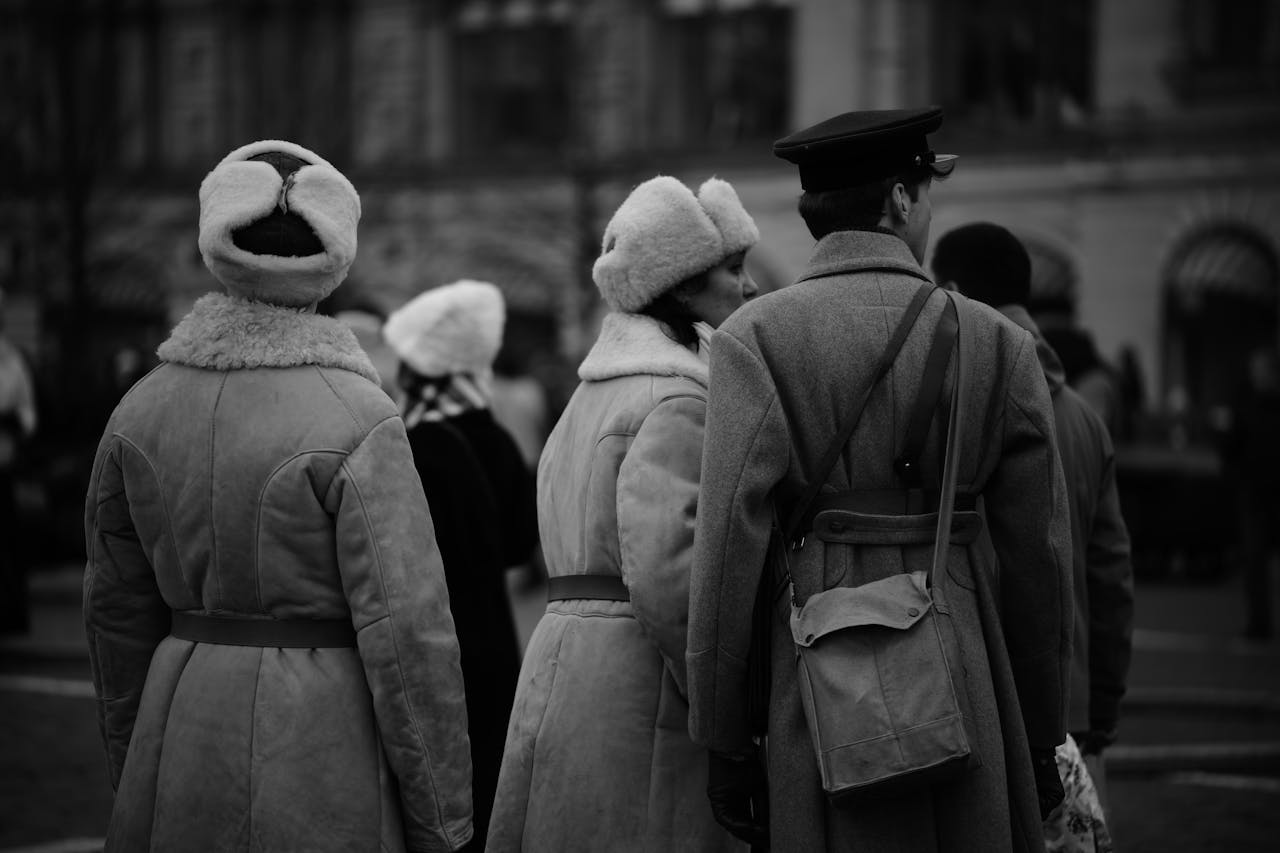
Changing clothing, hairstyles, posture, and even walking pace helped people avoid recognition. Some altered accents or adopted regional speech patterns. Others dressed to appear older, younger, or less noticeable. The goal was not disguise in a theatrical sense, but reduction of distinction. Looking ordinary lowered risk. Crowds became cover. In public spaces, anonymity offered safety. This method relied on observation rather than concealment, using social invisibility instead of physical hiding.
Using Churches, Schools, and Public Buildings as Cover
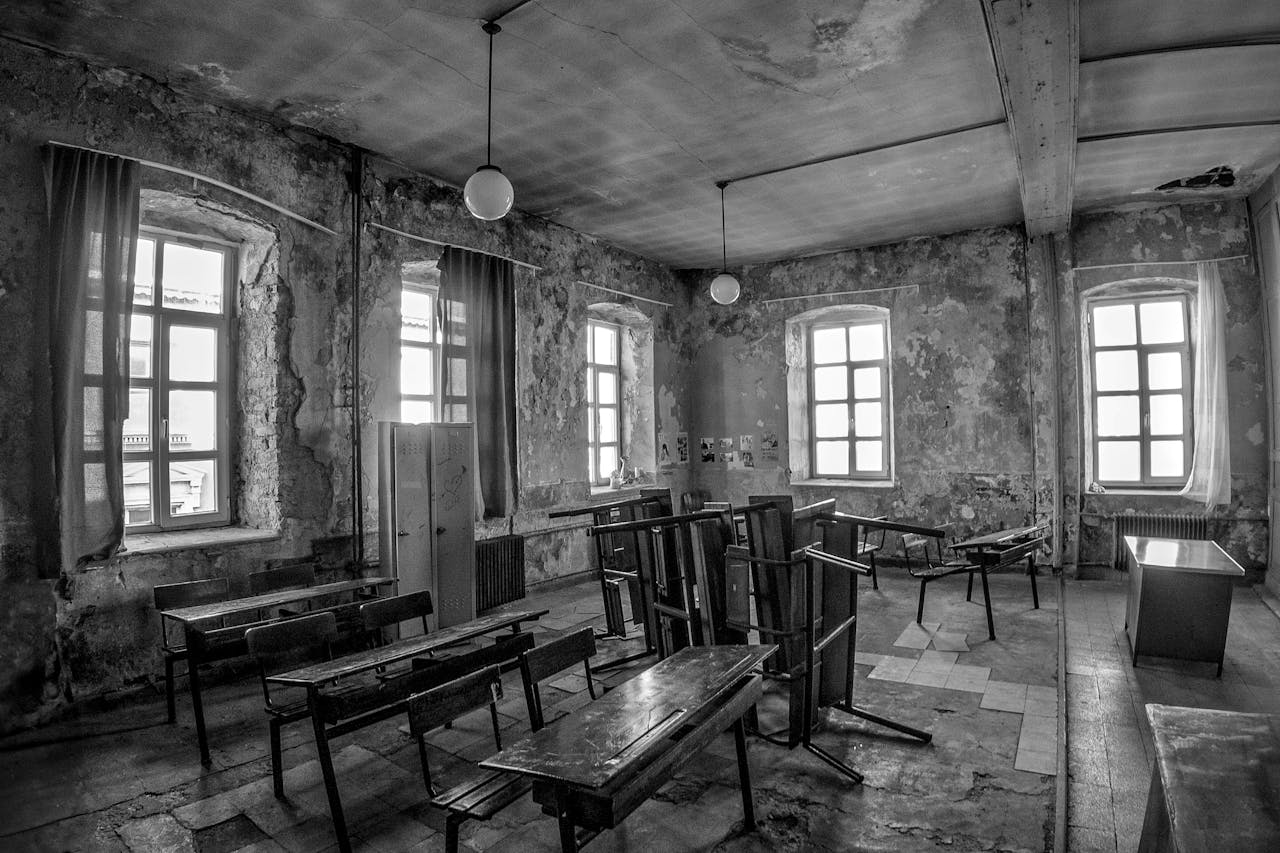
Churches, schools, and other communal buildings often provided unexpected protection during wartime. These spaces were busy, familiar, and symbolically respected, making them less likely to be searched thoroughly or frequently. People hid in bell towers, basements, storage rooms, or among institutional records. Movement in and out of these buildings appeared routine, helping individuals blend in. Their public nature created a paradoxical form of safety. By sheltering within places associated with order and community, civilians leveraged predictability as camouflage.
Hiding in Plain Sight Through Assigned Labor
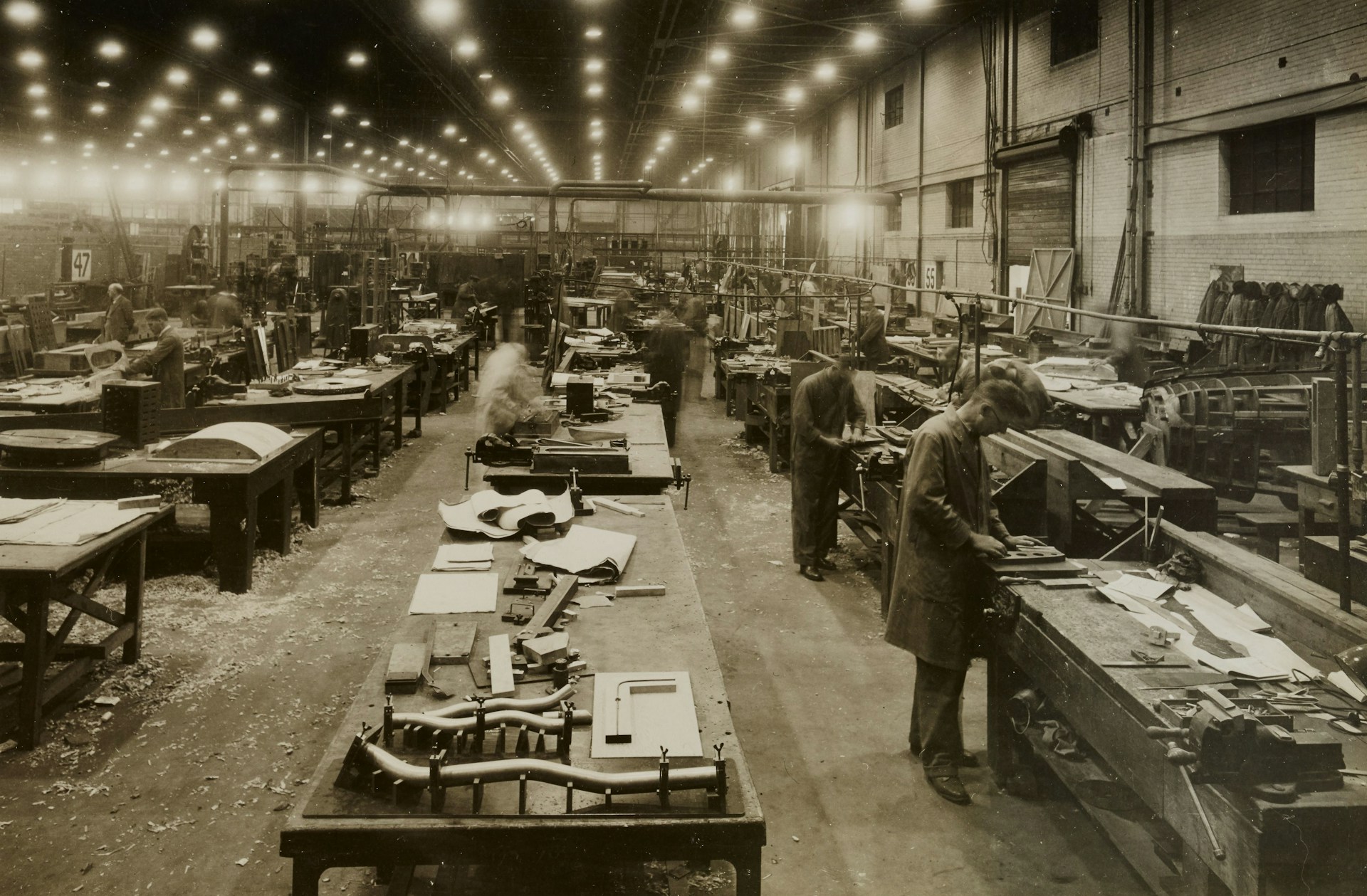
Some individuals avoided detection by embedding themselves into labor systems. Working in factories, farms, railways, or municipal services provided documentation, routine, and visibility that reduced suspicion. Being useful made people less likely to be questioned. Labor assignments also granted access to food, shelter, and information. This strategy relied on compliance rather than concealment. By becoming part of the machinery of daily life, people reduced the likelihood of scrutiny. Survival came from appearing necessary, not invisible.
Passing Information Through Everyday Objects
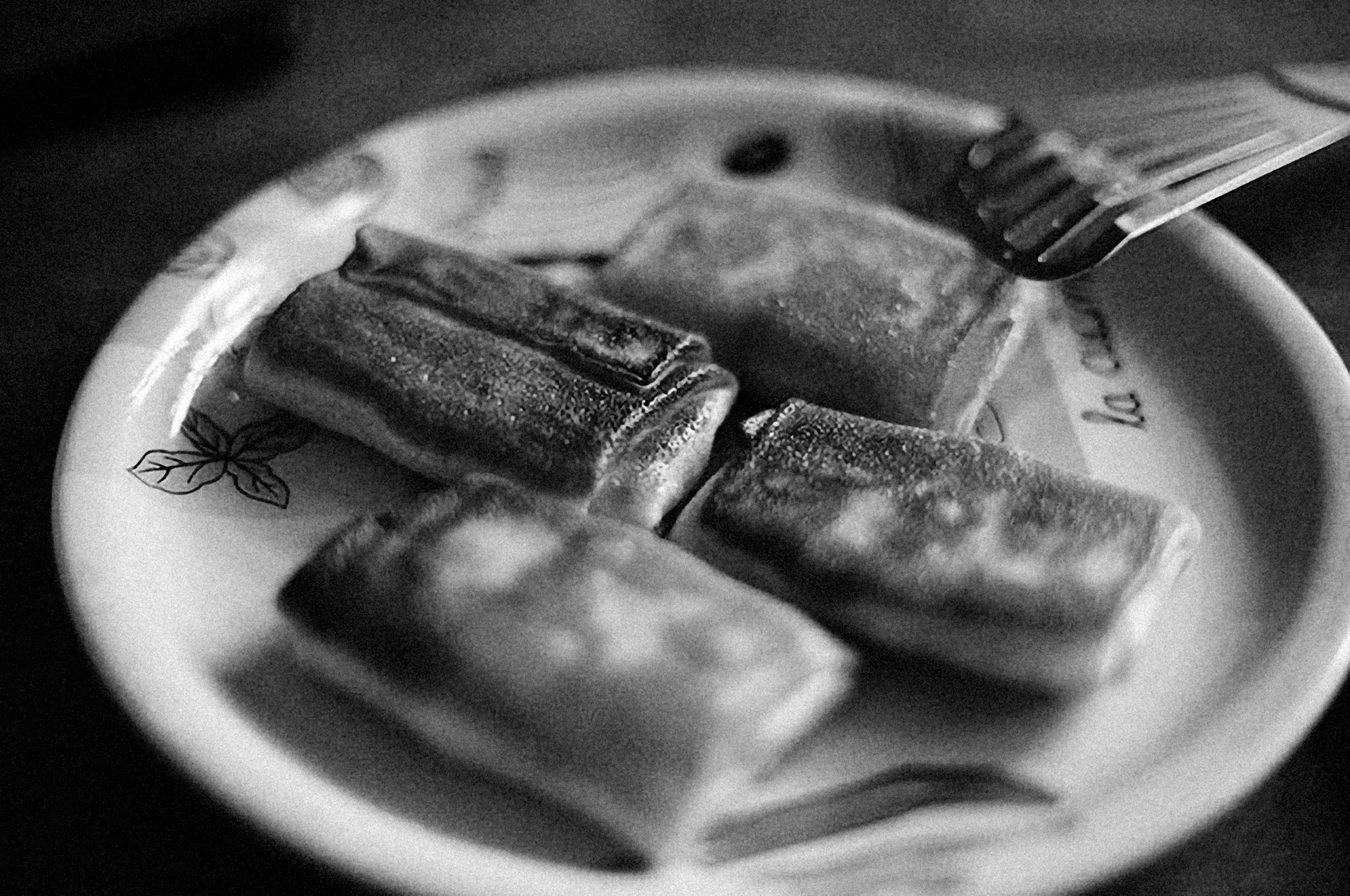
Survival depended not only on hiding people, but also on hiding information. Messages were concealed inside loaves of bread, sewn into clothing seams, written with invisible ink, or hidden inside household items. These methods exploited the assumption that ordinary objects carried no significance. The effectiveness lay in understatement. By embedding critical communication within routine items, civilians maintained networks without drawing attention. Information traveled quietly, sustained by trust and familiarity rather than secrecy alone.
These strategies reveal that survival during the World Wars relied on intelligence shaped by circumstance rather than heroism alone. Ordinary people adapted their environments, habits, and identities to reduce risk and preserve life. The most effective hiding places were rarely dramatic. They were subtle, domestic, and socially embedded. By using familiarity as protection, civilians turned everyday spaces into shields. Their ingenuity underscores how survival often depends on observation, restraint, and the quiet power of adaptation.