
Childhood games were more than just ways to pass the time; they were lessons in disguise. From running around in tag to the strategic plotting in Capture the Flag, we were learning life skills without even realizing it. Let’s dive into the hidden lessons behind some of our favorite childhood games.
Tag: Quick Thinking and Adaptability
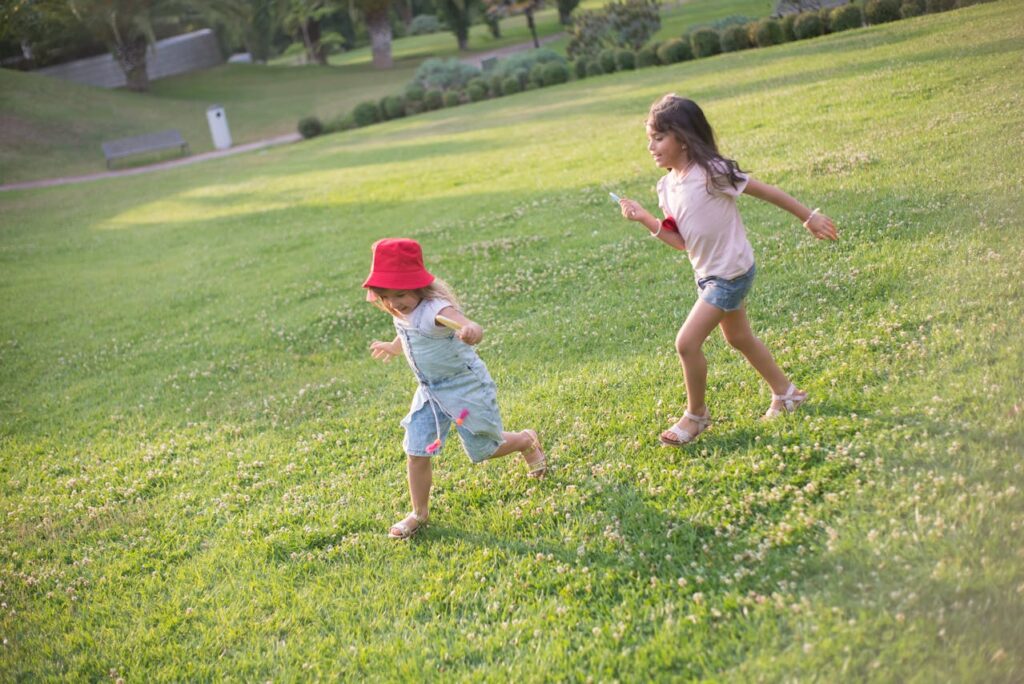
Tag wasn’t just about running fast; it was a game of survival and decision-making. You had to make quick, snap decisions to stay out of reach or catch someone. Each split-second decision taught us how to think fast and adapt to new situations. Running for that safe zone wasn’t just about speed—it was about understanding timing, reading people, and making choices under pressure. Those little moments of adaptability? They’re the same skills we use in everything from work meetings to navigating tricky social situations.
Hide-and-Seek: Patience and Trust
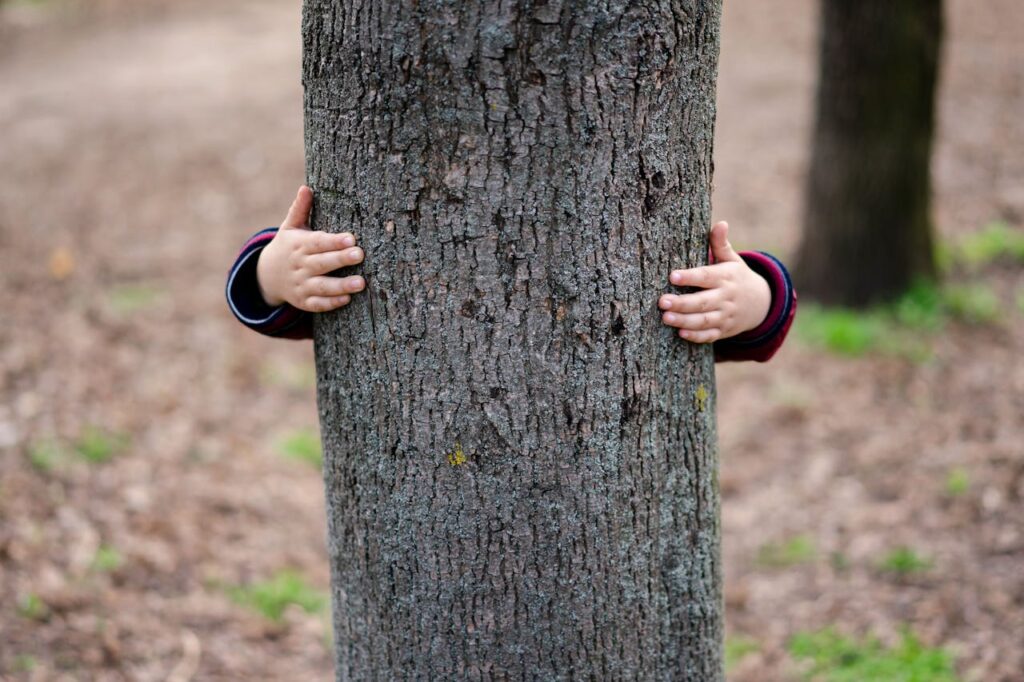
Hide-and-seek taught us patience in the most thrilling way possible. Whether you were hiding or seeking, there was an unspoken understanding that everything had its time. As the hider, you had to sit still and wait, resisting the urge to make noise or peek. As the seeker, you had to trust that someone was out there, hiding quietly, waiting for you to find them. This game helped us learn the importance of patience in uncertain situations and the value of trusting others, both of which are essential in personal relationships and at work.
Jenga: Strategy and Risk Management
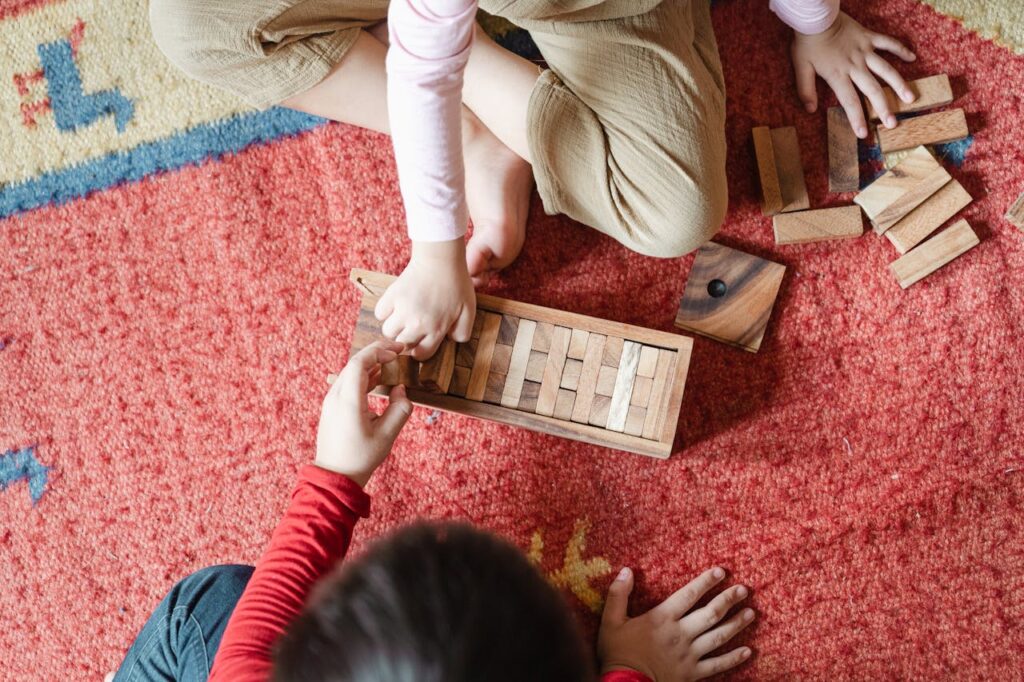
Jenga might look simple, but it’s a game that teaches us a lot about strategy, patience, and risk management. The goal is to carefully remove blocks from a tall tower and place them back on top without making the whole thing collapse. It’s a game of delicate balance, both literally and figuratively. Each move requires careful thought: Should you take the risk and remove that block, or play it safe? Jenga teaches us how to assess risks, plan ahead, and deal with the consequences of our decisions.
Kickball: Resilience and Handling Pressure
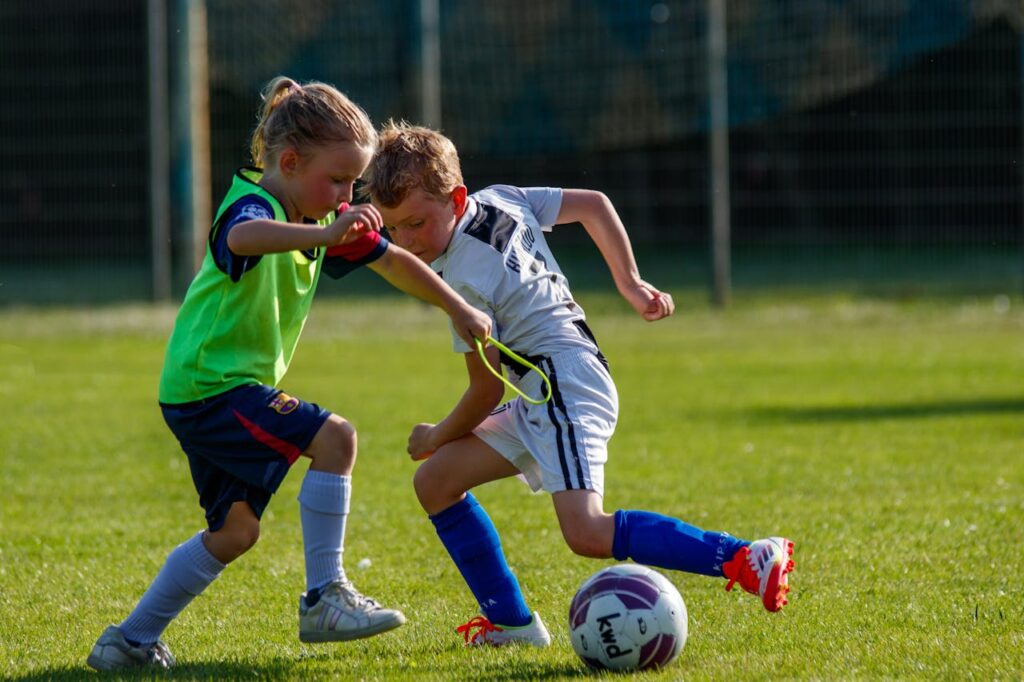
Kickball was a microcosm of life’s ups and downs. You’d either get a home run or strike out, and both outcomes taught us valuable lessons. If you hit the ball, you felt like a champion; if you struck out, you had to face failure head-on and get back in line. This game, more than any other, taught us resilience—how to bounce back from a setback and try again. It showed us that success doesn’t always come easily, but persistence and a good attitude are what ultimately help us get over obstacles.
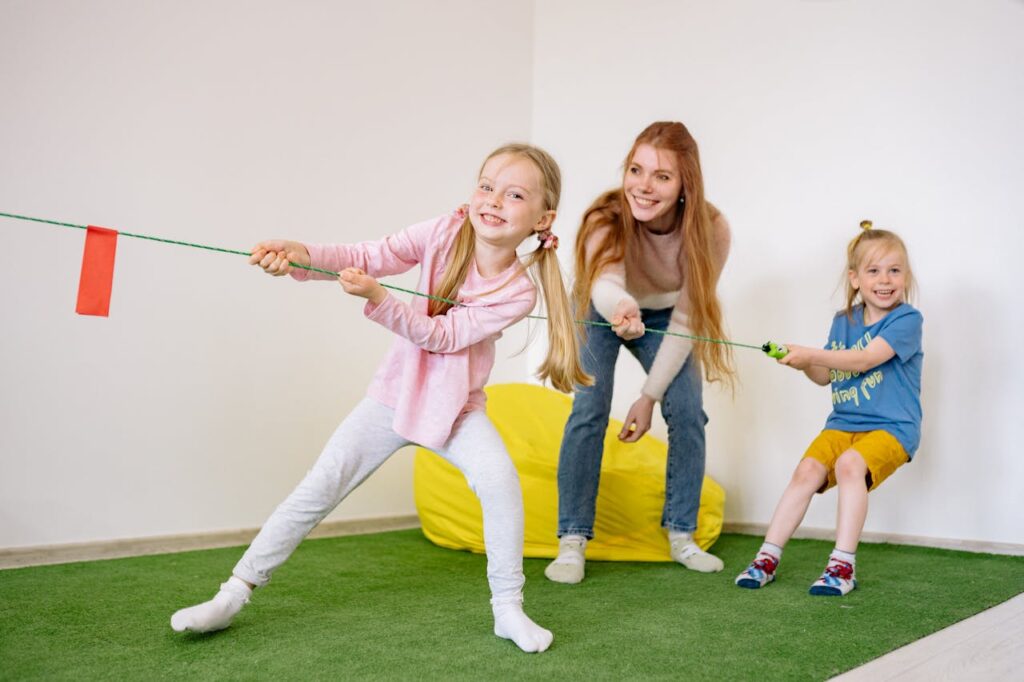
Tug of War: Teamwork and Perseverance
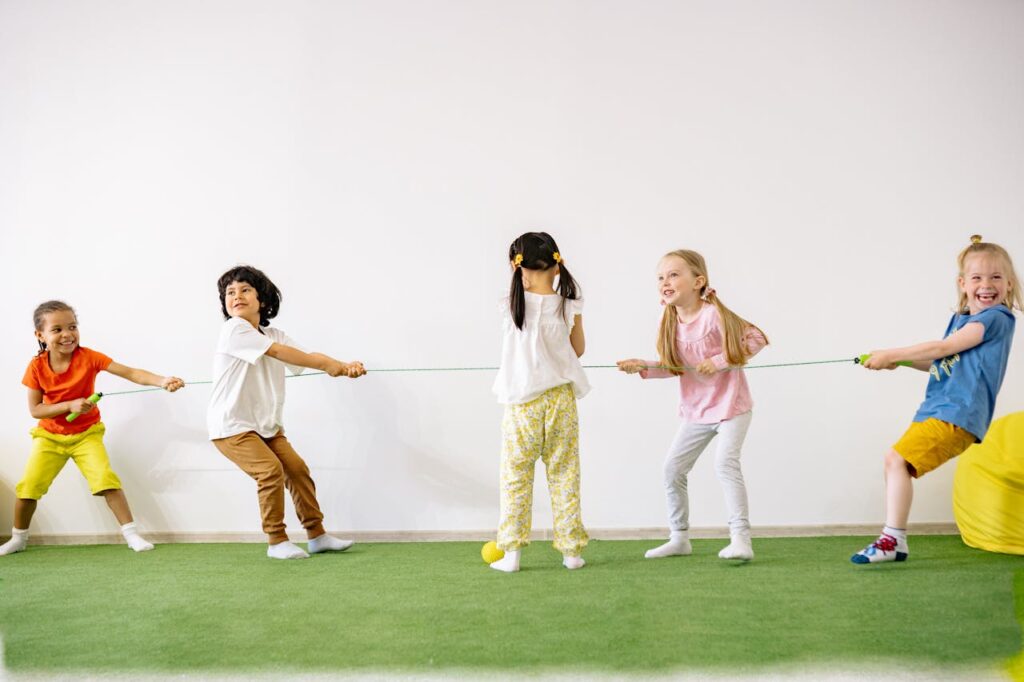
Tug of War is one of those games where the lesson is clear: strength lies in unity. While individual strength certainly plays a role, the true success of the game depends on how well you work with your team. Everyone has to pull in sync, at the same time, with the same force, or the whole team risks losing the game. Tug of War teaches us that teamwork isn’t just about having strong players; it’s about collaboration, synchronizing efforts, and keeping the collective goal in sight. The game also reinforces perseverance because when you feel like giving up, you realize that just one more push might make all the difference.
Simon Says: Attention to Detail

Simon Says might have been a simple game, but it required razor-sharp attention to detail. You had to listen carefully, follow instructions, and stay focused. One wrong move, and you were out. It’s a fun game that teaches us the importance of being present and paying attention. In a world filled with distractions, Simon Says reminds us how crucial it is to tune in, listen closely, and act with intention—whether you’re following a boss’s instructions or just trying not to miss a key detail in a conversation.
Duck, Duck, Goose: Fairness and Taking Turns
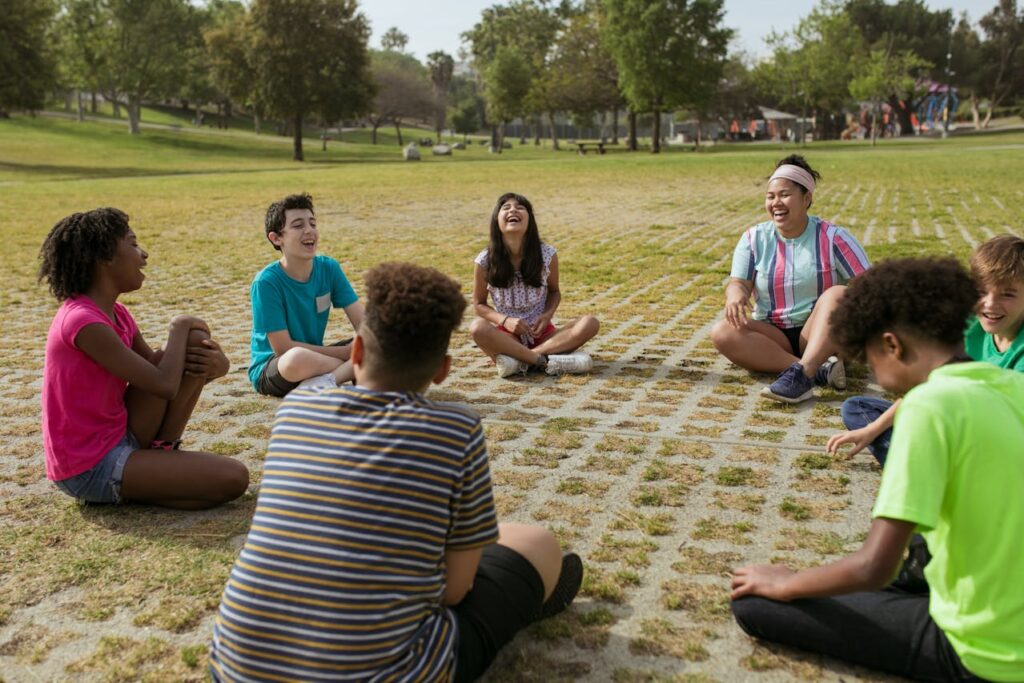
Duck, Duck, Goose might seem like a simple circle game, but it subtly taught us the importance of fairness and patience. You waited for your turn to be the one to chase, and when it was your turn, you had to act swiftly. It taught us to respect others’ turns, be patient, and understand that everyone deserves a chance to play. These principles—fairness, equality, and patience—are just as important in our adult lives, whether in group projects, social circles, or even family dynamics.
While we were running, hiding, and tagging, we were actually building the foundation for skills that would serve us in all areas of life. Whether we were learning resilience in kickball or teamwork in Red Rover, these childhood games shaped us in ways we didn’t even realize at the time. So the next time you’re stuck in a tricky situation, remember: you’ve been preparing for this moment since you were a kid!