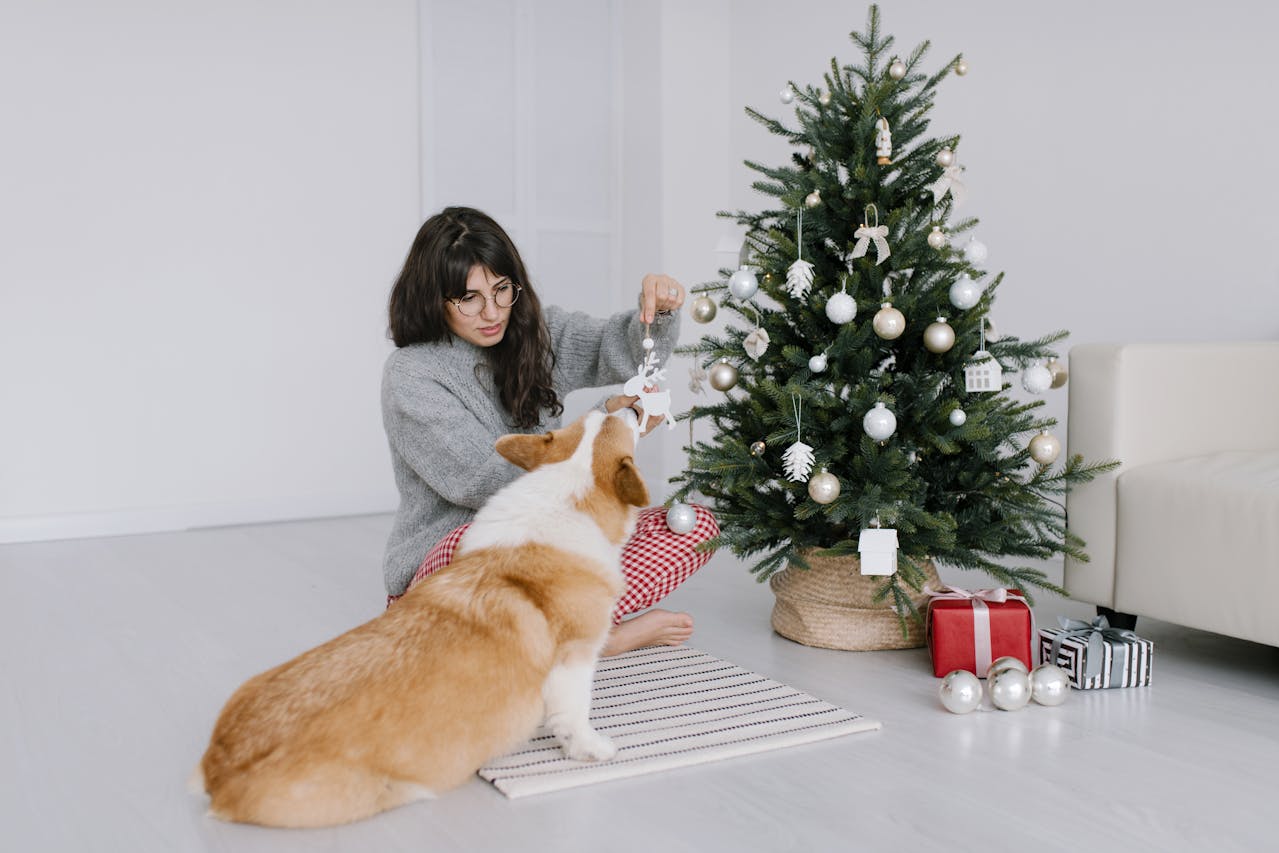
Christmas decor is quietly shifting away from loud excess and toward thoughtful restraint. Designers are moving past trends that feel crowded, overly shiny, or copied straight from last year’s social feeds. Instead, they are focusing on atmosphere, material honesty, and choices that support how people actually live in their homes. The goal is not to decorate less, but to decorate with more intention. These emerging trends create spaces that feel calm, personal, and warm, allowing Christmas to enhance daily life rather than overwhelm it.
Layered Natural Textures Replace Glossy Synthetic Decor

Designers are choosing natural materials like wood, linen, wool, clay, and dried botanicals instead of plastic ornaments and high shine finishes. These textures create depth without visual noise and age beautifully over time. Woven tree skirts, ceramic ornaments, linen ribbons, and handmade details make rooms feel grounded and warm. The focus shifts from sparkle to substance. Natural materials also blend more easily with existing interiors, making holiday decor feel integrated rather than temporary. Texture becomes the visual anchor instead of glitter.
Single Palette Color Stories Replace Red and Green Saturation

Rather than repeating red and green throughout the home, designers now build Christmas decor around one restrained palette. Soft whites, warm browns, muted golds, forest greens, or even charcoal tones bring sophistication without feeling cold. This approach allows holiday elements to complement furniture and walls instead of competing with them. The home feels cohesive rather than themed. Christmas remains present but subtle, creating elegance that feels intentional rather than expected. Color becomes mood driven rather than symbolic.
Decor That Lives Year Round Instead of Seasonal Storage Pieces
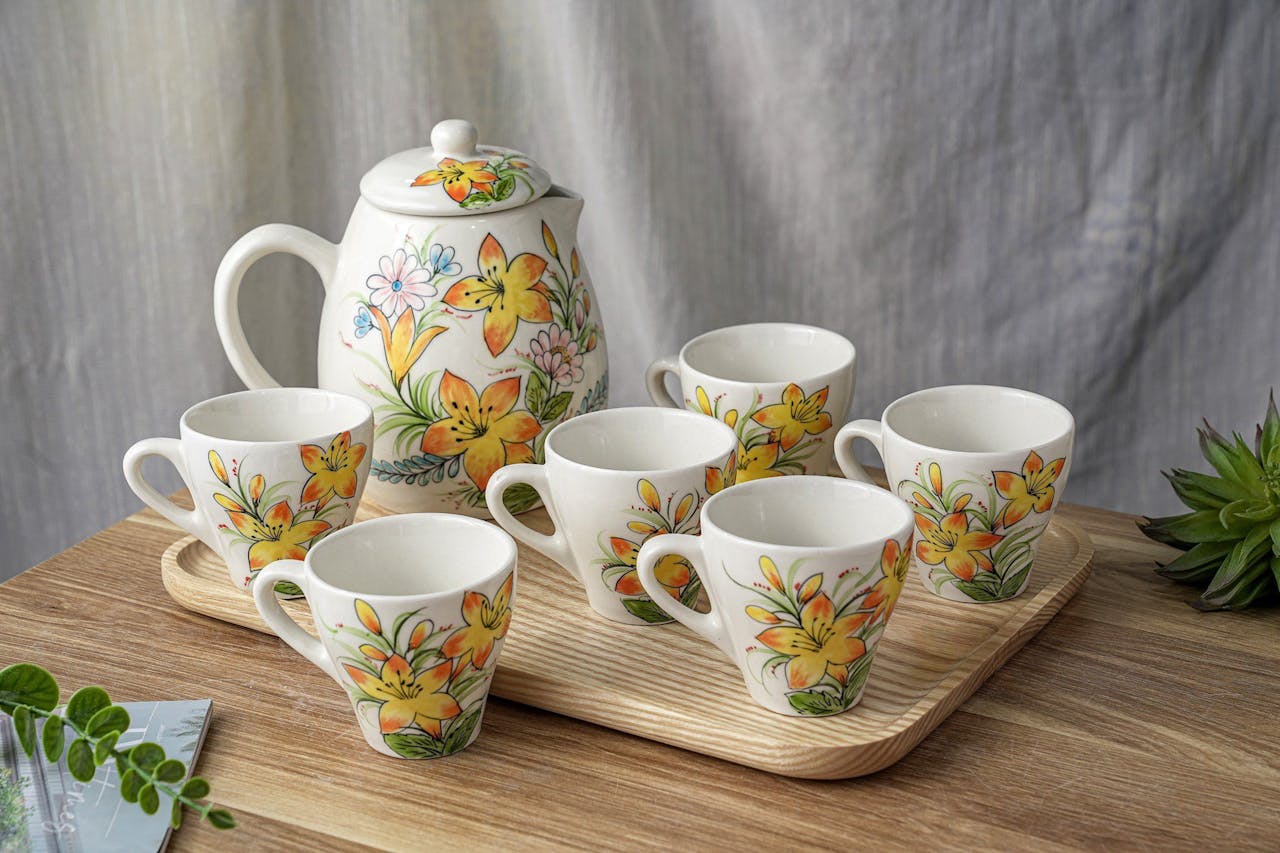
Designers are prioritizing pieces that work beyond December, such as sculptural candleholders, neutral wreaths, wool throws, and ceramic objects. These items feel festive in winter but natural the rest of the year. This approach reduces clutter and storage fatigue while making decorating feel less performative. Homes transition into the season rather than switching identities overnight. The space feels layered instead of staged. Christmas decor becomes an extension of everyday style rather than a temporary overlay.
Meaningful Minimal Trees Replace Fully Packed Branches

Overloaded Christmas trees are being replaced by simpler designs with fewer, more intentional ornaments. Designers encourage letting branches breathe and using negative space as part of the composition. Personal heirlooms, handmade ornaments, and sentimental pieces stand out when not buried. The tree becomes emotional rather than decorative filler. This approach creates visual calm and allows stories to surface naturally. The result feels intimate and thoughtful instead of busy or competitive.
Soft Ambient Lighting Replaces Harsh String Light Displays

Designers are dialing back aggressive lighting and focusing on layered warmth instead. Table lamps, battery candles, wall sconces, and warm white fairy lights create depth without glare. This lighting style makes rooms feel welcoming and restful rather than overstimulating. Christmas lighting becomes about mood and comfort rather than brightness. The home feels lived in and inviting, especially in the evenings. Light supports atmosphere rather than demanding attention.
Intentional Greenery Replaces Faux Garland Overload

Instead of covering every surface with artificial garlands, designers prefer smaller, intentional greenery moments. Pine clippings, eucalyptus, olive branches, or dried stems placed thoughtfully add freshness without excess. These arrangements feel organic and imperfect, which enhances their charm. Greenery becomes a quiet accent rather than a dominant feature. The home feels balanced and breathable. Nature is invited in gently instead of overwhelming the space.
Personal Storytelling Replaces Trend Replication
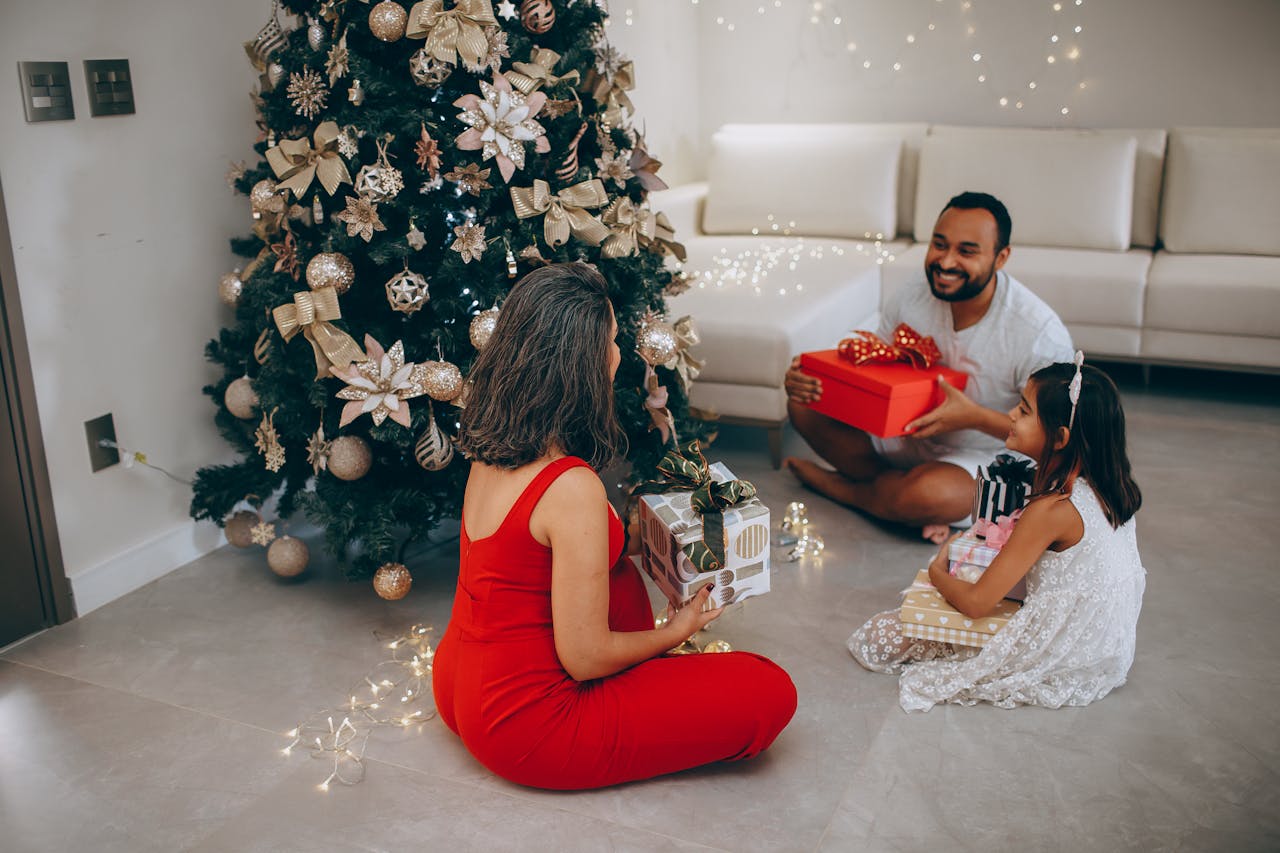
Designers increasingly emphasize decorating around personal history rather than copying popular looks. Family traditions, cultural references, regional influences, and meaningful objects guide decor choices. This creates homes that feel authentic and emotionally grounded. Spaces stop looking staged and start feeling lived in. Christmas decor becomes a reflection of identity rather than performance. The result is warmth that cannot be replicated by trends alone.
Designers are not removing joy from Christmas decor. They are removing excess. These trends show a shift toward calm, material honesty, and personal meaning that lasts beyond the season. When homes feel intentional, decorating becomes less stressful and more satisfying. Christmas no longer competes for attention but enhances everyday life. The most modern holiday interiors feel warm, thoughtful, and quietly confident rather than loud or overloaded.