It sounds like an urban legend: a giant wave of molasses racing through a major American city. But in January 1919, Boston’s North End was hit by exactly that, when a massive storage tank burst and unleashed a sticky disaster. These bizarre facts show just how strange, deadly, and surprisingly far-reaching the Great Molasses Flood really was.
1. A tank of syrup exploded in the middle of the city

The Great Molasses Flood began with a huge storage tank packed with about 2.3 million gallons of molasses. It stood in Boston’s North End, close to homes, businesses, and an elevated train line, which already sounds like a bad idea in hindsight.
On January 15, 1919, the tank suddenly ruptured. Witnesses described a deep rumble and what sounded like an explosion before the steel sides gave way.
Instead of fire or smoke, a dark, dense wall of syrup surged into the neighborhood. It was industrial cargo, not a natural force, but it hit the city with the chaos of a man-made tidal wave.
2. The wave moved shockingly fast
Molasses sounds slow, silly, even harmless, until you learn the flood wave reportedly reached around 35 mph at its peak. That is fast enough to catch people completely off guard, especially on a busy city street with no warning.
The surge was estimated to be 15 to 25 feet high in places. It ripped buildings from foundations, toppled poles, and hurled debris through the neighborhood.
What made the scene so surreal was the contrast. This wasn’t water, mud, or snow. It was a towering rush of thick brown syrup, moving with enough force to crush structures and trap anyone in its path.
3. People and horses were trapped in the sticky mess
One of the strangest and most horrifying details was how the molasses behaved once it spread through the streets. Victims didn’t just get knocked down. Many became stuck, struggling to move as the syrup clung to clothes, skin, and debris.
At the time, horses were still a common part of city life, and many were caught in the flood as well. Rescuers reportedly had trouble reaching both people and animals because every movement became a fight against the thickening sludge.
It turned a rescue scene into something nightmarish. The more victims panicked, the harder it often became to pull free from the syrupy wreckage surrounding them.
4. The disaster killed 21 people and injured about 150
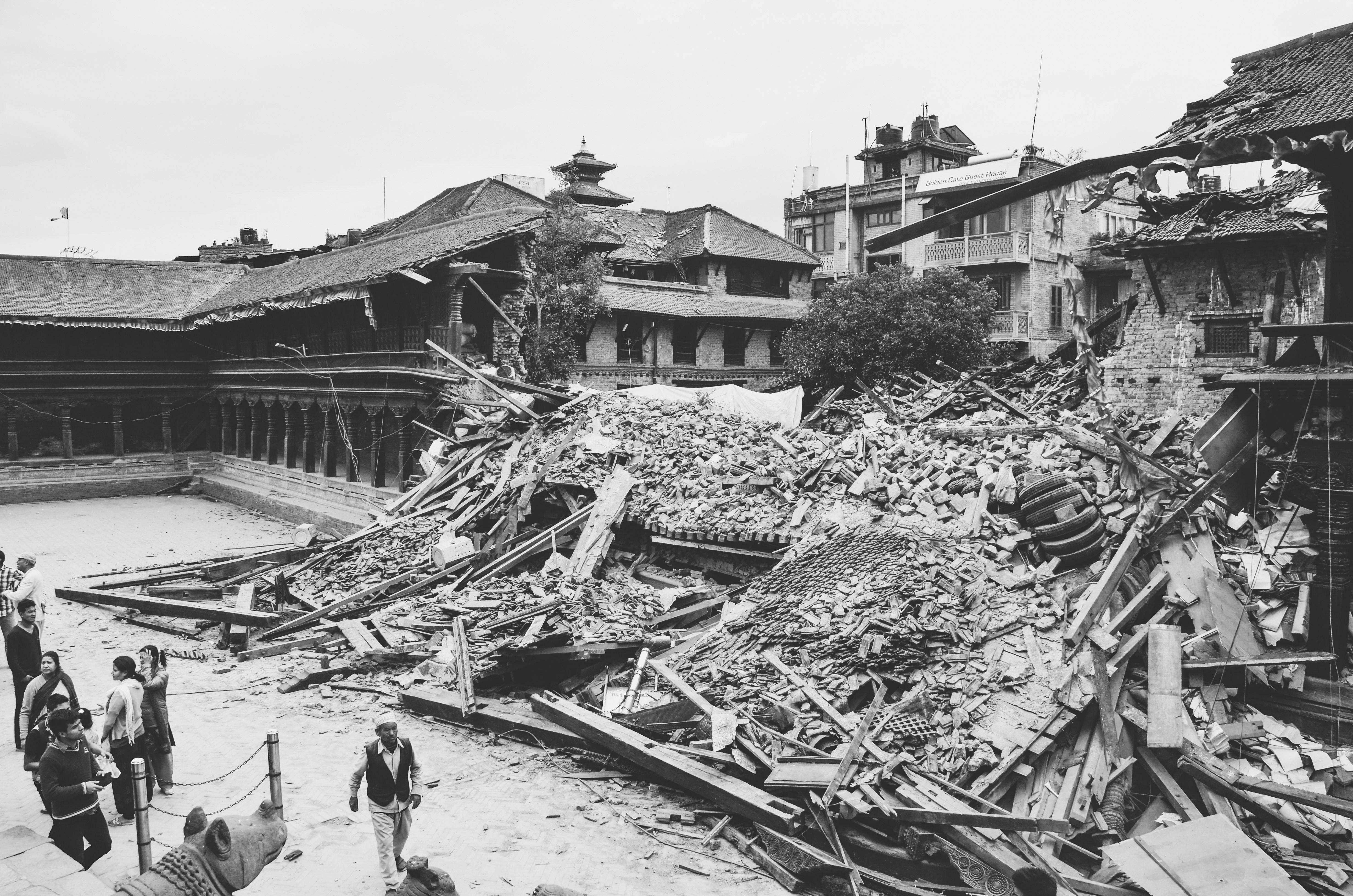
For all its bizarre imagery, the Great Molasses Flood was not a quirky historical footnote. It was a lethal industrial disaster that killed 21 people and injured around 150 more, leaving families shattered in a neighborhood packed with working-class residents.
Some victims were crushed by flying debris or collapsing buildings. Others were overtaken by the wave and unable to escape once the molasses cooled and stiffened.
That death toll is what snaps the story back into focus. However strange it sounds today, this was a real catastrophe, and the people caught in it had almost no chance to understand what was happening before it was already too late.
5. Cleanup took weeks and the city stayed sticky for months

After the flood, Boston faced a cleanup job unlike anything most cities had ever seen. Crews used salt water, pumps, shovels, and sheer persistence to clear streets, buildings, and wreckage coated in syrup.
The problem was that molasses does not simply disappear. It seeped into cracks, stuck to shoes, coated tools, and got tracked into homes, trains, and public spaces.
Reports from the time said the harbor turned brown and that parts of the city remained sticky long afterward. According to the popular retelling, people could even smell molasses on warm days for months, which is a bizarre sensory aftershock for such a tragic event.
6. The tank had been leaking before it burst
One of the most maddening facts is that the tank reportedly gave warning signs before the disaster. Residents had noticed leaks, and children were even said to collect dripping molasses from the sides, which sounds absurd now but shows how visible the problem may have been.
Instead of fully addressing the structural issues, the tank was reportedly painted brown, a detail that has lived on as a symbol of neglect. Whether every retelling captures the nuance, the larger truth is clear: people had concerns before the rupture.
That makes the flood feel less like a freak accident and more like a preventable failure waiting for the worst possible moment.
7. A courtroom battle helped shape corporate accountability

The disaster did not end when the streets were cleared. It triggered a major legal battle involving hundreds of claims against the company behind the tank, in one of the earliest large-scale class-action-style proceedings in Massachusetts.
After years of testimony, investigators concluded the tank had been poorly built and insufficiently tested. The company was found responsible, and victims or their families received compensation.
That legal aftermath is one reason the flood still matters beyond its weird headline appeal. It became an important example of how corporate negligence, engineering shortcuts, and weak oversight can devastate a community long before anyone utters the phrase public safety.