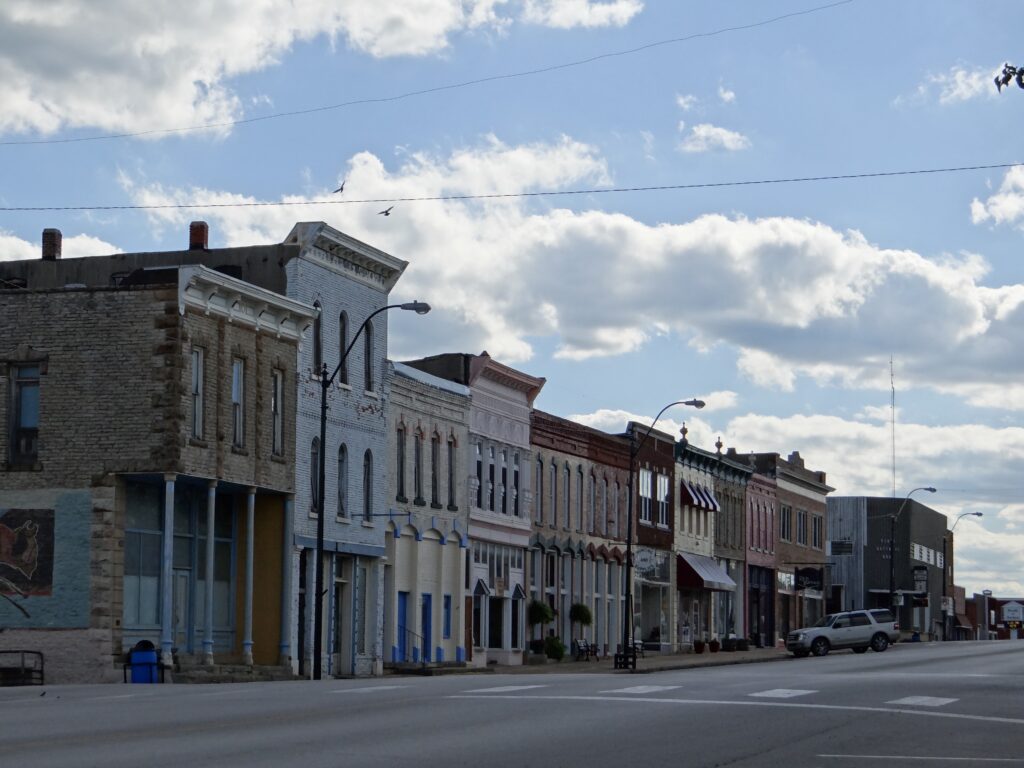
Across the world there are towns and structures that were once busy with families, workers, and daily life. Economic shifts, natural disasters, and political decisions slowly emptied them out. What remains are streets with no traffic and buildings where nature is quietly taking over. These places often look dramatic in photographs, but their stories are grounded in very real events. Many can be visited legally with proper planning, though some require permits or guided access. If you are drawn to abandoned places, understanding why they were left behind makes the experience meaningful rather than simply eerie.
Pripyat, Ukraine
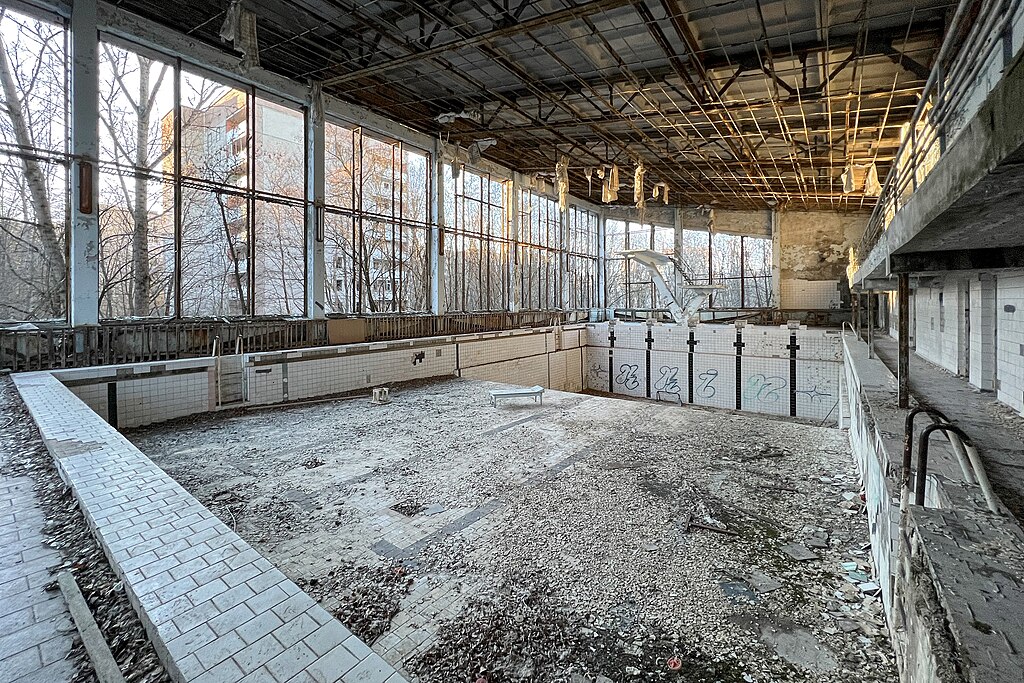
Pripyat was built in 1970 to house workers at the nearby Chernobyl Nuclear Power Plant. After the 1986 reactor explosion, the entire city was evacuated within days and has remained largely untouched since. Apartment buildings, schools, and an amusement park still stand frozen in time. Guided tours now operate through the Chernobyl Exclusion Zone under strict safety rules.
Radiation levels in approved areas are monitored and considered safe for short visits, though certain spots remain off limits. If you go, follow official guidance carefully rather than attempting unauthorized entry. The abandoned setting looks dramatic, but the true story is about nuclear disaster and long term environmental impact. Walking through Pripyat feels powerful because it represents a sudden pause in ordinary life.
Hashima Island, Japan
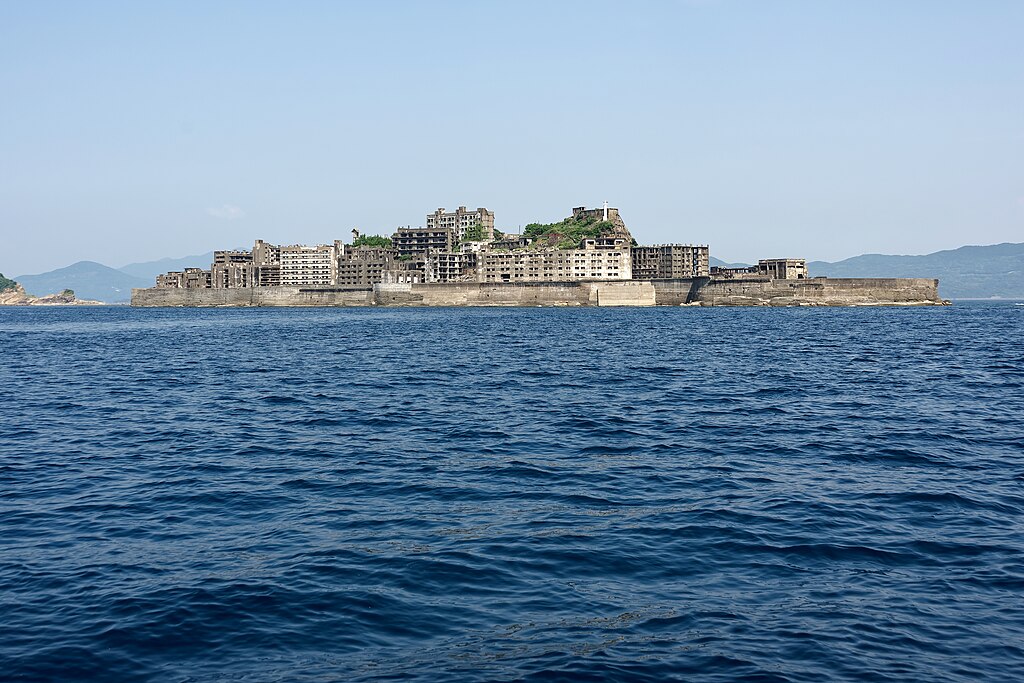
Hashima Island, also known as Gunkanjima or Battleship Island, once housed thousands of coal miners and their families. Its concrete apartment blocks rise tightly together on a small island off Nagasaki. When Japan shifted away from coal in the 1970s, the mine closed and residents left quickly. The island remained empty for decades until limited tours began in recent years. Visitors are restricted to designated walkways because many structures are unstable.
The stark buildings and sea surrounding them create an intense visual contrast, but the abandonment came from economic change rather than sudden tragedy. If you visit, wear proper footwear and respect safety barriers. The experience is striking because it shows how quickly an industrial community can vanish when demand disappears.
Bodie, California
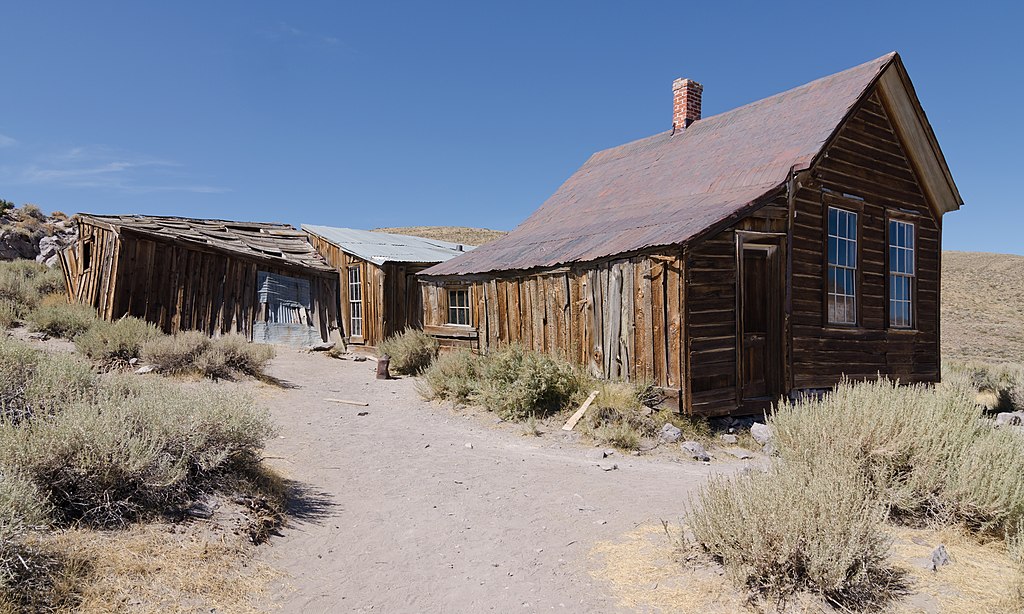
Bodie began as a gold mining town in the late 1800s and grew rapidly during the California gold rush. When the mines declined, residents moved away, leaving behind homes, a church, and a schoolhouse. Today it is preserved as a California State Historic Park in what officials call a state of arrested decay. That means buildings are stabilized but not fully restored. You can walk the dusty streets and look inside structures that still hold furniture and goods from decades ago.
Visitors are asked not to remove anything, as even small items are protected by law. The town feels cinematic, yet its story is common among mining communities that boomed and faded. Standing there gives a clear sense of how economic cycles shape entire towns.
Oradour sur Glane, France
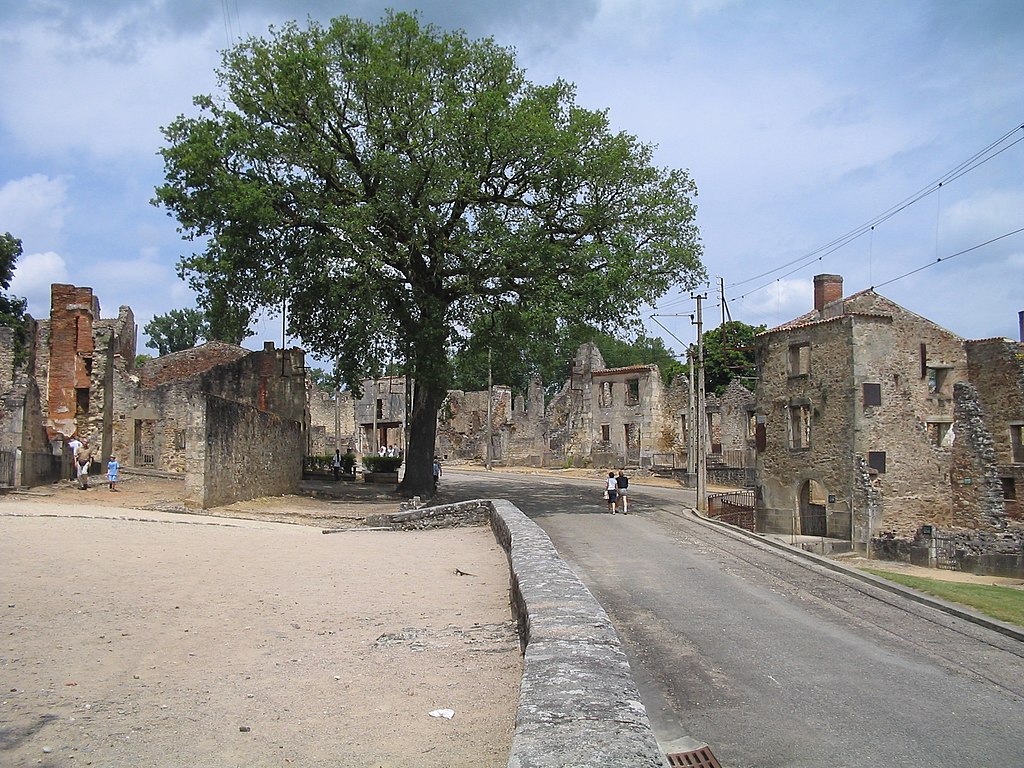
Oradour sur Glane was a French village destroyed during World War Two in 1944. German forces killed hundreds of residents and burned much of the town. After the war, the ruins were left as a memorial. Rusted cars, collapsed roofs, and empty streets remain as they were found. Visitors can walk through the preserved village and a nearby museum that explains the historical context in detail.
This site is not abandoned because of economic decline or natural disaster but as a deliberate act of remembrance. If you visit, approach quietly and respectfully. The atmosphere feels heavy, yet it is important to understand it as a war memorial rather than a backdrop for dramatic photography. The silence there honors lives that were abruptly cut short.
Kolmanskop, Namibia
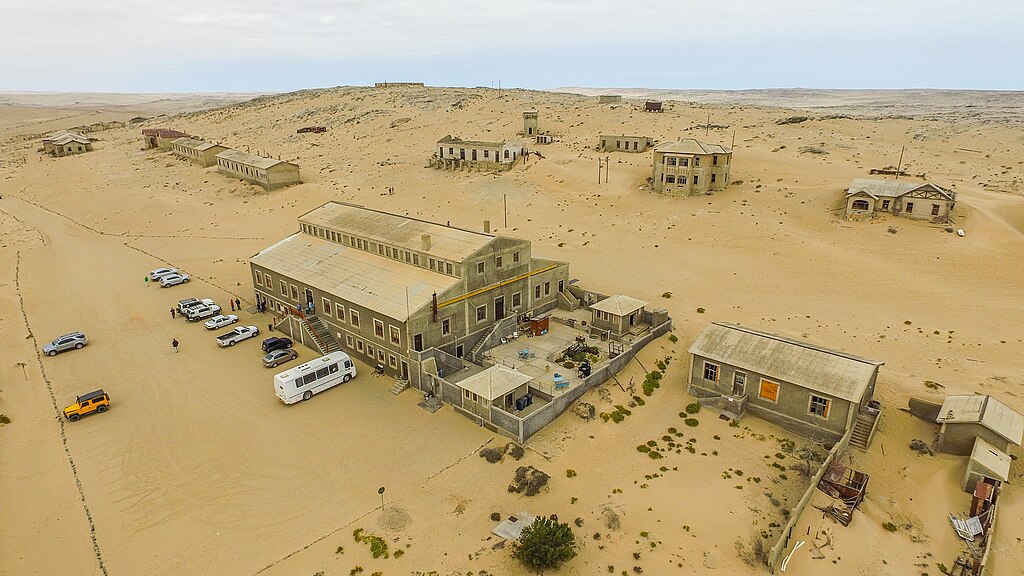
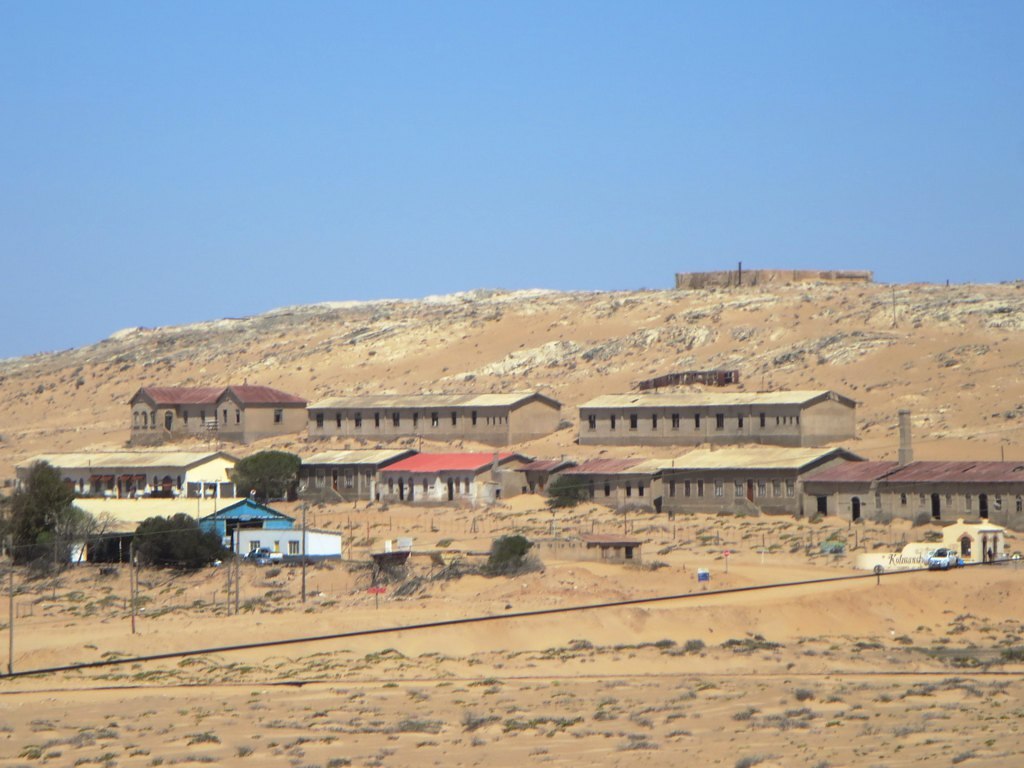
Kolmanskop was once a wealthy diamond mining town in the Namib Desert during the early twentieth century. German settlers built elegant homes, a hospital, and even a ballroom. When diamond production shifted elsewhere, the town was gradually abandoned. Over time desert sand filled the buildings, creating rooms half buried under dunes. Today guided tours allow visitors to explore the area safely during daylight hours.
The striking images of sand flowing through doorways come from natural wind patterns, not staged effects. If you plan a visit, go with an authorized guide and bring water due to extreme heat. The town looks otherworldly, yet its story reflects how resource driven communities can collapse when the resource runs out. Nature slowly reclaims what industry once dominated.
Centralia, Pennsylvania
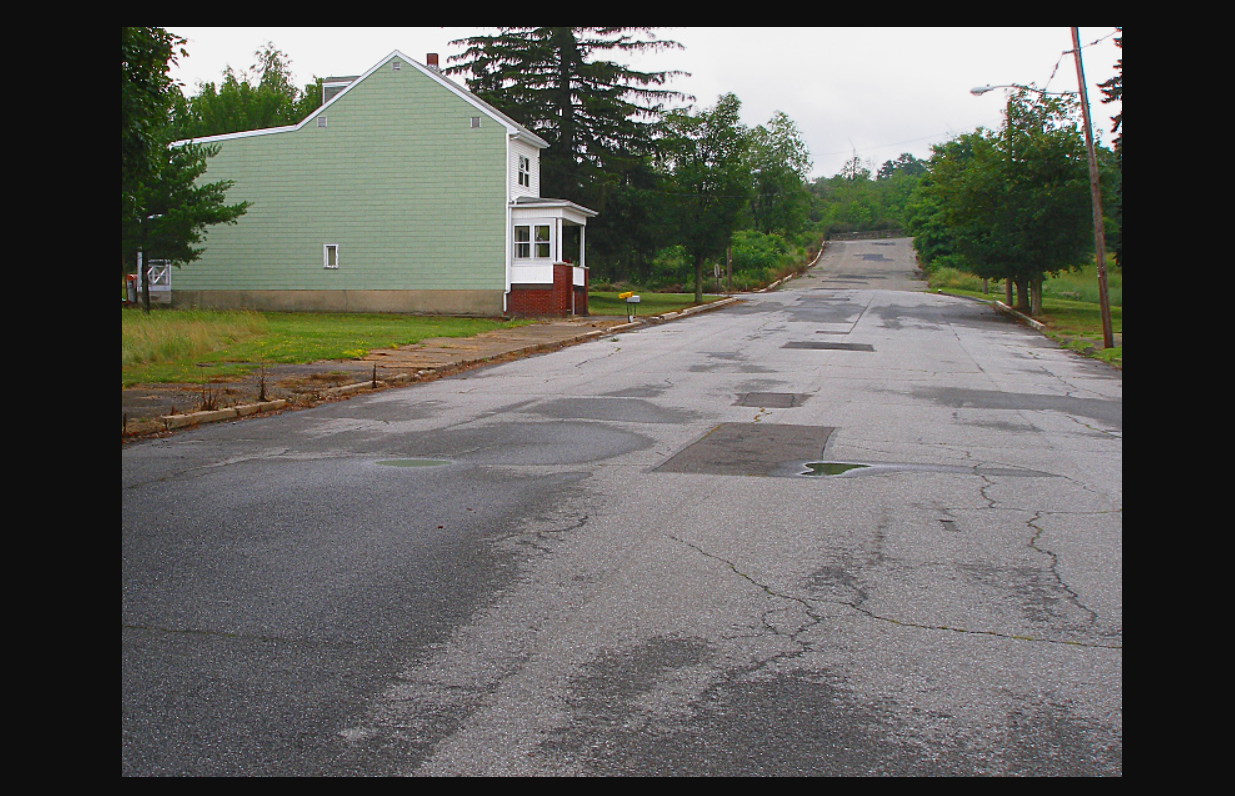
Centralia was a coal mining town in Pennsylvania that experienced an underground mine fire beginning in 1962. The fire continues to burn beneath the ground, releasing gases and causing sections of land to sink. Over the years most residents relocated, and many buildings were demolished. Only a few structures remain, along with cracked roads and warning signs. The state restricted access to certain areas because of safety concerns.
The story is not about sudden mystery but about long term environmental hazards that proved difficult to control. If you are curious, research current access rules before planning a trip. Centralia serves as a reminder that industrial activity can have lasting effects long after mines close. The emptiness there grew slowly, shaped by heat and time beneath the surface.
Craco, Italy
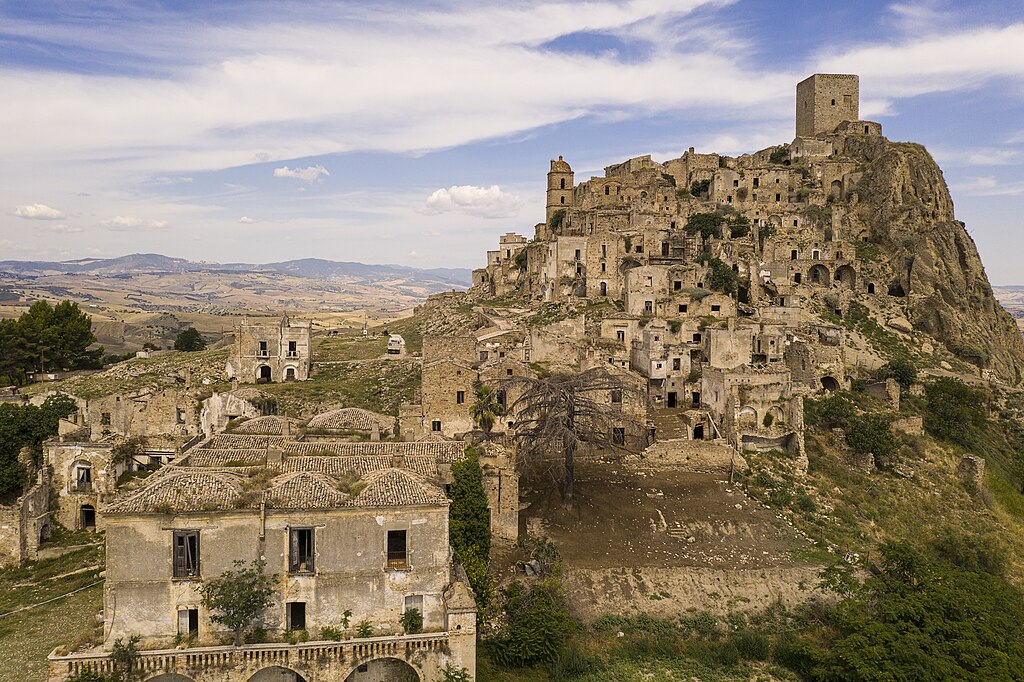
Craco is a medieval hilltop town in southern Italy that was gradually abandoned due to landslides, erosion, and earthquake damage. Residents moved to safer ground during the twentieth century. Stone houses and narrow streets remain perched dramatically above the valley. The town has been used as a filming location because of its striking appearance. Access is controlled, and visitors typically join guided tours for safety reasons.
The fragile terrain makes independent exploration risky. The haunting look of Craco comes from geology and shifting earth rather than violent events. If you visit, follow official routes and respect preservation efforts. The quiet streets illustrate how natural forces can reshape settlement patterns over generations, leaving behind a powerful visual reminder of change.