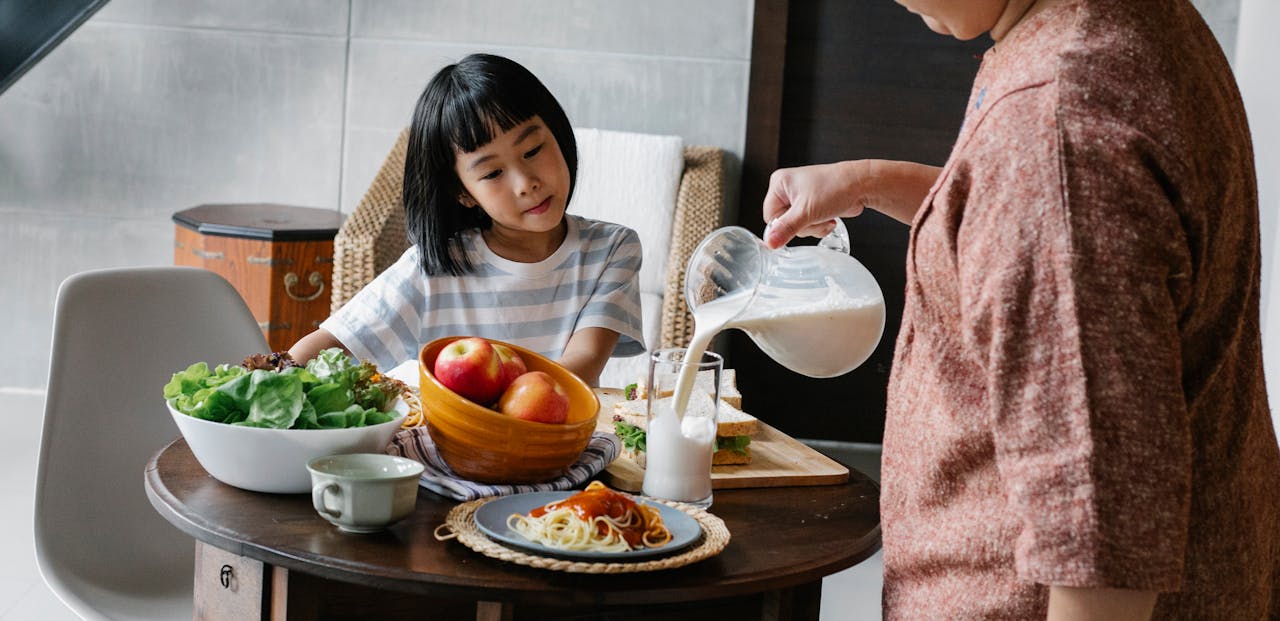

Only children often face unfair stereotypes of being lonely, spoiled, or socially awkward. However, research and real-life experiences paint a much more positive and nuanced picture. Growing up without siblings can foster unique strengths and admirable traits in kids. Here are six wonderful characteristics commonly found in only children that deserve more recognition.
Independent Thinkers

Only children spend a lot of time on their own, which helps them develop strong independence from an early age. They’re used to entertaining themselves, making decisions without relying on siblings, and thinking creatively to fill their time. This independence often translates into confidence in their own ideas and the ability to solve problems solo. They’re comfortable exploring their own interests without always seeking approval from others. As adults, this quality makes them self-reliant and driven in both personal and professional settings.
Mature Beyond Their Years
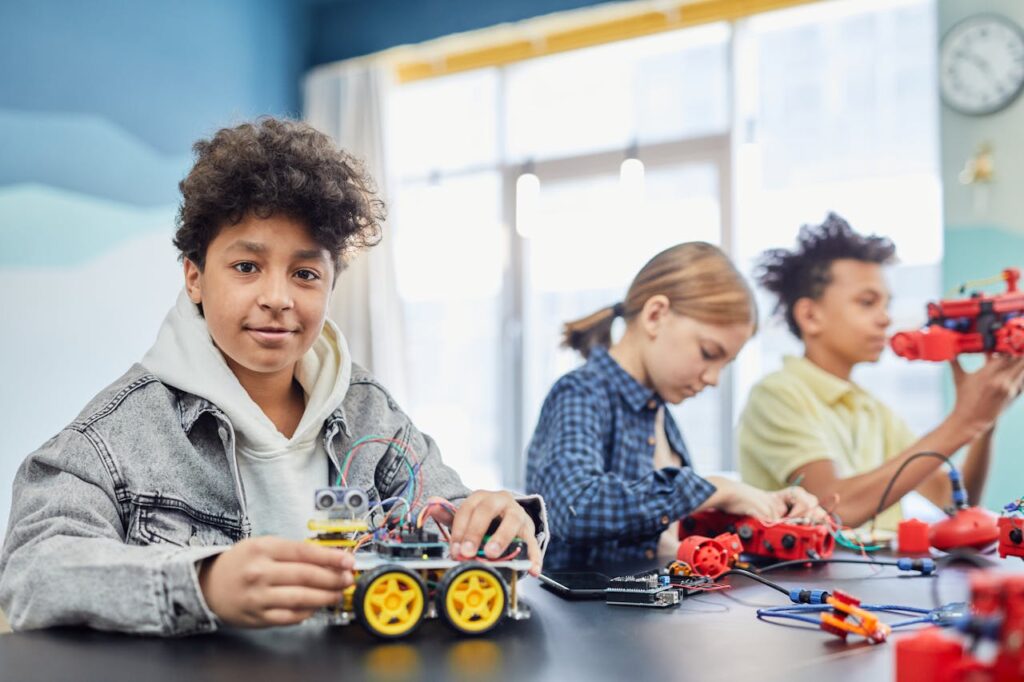
Being around adults most of the time naturally exposes only children to more grown-up conversations and situations. They tend to pick up mature communication skills and an advanced understanding of social cues early on. Many only children are praised for their poise, articulate speech, and thoughtful perspectives. This maturity often helps them build strong relationships with teachers, coaches, and other authority figures. It also makes them compassionate and empathetic listeners among their peers.
Close Parent-Child Relationships
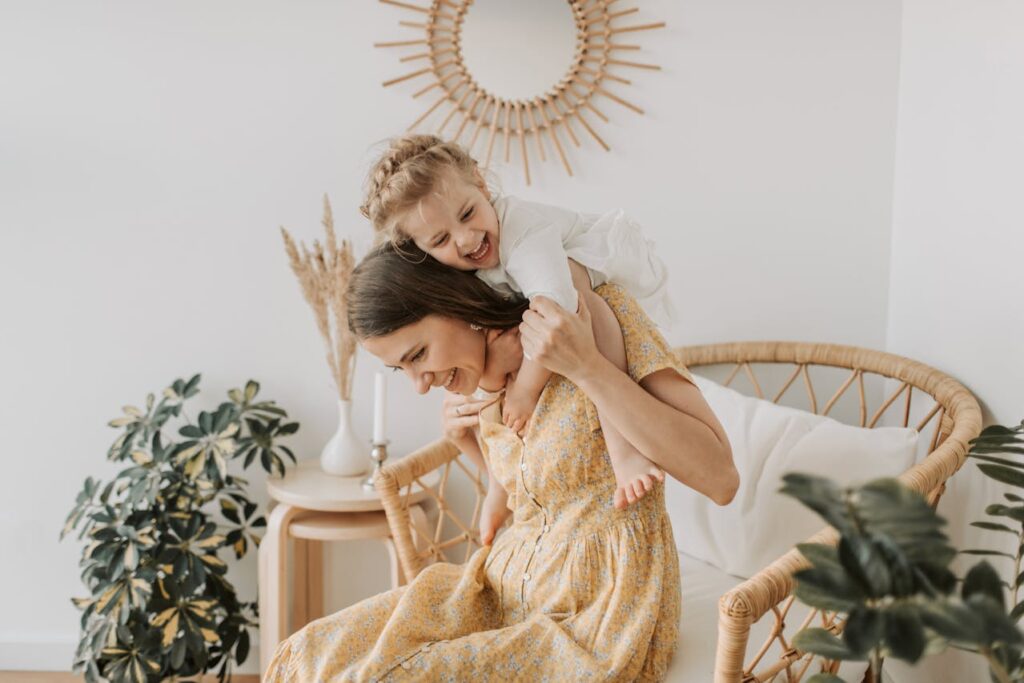
Without siblings competing for time and attention, only children often build uniquely close bonds with their parents. They receive more one-on-one guidance, support, and affection, which can boost their confidence and emotional security. These tight connections often foster trust and open communication between parents and child. Only children feel comfortable discussing their thoughts, feelings, and challenges with their parents. As a result, they often grow up feeling valued and deeply loved.
Strong Academic Focus

Many only children develop excellent study habits and a strong focus on schoolwork. Without siblings around to distract them, they often have quiet environments that allow them to concentrate. Parents may also have more time and resources to invest in their child’s education, extracurriculars, and hobbies. This support can help only children excel academically and pursue higher education goals. Their diligence and determination often carry over into their adult careers.
Creativity and Imagination

Spending time alone pushes only children to invent games, stories, and imaginative worlds to keep themselves entertained. This fosters strong creative thinking skills and a vibrant inner life. They often excel in artistic activities like writing, drawing, music, or acting because they’ve practiced creating and exploring ideas solo. Only children learn to find joy and possibility in the simplest activities. This creativity becomes a lifelong asset in both their personal passions and professional problem-solving.
Comfortable with Adults

Because they spend more time interacting with parents, relatives, and other adults, only children often become skilled conversationalists in adult settings. They’re at ease speaking with people older than themselves and can navigate adult environments with confidence. This comfort can serve them well in school, work, and networking situations. They tend to be polite, respectful, and able to hold engaging conversations on various topics. It’s a social advantage that often helps them build meaningful connections throughout life.