
Thanksgiving is a holiday built on warmth, generosity, and shared traditions, yet some well-intended behaviors can unintentionally rub people the wrong way. While these habits may be rooted in courtesy, they often disrupt the comfort, rhythm, or emotional atmosphere of the gathering. Many families quietly tolerate these “helpful” gestures without ever expressing how frustrating they can feel. Understanding these subtle social missteps can make the holiday more enjoyable for everyone around the table.
Arriving Early Without Asking
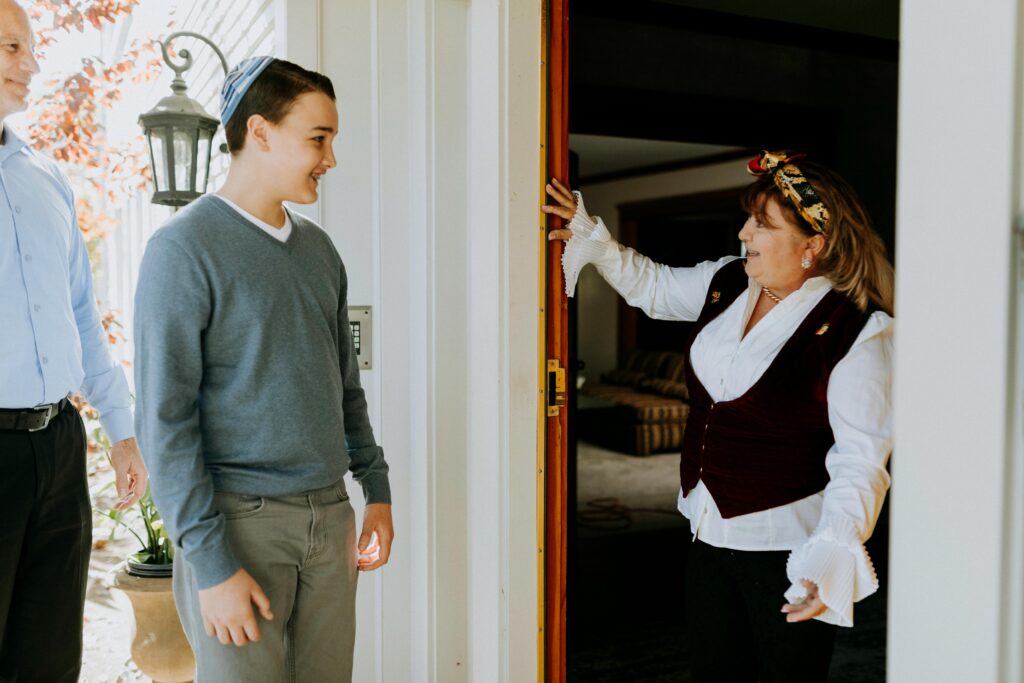
Showing up before the agreed time may seem considerate, but it often creates unnecessary stress for the host. Most Thanksgiving hosts plan their prep to the minute, and an unexpected early guest forces them to stop cooking or hide the chaos of an unfinished kitchen. Even if the intention is good, an early arrival can derail the host’s timeline and create awkward pressure. A quick message beforehand is always a more respectful approach.
Bringing Unrequested Dishes
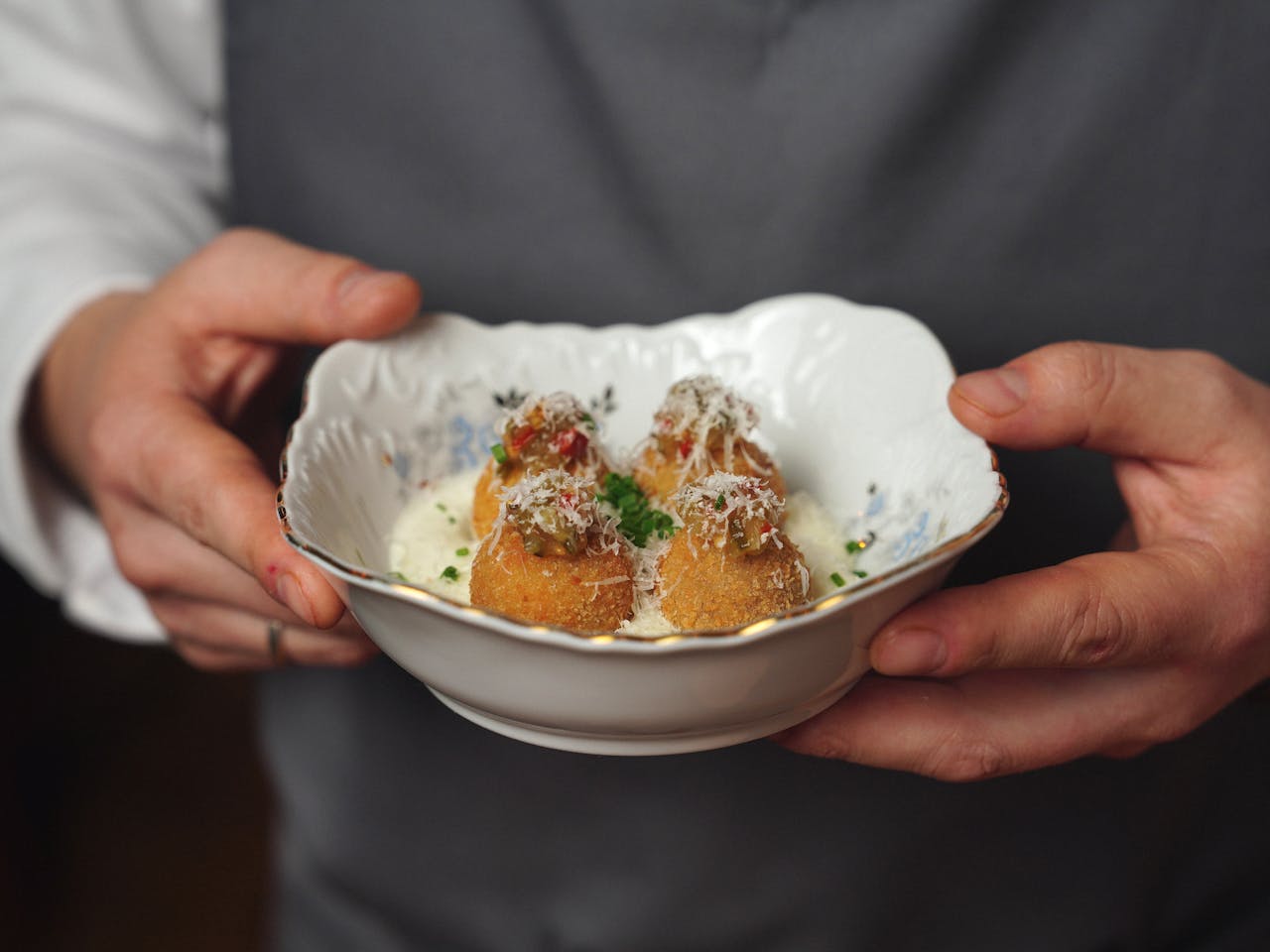
Many guests believe that arriving with food is a sign of gratitude, but it can easily complicate the host’s carefully planned menu. The kitchen may already be full, counter space limited, and oven time tightly scheduled. Showing up with a dish that requires reheating or special storage can be more burdensome than helpful. If you truly want to contribute, asking ahead ensures your gesture lands as thoughtful rather than intrusive.
Offering “Help” That Causes More Work
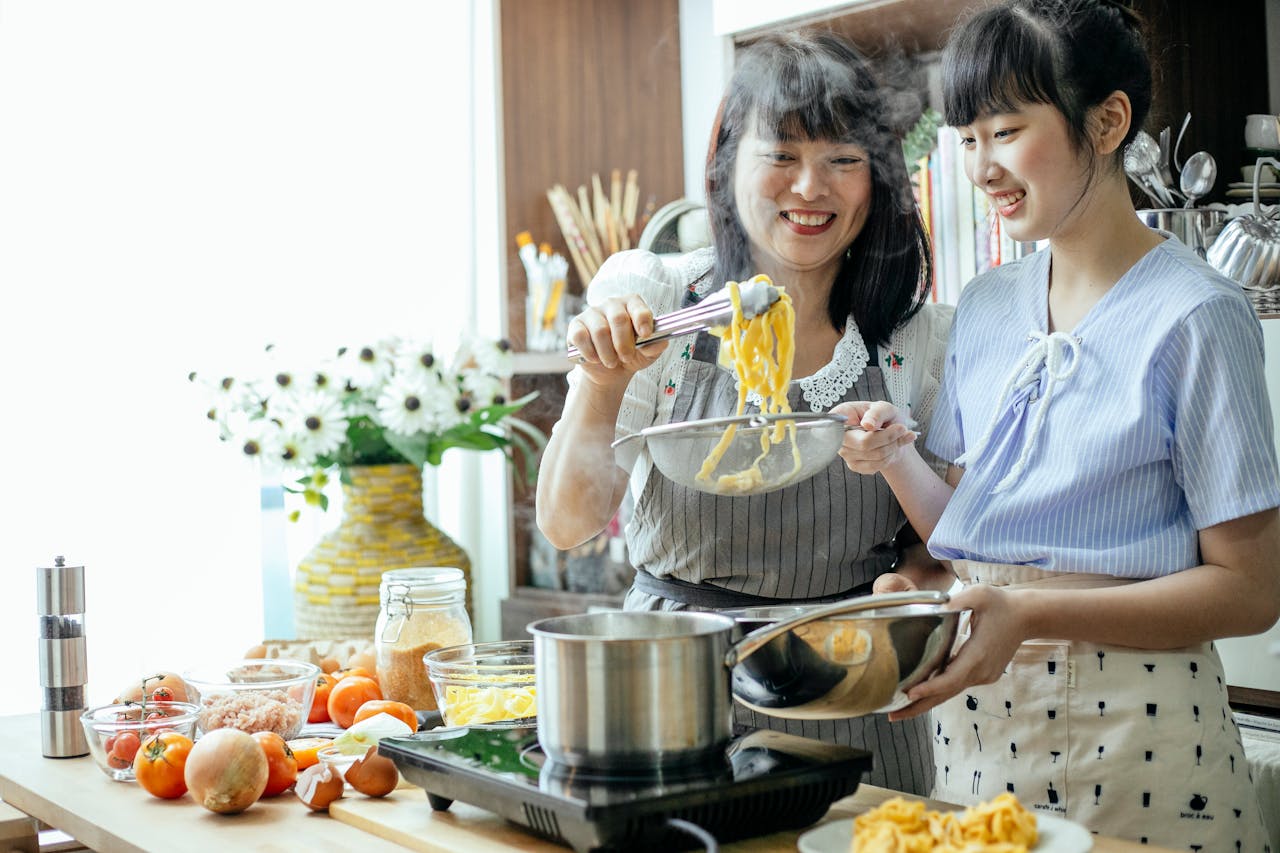
Some guests insist on stepping into the kitchen, rearranging drawers, or washing dishes mid-meal because they think they’re being helpful. In reality, hosts often have their own system, and unexpected interference disrupts their flow. What looks like assistance can create double work when the host has to undo or reorganize what was “helped.” Sometimes the kindest support is simply being a relaxed, easy guest.
Commenting on the Food’s Healthiness
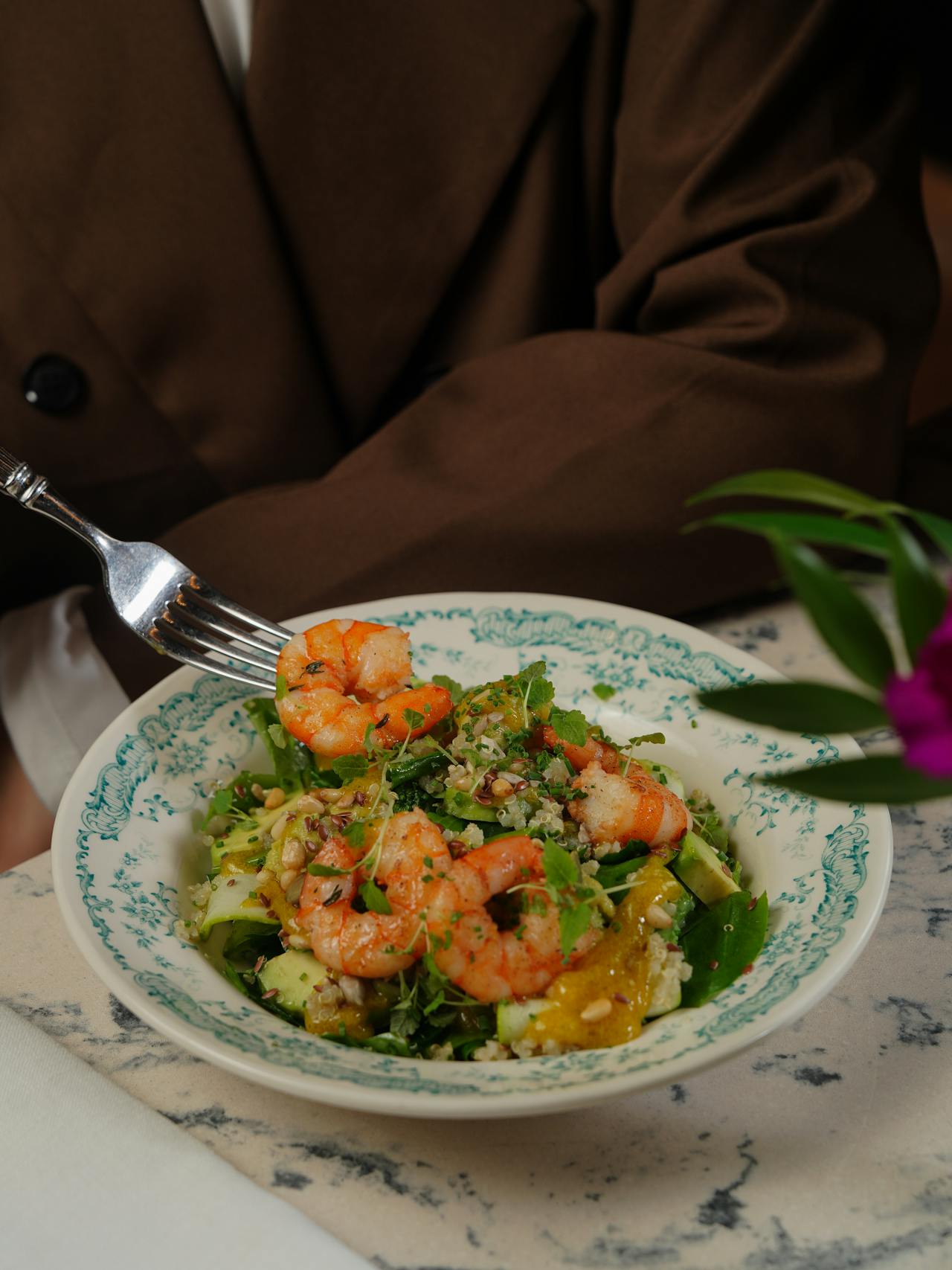
Thanksgiving is not the day most people want to hear about calories, carbs, or dietary trends. While some think they’re being encouraging or funny, food-related commentary can make others self-conscious or defensive. Hosts also take pride in their dishes, and calling them “too rich” or “unhealthy” undermines their effort. Keeping the focus on appreciation rather than nutrition keeps the meal joyful.
Talking About How Exhausting the Holiday Is

Some guests feel bonded by mentioning how draining the holiday season can be, but doing so at the table dampens the celebratory mood. Hosts may interpret these comments as criticisms of the gathering or feel guilty for contributing to someone’s stress. Even light complaints can shift the energy from grateful to gloomy. Sharing holiday fatigue is better saved for a more casual, private moment.
Packing Leftovers Without Being Offered
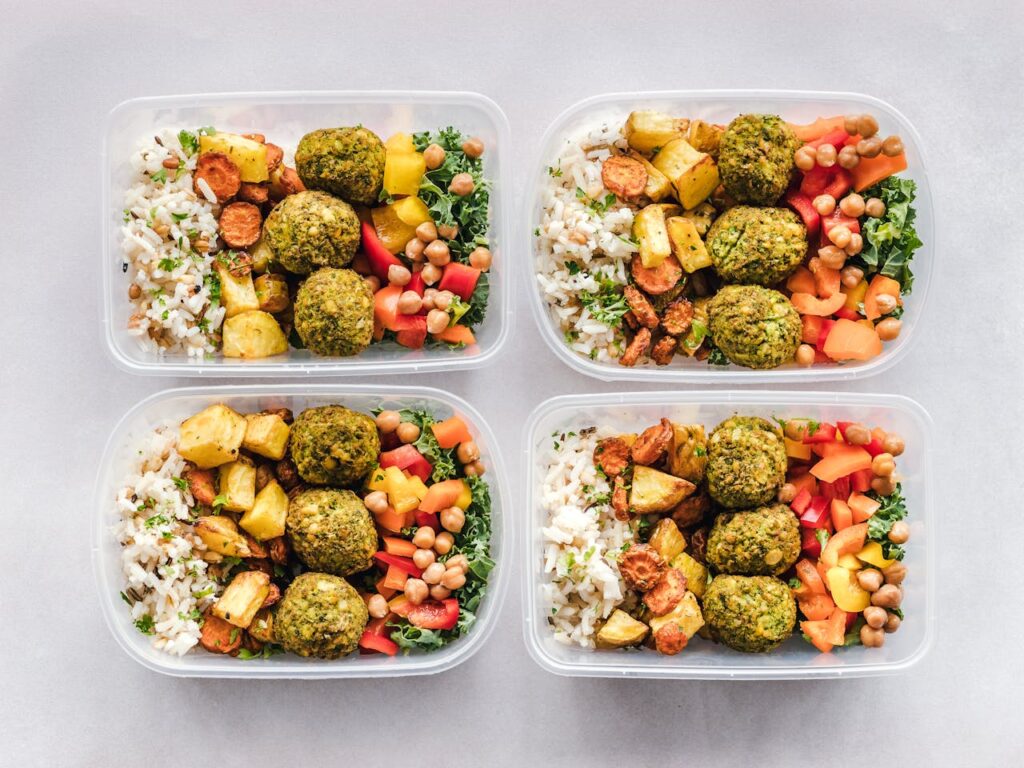
Taking leftovers can be part of Thanksgiving tradition, but helping yourself without being invited is considered rude in many households. Hosts usually allocate leftovers with specific people in mind or plan to use them for meals the following days. Filling your own containers or asking too aggressively puts the host in an uncomfortable position. Waiting for an offer shows true appreciation and courtesy.