Mutual respect between parents and children doesn’t appear overnight, it’s built slowly through consistent habits and mindful choices. By creating a balance between structure and empathy, parents can raise children who not only listen but also feel valued. When children see that their voices matter, they grow up with confidence and responsibility. These six parenting habits help foster trust and understanding, ensuring a stronger bond that lasts well into adulthood.
Creating a Supportive Environment

Children thrive when they know they have a strong support system behind them, and parents play the most vital role in this foundation. Offering consistent encouragement, being present in moments of struggle, and celebrating victories both big and small show a child that their worth isn’t conditional. This creates a safe space for honesty and openness, where they can express feelings without fear. A home rooted in support builds respect that deepens with every stage of growth.
Establishing Consistent Routines

Respect grows in environments where children feel secure, and routines provide that stability. Daily habits like shared meals, bedtime rituals, or study schedules give kids a sense of predictability, helping them feel cared for and grounded. Clear boundaries reduce conflict because children understand expectations without constant reminders. Over time, routines communicate reliability and fairness, teaching children to respect structure while trusting their parents’ guidance in daily life.
Practicing Active Listening
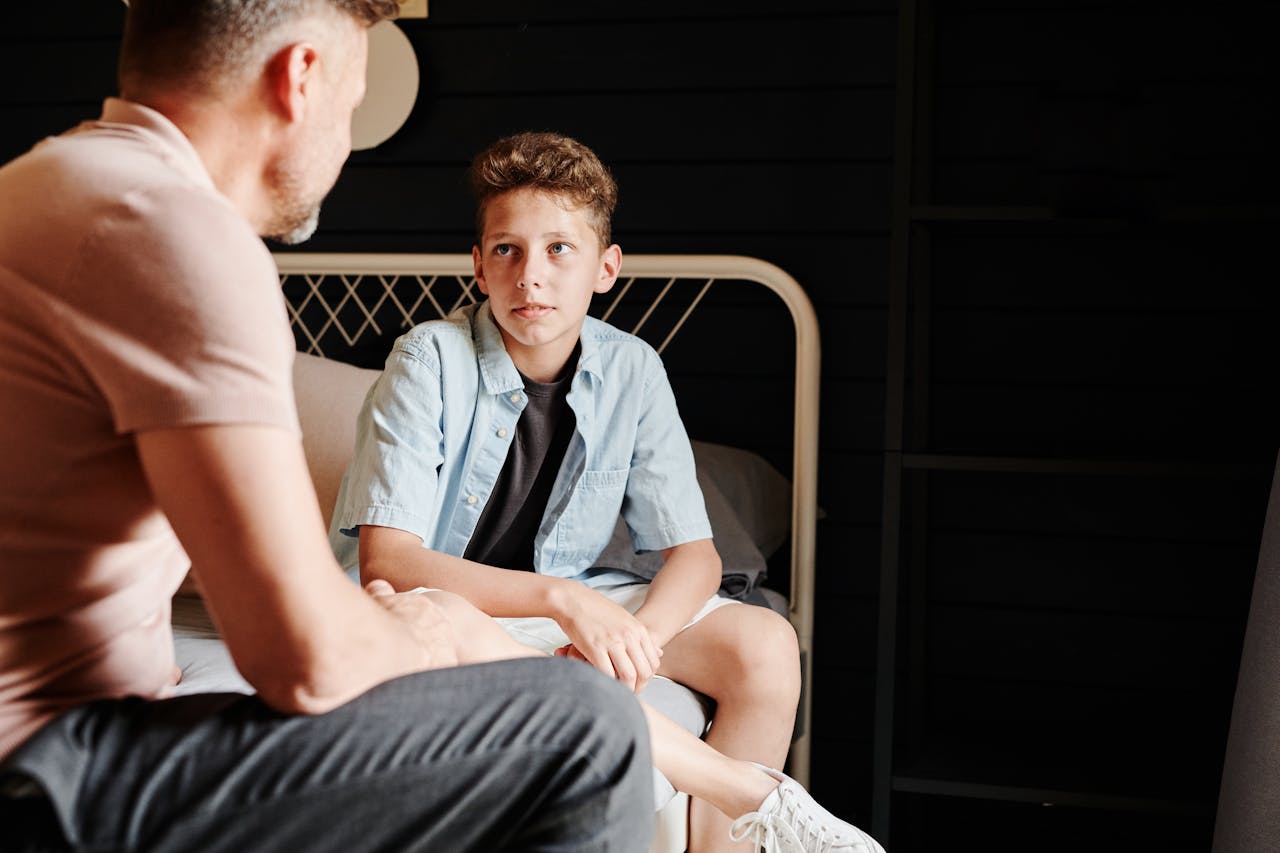
Respect is built when children know their voices are heard. Active listening means putting aside distractions, making eye contact, and genuinely engaging with what your child is saying. Instead of dismissing their concerns, ask questions and validate their feelings, even if you don’t agree with every point. This teaches children that dialogue is valuable, not one-sided. Over time, they mirror this attentiveness back, forming a cycle of respect that strengthens communication at home.
Modeling Respectful Behavior

Children learn more from what parents do than what they say, making respectful modeling a cornerstone of parenting. Speaking kindly, handling disagreements with patience, and honoring commitments show children how respect looks in action. They absorb these behaviors and apply them in their own friendships and later relationships. Parents who demonstrate fairness and courtesy make it easier for children to internalize those values. Respect becomes lived rather than lectured, and it grows naturally over time.
Balancing Discipline with Understanding
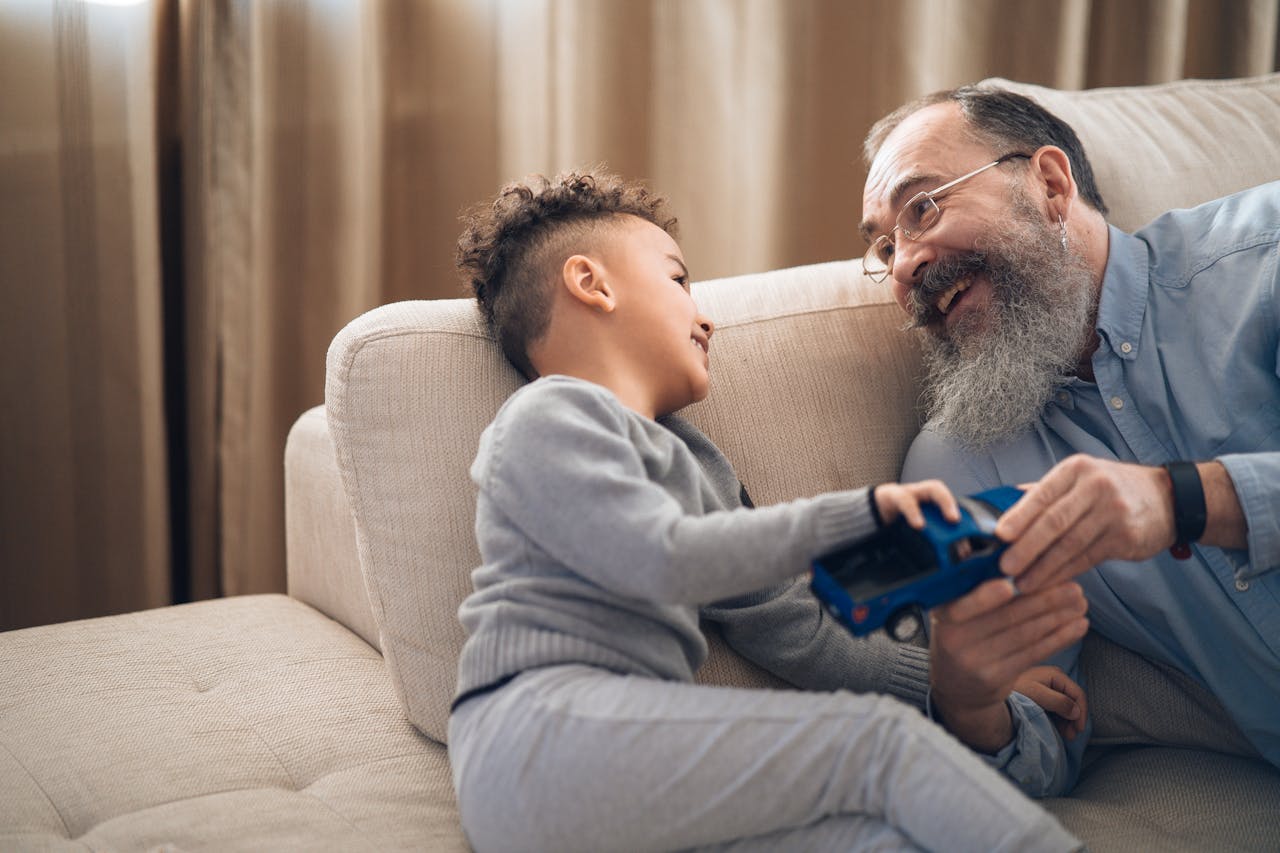
Discipline is necessary, but when it’s harsh or inconsistent, it erodes respect instead of building it. Explaining the reasons behind rules and consequences helps children understand rather than fear authority. A balance of firmness and empathy shows them that discipline comes from care, not control. This approach teaches responsibility and accountability while keeping trust intact. When fairness guides discipline, children respect the lesson instead of resenting the parent delivering it.
Encouraging Independence and Responsibility

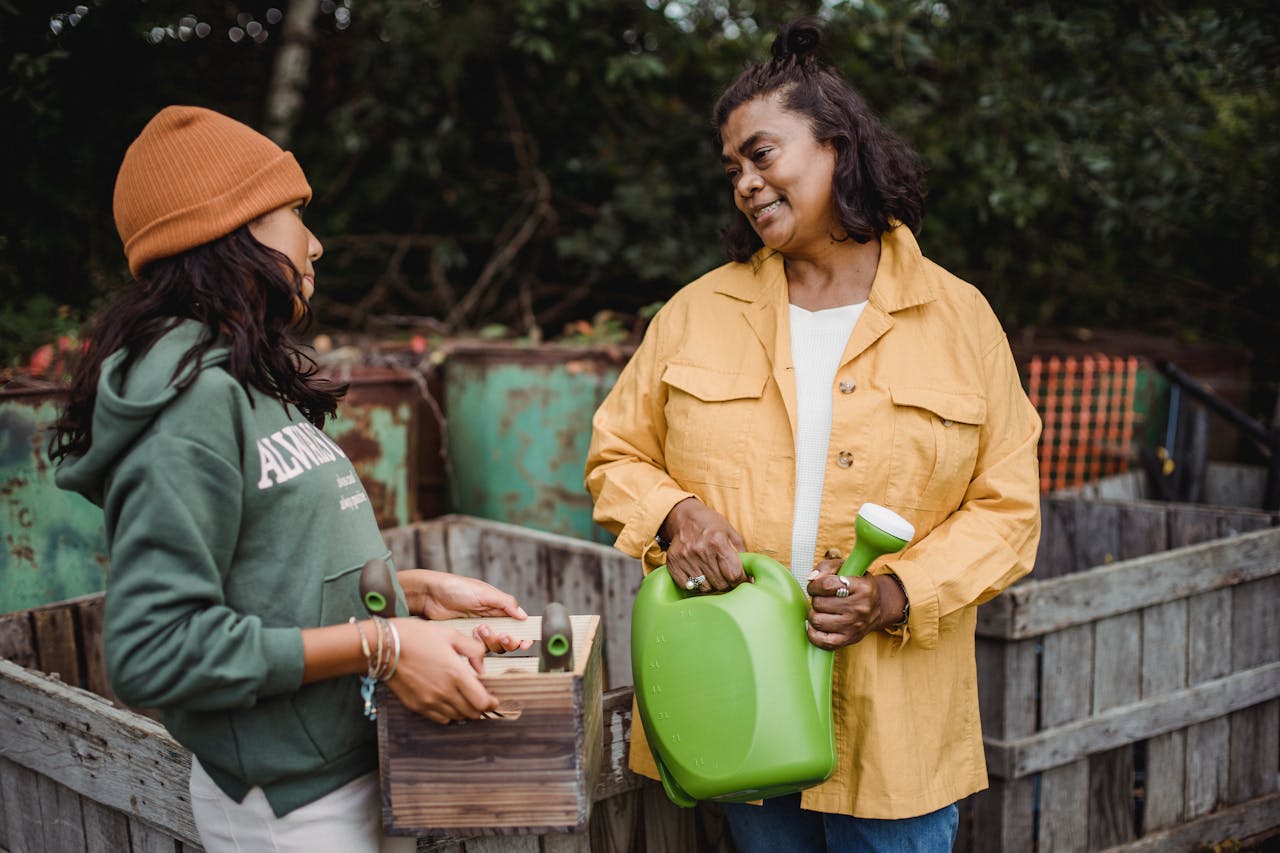
Mutual respect deepens when children are given age-appropriate independence to make choices and learn from them. Allowing them to handle tasks, solve problems, or contribute to family decisions shows that their input matters. Encouraging responsibility builds confidence and reduces power struggles, as children feel trusted rather than controlled. Over time, independence shapes maturity, and children grow into respectful individuals who value both their own voice and their parents’ guidance.
Mutual respect in parenting is not built through authority alone but through daily actions that show love, fairness, and trust. By creating supportive systems, listening with intent, modeling respect, and encouraging responsibility, parents lay the foundation for lasting bonds. These habits not only improve relationships in the present but also prepare children to carry respect into every aspect of their future lives. Respect becomes a family value that grows stronger across generations.