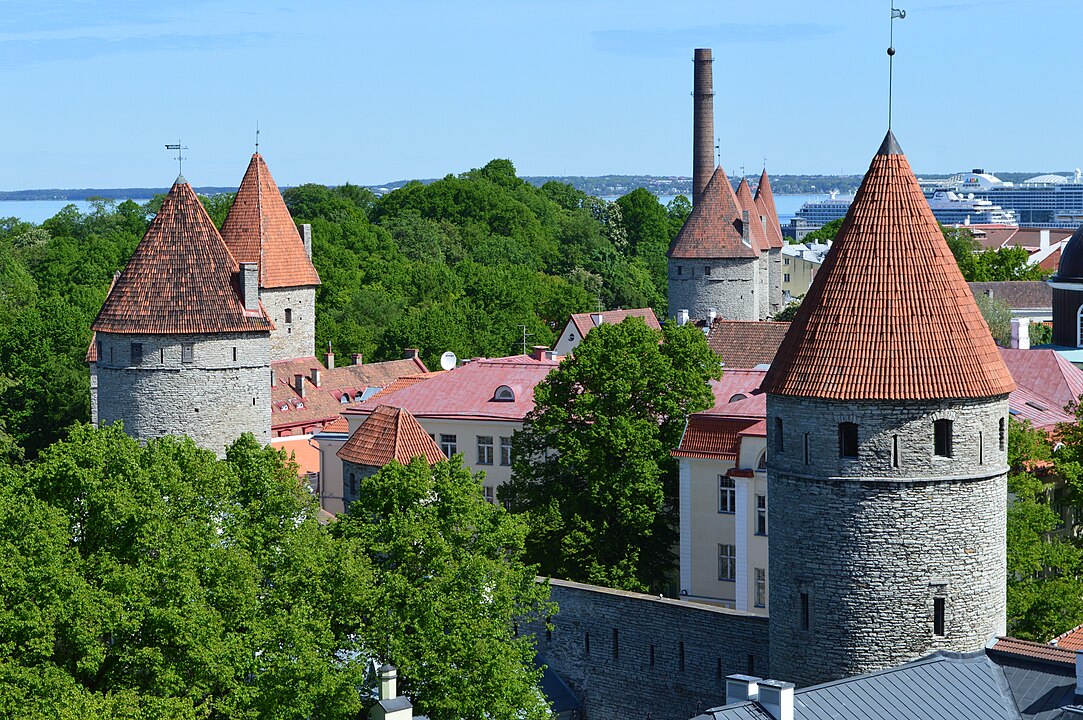
Travelers often flock to the same popular destinations, leaving some of the world’s most enchanting places relatively untouched by American tourism. Yet Europeans have long known the beauty and cultural richness of these overlooked gems. From medieval towns to remote islands, these places provide a balance of charm, history, and authenticity that rivals the big-name hotspots. Exploring them offers the chance to experience a slower pace of travel, away from crowded tourist corridors.
Slovenia’s Lake Bled
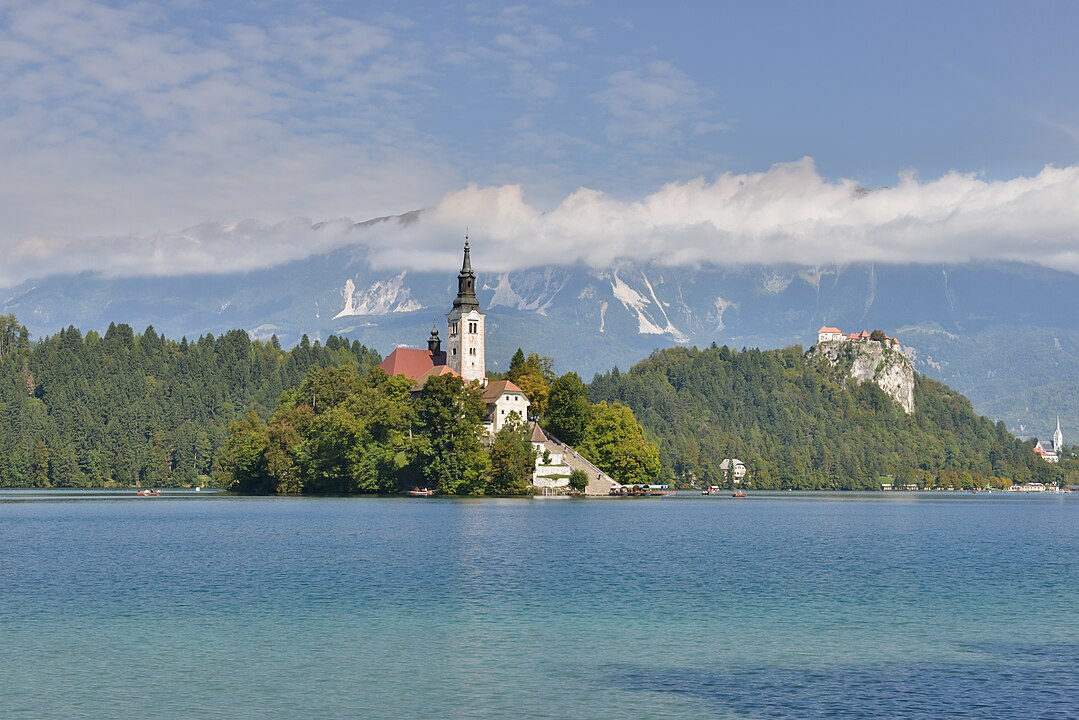
Lake Bled is a fairytale landscape where an emerald lake cradles an island topped with a storybook church. The surrounding Julian Alps provide a breathtaking backdrop, while Bled Castle, perched on a cliff, overlooks the scene. Europeans adore it for its natural beauty and tranquil atmosphere, but many Americans overlook Slovenia entirely. A traditional pletna boat ride to the island adds to the timeless appeal, making Lake Bled a destination worth lingering in.
Portugal’s Azores Islands
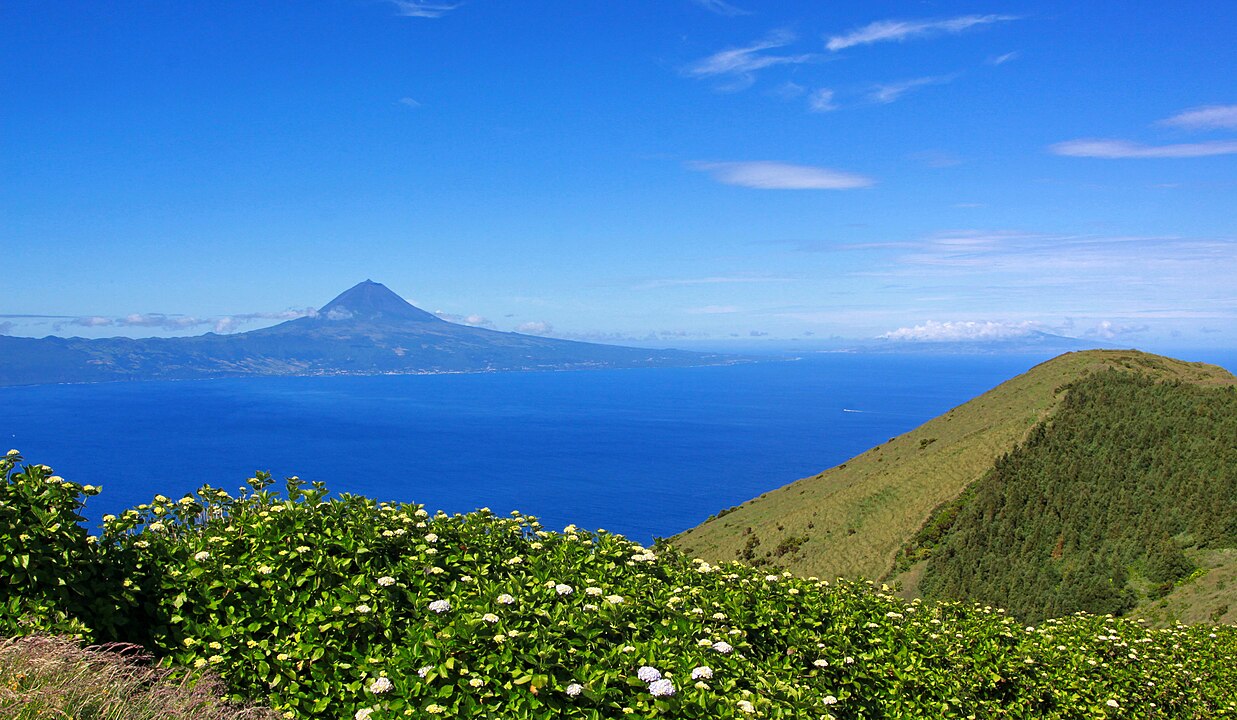
Far out in the Atlantic, the Azores remain one of Europe’s best-kept secrets. These volcanic islands are dotted with crater lakes, lush meadows, and steaming hot springs that rival Iceland in beauty but without the heavy crowds. Europeans often visit for hiking, whale watching, and farm-to-table cuisine, while Americans rarely make the journey. The Azores combine dramatic landscapes with a quiet, unspoiled feel that modern travelers increasingly crave.
Belgium’s Ghent
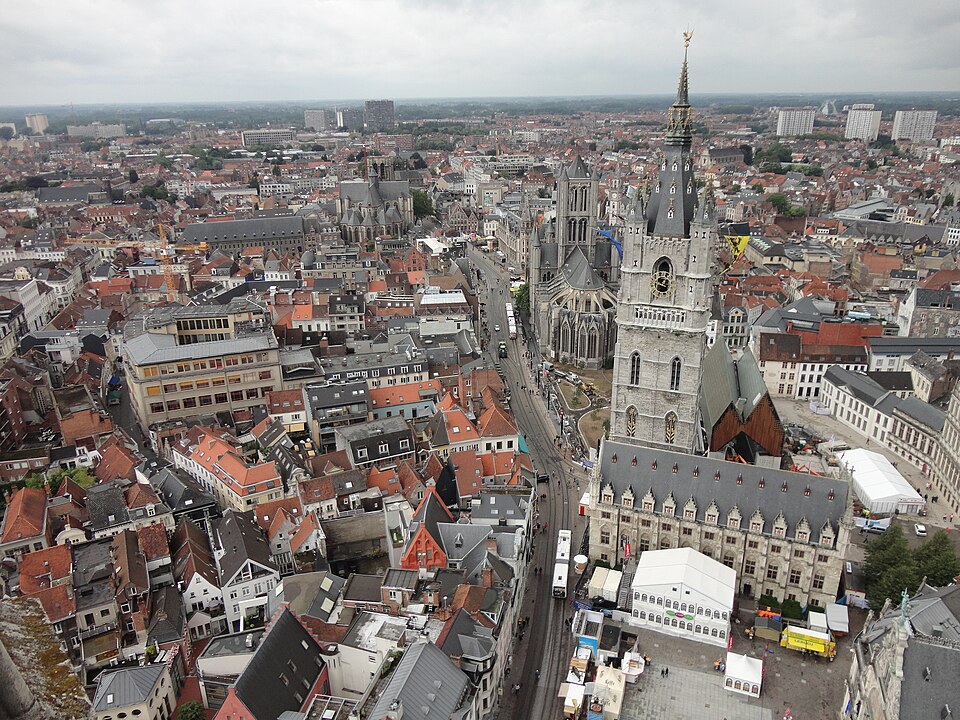
Bruges often gets the spotlight, but Ghent offers a more authentic glimpse into medieval Belgium with fewer crowds. Its canals, Gothic churches, and cobblestone streets create an atmospheric charm, while the Gravensteen Castle stands as a reminder of its turbulent past. Europeans are drawn to Ghent for its thriving cultural scene, bustling university life, and intimate cafés. For visitors seeking history without the tourist throngs, Ghent is a revelation.
Poland’s Wrocław
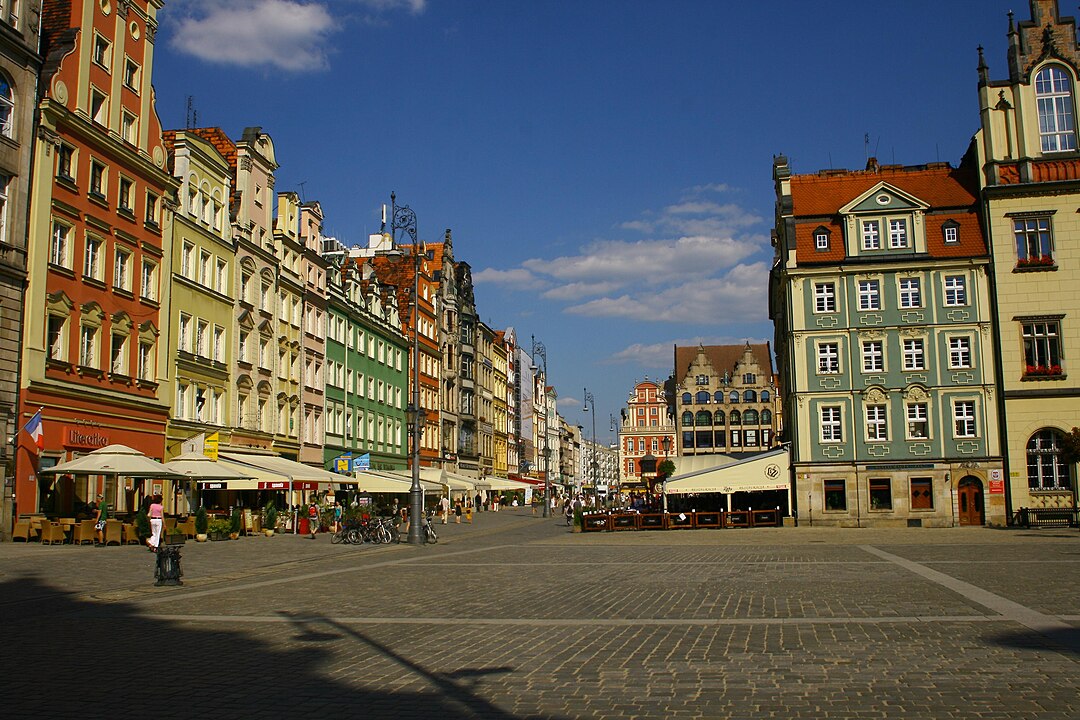
Wrocław, a jewel of western Poland, is filled with pastel-colored townhouses and lively market squares. Its rich history, influenced by both German and Polish traditions, makes it a fascinating crossroads of culture. Europeans love the whimsical gnome statues scattered across the city, each with its own story. Despite its beauty and character, Wrocław often remains off the radar for American travelers, which only adds to its unspoiled atmosphere.
Montenegro’s Kotor
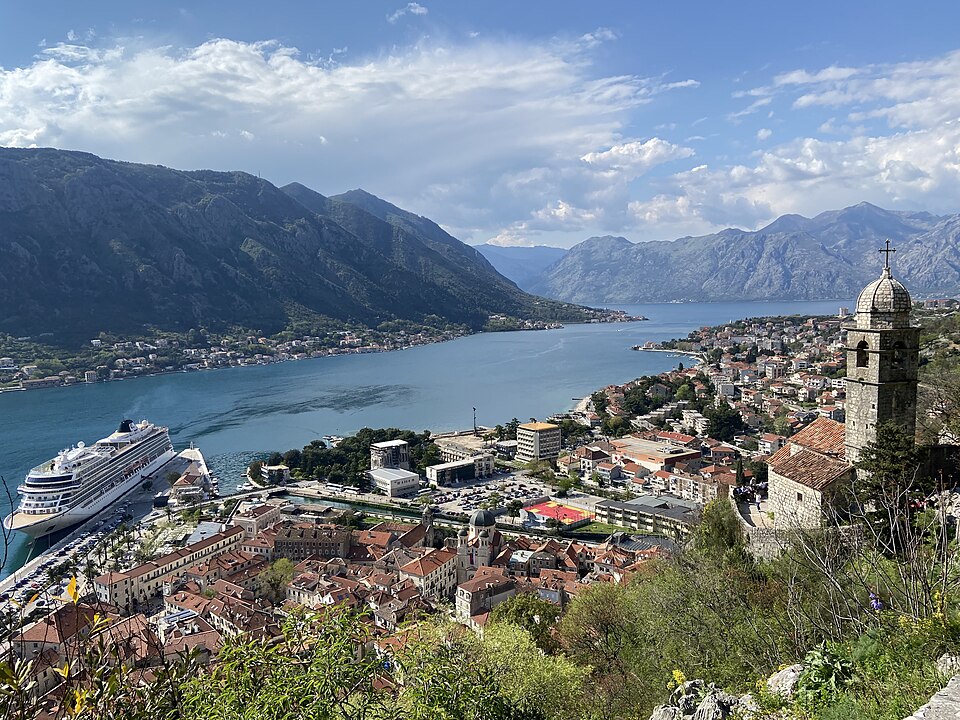
Nestled on the Adriatic coast, Kotor is a UNESCO World Heritage site surrounded by fjord-like mountains and medieval walls. Its old town is a labyrinth of narrow streets, hidden squares, and historic churches that echo the past. Europeans visit for both its scenic beauty and affordable seaside appeal, while Americans tend to pass it over in favor of nearby Croatia. Kotor offers the same charm as Dubrovnik but with a quieter, more intimate feel.
Estonia’s Tallinn
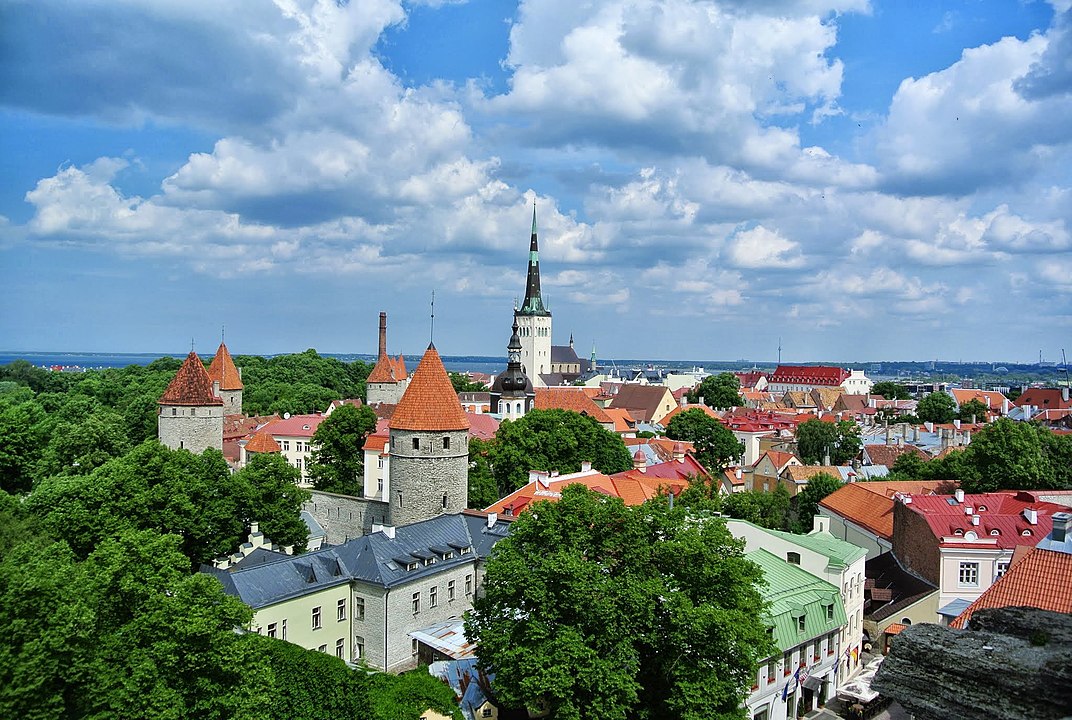
Tallinn’s Old Town, with its well-preserved medieval walls, red rooftops, and cobbled lanes, feels like stepping into a fairy tale. The capital’s mix of Hanseatic history and modern creativity makes it a favorite among European visitors. Cafés, artisan shops, and centuries-old churches all coexist in this small but vibrant city. Despite its charm, Tallinn is often overlooked by Americans, making it a hidden treasure of the Baltics.