Parents have always been the first and most influential teachers in our lives. Long before smartphones, online tutorials, and meal delivery apps, many of us learned crucial lessons at home that shaped how we approached adulthood. These old-school life skills weren’t about convenience, they were about independence, resilience, and resourcefulness. They prepared us for a world where not everything could be fixed with a Google search or outsourced to a professional. If you grew up learning these traditional skills, chances are your parents gave you the kind of foundation that lasts a lifetime.
Cooking from Scratch
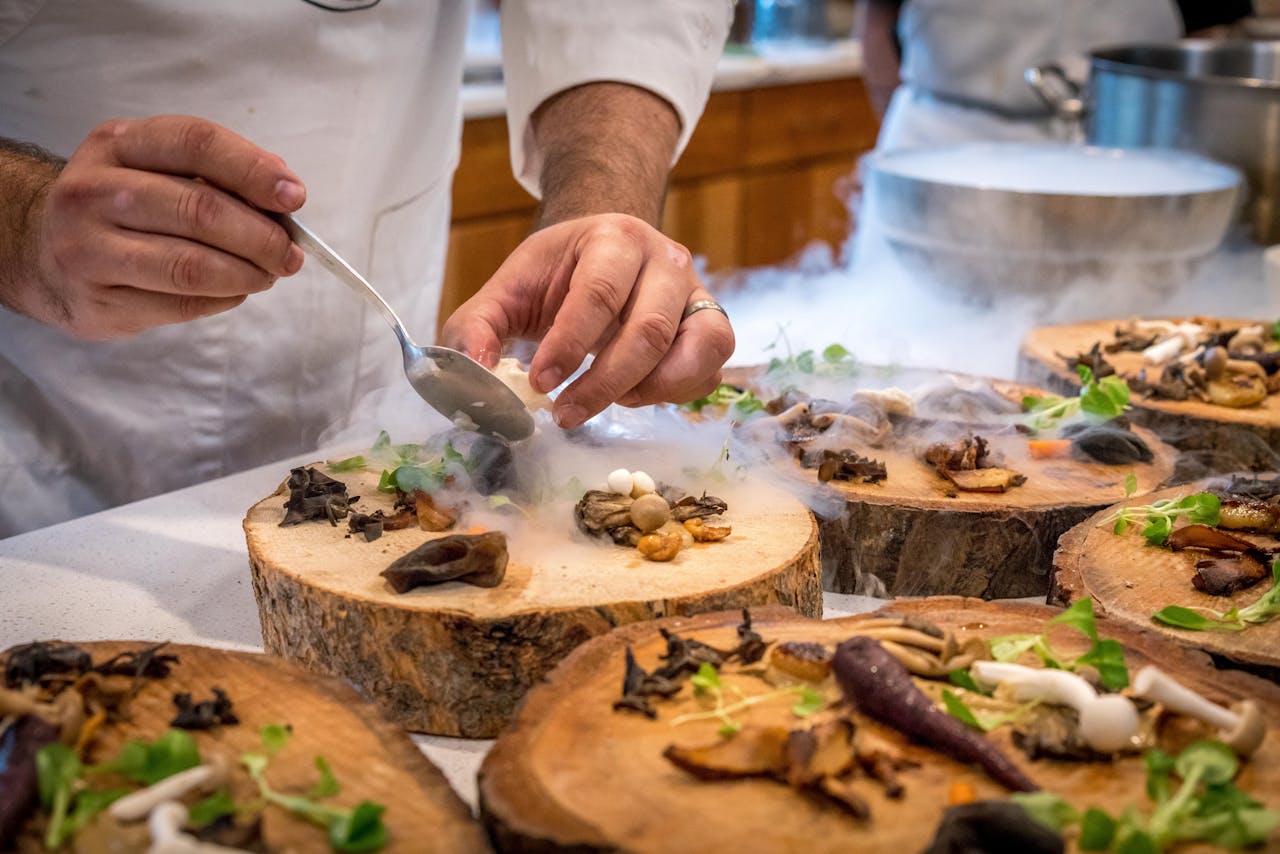
Cooking from scratch is more than just a practical necessity; it is a skill that teaches creativity, patience, and self-sufficiency. Parents who took the time to show their children how to prepare meals from whole ingredients gave them far more than recipes; they gave them confidence in the kitchen. Instead of relying on takeout or frozen dinners, those who learned to cook can whip up a hearty meal with whatever ingredients are available. This ability not only saves money but also fosters healthier eating habits. Perhaps most importantly, it creates a connection to tradition, as many families pass down treasured recipes through generations.
Handwriting Letters
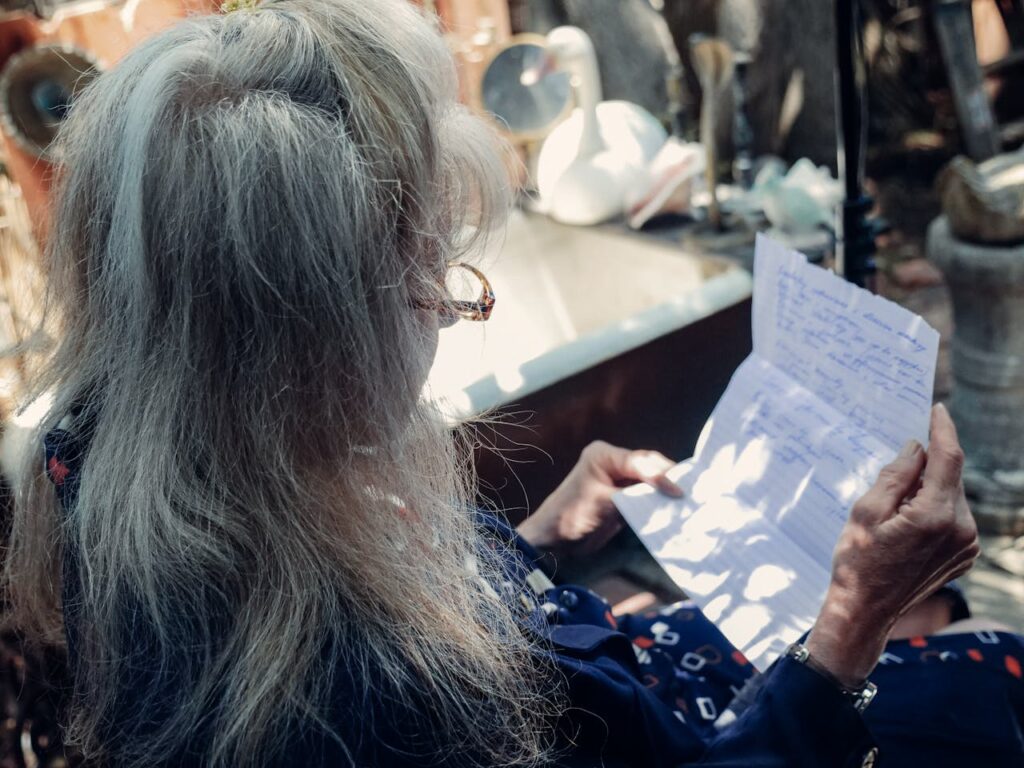
Before the rise of emails and instant messages, handwritten letters were a primary way of staying in touch. Parents who encouraged their children to sit down with pen and paper instilled patience and thoughtfulness. Writing a letter requires careful wording, neat penmanship, and a deliberate effort that digital communication rarely captures. Receiving a handwritten note carries an emotional weight that a text message never can. Beyond sentimentality, this skill strengthens language, spelling, and grammar, skills that continue to be valuable in school, work, and personal relationships.
Sewing and Mending Clothes
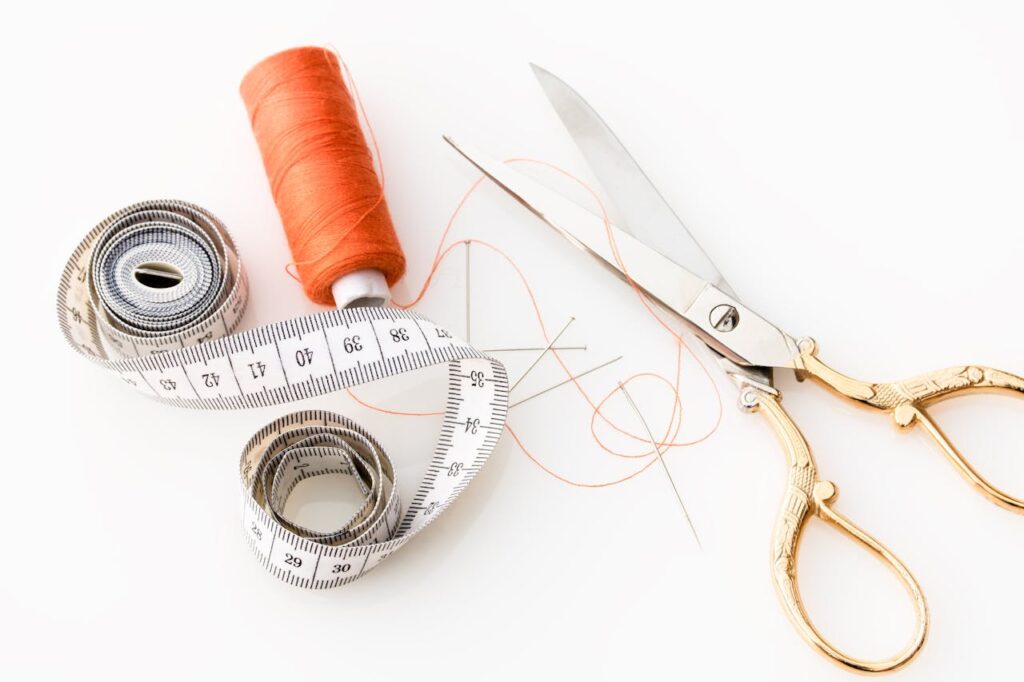
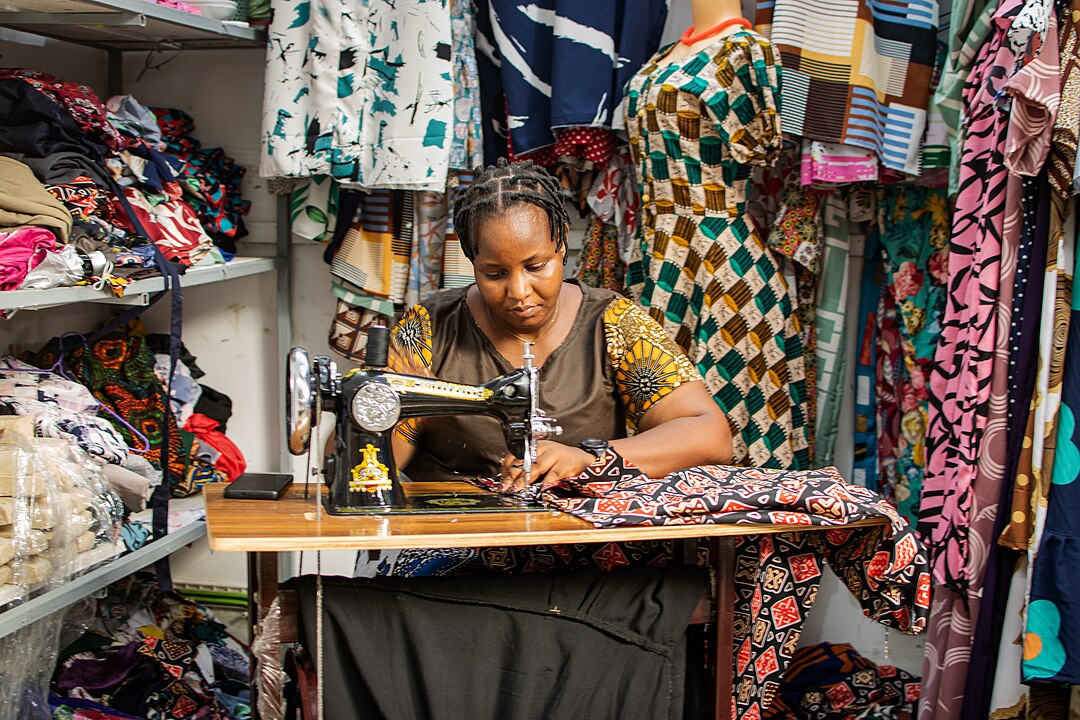
A torn seam or missing button was never a reason to throw away clothing in the past, and parents who taught sewing ensured that waste was minimized. Knowing how to thread a needle, repair a tear, or hem a pant leg gives people the ability to extend the life of their wardrobe. For frugal families, this skill was essential, saving money on constant replacements. Beyond practicality, sewing encourages patience, precision, and a creative touch, especially when adapting or altering clothes to make them fit better. Today, as sustainable fashion gains importance, these old-fashioned sewing skills feel more relevant than ever.
Home Repairs
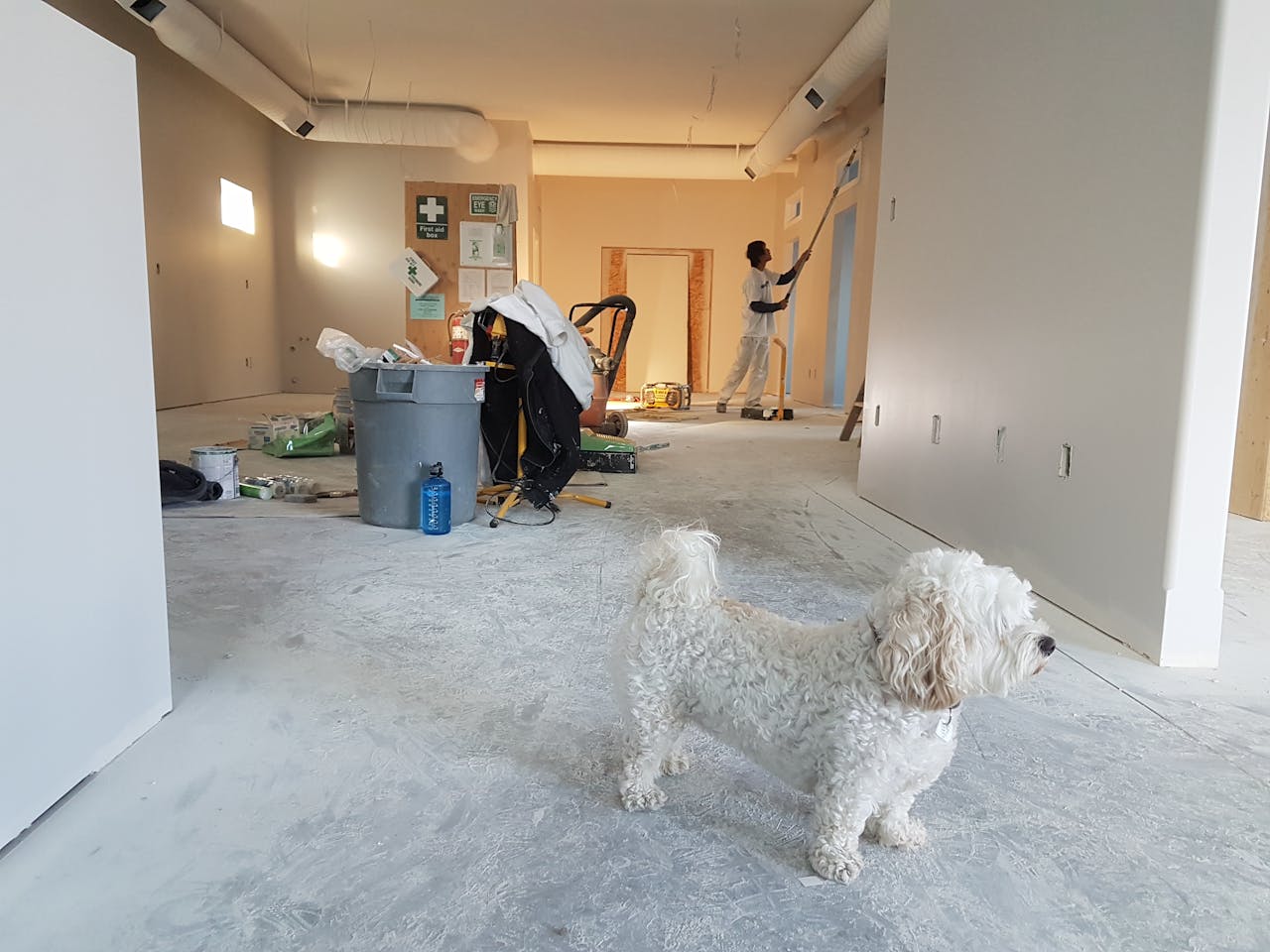
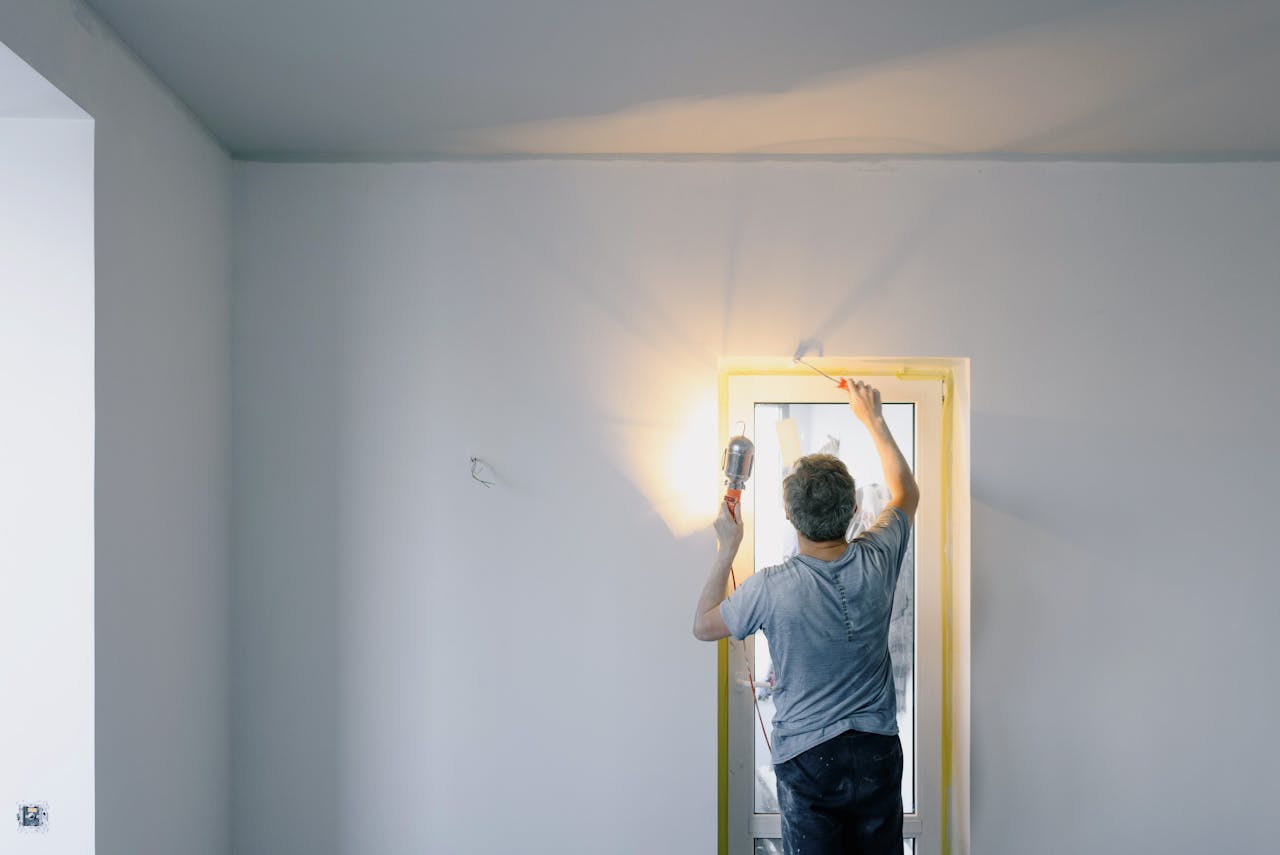
Basic home repair skills are a mark of independence, and parents who shared this knowledge gave their children an invaluable advantage. From fixing leaky faucets to patching drywall or changing a light fixture, these small tasks prevent households from relying too heavily on expensive services. Learning to use tools correctly, troubleshoot issues, and take pride in DIY projects builds both confidence and competence. Children who grew up in households where repairs were tackled together often carry these lessons into adulthood. Even in today’s world of YouTube tutorials, nothing replaces the hands-on guidance from a parent showing you how it’s done.
Budgeting and Saving

Financial literacy is one of the most important skills parents can pass down, and many in past generations took this responsibility seriously. Teaching children to budget, save for goals, and avoid unnecessary debt prepared them to manage adult responsibilities with confidence. Parents often modeled this behavior by demonstrating how to live within one’s means, track expenses, and prioritize needs over wants. These lessons remain critical in a society where credit cards and instant gratification can easily lead to financial trouble. By instilling habits of responsibility early, parents ensured their children would carry financial discipline throughout their lives.
Polite Conversation

Good manners never go out of style, and parents who emphasized polite conversation gave their children a social advantage. Learning to greet people properly, make eye contact, and listen attentively helps build lasting personal and professional relationships. In a world increasingly dominated by screens, the art of face-to-face interaction is sometimes neglected. Politeness demonstrates respect and emotional intelligence, qualities that can open doors and leave lasting impressions. Children who were raised to speak thoughtfully and respectfully carry that skill with them, setting them apart in both formal and casual settings.