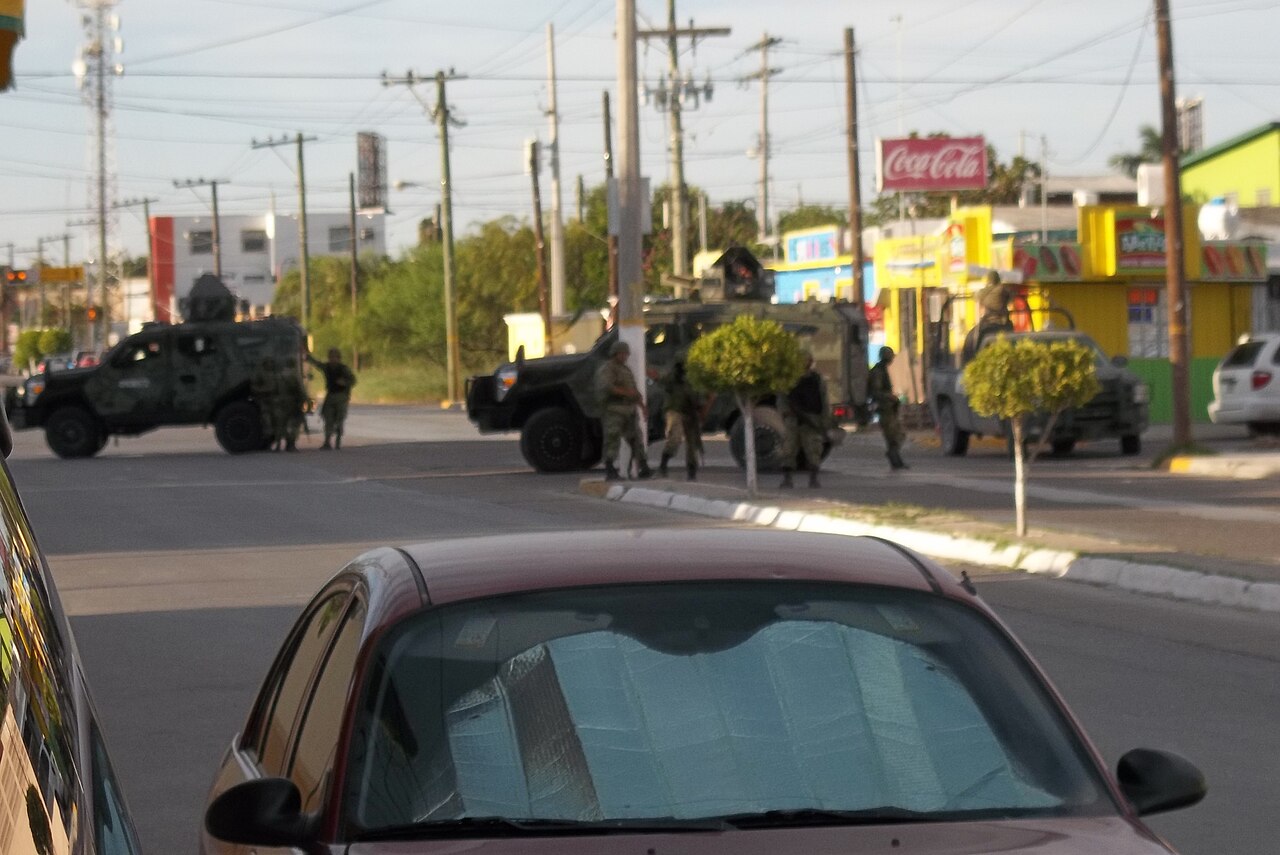

The Medellín Cartel emerged in Colombia during the 1970s and quickly became one of the most powerful criminal organizations in history. Led by Pablo Escobar, it controlled an estimated majority of the cocaine entering the United States at its peak. The cartel built its empire through ruthless violence, bribery, and intimidation of officials.
Escobar positioned himself as a public figure, funding housing projects to gain local support. However, bombings, assassinations, and political murders turned public opinion against the group. Colombian authorities, supported by U.S. intelligence, intensified their pursuit. After years of manhunts and internal fractures, Escobar was killed in 1993. His death marked the collapse of Medellín’s dominance.
The Cali Cartel’s Quiet Empire
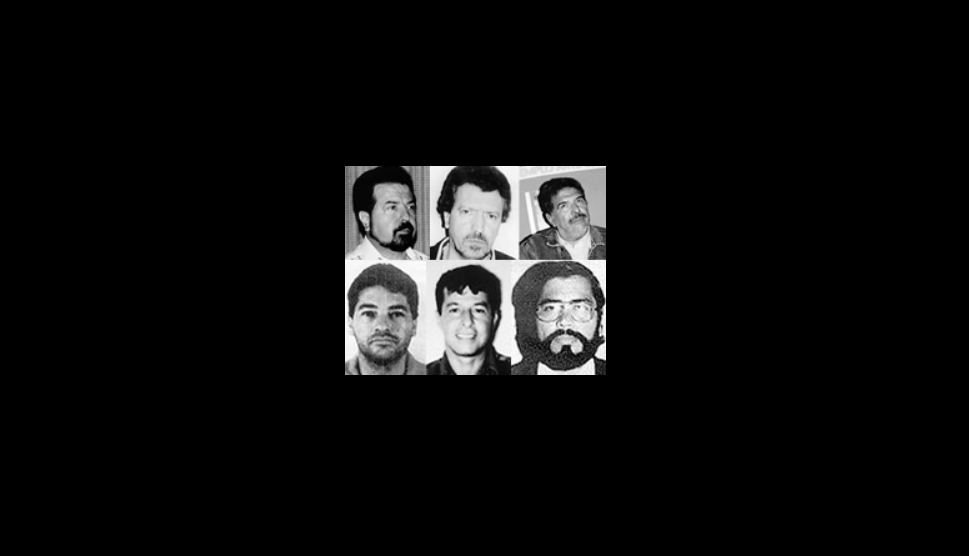
After Medellín weakened, the Cali Cartel rose to prominence in the 1990s. Unlike Escobar’s flashy violence, Cali operated with subtlety and corruption. Leaders Miguel and Gilberto Rodríguez Orejuela built networks through bribery and infiltration. They controlled massive cocaine routes into North America and Europe. The cartel maintained influence by embedding itself into politics and businesses.
For years, its low-profile strategy kept it ahead of authorities. Eventually, coordinated Colombian and international operations targeted its leadership. By the late 1990s, key figures were arrested and extradited. Without centralized leadership, the Cali Cartel fragmented and declined.
The Juárez Cartel’s Bloody Expansion
The Juárez Cartel gained strength along the U.S.-Mexico border during the 1980s and 1990s. Under Amado Carrillo Fuentes, known as “The Lord of the Skies,” it became a dominant trafficking force. Carrillo used fleets of aircraft to transport massive drug shipments. His sophisticated logistics expanded the cartel’s reach globally. After his reported death during plastic surgery in 1997, a violent power struggle erupted.
Rival groups fought intensely for control of key smuggling corridors. Mexican authorities increased pressure amid escalating violence. Leadership instability weakened the organization significantly. Though remnants persist, its peak power faded after internal collapse.
The Sinaloa Cartel’s Leadership Shifts
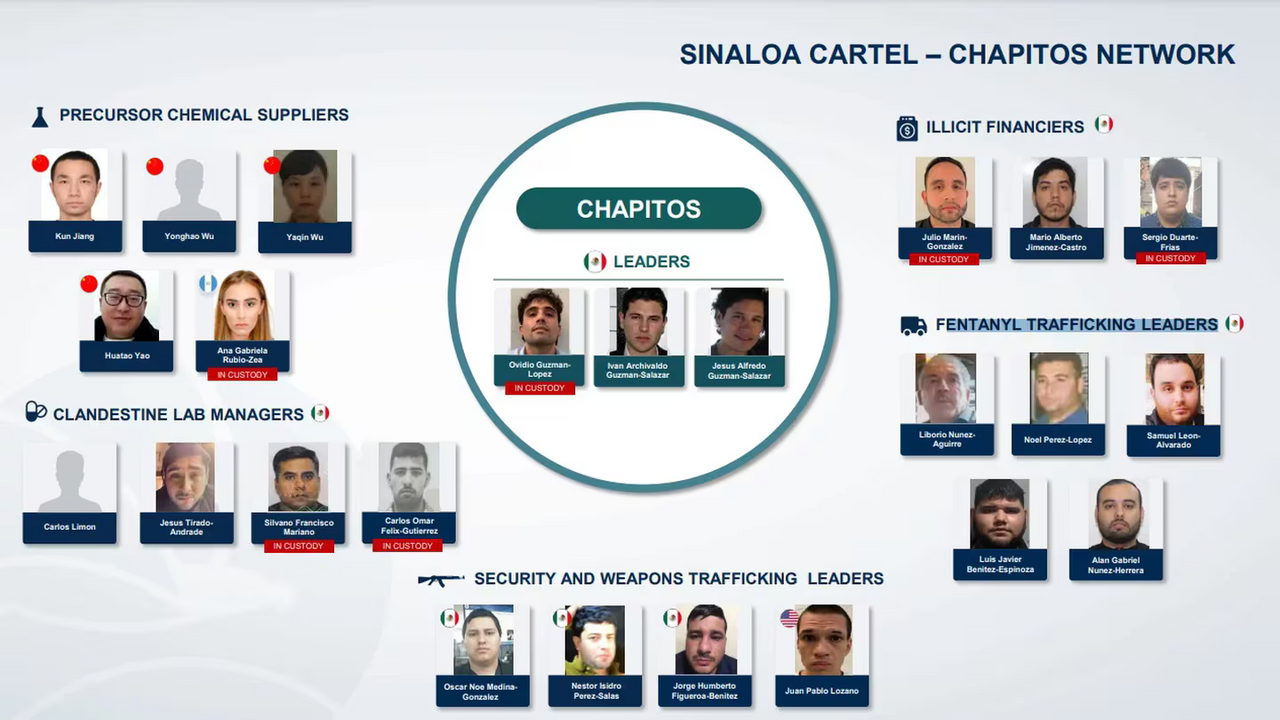
The Sinaloa Cartel became one of the most enduring criminal organizations in Mexico. Joaquín “El Chapo” Guzmán emerged as its most famous leader. The cartel diversified operations across cocaine, heroin, methamphetamine, and marijuana trafficking. Its influence extended into dozens of countries through sophisticated networks. Guzmán’s dramatic prison escapes enhanced the cartel’s mythos.
However, international cooperation eventually led to his capture and extradition. Leadership disputes and government crackdowns destabilized operations. While factions still operate, sustained arrests fractured centralized control. The organization’s dominance has weakened under sustained global pressure.
Los Zetas and Their Brutal Tactics
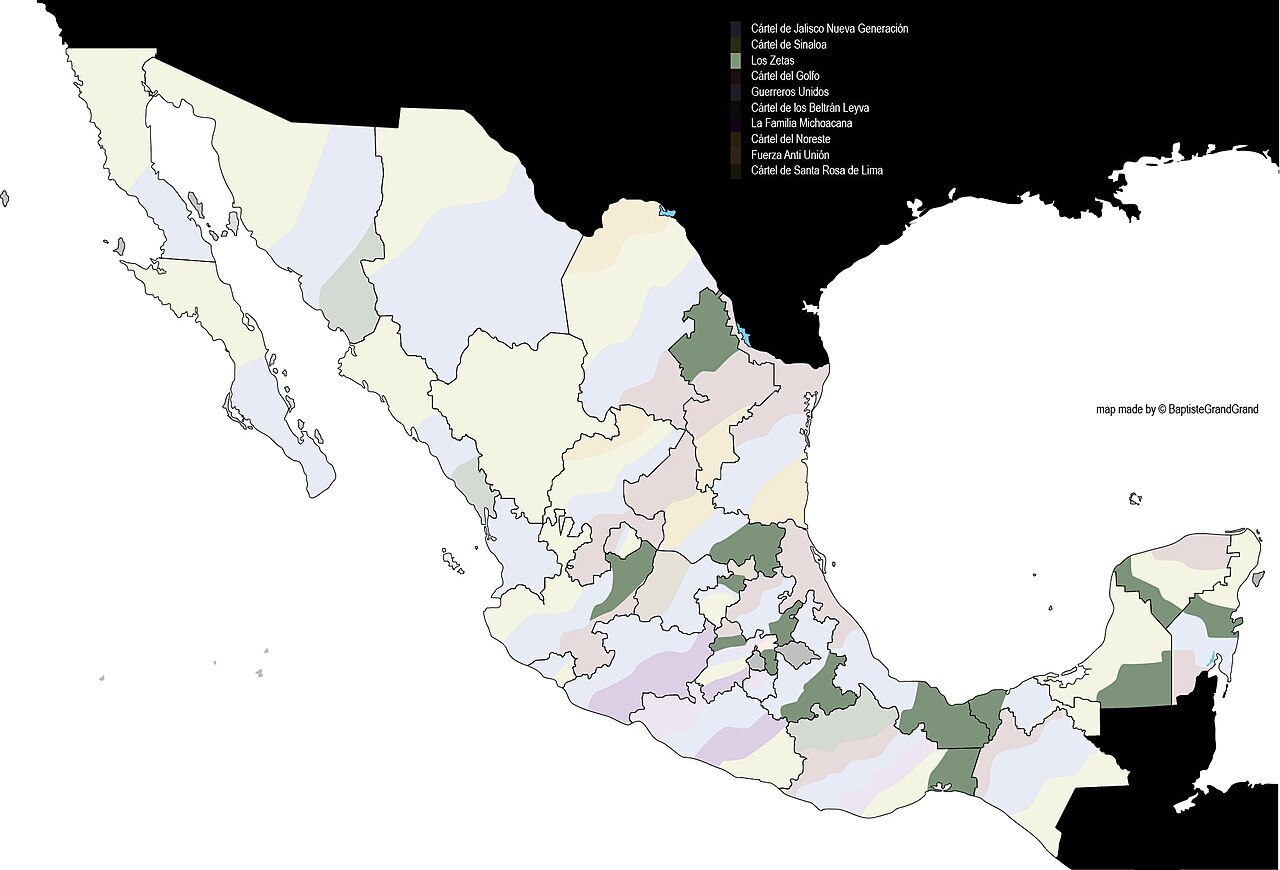
Los Zetas originated as an armed wing of the Gulf Cartel in the late 1990s. Formed by former Mexican special forces members, they brought military precision to organized crime. The group quickly became known for extreme brutality and intimidation. They expanded into kidnapping, extortion, and human trafficking. After splitting from the Gulf Cartel, Los Zetas attempted to operate independently.
Internal rivalries and aggressive territorial expansion sparked violent conflicts. Mexican security forces launched major operations against their leadership. Key arrests and deaths destabilized command structures. By the mid-2010s, the organization had significantly splintered.
The Gulf Cartel’s Fragmentation
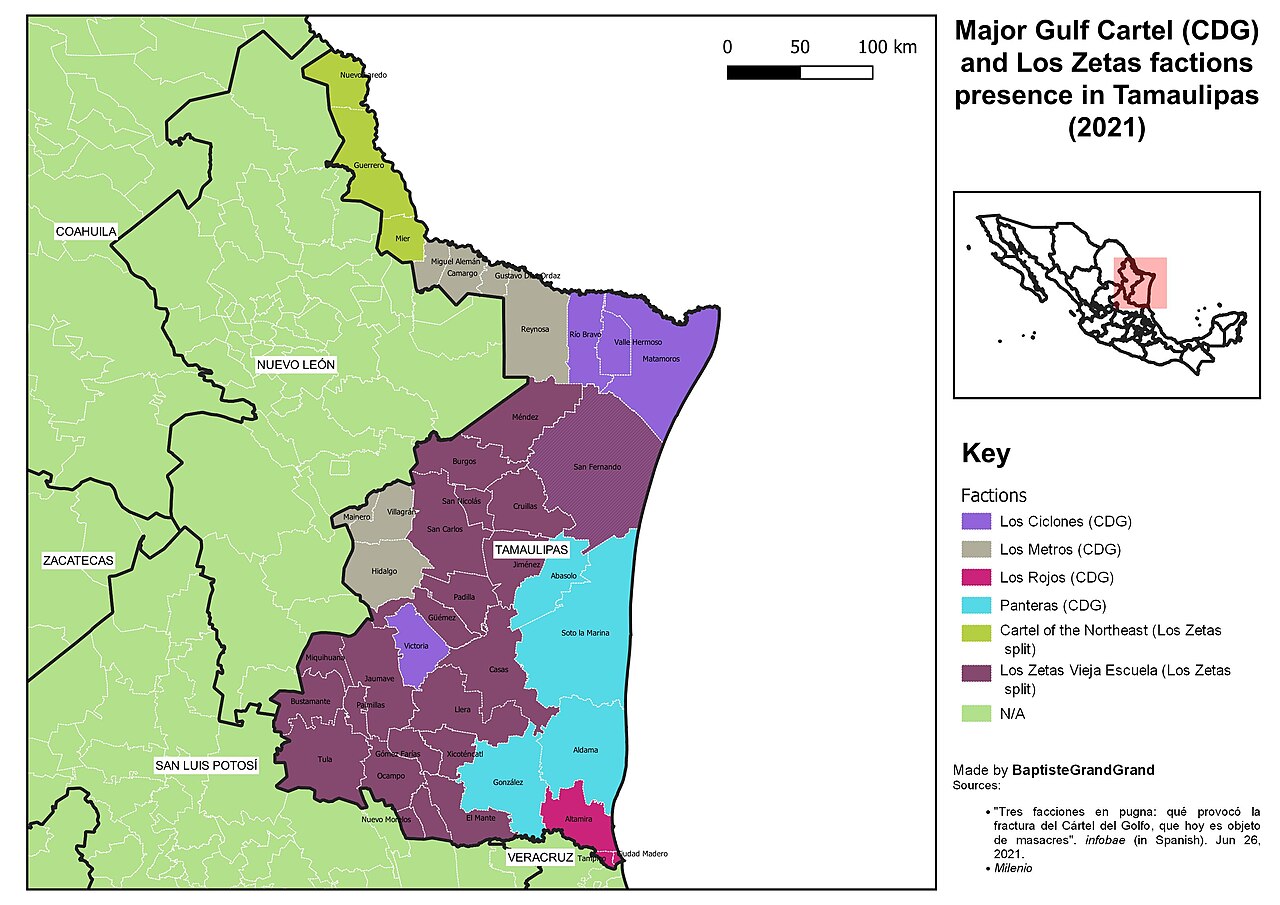
The Gulf Cartel has roots dating back to the early twentieth century. It evolved into a major trafficking organization along Mexico’s eastern border. Strategic alliances initially strengthened its smuggling capabilities. The recruitment of Los Zetas as enforcers temporarily expanded its power. However, the eventual split with Los Zetas triggered prolonged violence.
Government crackdowns intensified amid rising public concern. Arrests of major leaders created internal divisions. Rival factions battled for regional dominance. Over time, fragmentation weakened its centralized authority.
The Guadalajara Cartel’s Dissolution
The Guadalajara Cartel was one of Mexico’s earliest large-scale trafficking organizations. Formed in the 1980s, it laid the groundwork for future cartels. Leaders such as Miguel Ángel Félix Gallardo coordinated marijuana and cocaine routes. The organization maintained alliances across Colombia and Mexico. The kidnapping and murder of a U.S. DEA agent drew international outrage.
That incident prompted heightened cooperation between U.S. and Mexican authorities. The late 1980s arrested key leaders. The cartel eventually splintered into separate groups. Those offshoots later evolved into competing cartels across Mexico.