
Raising a child has never been inexpensive, but the financial reality for families has shifted noticeably in just the past five years. Inflation, housing prices, childcare shortages, and new technology expectations have changed what everyday parenting costs look like. Estimates suggest the cost of raising a child in the United States now averages more than twenty thousand dollars per year, with the total cost reaching close to four hundred thousand dollars by age eighteen for many families. What is striking is not just the amount parents spend, but how the types of expenses have evolved. Several new pressures have quietly reshaped family budgets in ways that did not exist just a few years ago.
1. Childcare Costs Rising Sharply

Childcare has become one of the fastest rising expenses for families with young children. In many parts of the United States, the average annual cost of childcare now exceeds thirteen thousand dollars per child. In some states, infant care alone can cost more than in state college tuition. Prices increased significantly after the pandemic, partly because many childcare centers closed or reduced capacity. With fewer providers available, waitlists grew and prices climbed. For working parents, childcare has become one of the largest monthly bills they face, sometimes rivaling housing payments. As a result, some families adjust work schedules, rely on relatives for care, or delay having additional children.
2. Housing Has Become the Biggest Hidden Child Expense

Housing has quietly become the largest cost tied to raising children. Families often need more space once children arrive, which can mean larger homes, additional bedrooms, or neighborhoods with better schools. Over the last five years, housing prices and rents have increased across much of the country. For many parents, the decision about where to live is heavily influenced by school districts and child friendly communities. Mortgage payments, rent increases, and property taxes now take up a larger share of family income than they did before. Because housing costs affect every month of a child’s life, they often become the single biggest long term expense of parenting.
3. Technology Has Become a New Parenting Cost

Technology expenses have grown steadily as digital tools became part of everyday education and communication. Many children now require laptops, tablets, or reliable internet access for schoolwork. Parents also subscribe to learning apps, tutoring platforms, and educational software. As children grow older, smartphones and data plans often become another ongoing cost. These expenses rarely appear as one large purchase, but they accumulate through subscriptions, upgrades, repairs, and replacements. Compared with five years ago, technology now plays a much larger role in how children learn, socialize, and complete school assignments, which means parents are paying for it more regularly.
4. Education Spending Starts Earlier Than Before
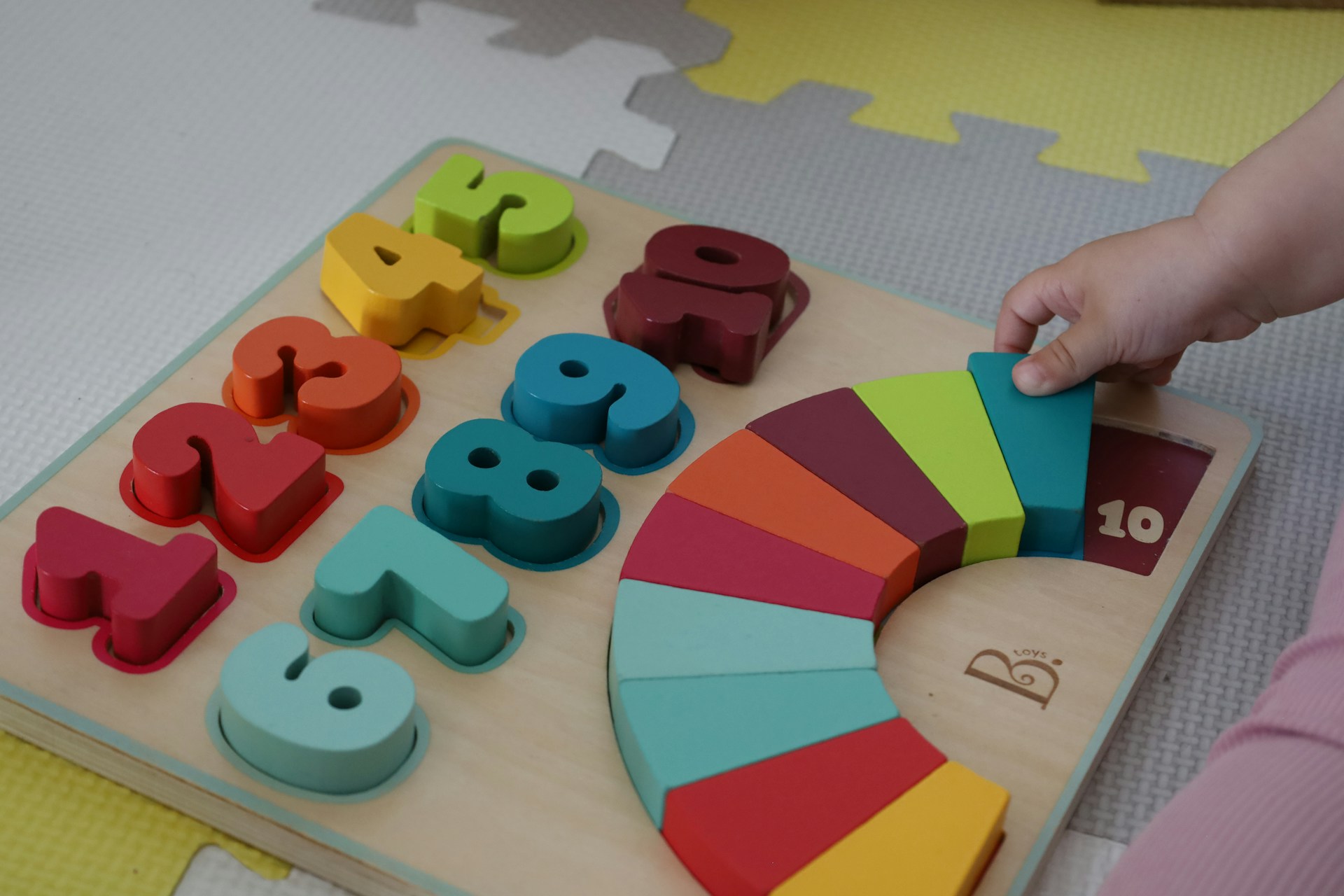
Parents today often begin investing in education long before elementary school. Preschool programs, early learning centers, and enrichment activities have become more common parts of childhood. Families may pay for language classes, music lessons, sports programs, or tutoring to help children develop skills early. This shift reflects a growing belief that early education shapes long term academic success. While these opportunities can be valuable, they also add new costs to family budgets years earlier than in the past. Education spending is no longer concentrated in the later school years. Instead, it often begins during preschool and continues throughout childhood.
5. Everyday Inflation Is Reshaping Family Budgets

Beyond major expenses like housing and childcare, everyday costs have also increased. Groceries, clothing, transportation, and healthcare have all become more expensive in recent years. When children grow quickly and require new clothes, larger food portions, and activity fees, those rising prices become noticeable. Even small increases in everyday spending can add up over time. Families today often feel the impact of inflation across multiple parts of their budget at once. Instead of one large expense causing pressure, it is the combination of many smaller increases that reshapes how households plan and manage the cost of raising children.