
Rising grocery costs in 2025 are reshaping how families think about food preparation. What used to be a routine chore has evolved into a careful budgeting strategy where every purchase matters. As prices increase, Americans are no longer planning meals based on preference alone. They consider shelf life, portion size, versatility, and long term value. This shift has encouraged smarter habits that reduce waste and stretch ingredients further. The result is a new style of meal planning defined by creativity, strategy, and a stronger awareness of food costs and household resources.
1. Families bulk buy ingredients instead of shopping weekly
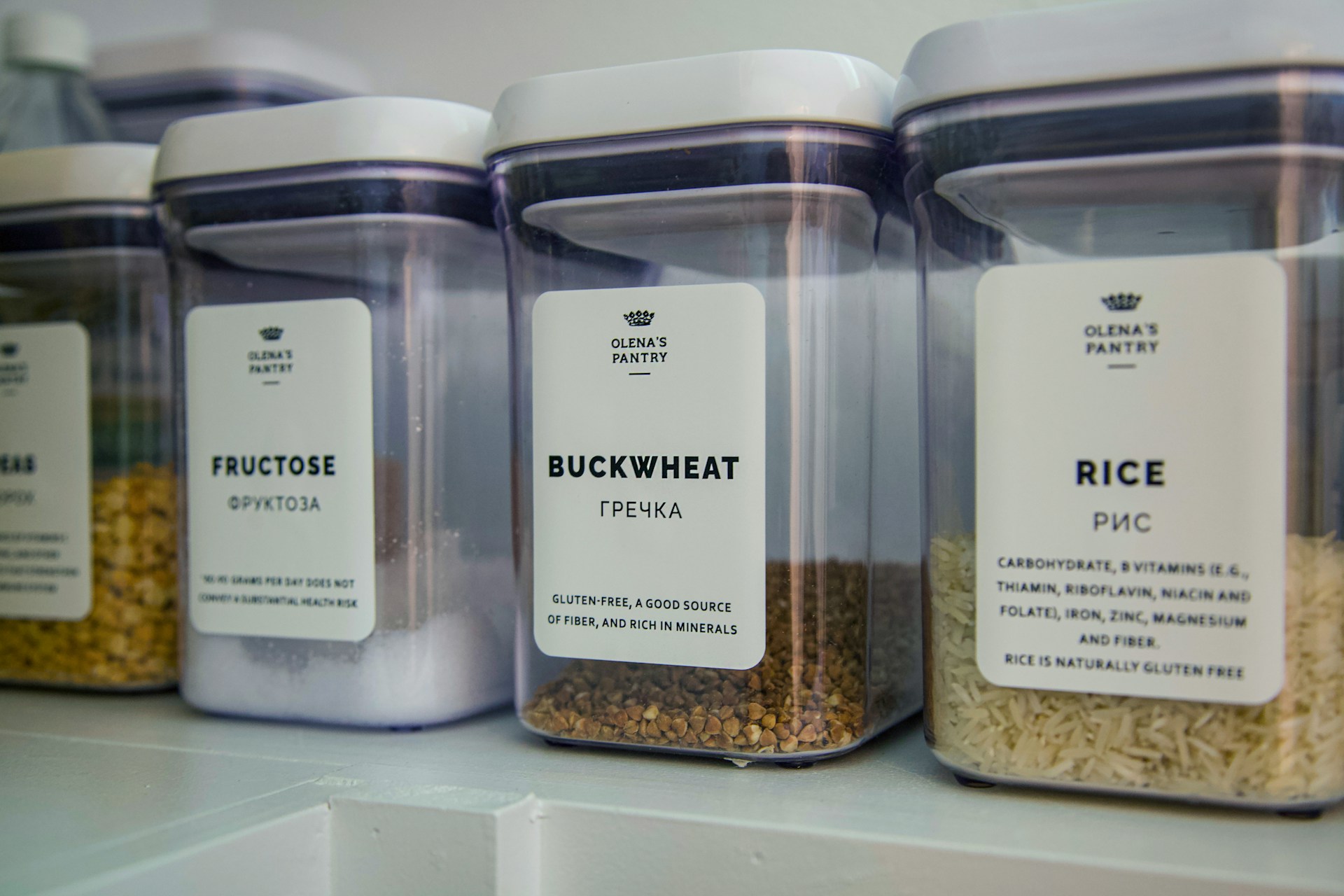
Instead of shopping multiple times a week, families stock up on ingredients in larger quantities to reduce cost per item and avoid price fluctuations. Bulk buying minimizes impulse purchases and ensures staples like rice, pasta, oats, and canned goods are always available. This shift reduces fuel costs and makes meal planning easier because options are already on hand. Households stretch ingredients longer, use fewer trips to the store, and build menus around what they have, not what they want in the moment. Bulk buying becomes a tool for saving money, time, and stress.
2. Cheaper protein sources replace expensive meat
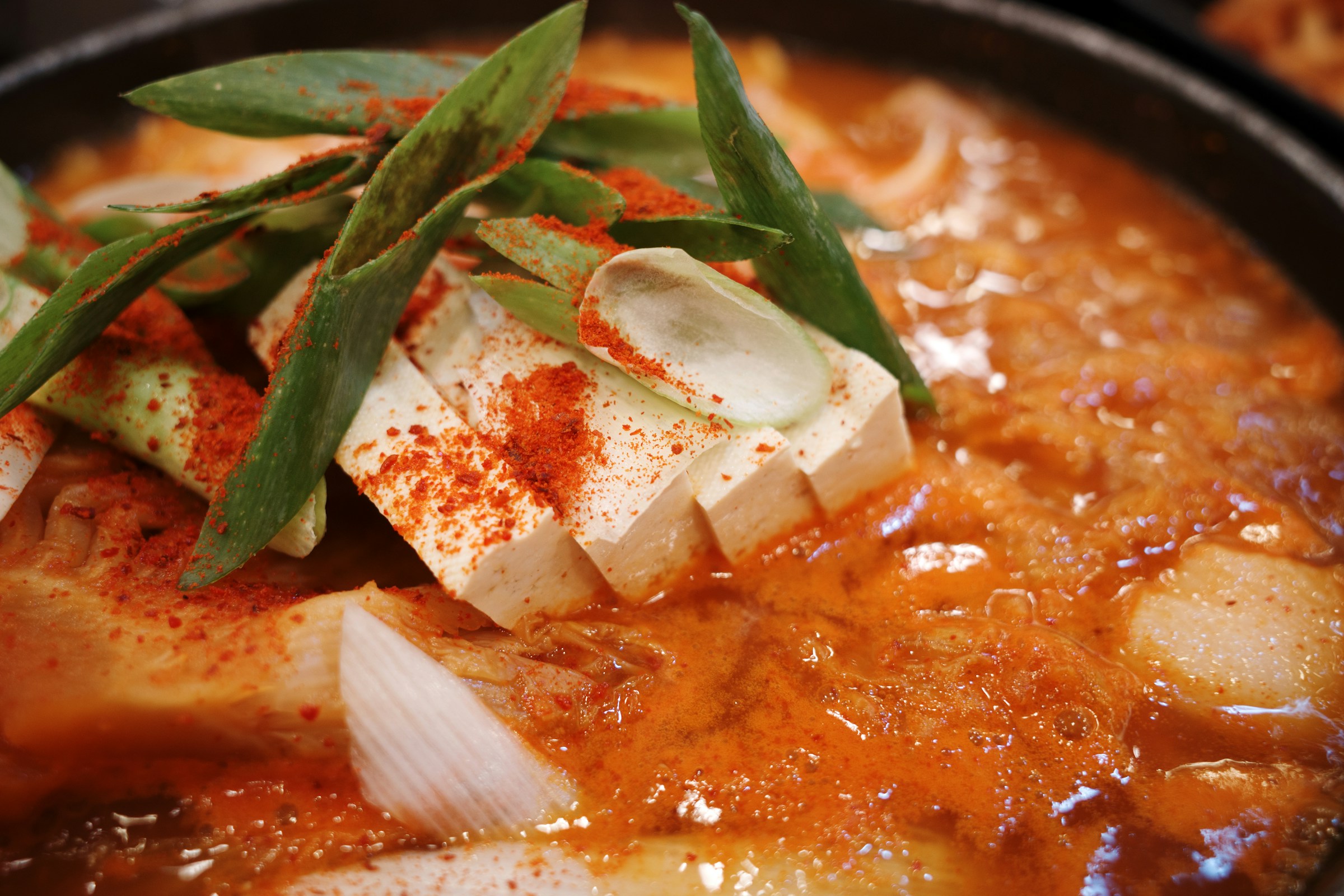
With meat prices rising, families now rely on lower cost proteins like beans, lentils, eggs, tofu, and canned fish. These alternatives stretch farther and require less preparation while still offering nutrition. Instead of building meals around meat, families use protein creatively in soups, stews, bowls, and casseroles. The shift saves money and encourages experimentation with recipes once overlooked. Meat becomes an occasional treat rather than a daily staple, changing how Americans perceive protein and redefining what a satisfying dinner looks like for budget conscious households.
3. Homemade snacks replace packaged snacks

Bagged snacks, cookies, and chips have become luxury items as prices rise. Families now bake muffins, pop popcorn, cut vegetables, or prepare simple yogurt bowls to avoid costly packaged options. Homemade snacks cost less, last longer, and allow portion control. This change reduces sugar and preservative intake and encourages family participation in food preparation. What began as a money saving tactic has evolved into a healthier lifestyle shift. Children learn basic cooking skills, and households gain more control over ingredients and nutrition without sacrificing convenience.
4. Batch cooking becomes a Sunday ritual
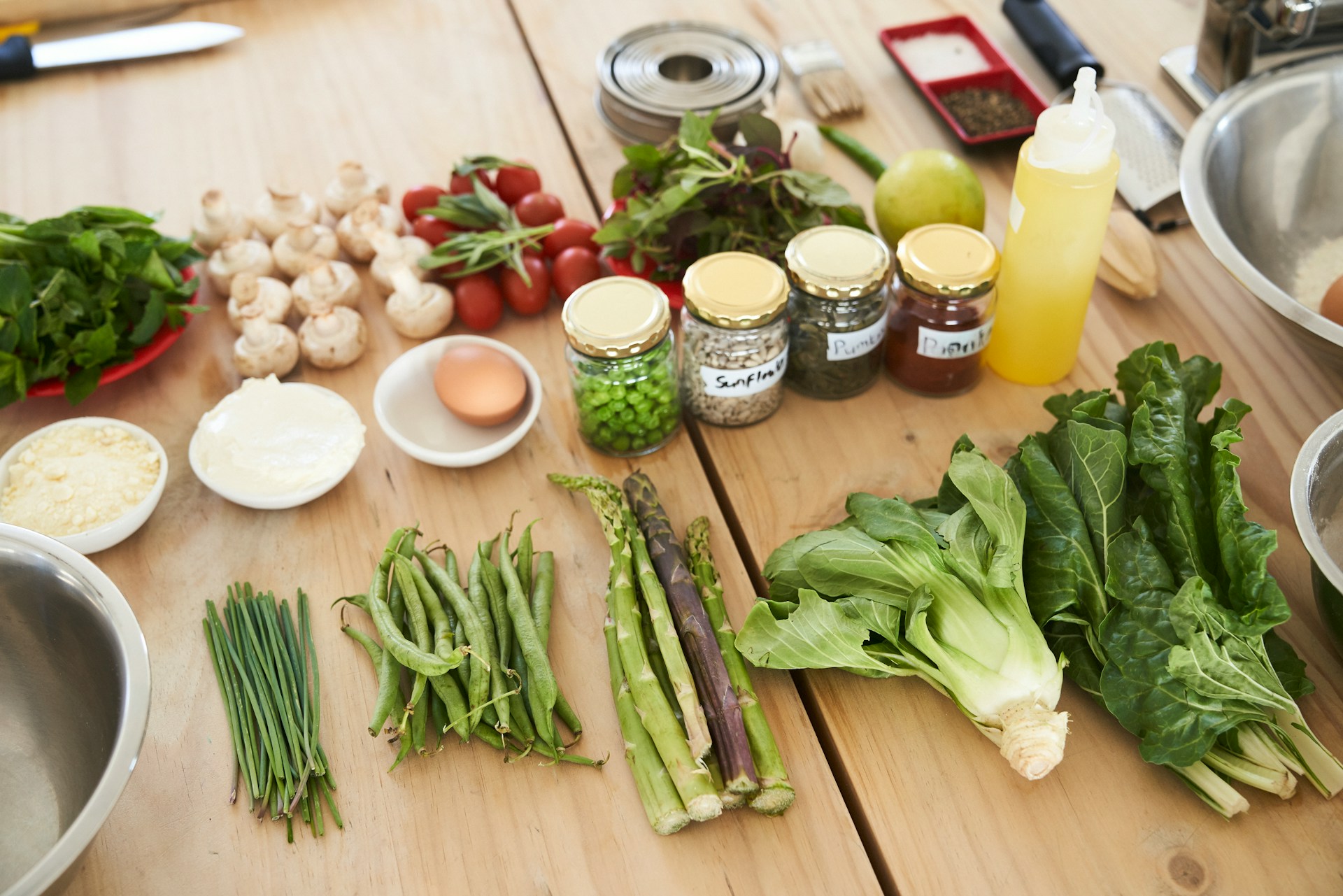
Instead of preparing meals daily, families dedicate a specific day, often Sunday, to cook larger portions for the week ahead. This habit saves time and reduces the temptation for takeout when schedules get busy. Ingredients are used more efficiently, and leftovers become intentional meals rather than afterthoughts. Batch cooking transforms weekends into planning hubs that bring structure to the entire week. By preparing meals in advance, families avoid midweek budget surprises and reduce stress around daily dinner preparation, making food planning more predictable and organized.
5. One pot meals to reduce waste
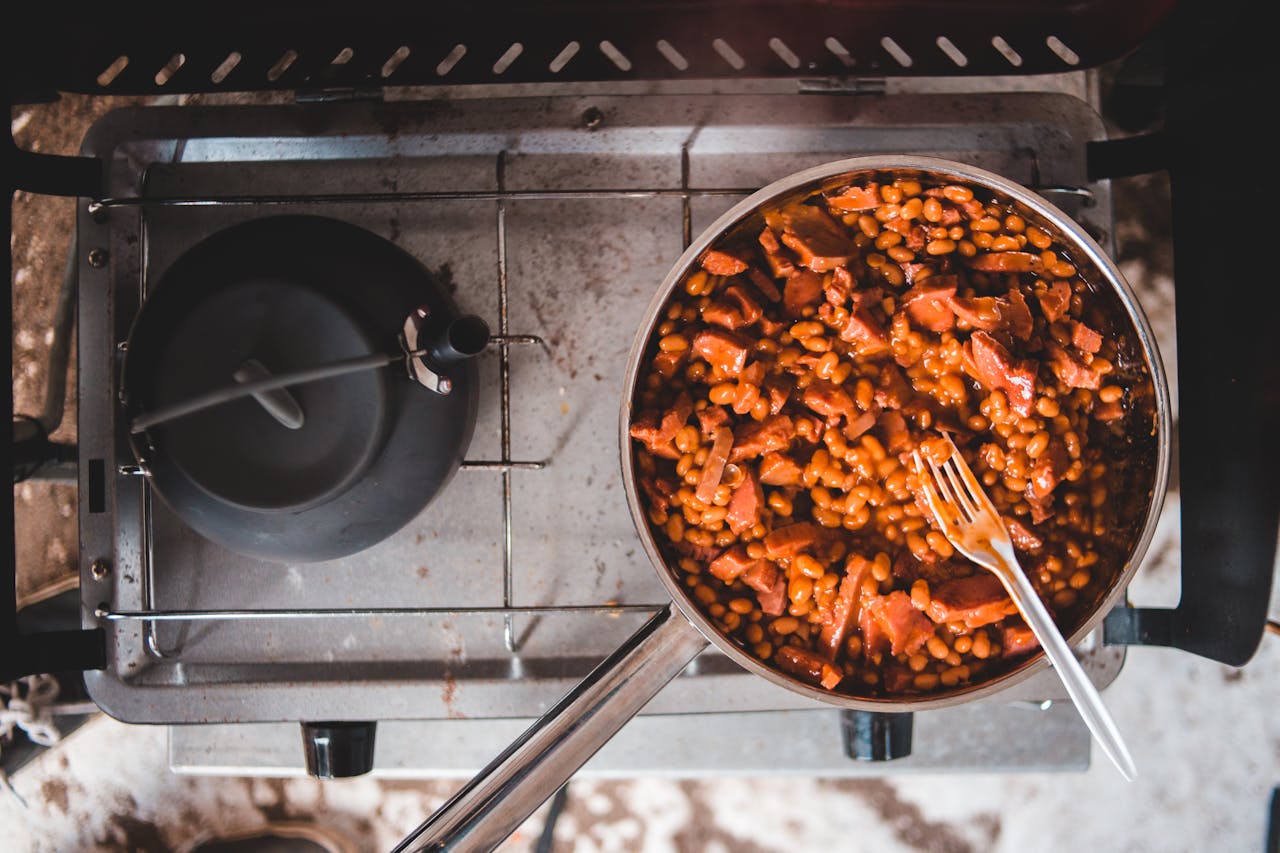
High food costs have inspired meals that use fewer ingredients and create less cleanup. One pot dishes like stews, pastas, and stir fries combine meats, vegetables, and grains into a single pan. This eliminates the need for multiple side dishes and prevents ingredients from spoiling unused. One pot meals simplify portioning and use leftovers efficiently, reducing grocery spending while making cooking easier. Families enjoy satisfying dishes without cluttering the kitchen or overspending. The approach blends convenience, cost savings, and comfort, turning minimalism into a practical cooking philosophy.
Rising prices have undeniably changed how Americans plan meals, transforming routines that once felt automatic into thoughtful strategies. Families now shop with intent, choose ingredients for value, and organize food preparation around cost effectiveness. These adjustments help households stretch budgets while maintaining variety and nutrition. What began as a response to inflation has created habits that may outlast economic pressures. Americans are discovering that careful planning can protect both wallets and well being, shaping a more resourceful and resilient food culture.