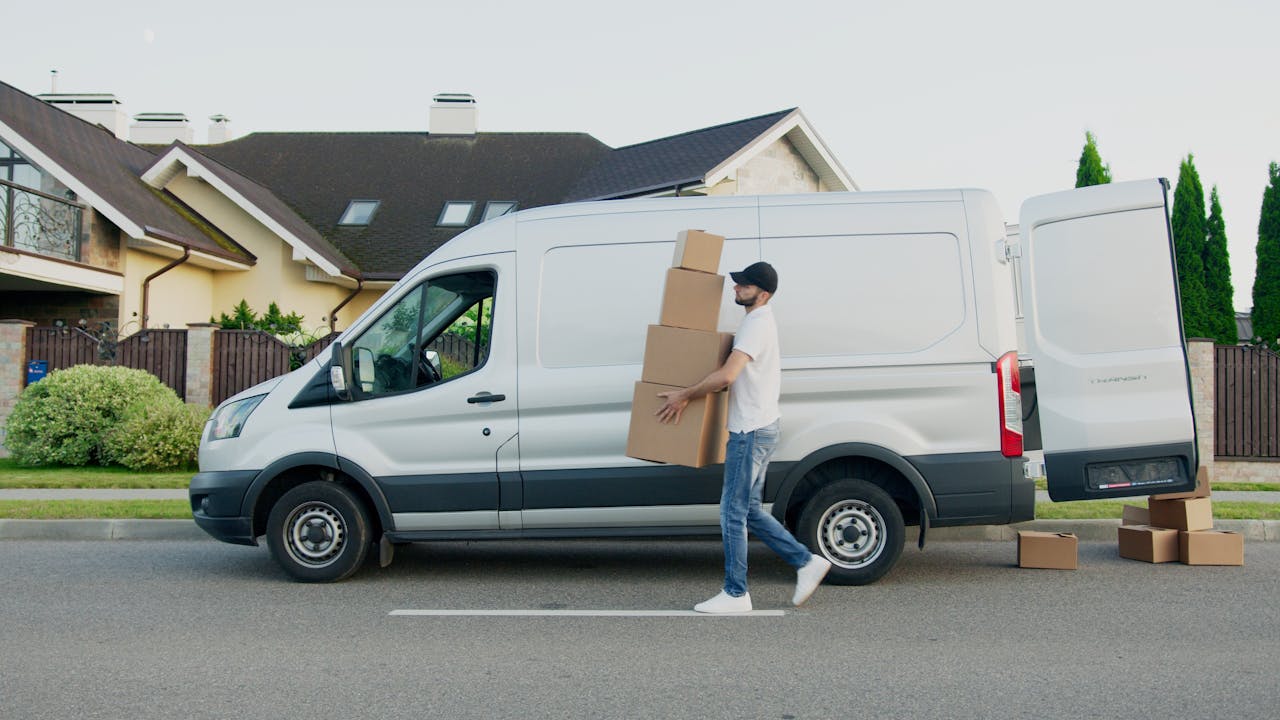
The rise of one-day delivery has transformed the way Americans shop, work, and move through daily routines. What began as a convenience has quietly become an expectation, with millions relying on rapid fulfillment for household essentials, gifts, and even groceries. This shift has affected consumer behavior, business logistics, and community norms in ways most people don’t fully recognize. As one-day delivery becomes even more widespread, its influence on American life continues to deepen and evolve.
Reshaping Consumer Expectations

One-day delivery has changed how Americans view time, convenience, and value. People now expect near-instant gratification, reducing patience for traditional shipping windows. This expectation influences which brands consumers support, often prioritizing speed over price or company loyalty. The convenience also encourages impulse buying, as items can be ordered and received before a second thought sets in.
Increasing Household Efficiency
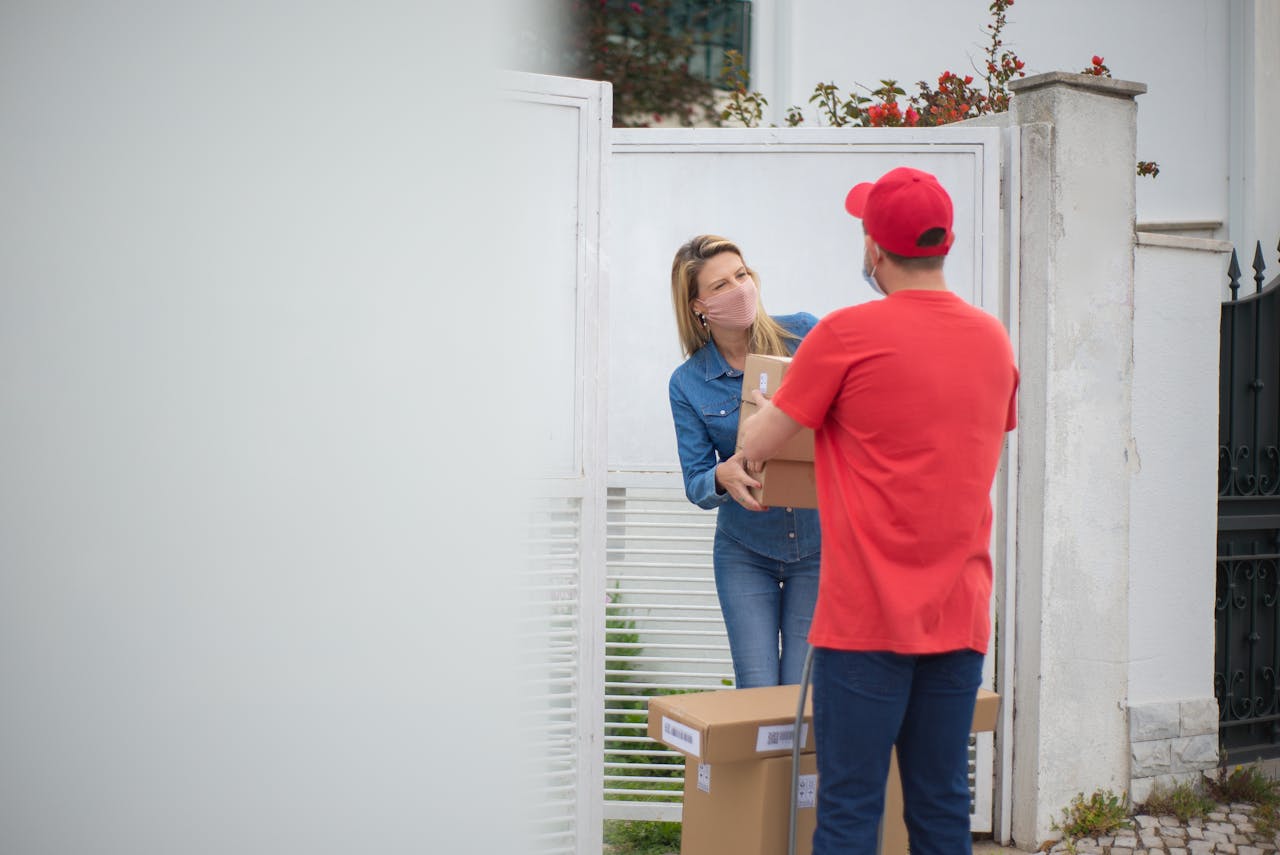
For many families, especially busy parents, fast delivery has become a tool for managing daily life. Running out of essentials no longer causes major disruption because replacements can arrive within hours. This ease allows parents to focus on work, school activities, and family responsibilities without constant errand-running. Over time, one-day delivery becomes part of the household planning system, subtly increasing efficiency.
Shifting Employment Trends
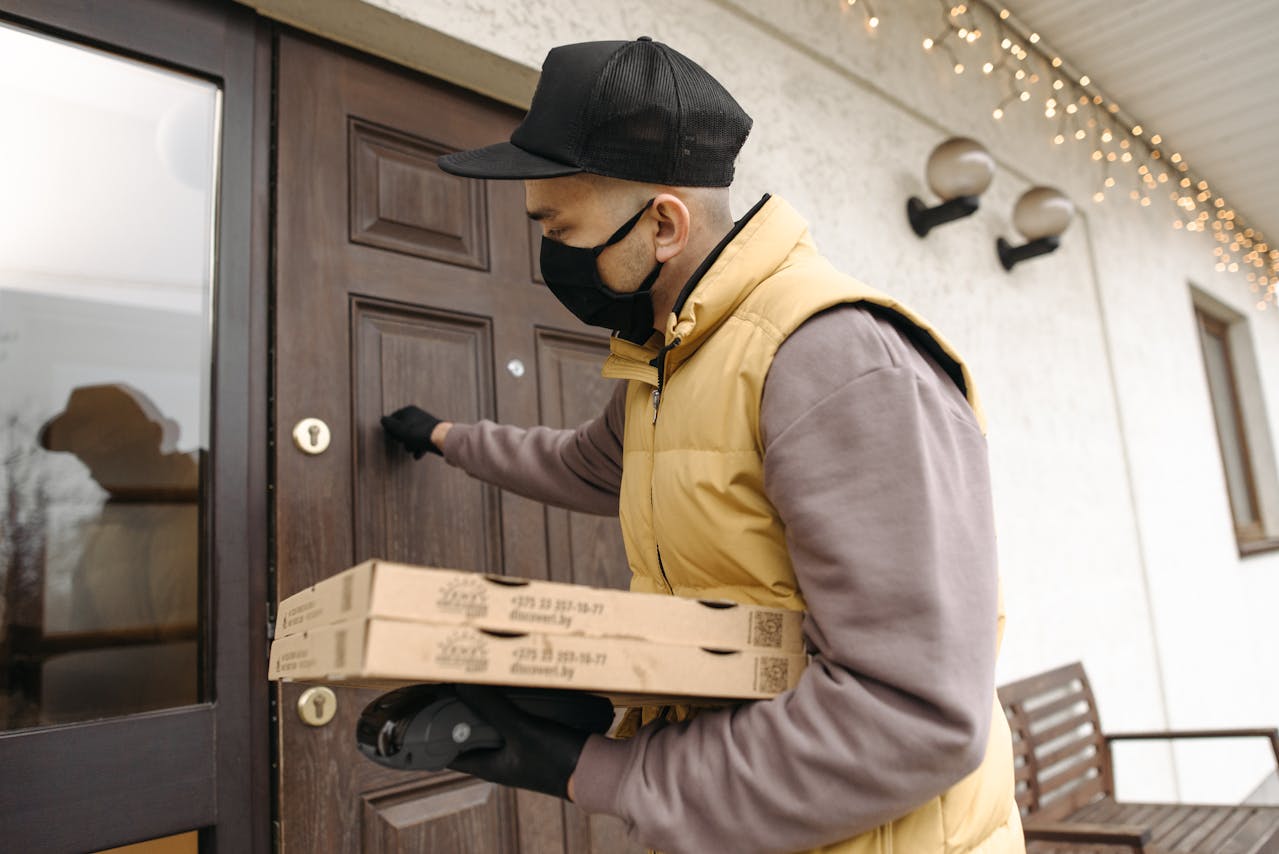
The demand for rapid fulfillment has created new job roles in warehouses, logistics centers, and gig delivery services. While these jobs offer flexible hours and widespread availability, they also reflect the growing need for speed in the supply chain. Workers must adapt to fast-paced environments with tight deadlines, shaping the workforce in unique ways. These roles now play a central part in the modern economy.
Changing Shopping Habits

One-day delivery has drastically reduced the need for in-store shopping, especially for routine items like toiletries, cleaning products, and snacks. People now shop online for items they previously browsed for in person, altering the retail landscape. Brick-and-mortar stores experience fewer impulsive foot-traffic purchases as a result. This shift contributes to a broader transformation in how communities interact with local shopping spaces.
Impacting Local Traffic and Infrastructure

As fast delivery services expand, neighborhoods experience increased delivery truck traffic. This uptick affects street congestion, parking, and noise levels, sometimes unnoticed by residents. Cities are slowly adjusting infrastructure to accommodate the rise in last-mile delivery demands. The influence becomes more visible as communities adapt to new patterns of daily movement.