
Artificial intelligence is often discussed in terms of future breakthroughs, robots, or major technological shifts. But in reality, AI is already shaping daily life in quieter and more subtle ways. It is embedded in apps, platforms, services, and systems people use every day, often without being labeled as AI at all. Instead of replacing humans, most modern AI works in the background, influencing behavior, decisions, preferences, and interactions in ways that feel natural and invisible.
Your Taste Is Evolving But It’s Curated
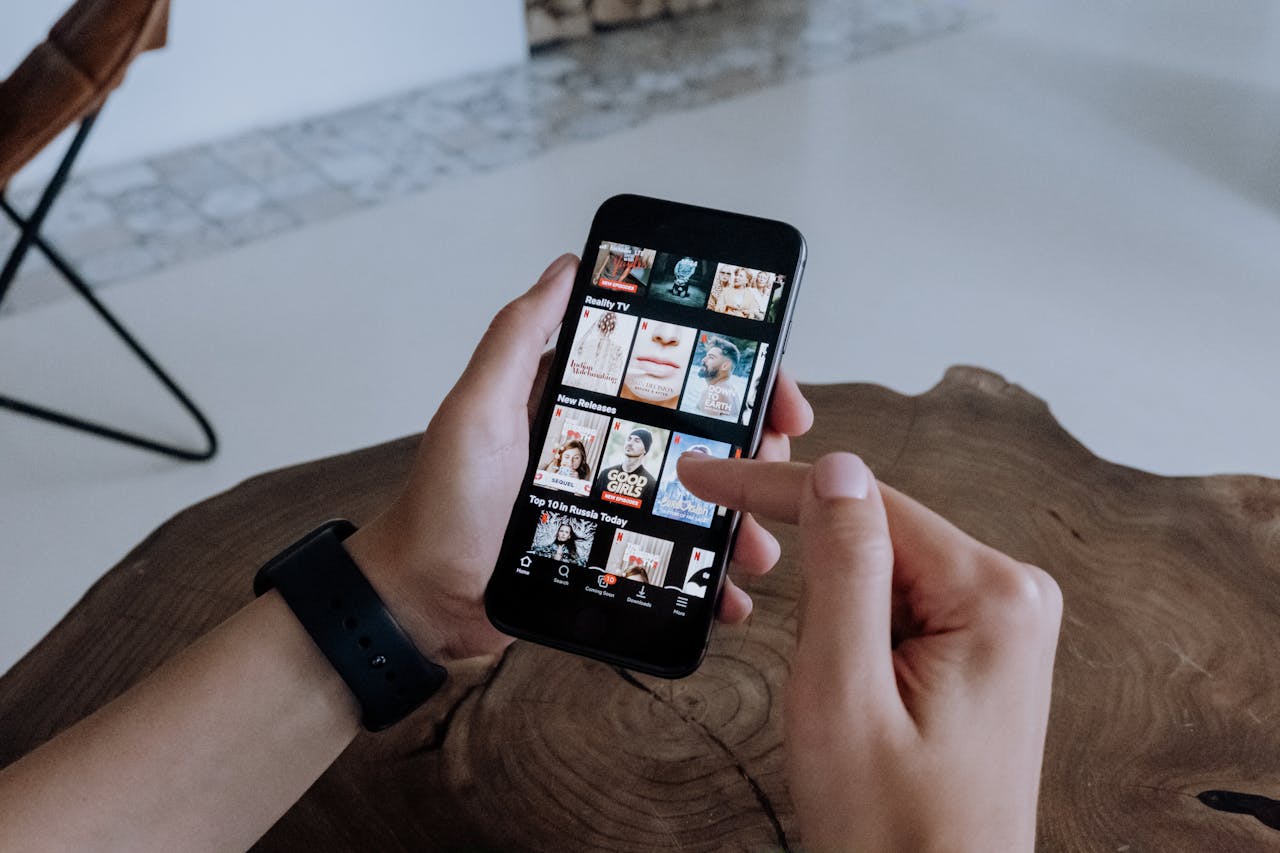
Your taste feels personal, but it’s been softly filtered. From music and movies to news and shopping, most modern discovery is driven by recommendation systems. These systems learn what users like, what they skip, what they replay, and what they engage with emotionally. Over time, AI builds a detailed model of personal preferences and then gradually expands them in controlled directions. Instead of exposing people to completely random content, AI introduces new options that are similar enough to feel safe but different enough to feel fresh. This creates the feeling of organic personal growth in taste, while keeping people within familiar boundaries. People still feel like they are choosing freely, but the range of choices is being shaped in advance. Discovery becomes less about exploring the unknown and more about exploring a carefully selected edge of what already feels comfortable.
AI Is Becoming the Middleman Between You and Other People

People aren’t meeting you, they’re meeting your interface. Communication is increasingly mediated by AI systems that suggest how to respond, how to phrase messages, when to reply, and even what emotional tone to use. Email tools suggest full replies. Messaging apps offer auto-complete sentences. Social platforms recommend reactions, emojis, and comments. Video platforms optimize thumbnails and captions. This means AI is subtly shaping how people present themselves socially. It influences how polite, professional, funny, or supportive someone sounds. Over time, people begin to rely on these systems not just for efficiency, but for social guidance. AI becomes a silent editor of personality, smoothing communication, speeding responses, and standardizing social behavior in ways that feel natural but are algorithmically shaped.
AI Is Quietly Timing Your Inspiration

Your motivation might not be random anymore. AI no longer just responds to creativity, it increasingly influences when creative or productive moments happen. Many platforms now use algorithms to decide when to send notifications, show reminders, surface content, or suggest actions. These systems analyze patterns in user behavior such as when people tend to respond, focus, scroll, or disengage. Over time, they learn the windows when someone is most likely to feel motivated, alert, or receptive. This means: inspiration is not always spontaneous. The timing of ideas, prompts, and even emotional nudges is being optimized. Productivity apps suggest tasks when focus is highest. Learning platforms recommend lessons when attention tends to peak. Social platforms surface posts at moments when users are most emotionally responsive. AI is not creating ideas for people, but it is shaping the conditions under which ideas feel more likely to appear.
AI Is Becoming Your First Therapist
Before friends, before journaling, there’s a prompt. Many people now turn to AI tools to process thoughts, emotions, decisions, and uncertainty. Instead of immediately talking to a friend or writing in a journal, users increasingly start with a chatbot or AI assistant. These systems are available at any time, respond instantly, and provide structured, non-judgmental feedback. AI is not replacing therapy, but it is becoming the first emotional processing layer. People use it to organize feelings, explore options, simulate conversations, and reflect on problems. The appeal is not emotional intelligence, but emotional availability. AI never gets tired, never interrupts, and never reacts negatively. This shifts how people externalize thoughts and seek clarity, making AI a default starting point for personal reflection.
AI Is Quietly Setting the Prices You Pay
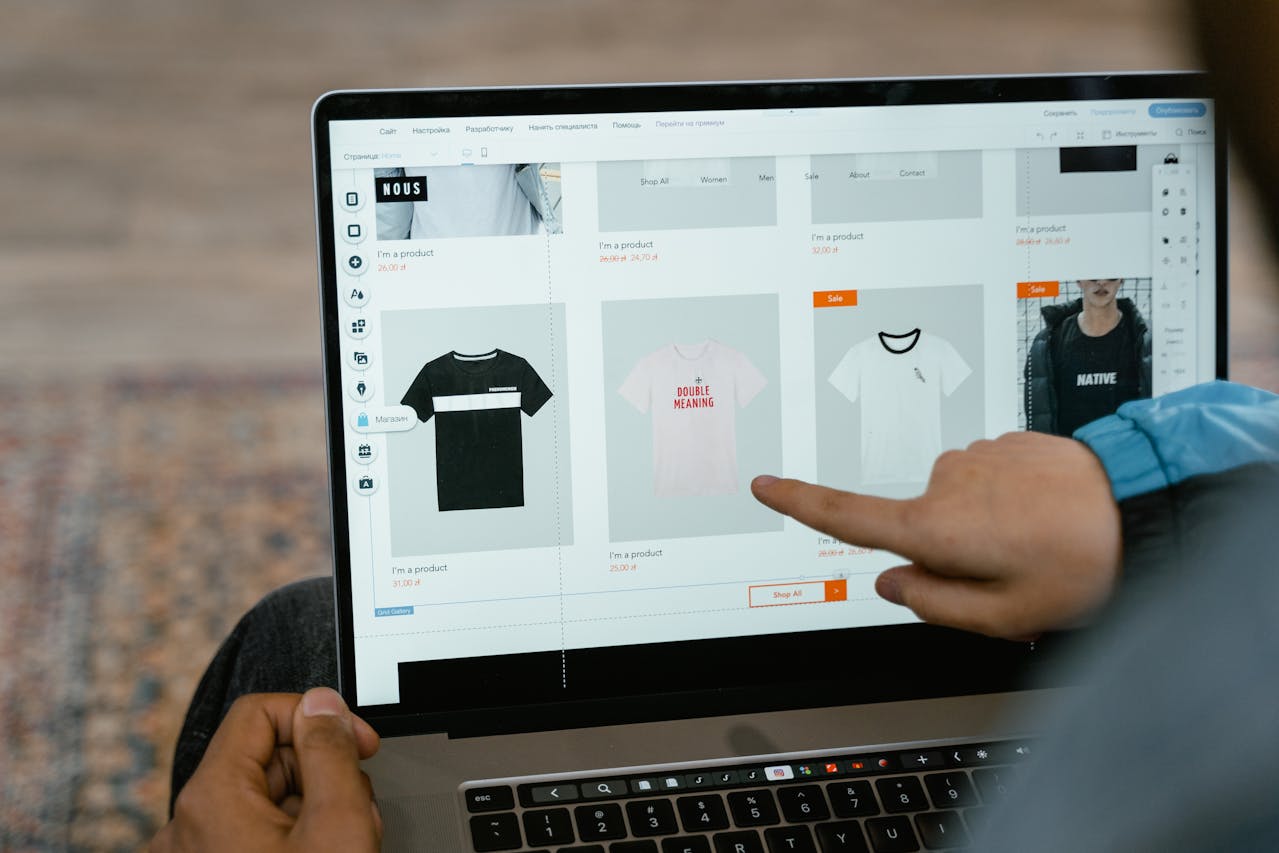
You’re not seeing one price, you’re seeing your price. Dynamic pricing systems use AI to adjust prices in real time based on demand, location, behavior, timing, and user profiles. Airlines, hotels, ride-sharing apps, e-commerce platforms, and subscription services all rely on these systems. Two people searching for the same product may see different prices based on browsing history, device type, location, or past spending behavior. Instead of fixed pricing, AI estimates how much each user is willing to pay and adjusts offers accordingly. This makes pricing feel unpredictable, even when the product itself has not changed. Consumers often attribute price differences to inflation or market trends, without realizing that AI systems are actively personalizing cost. The result is a marketplace where prices are no longer universal, but dynamically negotiated by algorithms in the background.