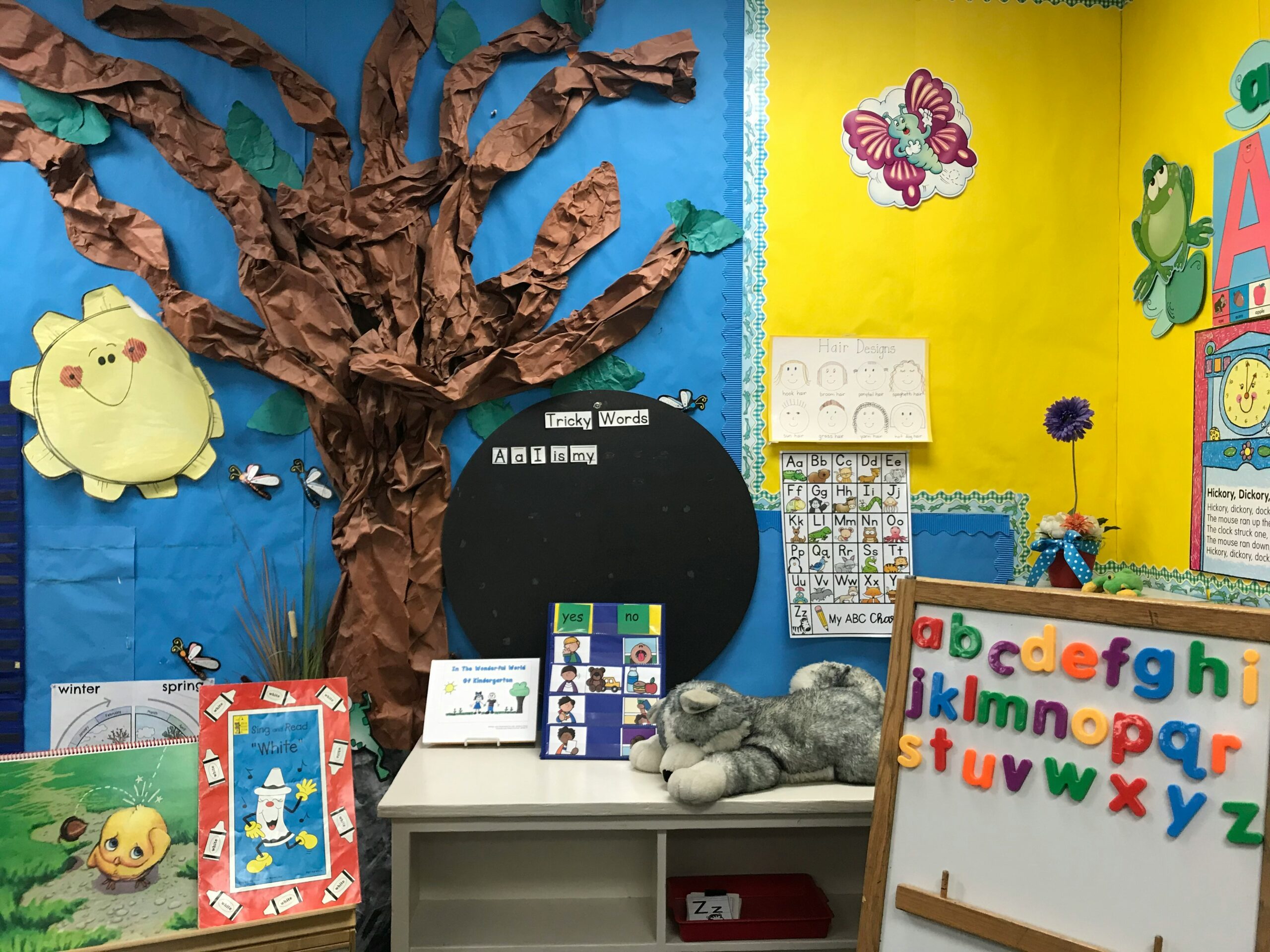
Even with the best preparation, kindergarten can bring a wave of unexpected changes for both kids and parents. From emotional outbursts to logistical surprises, starting school is a major transition in family life. What caught me off guard wasn’t just how big it felt for my child, but how much it shifted my own routine, expectations, and emotions.
Looking back, there are a few things I wish someone had told me. Not to scare me or overwhelm me further, but to gently prepare me for what this new season would actually look and feel like. Here are five lessons that would have made those early weeks of kindergarten a little easier for all of us.
1. The After-School Meltdowns Are Normal
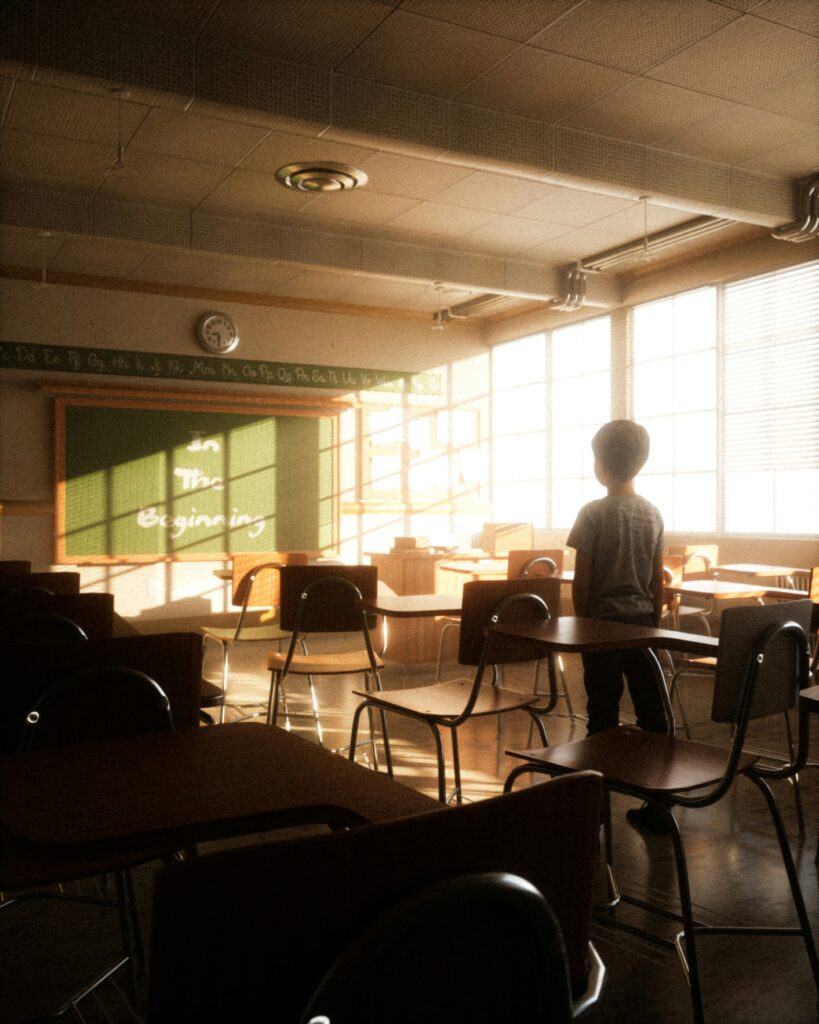
No one warned me about the post-kindergarten emotional crash. I expected my child to come home full of stories and excitement. What I got instead was a cranky, tired kid who seemed to unravel as soon as we walked in the door.
This is common. Many kids hold it together all day at school while navigating rules, routines, and social dynamics. Once they get home, they finally feel safe enough to let their guard down. That’s when the meltdowns, mood swings, or complete emotional shutdowns tend to happen.
I learned quickly that trying to talk through their day right away was not helpful. Instead, I started building in a buffer period after school. A snack, a cozy spot on the couch, or quiet play helped them decompress on their own terms. Giving them time to reset made evenings smoother and gave us better connection later in the day when they were ready.
2. Routines Make Everything Easier
Before kindergarten, our mornings were slower and more flexible. Suddenly, we had to be up, dressed, packed, and out the door by a specific time every weekday. It was a major adjustment. Without clear routines in place, mornings felt chaotic and stressful for everyone involved.
Creating structure helped tremendously. We started laying out clothes the night before and packing lunches after dinner. We established consistent wake-up times and bedtime routines that stayed the same even on weekends. Using visual checklists also helped my child feel more in control of their morning tasks.
Having a predictable routine didn’t make everything perfect, but it gave our mornings a rhythm. And that sense of order helped my child walk into school feeling more grounded and prepared.
3. It’s Not Just About ABCs
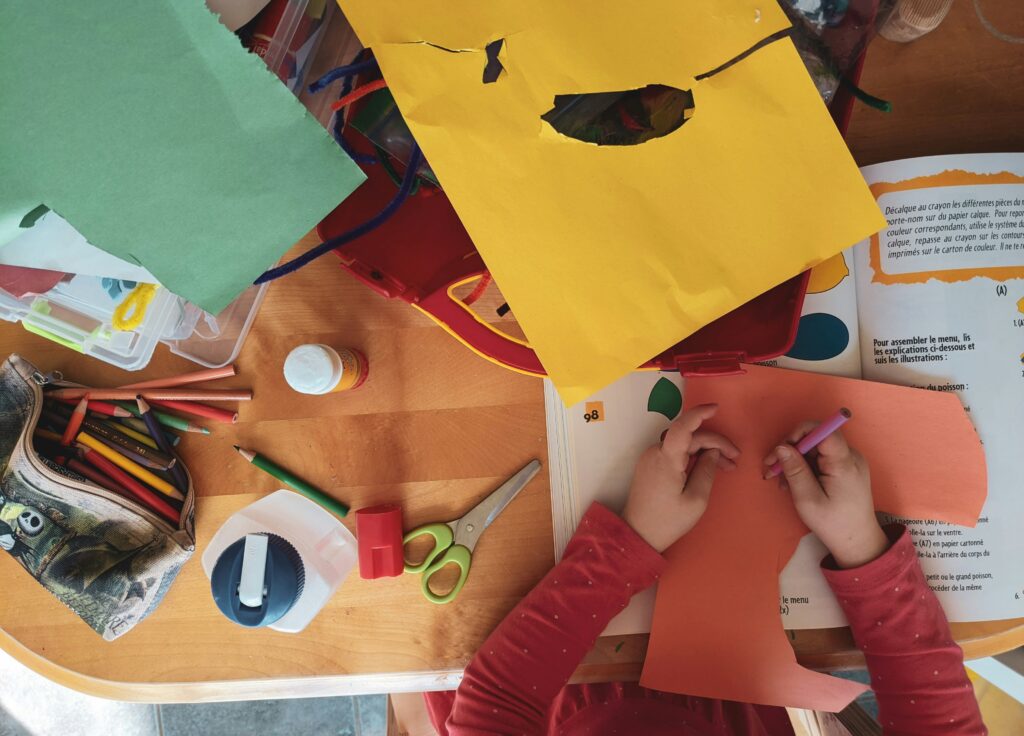
Kindergarten teaches far more than letters and numbers. In fact, the biggest growth I saw during those early months had less to do with academics and more to do with independence, emotional regulation, and navigating friendships.
Kindergarten is where kids learn how to wait their turn, ask for help, manage transitions, and follow multi-step directions. These skills don’t always come naturally, and they definitely don’t all show up on day one.
Before school started, I wish I had focused more on life skills than academic drills. Simple things like zipping a coat, opening a snack bag, or speaking up when something feels wrong go a long way. These practical steps help kids feel more capable and confident as they navigate their new environment.
4. Regression Is Part of the Process
Even if your child is fully potty trained, sleeping through the night, and handling separation well before kindergarten, you may notice some backward steps during the first few weeks. And that is okay.
Regression is a normal response to stress and change. Starting kindergarten is a major life event for a five-year-old, and the emotional load can show up in unexpected ways. Your child might wake up more often at night, cling more at drop-off, or have meltdowns over things they previously handled just fine.
I learned to be patient with the backslides. Instead of introducing a bunch of new routines or activities in those first few weeks, I kept things simple at home. We stuck to familiar rhythms, avoided overscheduling, and focused on rest, reassurance, and connection.
Most regressions resolved on their own once my child felt more secure in their new role as a kindergartner.
5. You Will Get More Communication Than You Expect
Before kindergarten, I assumed most communication would come home in a backpack folder. I was very wrong. Between take-home papers, school apps, weekly teacher emails, classroom announcements, PTA newsletters, and spirit day flyers, I was suddenly juggling information from multiple directions.
It is easy to miss important details, especially in those early weeks when everything feels new. I found that setting up a simple system helped a lot. We used a folder station near the door for all school papers, synced important dates into a family calendar, and blocked out a few minutes each Sunday to review emails or upcoming events.
And when I was unsure about something, I learned not to hesitate to ask. Teachers and staff understand that kindergarten parents are navigating a steep learning curve too. Clear communication helps everyone feel more supported.
One Last Thought
Kindergarten is a big step for your child, but it is also a big step for you. There will be moments that feel overwhelming, but there will also be moments of pride and joy as you watch your child grow into new parts of themselves.
You do not have to get everything right. What matters most is showing up with love, flexibility, and the willingness to learn alongside your child. Give yourself and your family grace as you grow into this new season together.