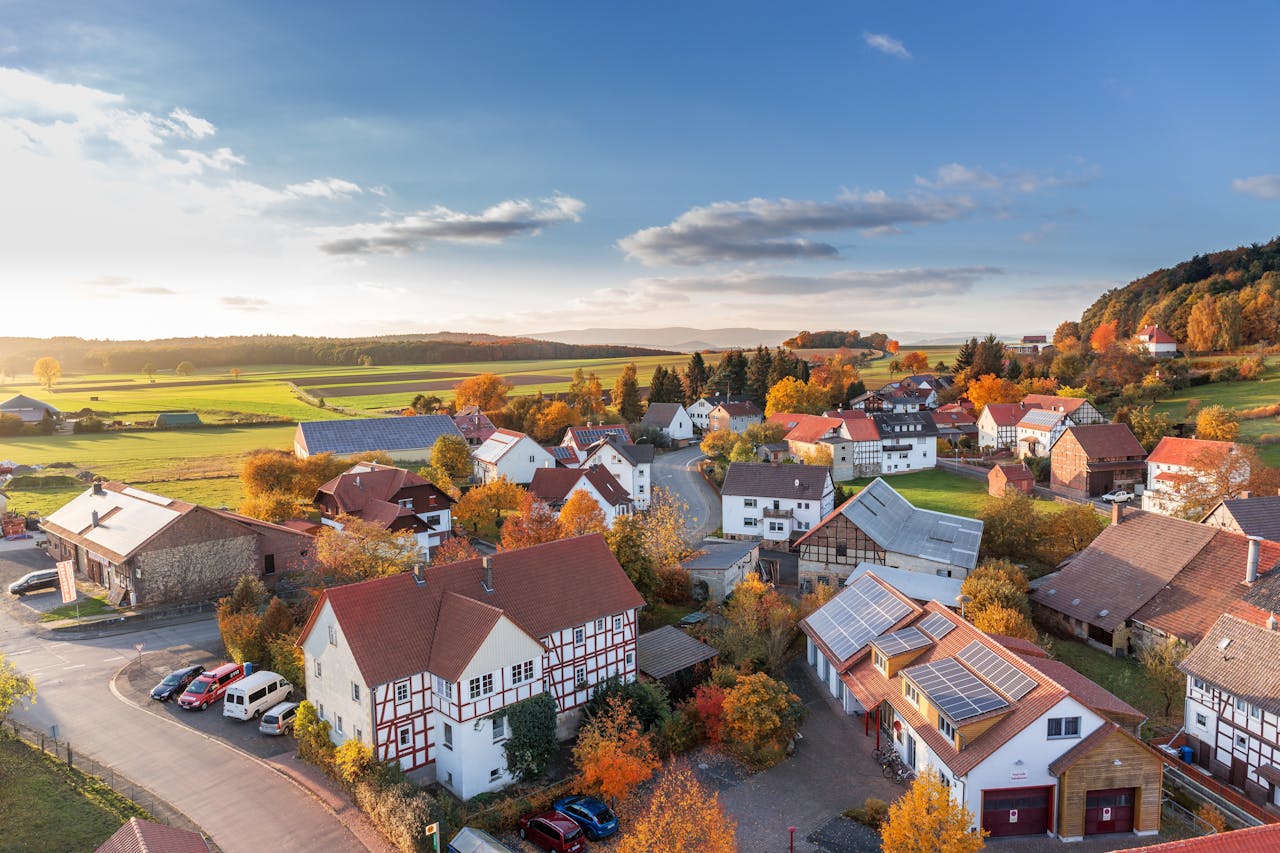
In recent years, American families have increasingly opted for small-town living, moving away from crowded urban centers in search of affordability, space, and a slower pace of life. Rising housing costs, inflation, and lifestyle priorities have contributed to this migration, as families seek communities that offer both quality of life and long-term stability. Small towns are now being recognized for their ability to provide strong schools, safer neighborhoods, and a sense of connection that can be harder to find in large metropolitan areas. For many families, the move represents a conscious choice to invest in well-being, financial security, and community engagement.
Affordability and lower cost of living

One of the primary reasons families are relocating to small towns is affordability. Housing prices in urban areas have surged in recent years, making homeownership increasingly difficult for first-time buyers. Small towns offer more reasonable property prices, lower property taxes, and reduced overall living expenses. This allows families to purchase larger homes with yards, garages, and more space for children to grow. The financial flexibility gained from living in a small town often translates into better quality of life and reduced financial stress.
Stronger community connections

Small towns often provide a stronger sense of community than larger cities, which is especially appealing to families with young children. Residents are more likely to know neighbors, participate in local events, and support local businesses. These connections foster a sense of security, belonging, and mutual support that many families find invaluable. Community involvement can also provide children with social opportunities, mentorship, and a network of positive role models. Families are increasingly prioritizing these human connections alongside financial considerations when choosing where to live.
Better safety and lower crime rates

Safety is a critical factor for families, and small towns frequently outperform larger cities in this regard. Crime rates tend to be lower, and neighborhoods are often designed with family life in mind. Streets are quieter, parks are more accessible, and public spaces are safer for children to explore. Parents often feel more comfortable allowing children greater freedom in small-town settings, contributing to a healthier childhood environment. The combination of safety, predictability, and peace of mind makes small towns attractive for families seeking stability.
Access to quality schools and educational opportunities

Education plays a significant role in the migration toward small towns. Many of these communities boast well-funded public schools, smaller class sizes, and individualized attention for students. Families value the opportunity for children to receive a quality education without competing with overcrowded urban schools. Additionally, extracurricular programs, sports leagues, and community partnerships provide children with enrichment opportunities. The focus on education, combined with affordability, often makes small towns the ideal environment for raising children.
Lifestyle flexibility and a healthier pace

Small towns allow families to enjoy a slower, more manageable pace of life that balances work, school, and leisure. Daily commutes are shorter, traffic congestion is reduced, and residents often have better access to natural environments, recreational areas, and outdoor activities. This lifestyle encourages wellness, family bonding, and a sense of calm that can be elusive in cities. Many families find that small-town living promotes physical activity, community engagement, and mental well-being. The freedom to enjoy both indoor and outdoor family time contributes to an overall improved quality of life.
As families continue to evaluate their priorities in a changing economic landscape, small towns are emerging as a viable and appealing alternative to urban living. Affordability, safety, community engagement, quality schools, and lifestyle flexibility are the main factors driving this trend. The migration toward smaller communities reflects a broader cultural shift, emphasizing balance, stability, and long-term planning over urban glamour or high-cost convenience.