
As the world gets busier, more families are packing up and heading to smaller towns. These quiet, tight-knit communities are offering what big cities can’t: peace, space, and a real sense of belonging. In 2025, this trend has become more than a lifestyle choice. It’s a movement toward simplicity, affordability, and emotional well-being. Let’s explore why small towns are winning over families looking for a more meaningful life.
1. Affordable Living with Room to Breathe
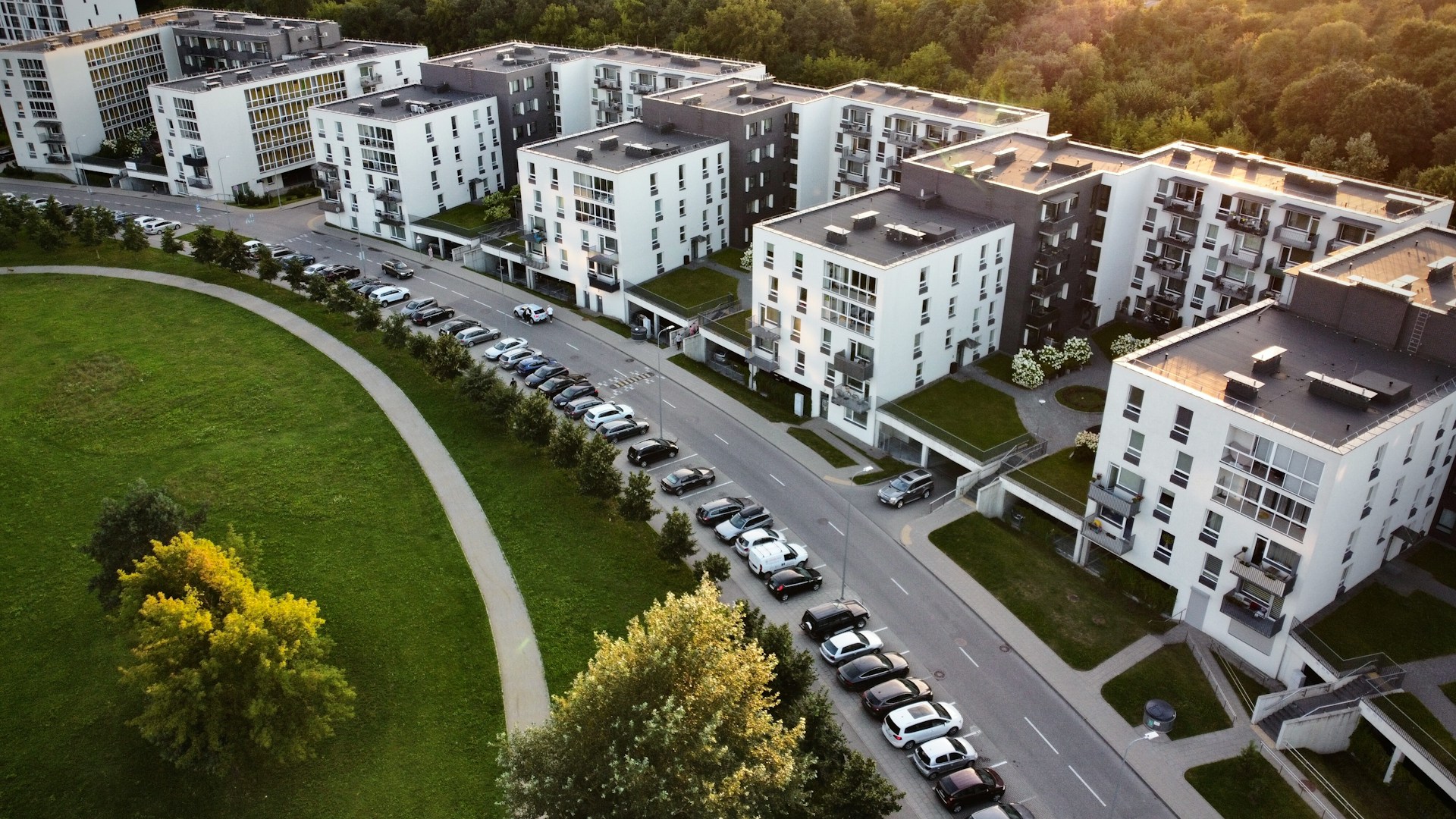
City life often means cramped apartments and sky-high rent. In small towns, families can own spacious homes, enjoy backyards, and pay a fraction of what they would in a city. Lower property taxes and everyday costs free up income for savings and experiences rather than constant bills. This affordability creates financial stability and makes life feel less like a race and more like a shared journey toward comfort and balance.
2. Strong Sense of Community

Small towns thrive on connection. Neighbors know each other by name, local events bring people together, and kids grow up surrounded by familiar faces. Families often say that the sense of belonging and safety outweighs any lack of city conveniences. These close relationships create a network of support and a slower rhythm of life where people still take time to check in, share stories, and lend a helping hand when needed.
3. Safer Environments for Kids

Parents are choosing small towns for the security they offer. Lower crime rates, cleaner air, and smaller schools give children room to explore, learn, and grow with confidence. Families enjoy letting kids ride their bikes or walk to school without constant worry. The emphasis shifts from surviving the hustle of city life to nurturing childhood experiences that build independence and create lasting memories of freedom and safety.
4. Growing Remote Work Opportunities

Remote work has transformed how families think about location. Many jobs no longer require city offices, allowing families to settle anywhere with good internet. Small towns now attract professionals who want lower costs without giving up their careers. This shift has led to local growth too, as new businesses and co-working spaces pop up to support remote workers. It’s a win-win for families and local economies alike.
5. Better Quality of Life and Less Stress
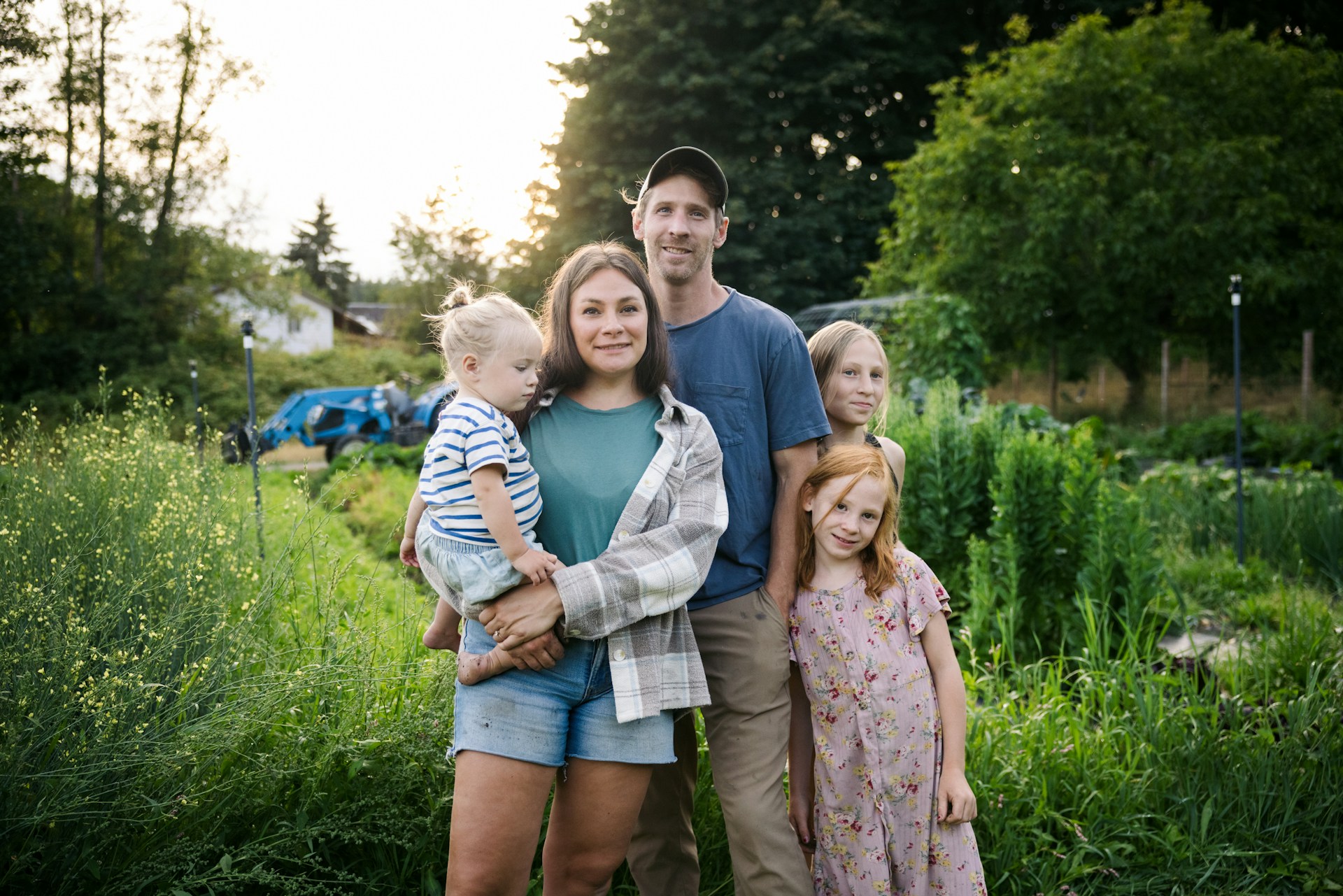
From slower traffic to shorter commutes and cleaner surroundings, small-town life is simply calmer. Families are realizing that peace of mind and time spent together are worth more than any big-city thrill. With parks, local markets, and open skies, daily life feels richer and more balanced. Many who make the move say they finally feel like they’re living, not just existing in the blur of urban life and endless to-do lists.
As families reassess what truly matters, small towns are emerging as places of purpose and connection. The trade-off of losing big-city perks is outweighed by emotional peace, community spirit, and a life that feels more grounded. In 2025, it’s not about escaping the city; it’s about rediscovering what it means to live fully, surrounded by space, simplicity, and genuine human warmth that big cities often forget to nurture.