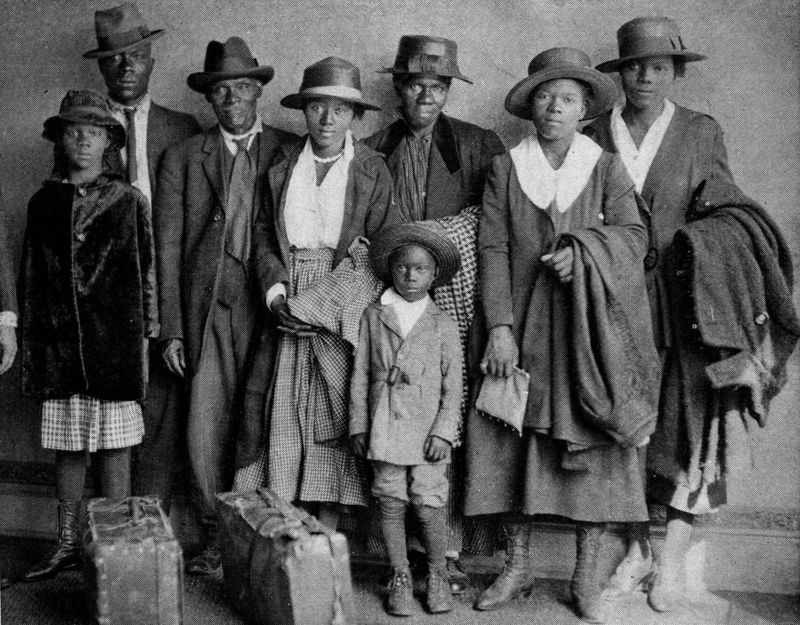
American history is full of stories of movement, families uprooting their lives in search of safety, opportunity, or survival. These migrations shaped the country, influenced its culture, and taught lessons about resilience, courage, and hope. For parents, these events aren’t just history; they are opportunities to teach empathy, perseverance, and the importance of community to children. By framing migrations as human stories rather than dates and statistics, kids can connect emotionally and understand the challenges people faced. These stories also show that big changes are often scary but can lead to growth and learning. Sharing these narratives helps children appreciate the struggles and achievements of previous generations. Parents can make history tangible by connecting it to family experiences or times children had to adapt to change.
1. The Great Migration (1916–1970)
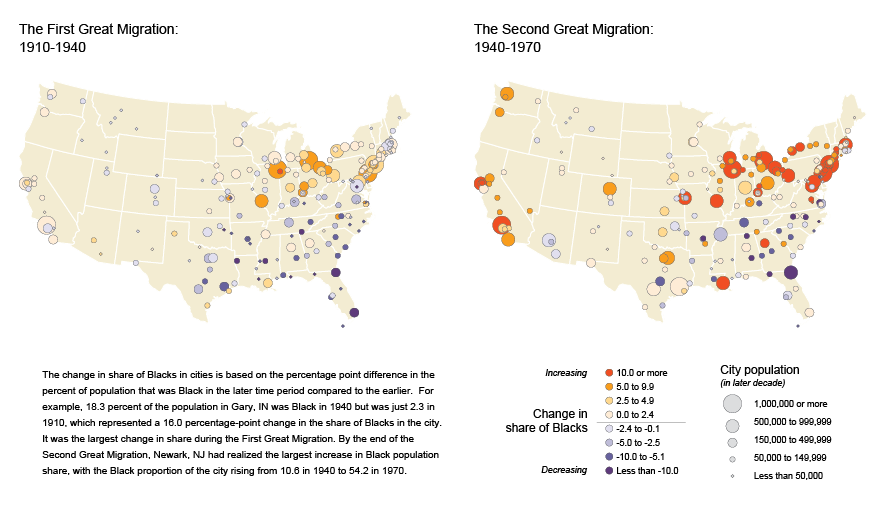
During the Great Migration, over six million African Americans left the rural South for northern cities like Chicago, Detroit, and New York. Families faced discrimination, poverty, and uncertainty, but they also sought better jobs, education, and freedom from oppression. Parents can highlight how courage and hope drove these families to endure hardship for a better future. Children can learn that making a brave choice, even when it’s difficult, can open new opportunities. Teaching the Great Migration emphasizes both perseverance and the positive impact of contributing to a new community. Parents can also explore how these families influenced music, literature, and neighborhoods, showing children that cultural change often comes from resilience.
2. The Trail of Tears (1830s)
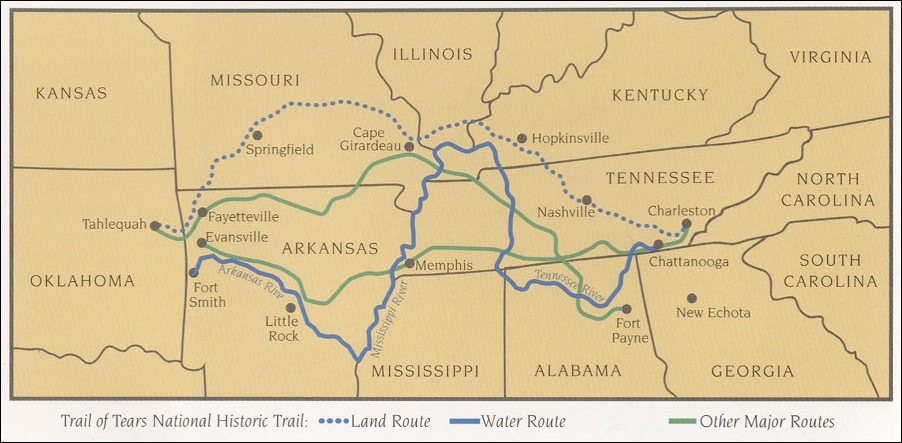
The Trail of Tears was the forced relocation of Native American tribes from their ancestral lands in the Southeast to areas west of the Mississippi River. Thousands suffered from disease, hunger, and harsh conditions, and many lives were lost along the way. Parents can discuss resilience, injustice, and the importance of remembering history so mistakes aren’t repeated. Kids can reflect by imagining the perspective of children who were uprooted from their homes, which encourages empathy and understanding. Parents can also explain how preserving culture, language, and traditions helped Native communities survive, showing kids the importance of identity and perseverance. Teaching this story also provides a way to discuss fairness, human rights, and the long-term effects of forced displacement.
3. The Dust Bowl Migration (1930s)
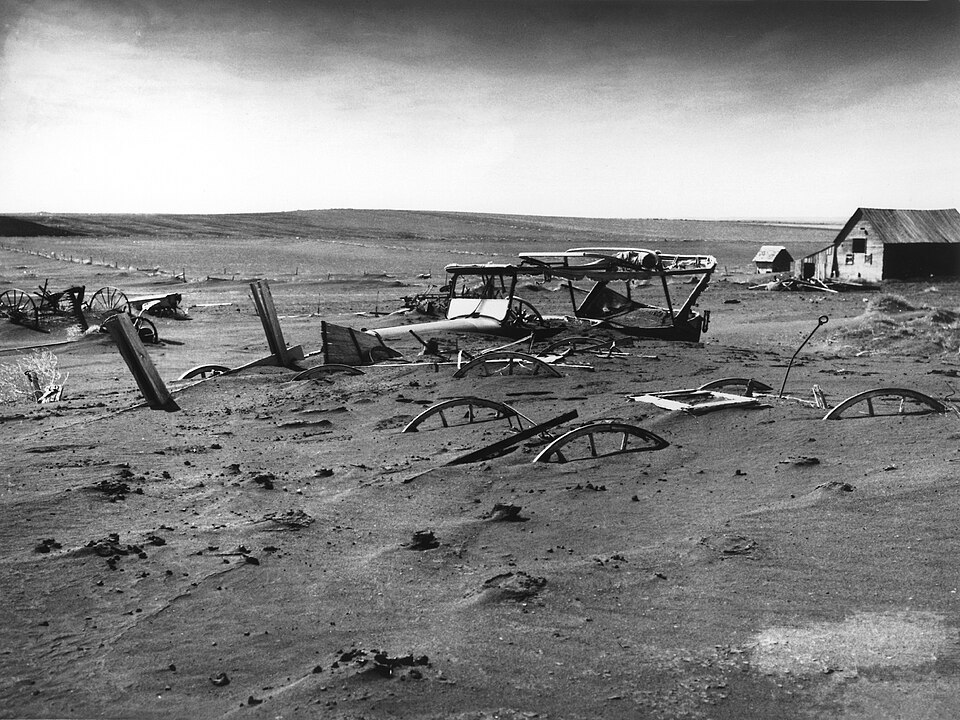
During the 1930s, severe drought and dust storms forced hundreds of thousands of families to leave the Great Plains, moving mainly to California in search of work and stability. Children can learn about the environmental and economic challenges these families faced and how natural disasters impact communities. Parents can focus on lessons of resilience, adaptability, and resourcefulness, showing how people rebuild even after losing everything. Children can explore how empathy and teamwork help families survive tough circumstances. Parents can highlight how these migrants contributed to new communities, agriculture, and labor movements, teaching children the importance of collaboration and determination. Learning about the Dust Bowl migration shows that challenges, when faced together, can lead to strength and innovation.
4. European Immigrant Waves (Late 19th–Early 20th Century)
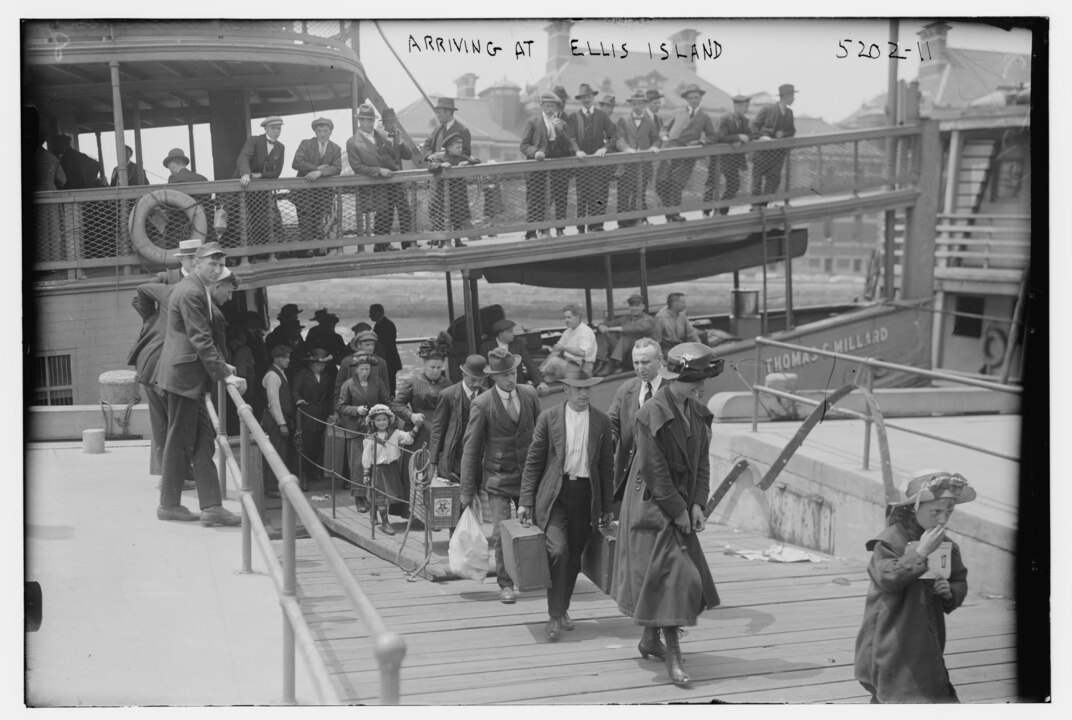
Millions of immigrants arrived from Europe seeking opportunity, safety, and a new life in America. Families often traveled in difficult conditions and faced language barriers, cultural differences, and discrimination. Parents can emphasize courage, ambition, and the determination needed to start over in an unfamiliar place. Kids can relate by imagining leaving behind friends, pets, or familiar surroundings, which helps them develop empathy for newcomers. Discussion prompts like “What would you miss most if you moved far away?” spark meaningful conversations about change and adaptation. Parents can also point out how these immigrants shaped American culture, neighborhoods, and food traditions, showing children that diversity strengthens society. Teaching European immigration stories reinforces the values of courage, perseverance, and embracing new experiences while respecting others’ journeys.
5. The Westward Expansion (1800s)
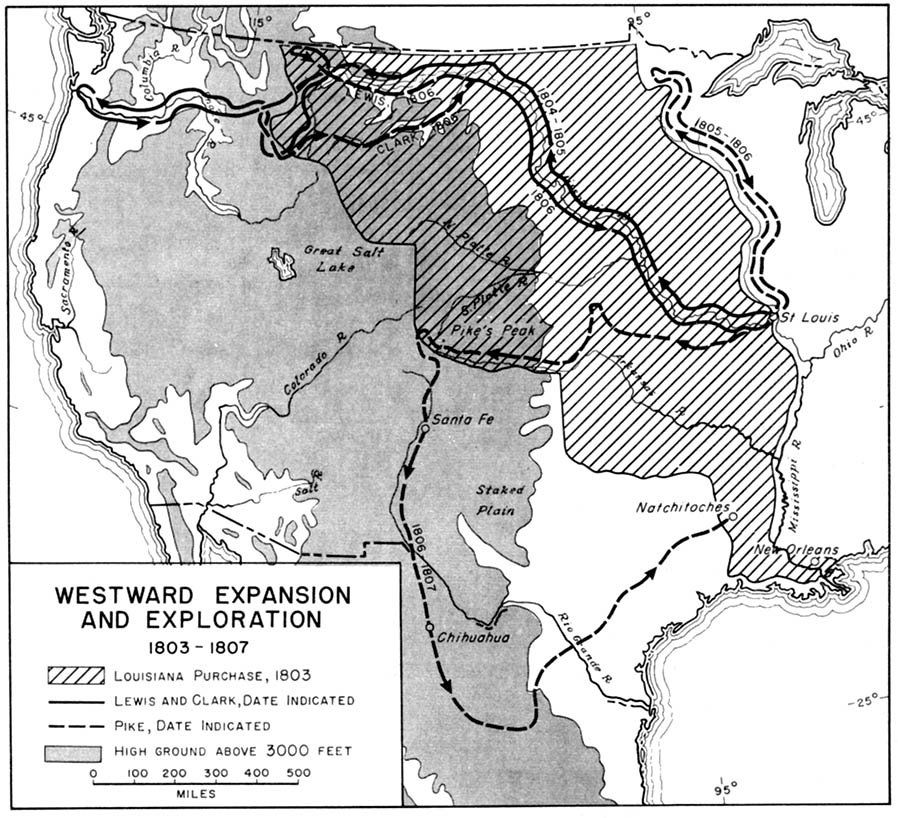
During the 19th century, families moved west to claim land, farm, or pursue opportunity, often facing long journeys, harsh conditions, and conflicts with Indigenous peoples. Parents can teach about exploration, resilience, and the consequences of expansion, including both opportunity and ethical challenges. Kids can imagine packing everything into a wagon and traveling for months, which makes the struggles tangible. Parents explain how families adapted to new landscapes, weather, and isolation, teaching problem-solving and creativity. This migration helps children understand how ambition, courage, and planning shaped the growth of the United States. Learning about westward expansion provides insight into both the rewards and responsibilities of pursuing big goals.