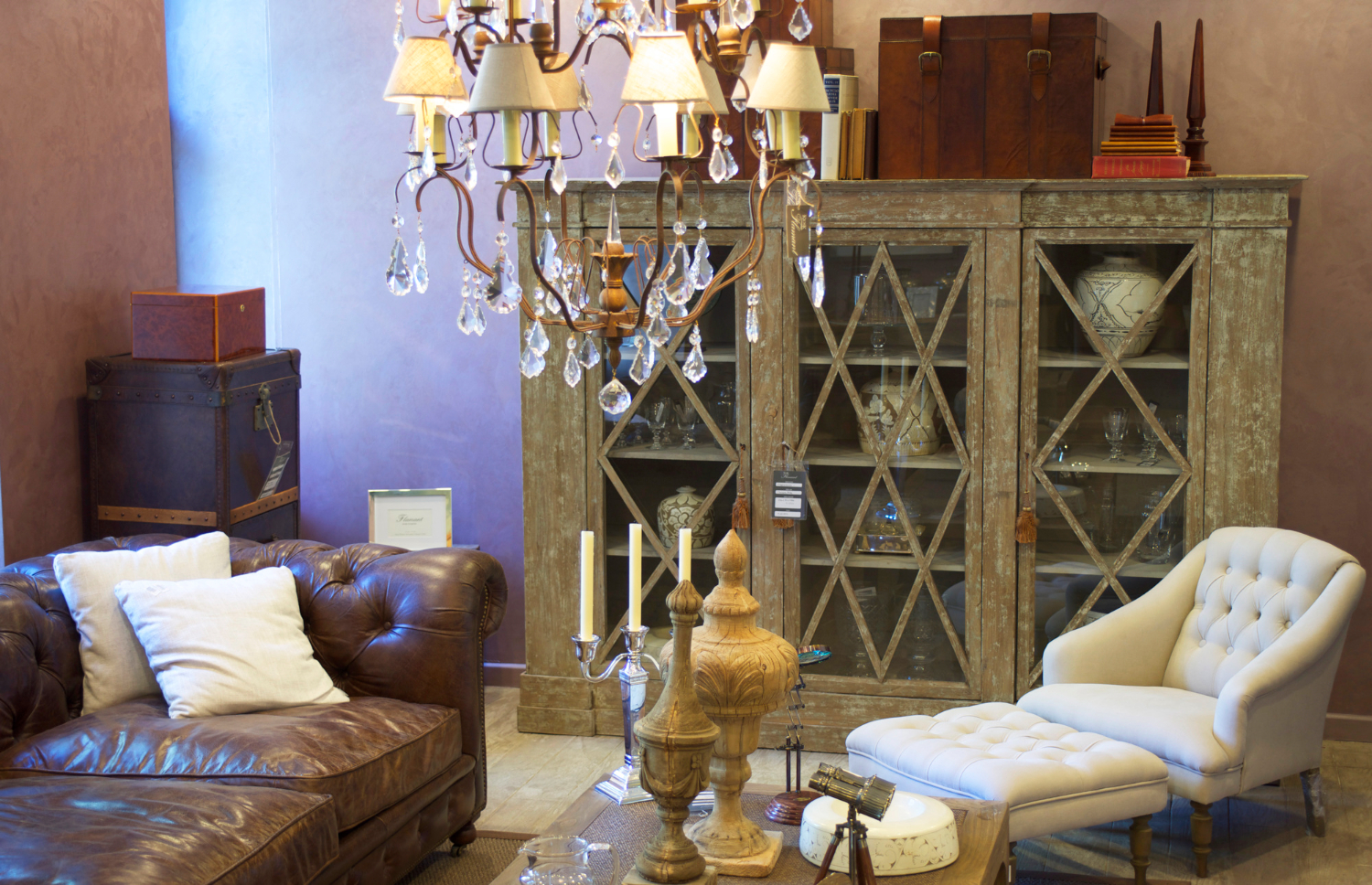
Trends come and go faster than paint colors on Pinterest. One year it’s all about boucle sofas, the next it’s limewash walls and scalloped edges. But some home styles quietly outlast every trend cycle. They evolve, adapt, and remain beautiful decade after decade, never feeling dated, never trying too hard. If you’re designing (or redesigning) a home and want something that still feels right 20 years from now, these five timeless home styles are your safest, and smartest, bet. These styles balance elegance, functionality, and comfort, making them practical for daily living. They also offer flexibility, allowing personal touches to shine without overwhelming the design. Choosing a timeless style can save you money and stress in the long run. Most importantly, they create spaces that feel welcoming and enduring for every generation.
Classic Traditional
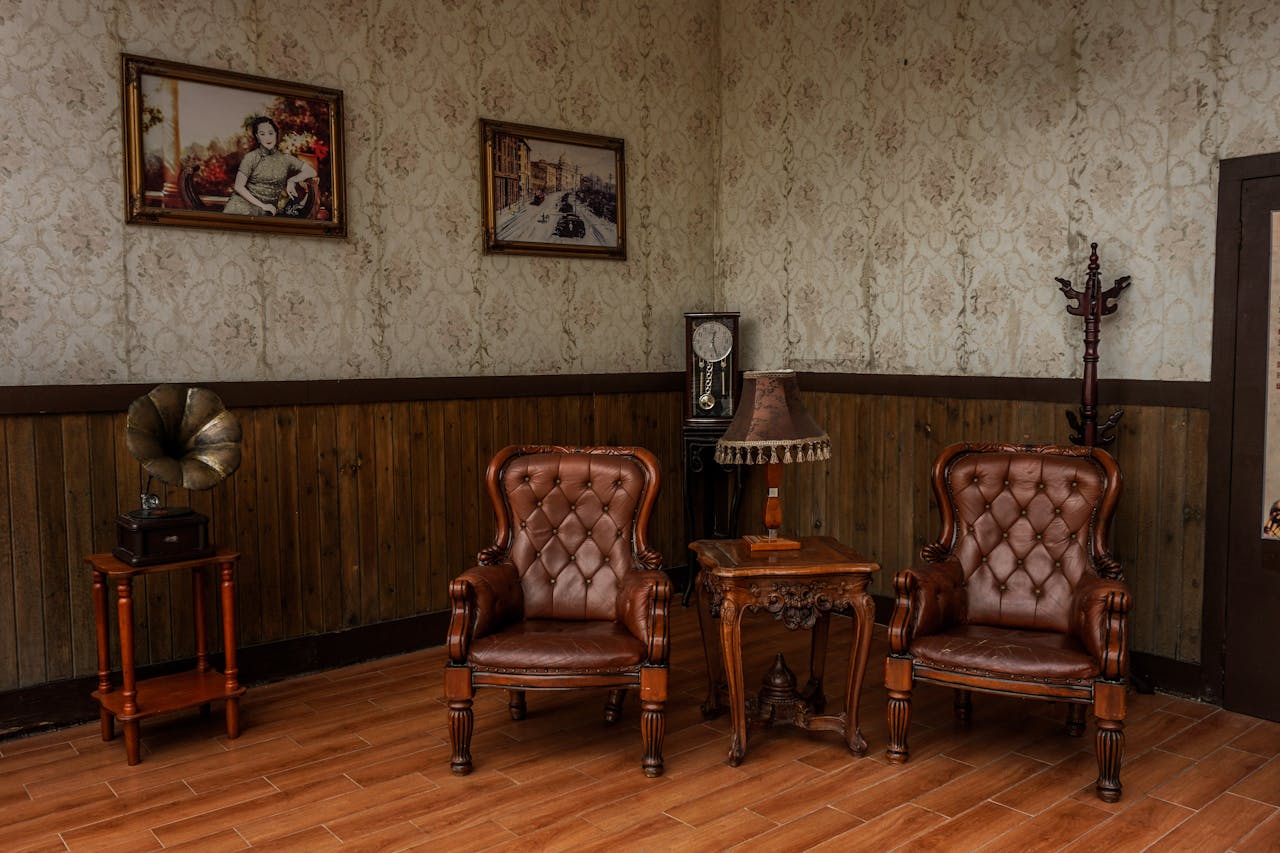
Classic traditional homes remain timeless because they’re built on balance, proportion, and craftsmanship. This style favors architectural details like crown molding, paneling, and symmetrical layouts. Furniture tends to have elegant silhouettes rather than trendy shapes. Neutral palettes layered with warm tones keep spaces inviting year after year. Quality materials such as wood, stone, and linen age beautifully instead of wearing out visually. Traditional interiors adapt easily to subtle updates without losing their core identity. You can swap accessories or lighting while the foundation stays relevant. That quiet flexibility is what gives this style its lasting power.
Modern Farmhouse
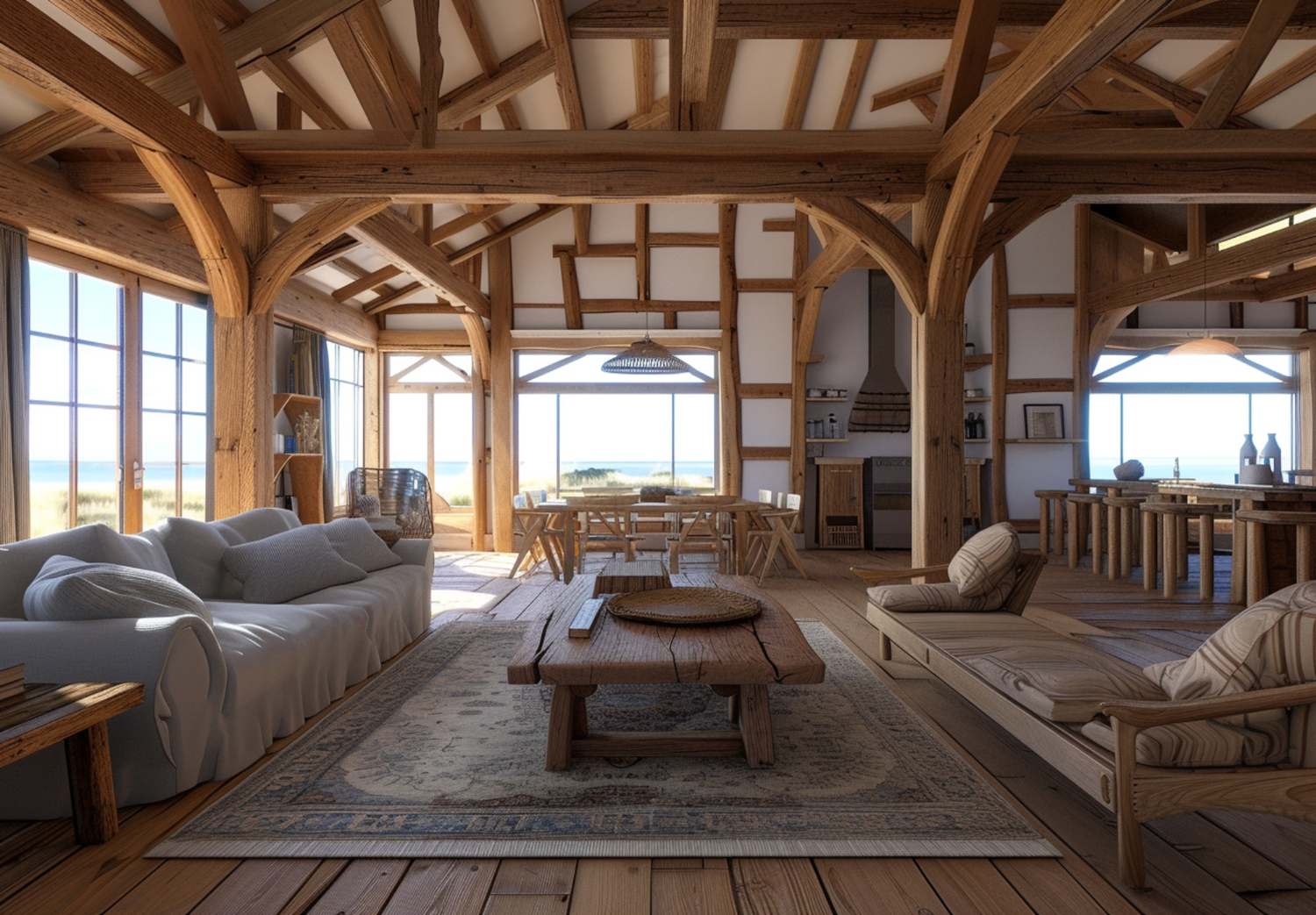
Modern farmhouse endures by blending comfort with simplicity in a way that feels endlessly livable. Clean lines keep it from feeling dated, while rustic touches add warmth. Natural materials like wood, brick, and metal ground the space. The color palette stays mostly neutral, making it easy to refresh over time. Open layouts encourage connection and practicality. Functional furniture prioritizes real life over show. Small updates can shift the mood without changing the bones. Its honesty and ease are what keep it timeless.
Mid-Century Modern
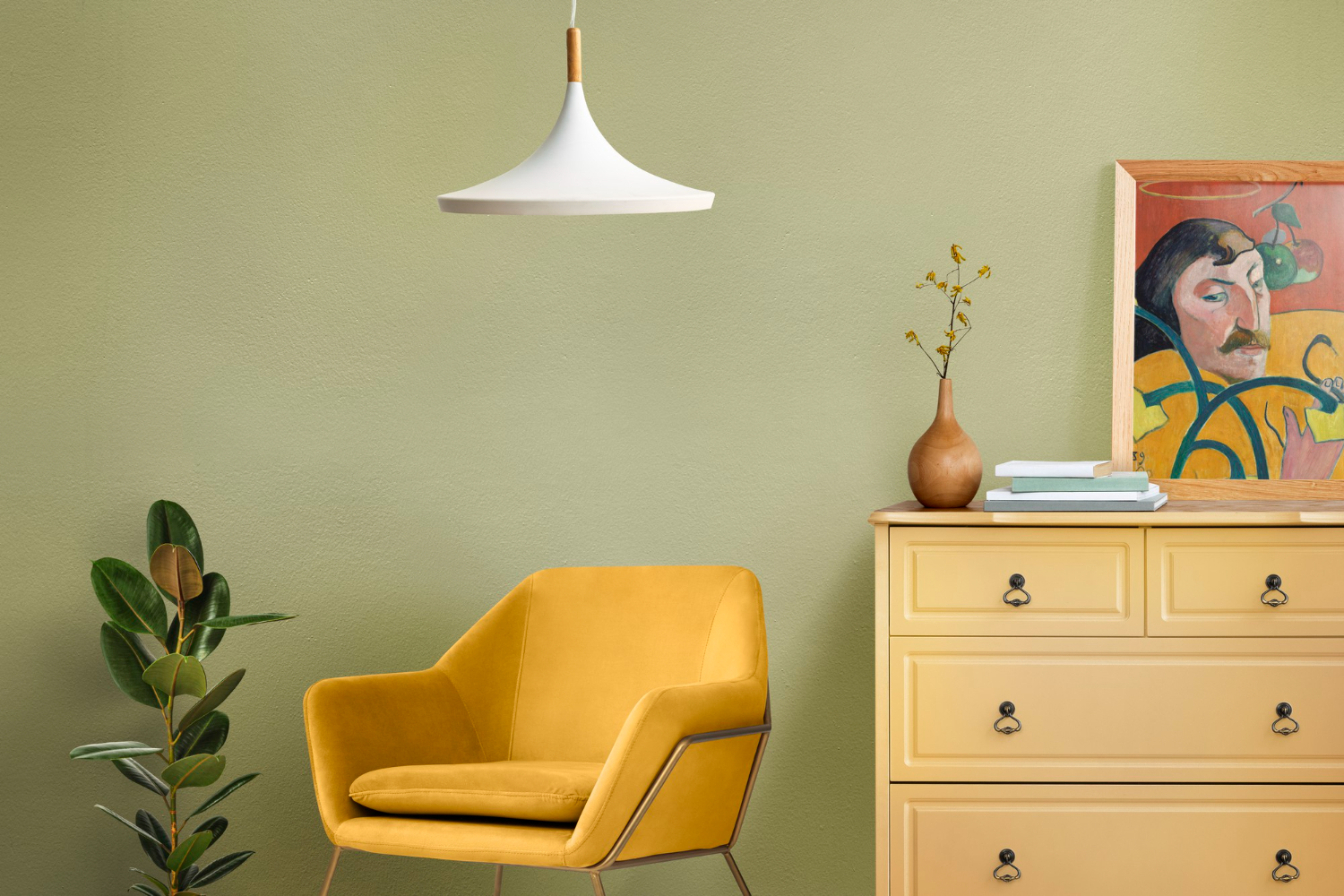
Mid-century modern continues to thrive because its design is rooted in function and clarity. Clean lines and organic shapes create visual harmony without excess. Furniture is purposeful, not decorative for decoration’s sake. Wood tones and simple finishes feel natural and grounding. Large windows and open plans keep spaces light and airy. This style pairs well with both vintage and contemporary pieces. It adapts easily to new color trends without losing its identity. That balance of form and function never goes out of style. Statement lighting and iconic furniture pieces add character without clutter. Thoughtful integration of indoor and outdoor spaces enhances its timeless appeal.
Coastal
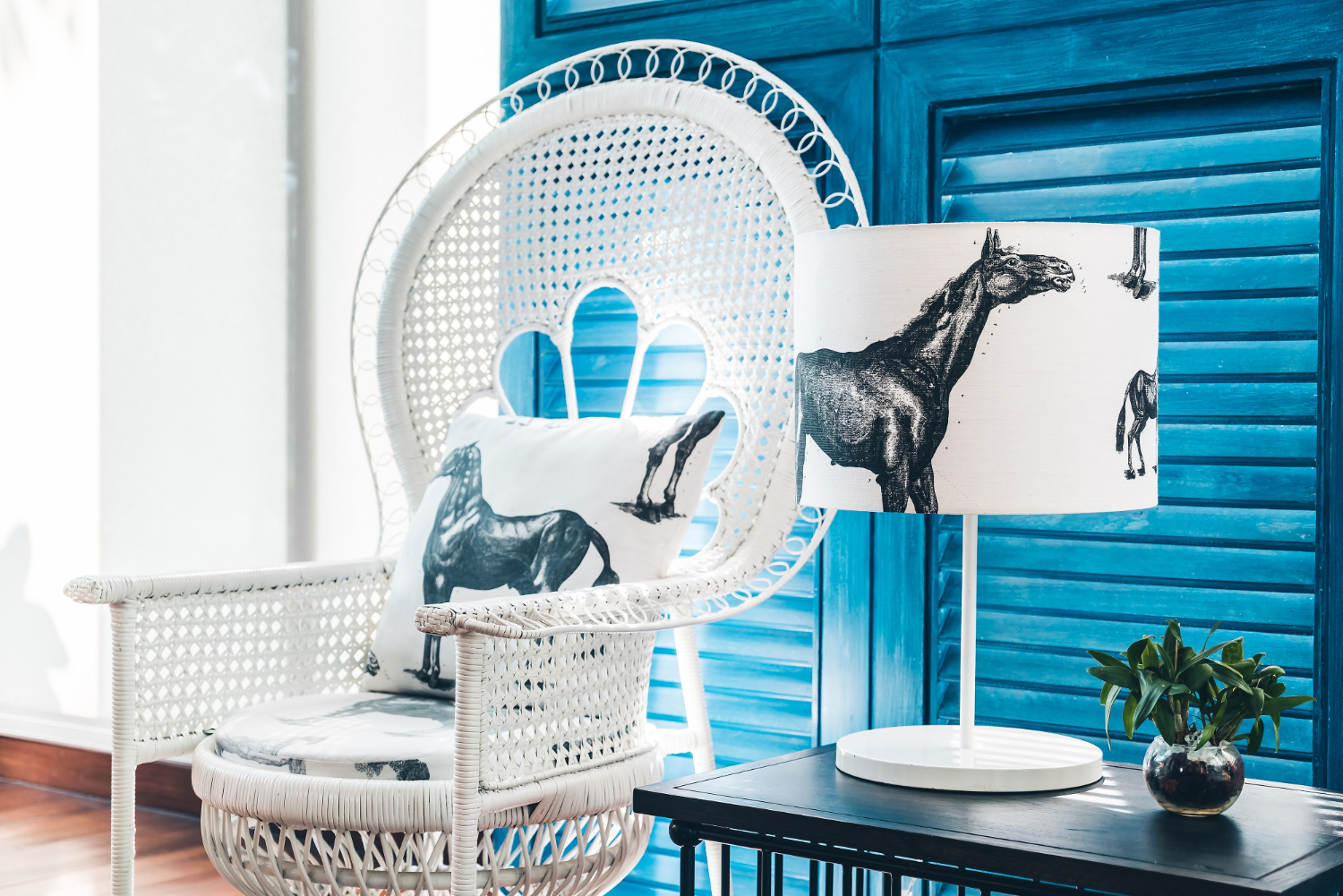
Coastal style lasts because it focuses on light, ease, and natural elements rather than themes. Soft color palettes create calm without feeling flat. Linen, cotton, and wood add texture without visual clutter. Spaces feel relaxed but still thoughtfully designed. Natural light plays a central role in the overall look. Furniture favors comfort and clean silhouettes. Coastal interiors can lean casual or refined depending on details. Its timeless appeal comes from simplicity and restraint. Nautical accents, like shells or driftwood, can be added subtly to maintain charm. Open layouts encourage breezy, inviting spaces perfect for gatherings. This style also pairs beautifully with greenery, bringing the outdoors in effortlessly.
Minimalist
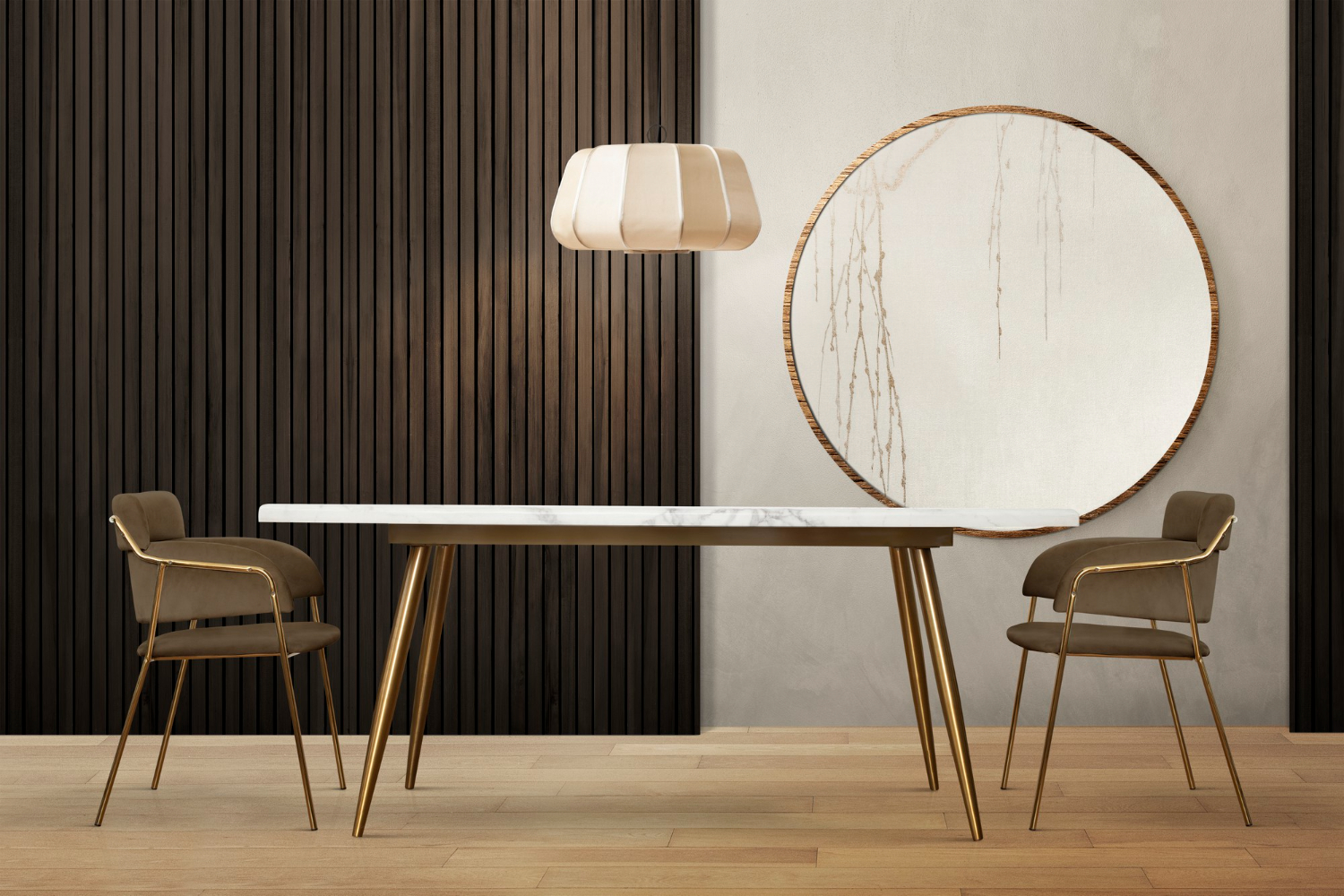
Minimalist homes stand the test of time by refusing excess from the start. Clean lines and open spaces create clarity and calm. Neutral colors allow the architecture to shine. Every piece serves a purpose, reducing visual noise. Quality matters more than quantity in this style. Minimalism evolves easily with subtle changes in texture or form. It avoids trend fatigue by staying intentional. That focus on simplicity is what keeps it forever relevant. Minimalist spaces also encourage mindfulness, helping occupants feel centered and relaxed. Natural light plays a key role, enhancing openness and serenity. With fewer distractions, minimalist homes highlight the beauty of thoughtful design.