
Modern grocery shopping has evolved far beyond simply filling the pantry. Convenience is king, and Americans often pay a premium for it without realizing the cumulative cost. From pre-cut produce to single-serve meals, small habits can quietly add up. Families seeking time savings frequently sacrifice both money and nutritional quality. Understanding these habits and their financial impact is essential for households looking to reclaim control over food budgets and spending patterns. Research from the Journal of Nutrition Education and Behavior shows that families who plan meals ahead spend up to 20 percent less on groceries while improving dietary quality. While the upfront time investment may seem inconvenient, the long-term savings and nutritional benefits are significant. Prepping at home provides control over cost, portion size, and ingredients.
1. Pre-Cut Fruits and Vegetables

Buying pre-cut fruits and vegetables offers undeniable convenience. Sliced apples, bagged carrots, and diced onions save preparation time but come with a hefty markup. According to the USDA Economic Research Service, pre-cut produce can cost 30–50 percent more than whole items, sometimes adding hundreds of dollars annually for families. Packaging and processing fees are built into the price. While convenient, these options often provide less shelf life and may lead to more waste. Batch cooking and weekly meal prep have grown popular among cost-conscious households. Preparing ingredients or meals in advance reduces the need for expensive ready-to-eat options.
2. Single-Serve and Snack Packs

Individual snack packs, yogurt cups, and portioned cheese slices are designed for grab-and-go lifestyles. Nielsen data shows that families spend an estimated $250–$400 per year on single-serve items that could be purchased in bulk for far less. While they prevent over-snacking in theory, the convenience premium compounds quickly. Parents report that the ease of single-serve packaging saves time but erodes household budgets. Switching to bulk containers can provide cost savings without sacrificing convenience. The appeal of convenience is often justified by time savings. Busy schedules, childcare, and work commitments make pre-packaged items appealing. However, financial experts highlight the importance of evaluating the cost-per-minute saved. A study from the American Institute of Certified Public Accountants found that many families overestimate time saved by purchasing convenience products. In reality, preparing meals at home may take slightly longer but results in hundreds of dollars of annual savings, reinforcing the need to balance time and budget considerations.
3. Pre-Marinated and Ready-to-Cook Proteins
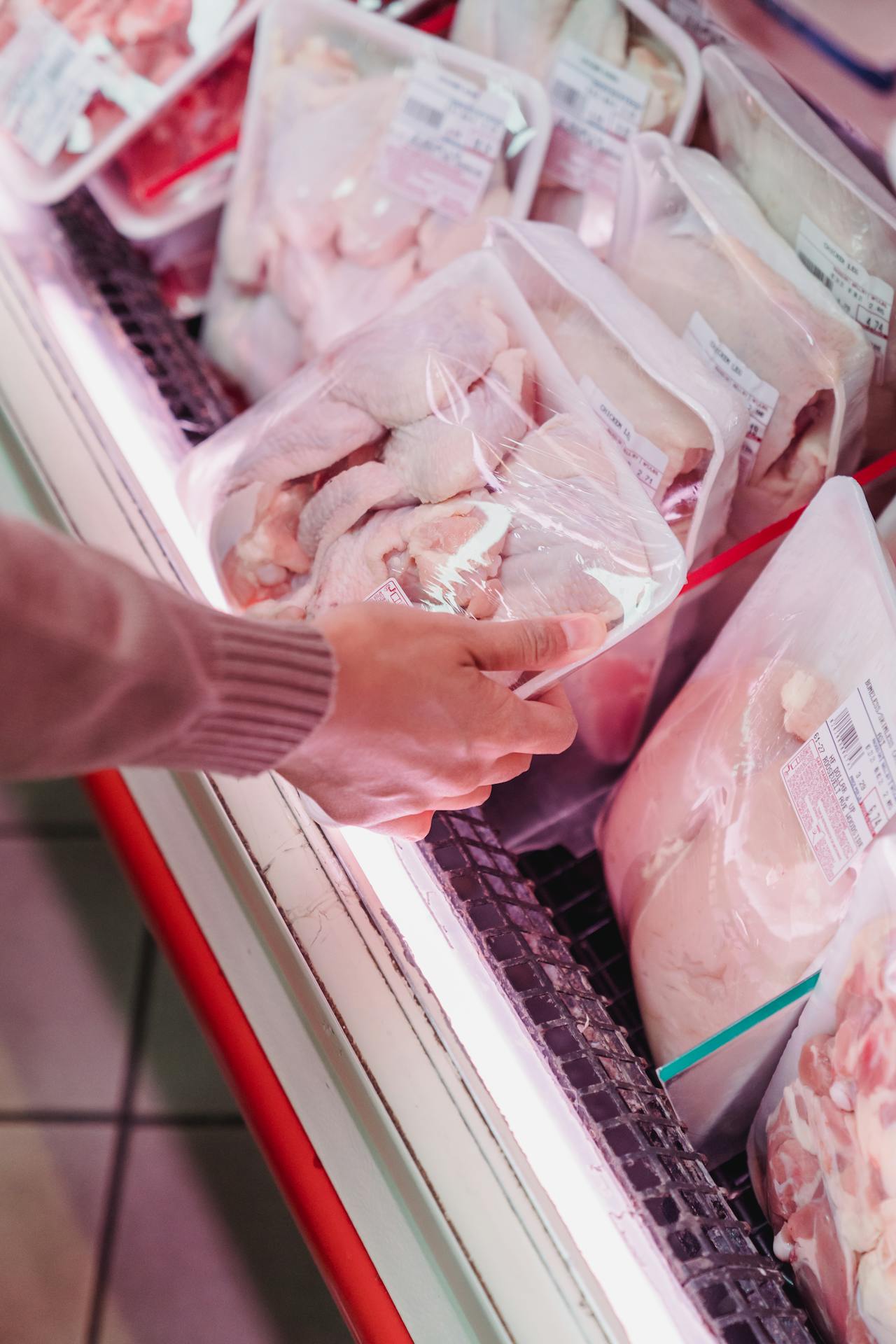
Chicken breasts, beef strips, and tofu often come pre-marinated or seasoned, ready for the pan or oven. According to a 2023 USDA report, pre-marinated meats cost roughly 25–35 percent more per pound than unseasoned alternatives. Many families purchase them to save prep time, especially on busy weeknights. However, bulk purchases and home seasoning often replicate the flavor at a fraction of the cost. Small savings per meal add up to significant annual household expenditures. Families can adopt several strategies to reduce costs without losing convenience entirely. Buying in bulk, prepping ingredients at home, and using frozen or seasonal produce reduces both cost and waste. Meal planning ensures ingredients are fully utilized, minimizing overspending and spoilage. Even small changes, such as seasoning raw proteins at home or portioning snacks manually, can have an immediate financial impact. Awareness of habitual convenience spending is the first step toward smarter grocery management.
4. Prepared Meals and Heat-and-Eat Options
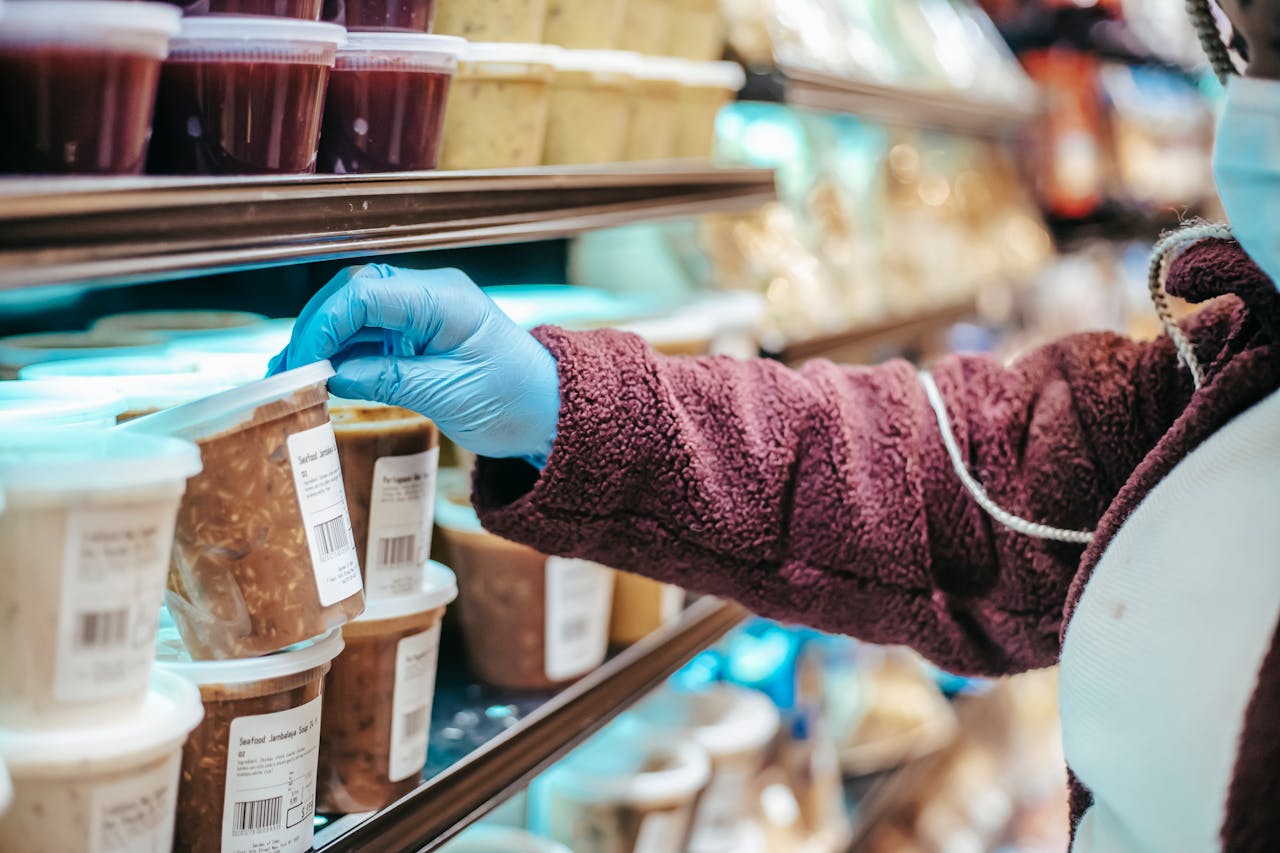
Frozen dinners, pre-cooked pasta, and microwavable entrees are popular for convenience and time management. The Food Marketing Institute reports that ready-to-eat and prepared meals comprise approximately 20 percent of U.S. grocery revenue. Families can spend upwards of $500 annually on these products compared to cooking from scratch. While convenient, the cost per serving is considerably higher than homemade equivalents. Overreliance on prepared meals may also affect nutrition quality, making homemade options both cheaper and healthier. Beyond financial impact, convenience foods often have nutritional trade-offs. Pre-packaged items may contain preservatives, added sodium, or sugar to extend shelf life or enhance flavor. The Harvard T.H. Chan School of Public Health notes that processed convenience items frequently contain more sodium and fewer fresh nutrients than home-prepared meals. Over time, families may unknowingly compromise health while paying a premium for ease. Cooking from scratch can be both healthier and more economical.
5. Delivery and Subscription Services

Grocery delivery and subscription services have grown dramatically, especially post-pandemic. DoorDash, Instacart, and Amazon Fresh now account for a significant portion of grocery purchases. According to Statista, convenience fees and service charges can add 10–15 percent to each order. For a family that spends $200 per week on groceries, that translates to hundreds of dollars in additional costs annually. Many households underestimate the cumulative effect of delivery fees, tips, and service premiums. While convenient, this habit comes with hidden financial consequences.Each of these convenience habits seems minor on its own. A single pre-cut vegetable or microwavable meal may cost only a few extra dollars. But when repeated multiple times weekly, the costs quickly accumulate. Families who rely heavily on convenience items can spend hundreds, or even over a thousand dollars more each year than those who use bulk, whole, or homemade alternatives. Small behavioral changes, like chopping produce ahead of time or buying in larger quantities, can offset these hidden expenses.