The Wild West may be long gone, yet it remains alive in the American imagination. It represents a time that feels untamed, bold, and filled with possibility. For many people the frontier era symbolizes grit, bravery, and freedom in its rawest form. Even today stories of cowboys, dusty towns, and wide open landscapes continue to shape how Americans view independence and adventure. The Wild West acts like a cultural anchor that fuels nostalgia, influences entertainment, and inspires people to imagine a life where rules could be bent and opportunity seemed unlimited.
The Myth Of Rugged Individualism
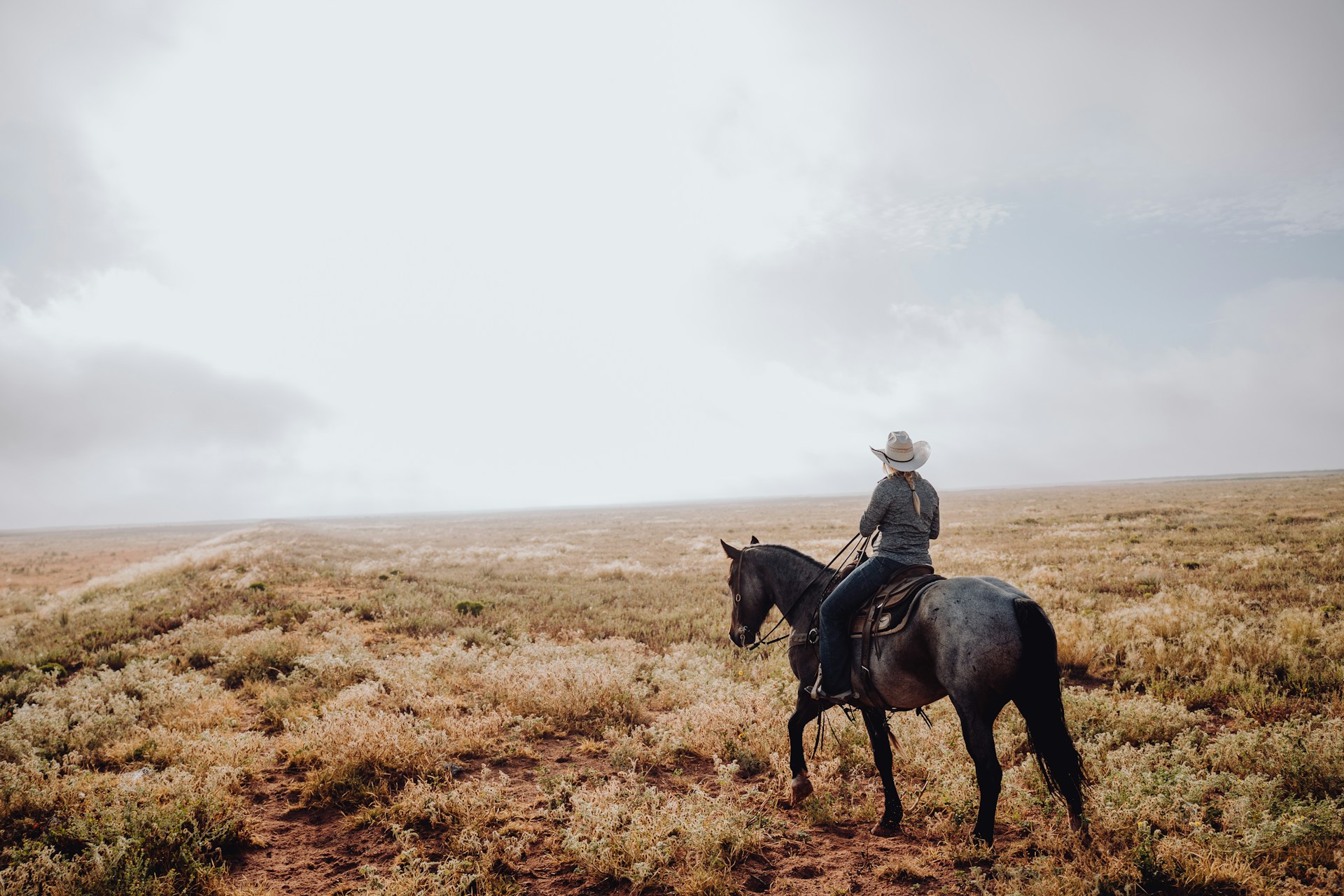
The Wild West helped solidify the idea that a person could rely on themselves and carve out a place in the world through pure determination. Americans admire characters who make their own rules and solve their own problems without waiting for permission. This myth fuels businesses, road trips, and even personal identity. People romanticize life without red tape or interference. Though the reality of frontier life was far harsher, the image of rugged individualism lives on as a core part of the national personality. It reflects the belief that anyone can build a future through effort and courage.
Cowboys And Frontier Hero Culture
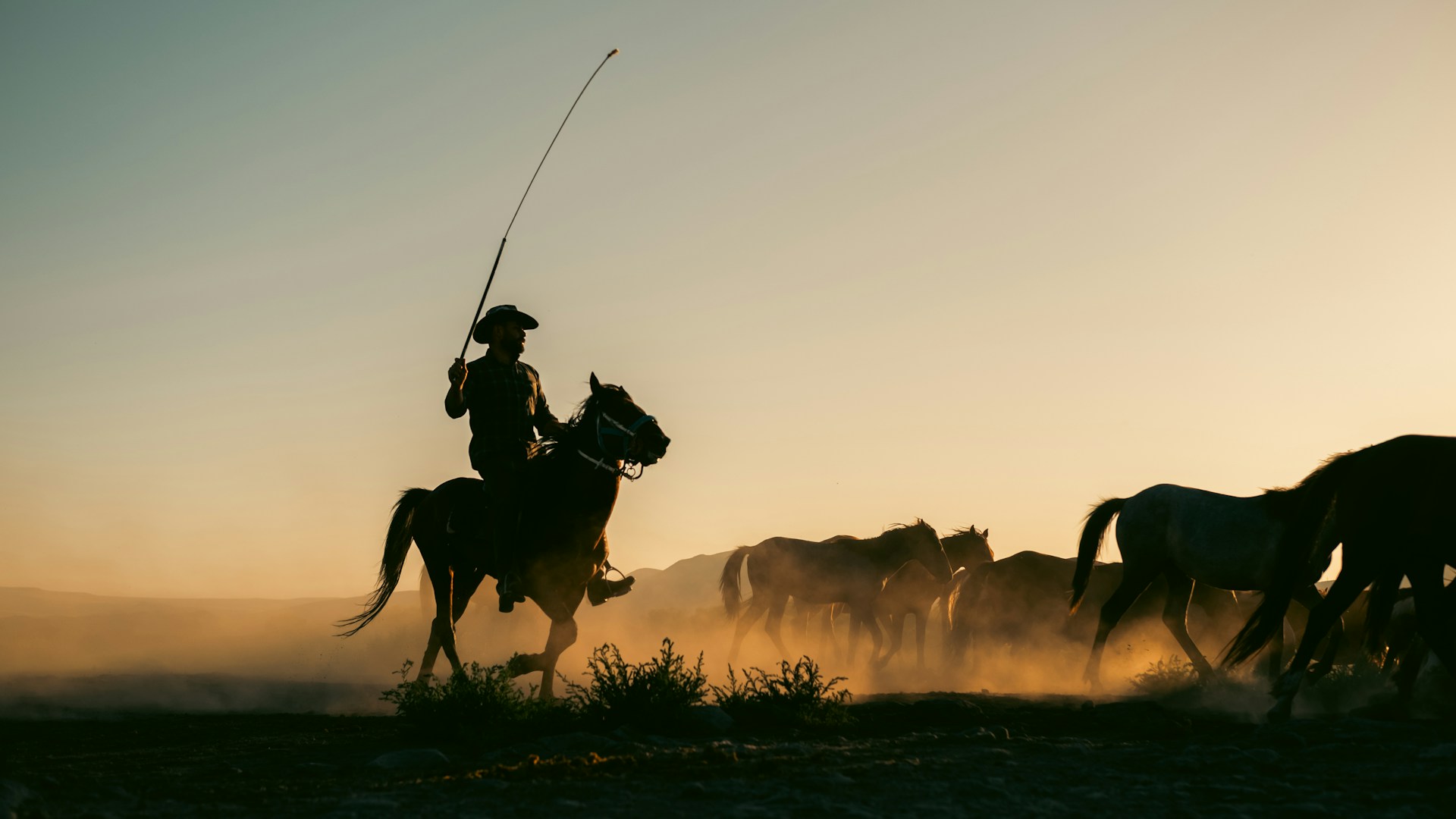
The cowboy remains one of the most recognizable figures in American history. He is rebellious, loyal, and independent, a symbol of adventure and responsibility. Movies, books, toys, and rodeos continue to celebrate this larger than life hero. Many Americans still see the cowboy as proof that toughness and kindness can exist together. The frontier hero stands up for what is right, protects others, and faces danger without hesitation. These values create nostalgia for a world where character mattered more than status. The cowboy myth endures because it represents qualities people still want in modern life.
Romanticized Freedom And Open Land
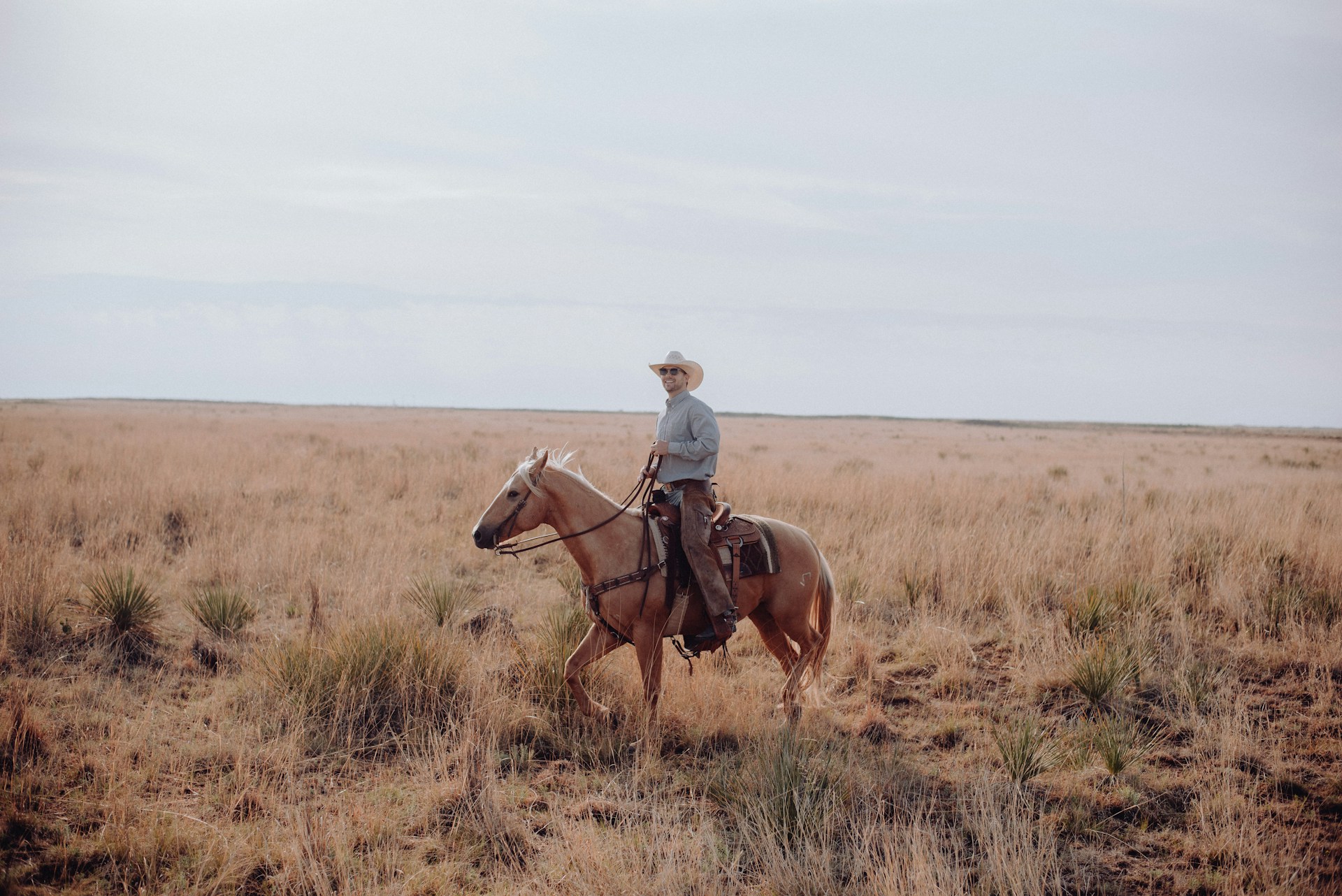
The Wild West offered vast landscapes and the idea of endless space. Americans still love the thought of driving for miles without fences, neighbors, or limits. This connection to land feels emotional rather than historical. It inspires camping trips, road adventures, and a desire to escape crowded cities. Even though most of the frontier is gone, the dream of wide open horizons remains. It promises a life where choices feel bigger and worries feel smaller. The fascination continues because it reflects a longing to break away from routine and discover something untouched and personal.
The Gold Rush And The Dream Of Sudden Wealth
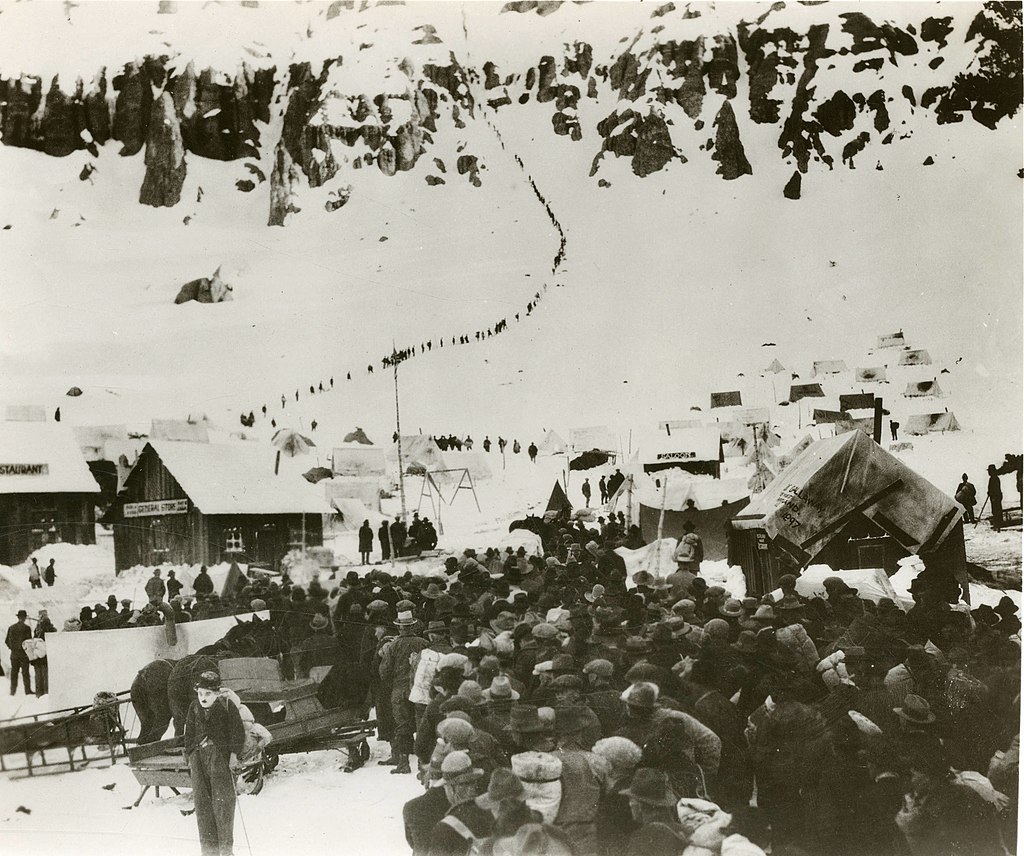
The Gold Rush created a belief that fortune could appear overnight for anyone bold enough to chase it. That idea still influences American culture. Lottery tickets, start up companies, and online success stories echo the same excitement. The notion that a single decision could transform an ordinary person into someone extraordinary keeps the Wild West alive in memory. It is not the gold itself but the possibility that fuels imagination. Americans love the rush that comes from risk and opportunity, even when the odds are small. This dream remains part of the national story.
Western Movies Rodeos And Cultural Identity
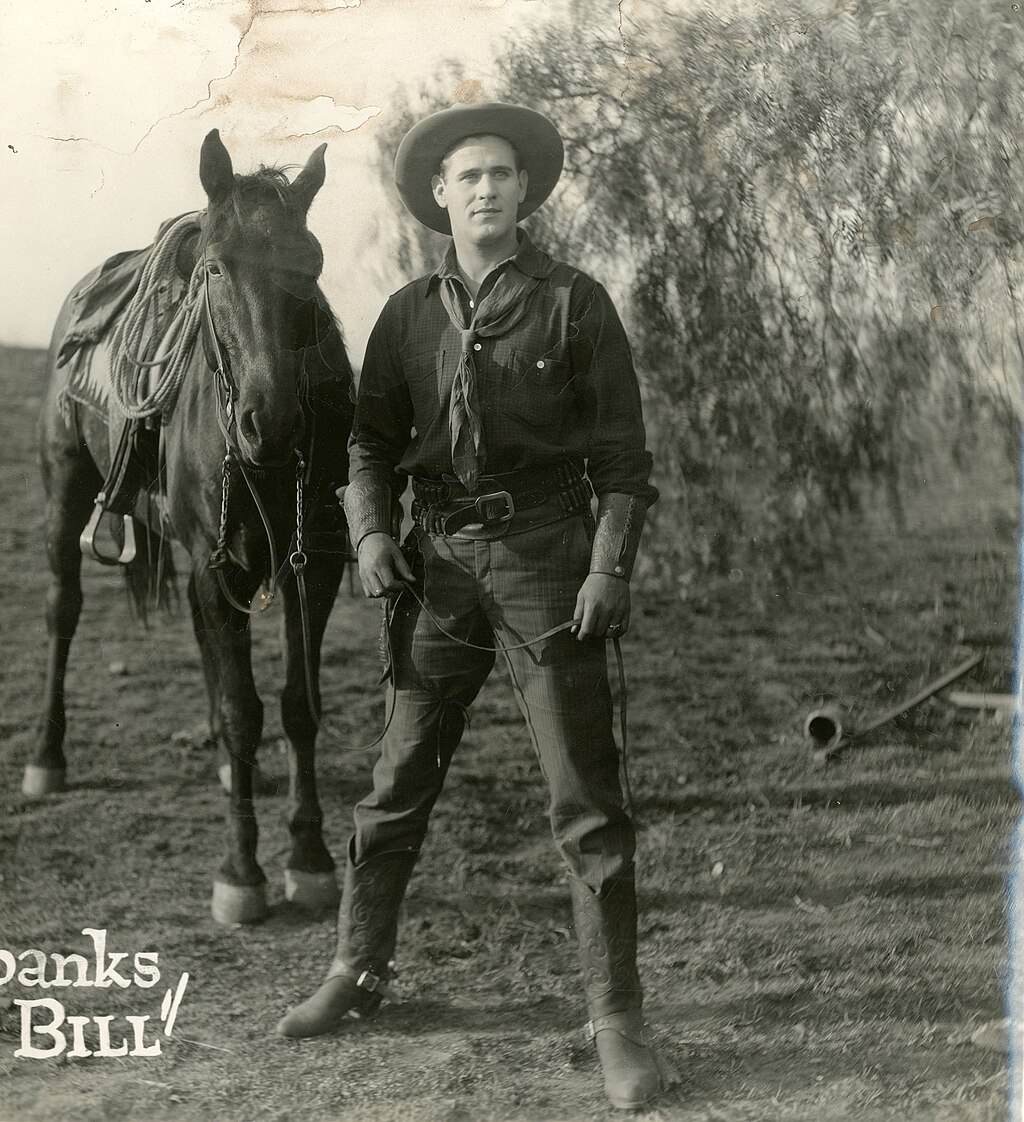
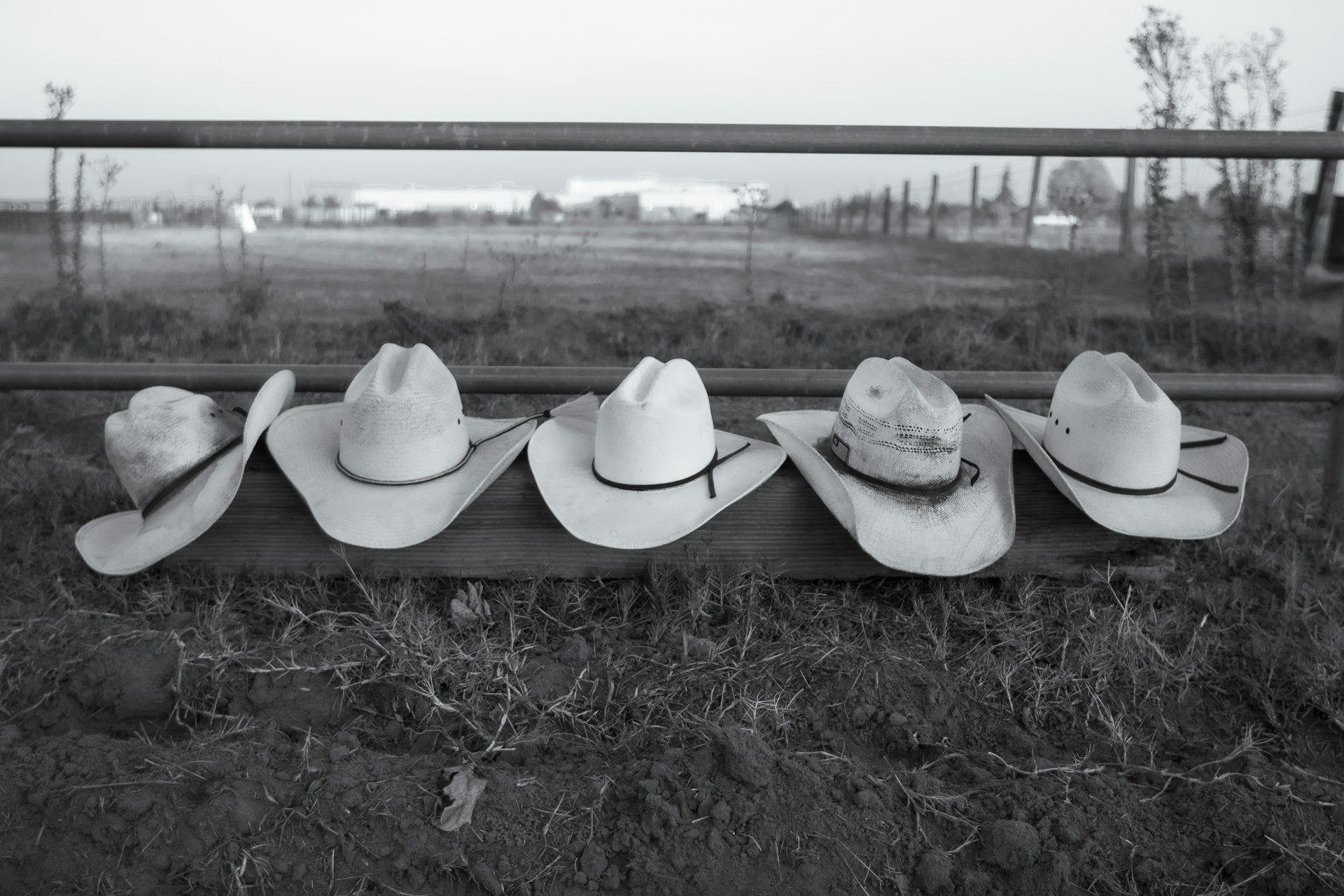
Countless films, television shows, and festivals keep the Wild West visible. Rodeos, boots, hats, and western music continue to shape regional identities. Pop culture has turned frontier legends into symbols of courage and defiance. Whether through family traditions, collectibles, or travel to old western towns, Americans hold on to a past that feels exciting and heroic. These cultural reminders allow people to participate in history without living it. The Wild West survives because its symbols still inspire pride, nostalgia, and a connection to something uniquely American.
The Wild West captures something that modern life struggles to replace. It represents freedom that feels bigger than rules and heroes that feel larger than life. While the real frontier was complicated and often harsh, the version Americans keep is idealistic and thrilling. That fantasy gives people a sense of identity rooted in courage, curiosity, and possibility. As long as Americans crave independence and adventure, the Wild West will remain more than a chapter in history. It will continue as a living part of how people picture themselves and the nation they call home.
EXCERPT: The Wild West endures in American culture because it symbolizes freedom, grit, adventure, and the dream of shaping life on ones own terms.