
Parenting continues to evolve each year as families adjust to social changes, new technology, and shifting attitudes around childhood development. In 2026, parents are leaning toward trends that support emotional intelligence, autonomy, and balanced discipline while moving away from overly restrictive or outdated methods. These shifts reflect growing research in psychology and a desire to help children become resilient, confident, and thoughtful individuals. At the same time, several trends once popular online are being reconsidered due to concerns about practicality and long-term effects. Here are the parenting approaches gaining momentum this year—and the ones many families are leaving behind.
Parents Are Embracing: Slow Childhood

Slow childhood encourages families to reduce overscheduling and give kids more unstructured time for play, creativity, and rest. Parents are finding that children benefit from less pressure and more opportunity to explore interests at their own pace. Research on child development shows that free play is essential for problem-solving and emotional well-being. This trend supports focusing on presence rather than productivity, emphasizing connection over constant activity. Families are discovering that a calmer lifestyle helps kids thrive socially and academically.
Parents Are Embracing: Digital-Emotional Balance

Instead of banning technology entirely, parents in 2026 are focusing on balancing screens with emotional awareness and responsible use. This includes discussing digital behavior, setting collaborative boundaries, and encouraging mindfulness around online interactions. Families recognize that technology is part of modern life, and teaching healthy habits is more sustainable than strict control. Parents are adopting tools and apps that promote safe browsing and help kids self-regulate. This approach creates a healthier relationship with digital spaces.
Parents Are Embracing: Collaborative Discipline
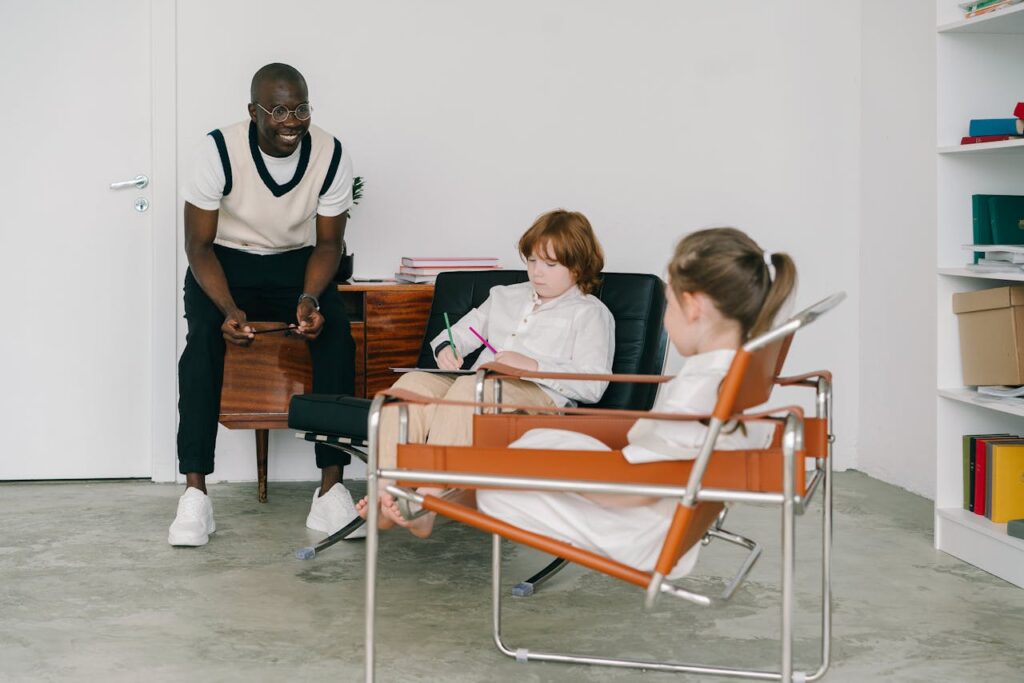
Collaborative discipline uses communication, empathy, and teamwork to solve conflicts rather than punishment alone. Parents work with children to understand emotions, identify solutions, and build accountability. This technique draws from research in positive discipline and cognitive development, emphasizing learning over fear. It helps children develop decision-making skills and emotional maturity. Families appreciate how this method fosters trust and reduces power struggles.
Parents Are Loving: Community-Based Parenting
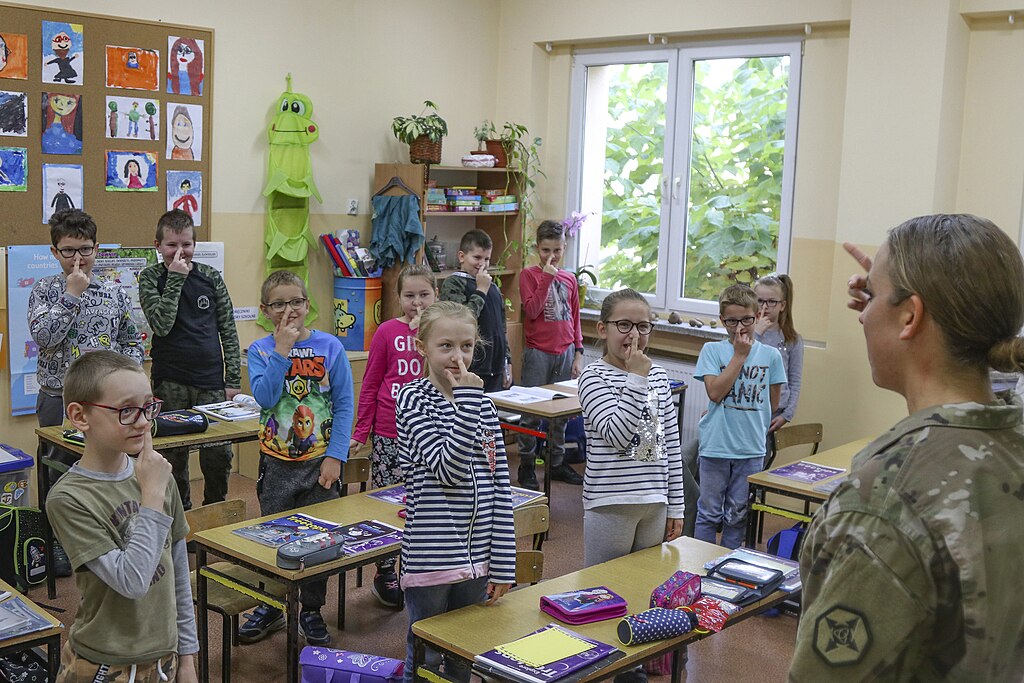
More families are returning to community-centered parenting, forming support networks with neighbors, friends, and other parents. This trend offers shared childcare, emotional support, and a sense of collective responsibility reminiscent of earlier generations. Studies show that community involvement strengthens resilience and reduces burnout among parents. Children benefit from interacting with multiple trusted adults who model cooperation and empathy. Community-based parenting is becoming especially valuable for working families.
Parents Are Embracing: Experience-Based Learning

Experience-based learning focuses on hands-on exploration through field trips, nature activities, and real-world problem-solving. Parents appreciate how this method builds curiosity, independence, and practical skills. It aligns with research showing that experiential learning improves memory retention and critical thinking. Families incorporate more outdoor experiences to balance academic pressure and screen time. This trend supports raising confident, capable children ready for future challenges.
5 Emerging 2026 Parenting Trends Parents Are Ditching

Parenting in the modern era is increasingly about balancing abundant information, busy schedules, and diverse family values. As trends shift, many parents seek approaches that prioritize real connection, adaptability, and well-being over rigid rules. The conversation around parenting now often centers on tailoring strategies to each child’s unique temperament, interests, and cultural context, while navigating the pressures of technology, social expectations, and an ever-changing world. This evolving landscape invites reflection on what truly supports healthy development, resilience, and family harmony.
Parents Are Ditching Over-Scheduling Kids

The intense extracurricular culture of the early 2000s and 2010s is declining as families prioritize well-being over packed calendars. Many parents now recognize that constant busyness contributes to anxiety, stress, and burnout in children. Researchers emphasize the importance of downtime in developing creativity and emotional regulation. Parents are choosing fewer but more meaningful activities. This shift reflects a desire for balance and healthier childhoods.
Parents Are Ditching: Sharenting

Parents are becoming more aware of the long-term privacy risks of sharing children’s lives online. Concerns include digital footprints, consent, and potential misuse of photos or information. As awareness grows, many families are stepping back from posting every milestone publicly. They choose private communication channels for sharing updates with close relatives. This move supports children’s right to digital privacy.
Parents Are Leaving Behind: Helicopter Parenting

Helicopter parenting, once seen as protective, is now widely criticized for limiting children’s independence. Studies show that constant monitoring can hinder problem-solving skills and confidence. Parents are shifting toward more autonomy-supportive strategies, allowing children to take reasonable risks. This helps kids learn resilience and self-reliance. Families are realizing that supervised independence may be more beneficial than strict oversight.
Parents Are Dropping: Trend-Based Discipline

Discipline methods that go viral online are losing favor as parents seek evidence-based strategies instead. Many viral trends lack scientific support and can lead to inconsistent parenting. Families prefer reliable approaches grounded in developmental research and long-term outcomes. This shift encourages more intentional decision-making and less reliance on social media fads. Parents want discipline that truly supports growth.
Parents Are Ditching: Perfection Parenting

The pressure to appear flawless, online or offline, is declining as families value authenticity over curated appearances. Parents are embracing imperfection and acknowledging that mistakes are part of learning. This helps reduce emotional stress and creates a healthier environment for both children and adults. Families recognize that realistic expectations improve connection and happiness. The move away from perfection parenting encourages more supportive and compassionate family dynamics.