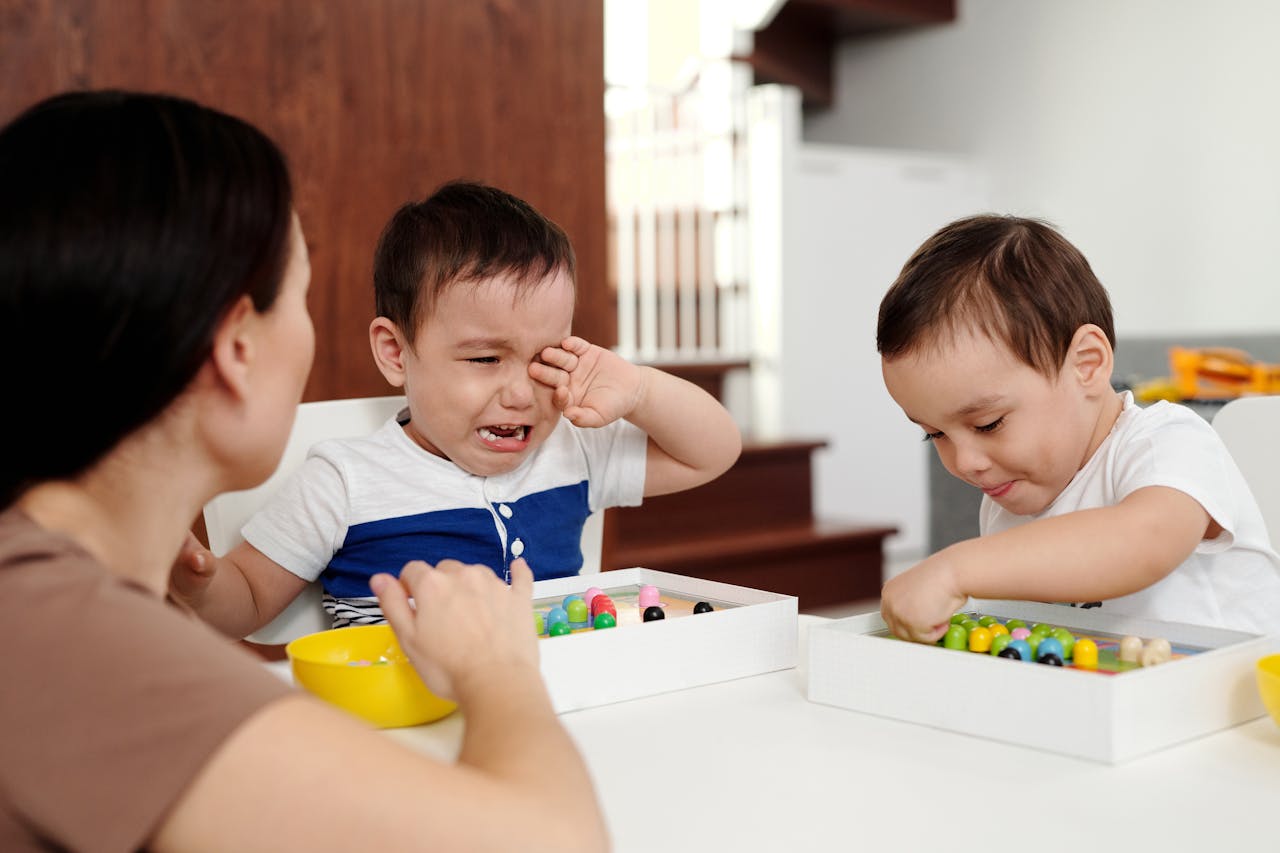
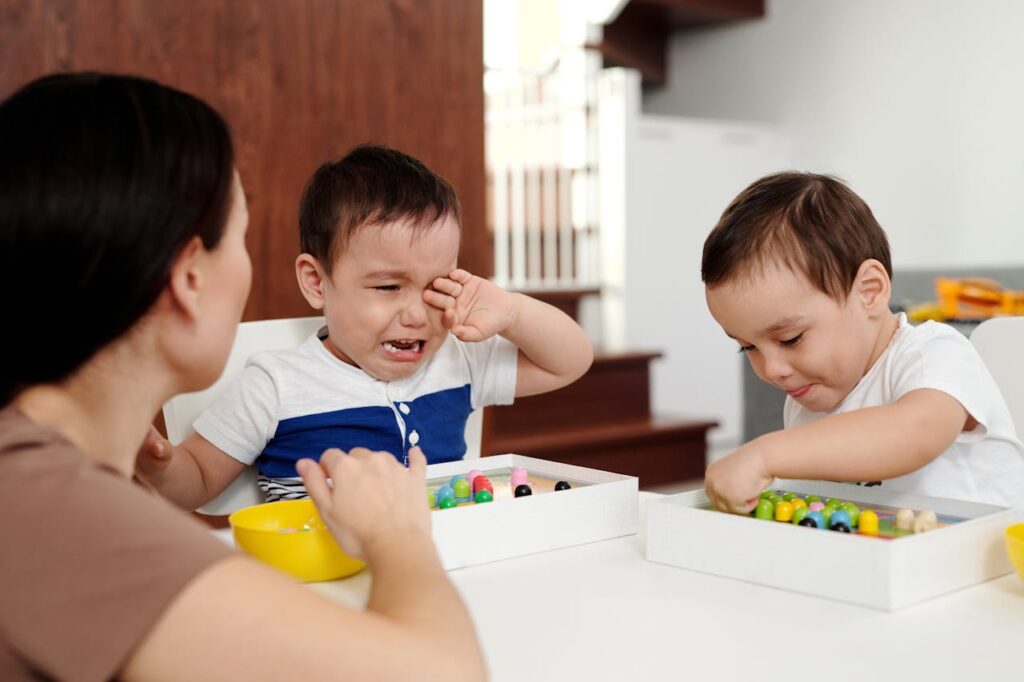
Raising a toddler can feel like juggling spaghetti while walking a tightrope—messy, unpredictable, and full of surprises. These little humans are growing fast, learning boundaries, and pushing buttons along the way. As a mom, it’s easy to feel unsure of what works and what doesn’t. But a few intentional “do’s” and mindful “don’ts” can make all the difference in building a strong, healthy bond with your toddler.
Don’t: Expect Perfect Behavior All the Time

Toddlers are still learning how to manage big feelings, impulses, and social cues. Expecting them to act like tiny adults will only lead to frustration for everyone. Meltdowns and messes are part of their developmental process. Instead of expecting perfection, aim for progress and patience. Growth takes time—and so does emotional regulation.
Don’t: Compare Your Toddler to Others

Every child grows at their own pace, and comparing milestones or behaviors with other kids can create unnecessary worry. What works for one child may not suit another, even in the same household. Trusting your toddler’s unique journey is far more helpful than measuring against others. Social media highlights don’t show the full picture. Focus on your child’s strengths and keep in touch with your pediatrician if you’re unsure.
Don’t: Overreact to Every Tantrum

It’s tempting to jump into action or scold a toddler during every emotional outburst. But overreacting can make things worse, escalating their emotions instead of helping them learn to calm down. Toddlers look to you for emotional cues, so staying grounded helps them feel safe. Offer empathy, not panic, when they lose it. Tantrums are a form of communication—not a sign you’re doing something wrong.
Don’t: Say “No” Without Explanation

Saying “no” constantly, without context, can lead to confusion and more resistance from your toddler. While boundaries are essential, toddlers also need to understand the reason behind them. A simple explanation can help them learn right from wrong and reduce power struggles. For example, instead of just “No hitting,” try “Hands are for helping, not hurting.” Clear guidance helps shape behavior better than constant rejection.
Don’t: Forget to Take Care of Yourself

Toddler parenting is intense, and it’s easy to forget your own needs while managing theirs. But running on empty doesn’t serve you—or your child—well. Skipping rest, connection, and self-care can lead to burnout. Taking breaks and asking for help is not only okay—it’s necessary. A healthier, more grounded mom creates a calmer home environment.
Do: Stay Consistent With Boundaries

Toddlers thrive on routine and structure, even if they push back against it. Consistency helps them feel safe and understand expectations. When rules are clear and enforced gently, toddlers are less likely to test them repeatedly. It’s okay to say no, but follow through in a calm, confident way. Predictable responses lead to fewer power struggles in the long run.
Do: Encourage Independence
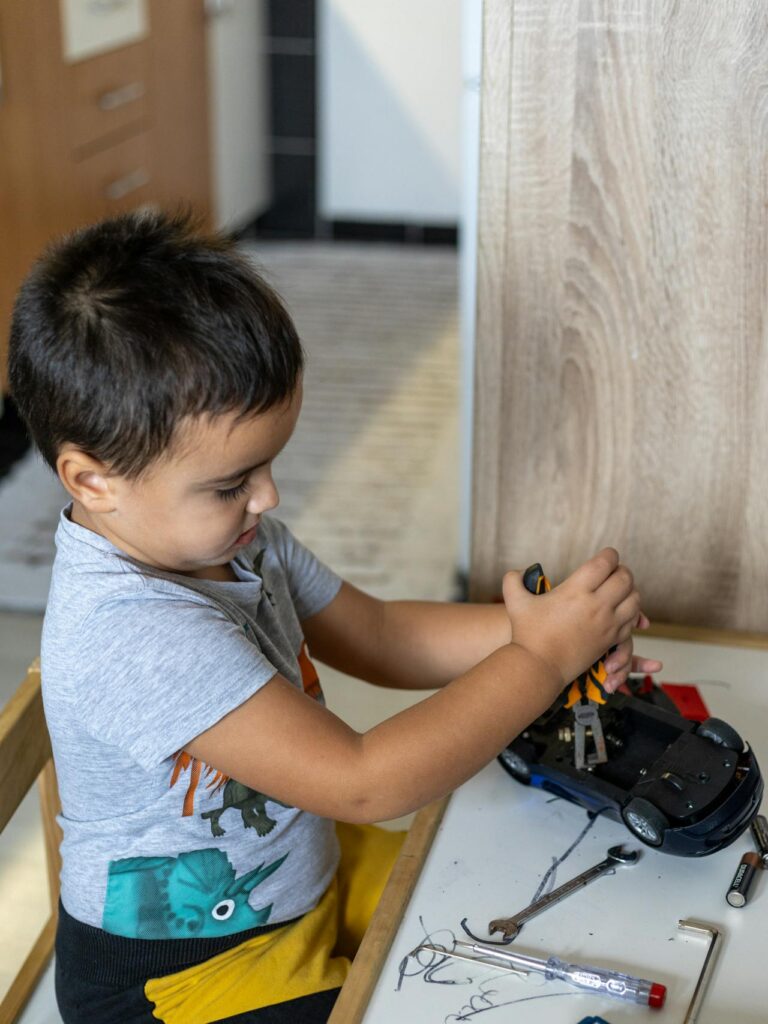
Letting toddlers try things on their own—even if it’s slower or messier—builds confidence. Whether it’s putting on their own shoes or picking out a snack, small choices help them feel capable. Encouraging independence doesn’t mean leaving them to figure it all out alone—it means cheering them on as they grow. Be patient and celebrate their efforts. Independence grows through practice, not perfection.
Do: Validate Their Emotions

Just because a toddler’s feelings seem irrational doesn’t mean they aren’t real. A scraped knee, a broken toy, or a skipped nap can feel like the end of the world to them. Validating emotions teaches them it’s okay to feel upset—and helps them process those feelings in a healthy way. Say things like “I see you’re really sad right now,” instead of brushing it off. Validation builds emotional intelligence and connection.
Do: Use Play as a Teaching Tool

Toddlers learn best through play, not lectures. Whether it’s building blocks, pretend cooking, or messy painting, play opens up opportunities to explore, communicate, and bond. It’s also a great way to model social behavior and problem-solving skills. Use imaginative play to teach sharing, waiting turns, or identifying emotions. Learning through fun sticks much better than a stern talk.
Do: Laugh and Connect Every Day

Life with a toddler can be chaotic, but it’s also filled with moments of magic. Prioritize joy—whether it’s dancing in the kitchen, singing off-key, or reading the same book ten times. These silly, simple moments create deep emotional connections. Laughter builds trust and makes tough times easier to manage. Don’t forget to enjoy your toddler while they’re still little.