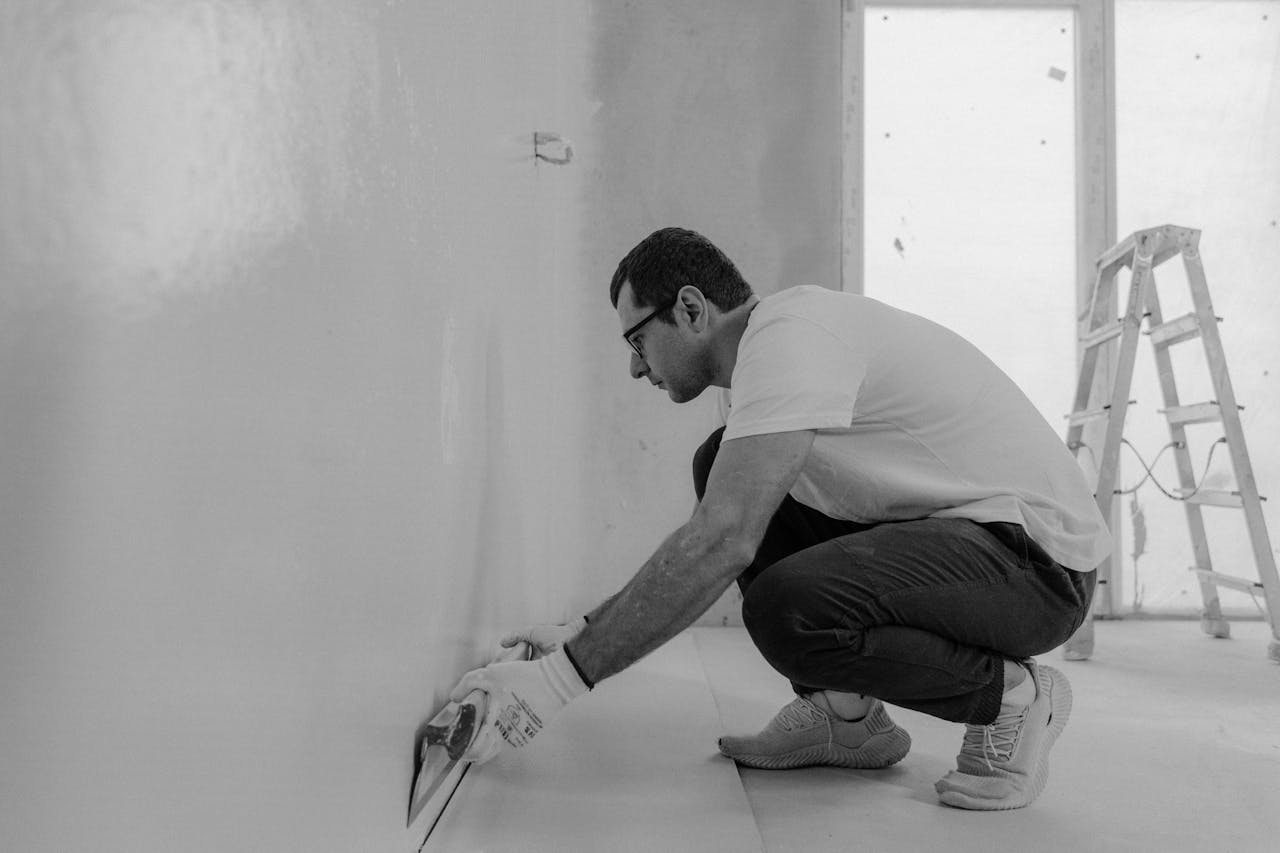
Most expensive DIY mistakes don’t come from doing something obviously risky. They usually come from doing something that feels logical, responsible, and even smart at the time. These are the kinds of fixes people make to save money, avoid calling a professional, or quickly solve a visible problem. The issue is that many DIY solutions only treat surface symptoms, while the real problem continues underneath. By the time the damage becomes visible again, it is often much more serious and far more expensive to fix.
Painting Over Moisture Stains and Damp Walls
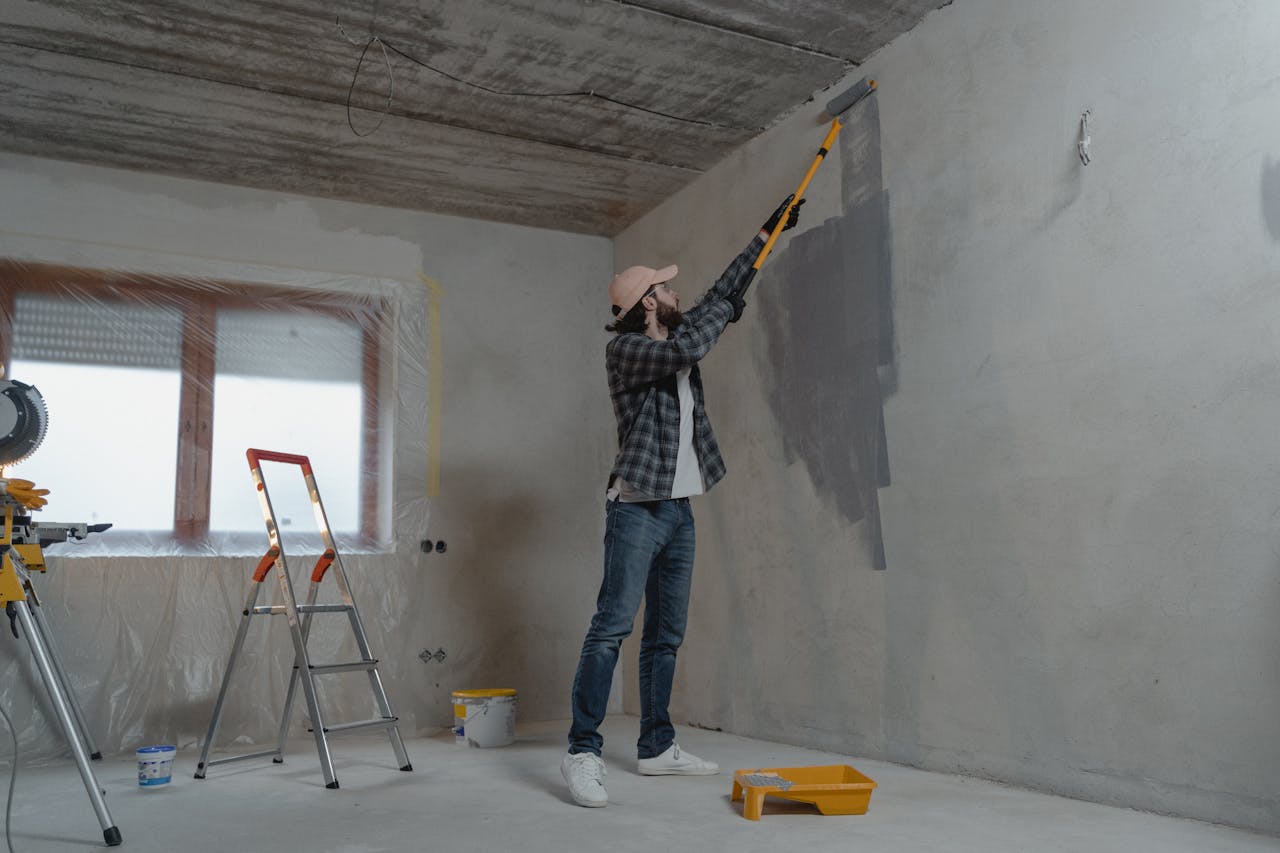
This is one of the most common DIY fixes homeowners make. When people see water stains on ceilings or walls, their first instinct is usually to repaint. It feels like a simple cosmetic issue and paint seems like an easy solution. The real problem is that water stains are almost always a sign of an active leak, condensation problem, or moisture buildup inside the wall. Painting over it does nothing to stop the source of the water. In many cases, it actually makes things worse by trapping moisture inside the wall, which leads to mold growth, rotting wood, and damaged insulation. Over time, this can turn a small leak into a major structural repair. The correct approach is always to identify where the moisture is coming from first, fix that problem, let the area fully dry, and only then repaint.
Filling Cracks Without Knowing Why They Appeared
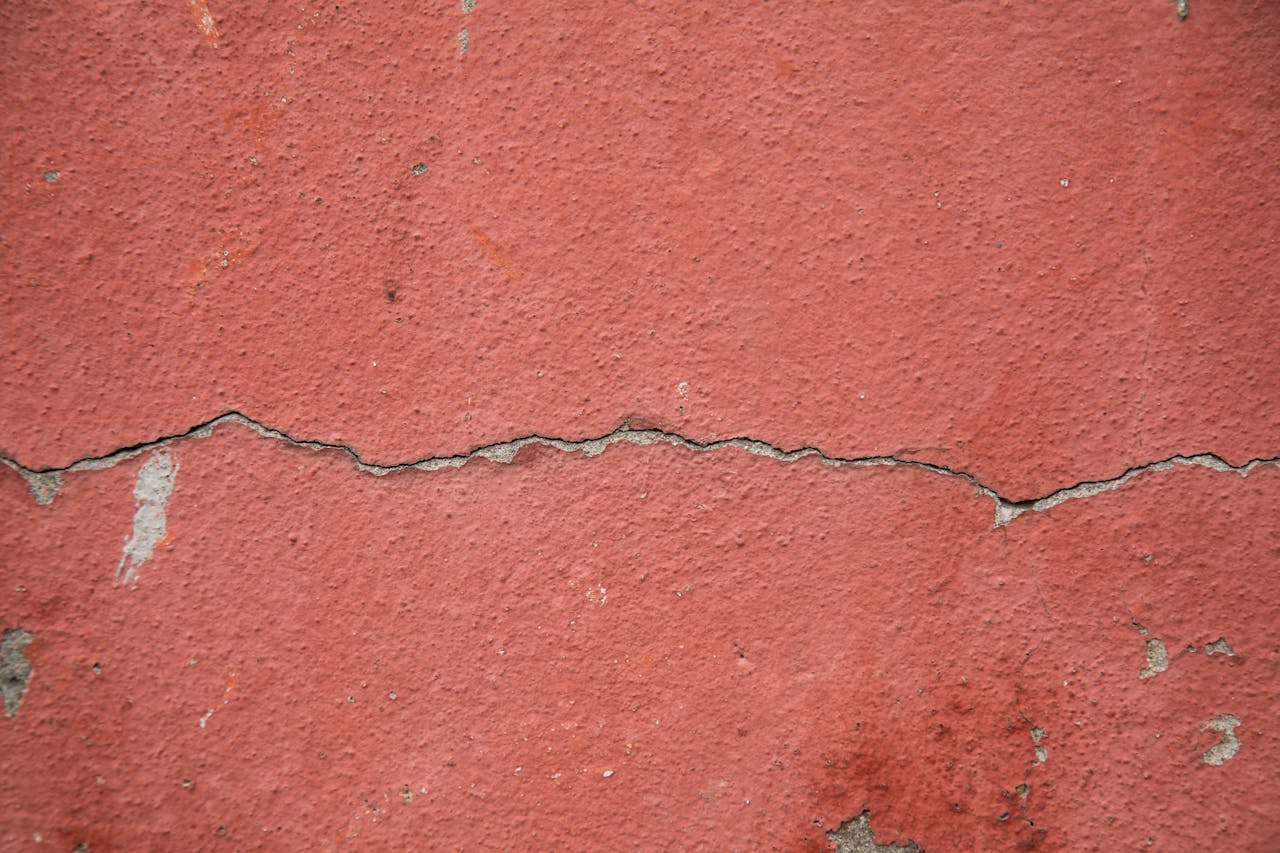
Cracks in walls, ceilings, or foundations often make homeowners nervous, so the natural reaction is to fill them with putty, cement, or sealant. This feels like fixing the problem, but in reality it usually just hides it. Cracks can appear for many reasons, including settling, water pressure, temperature changes, or structural stress. When people fill cracks without understanding the cause, the underlying issue continues. New cracks often form nearby, or the original crack reopens. In some cases, filling cracks can even make the problem worse by preventing proper drainage or trapping pressure inside walls. The right approach is to first determine why the crack formed, whether it is cosmetic or structural, and then decide whether it needs monitoring, proper repair, or professional assessment.
Using Chemical Drain Cleaners Regularly
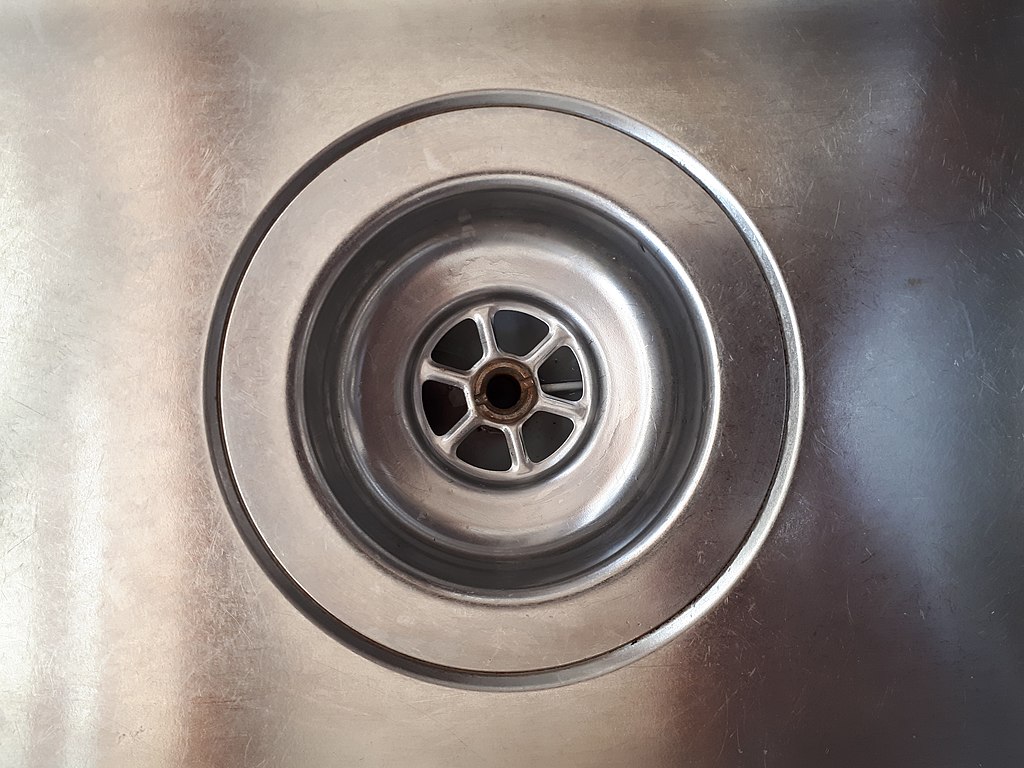
Chemical drain cleaners are marketed as an easy solution for slow or clogged drains, and many homeowners use them as a routine fix. The problem is that these products are extremely harsh and are designed to dissolve organic material inside pipes. Over time, they also start damaging the pipes themselves. Repeated use can weaken PVC, corrode metal pipes, and destroy seals and joints. This often leads to small leaks inside walls or under floors that go unnoticed until serious damage has occurred. What started as a simple clog can turn into a full plumbing repair involving pipe replacement and water damage restoration. A safer approach is using mechanical methods like plungers or drain snakes, and addressing recurring clogs at the source rather than relying on chemicals.
Removing Walls to “Open Up Space”
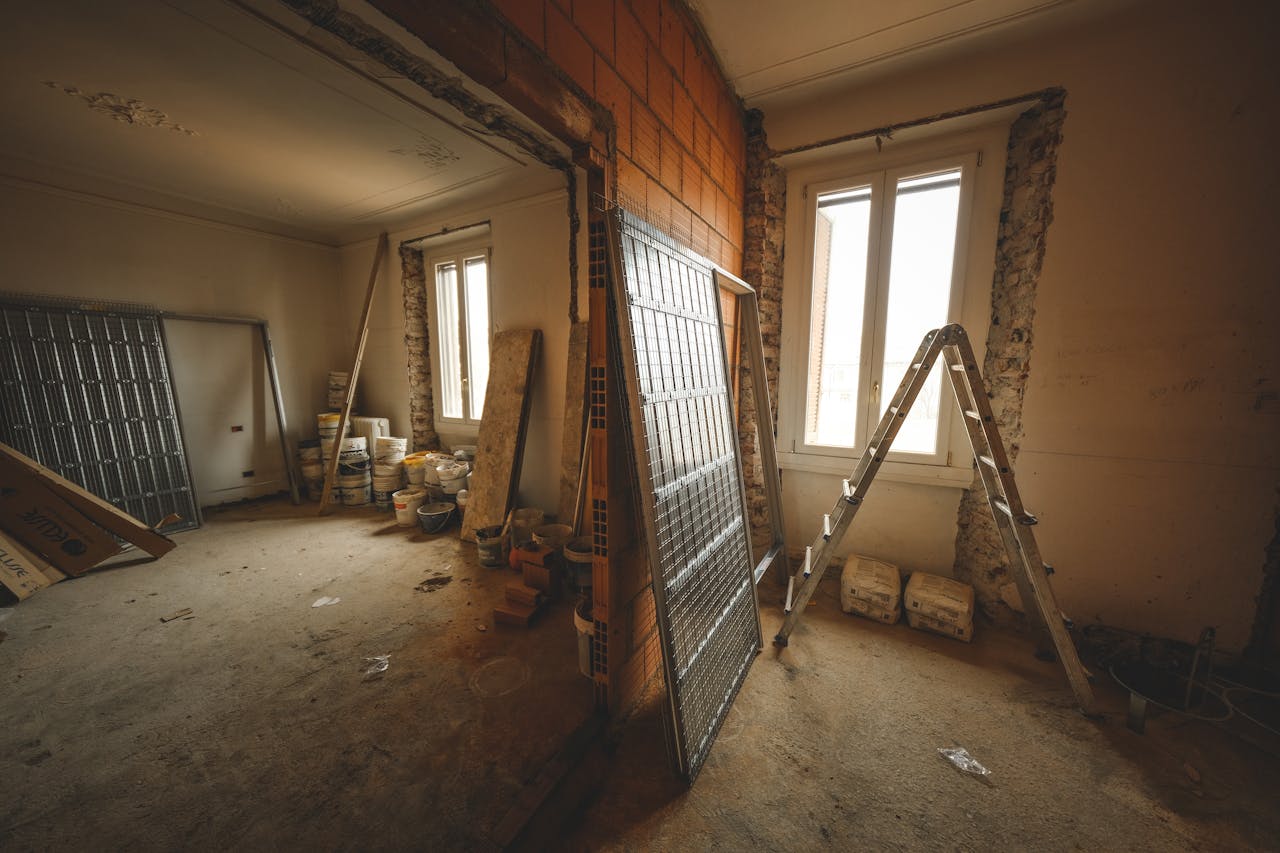
Opening up a home by removing walls has become a very popular DIY project, especially with modern design trends. People want more light, bigger rooms, and open layouts, so knocking down a wall feels like a smart upgrade. The problem is that many interior walls play an important role in supporting the structure of the house, even if they do not look thick or important. Removing a wall without understanding what it supports can shift weight across the building. This can lead to sagging ceilings, cracks in other areas, doors and windows going out of alignment, and long-term structural damage. Fixing this later often requires installing expensive beams or even rebuilding parts of the structure. Before removing any wall, it is important to verify whether it is load-bearing and how the weight is being distributed.
Over-Tightening Plumbing to Prevent Leaks
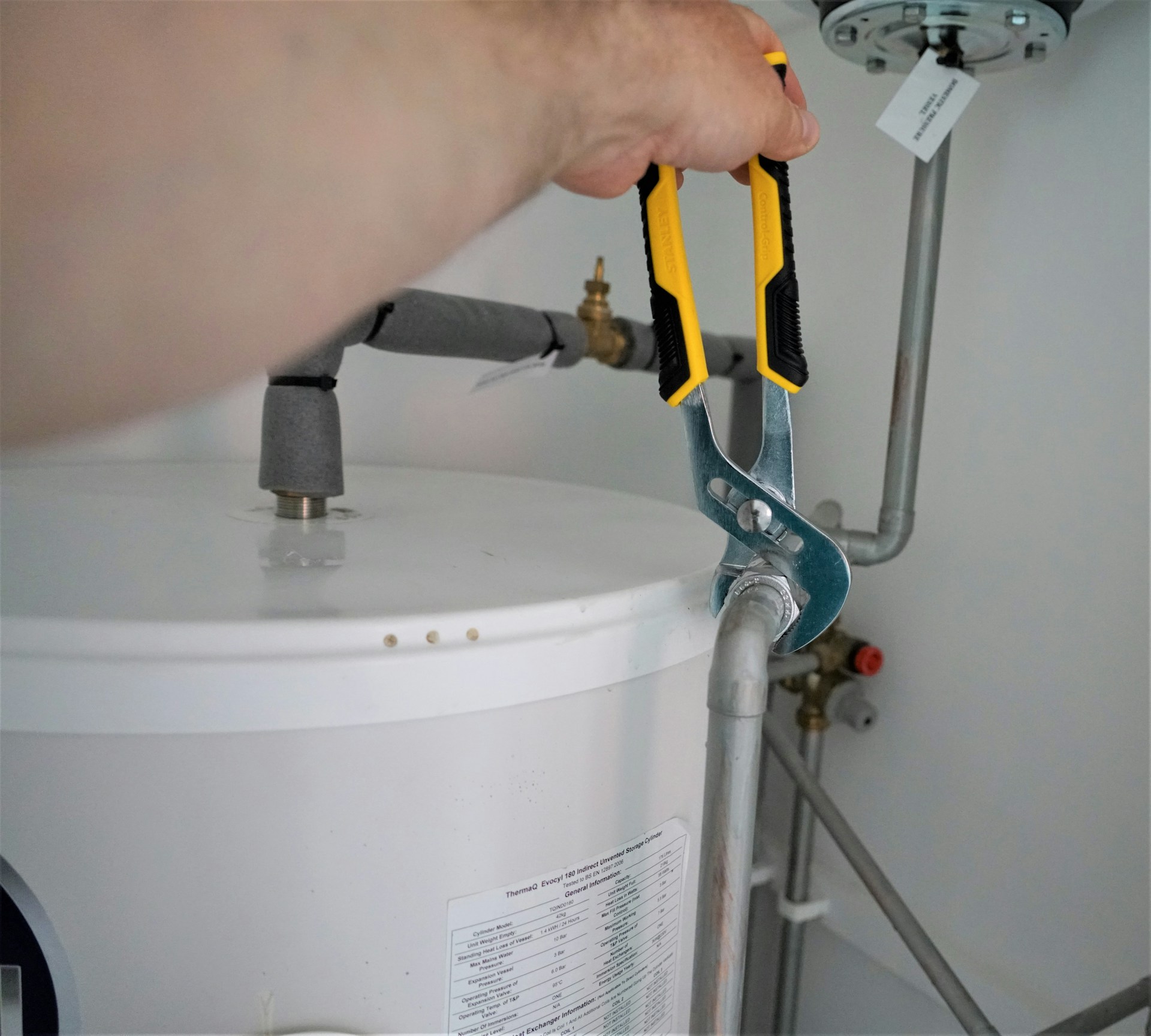
When people install or fix plumbing, their instinct is usually to tighten everything as much as possible to make sure it does not leak. This feels like being extra careful, but it often causes the opposite problem. Over-tightening puts too much stress on fittings, threads, and pipe joints. This can create tiny cracks or deform the connections, especially in plastic or copper pipes. The damage is not always immediate, which makes it more dangerous. Leaks may start weeks or months later inside walls, under sinks, or behind appliances. By the time the problem is noticed, there may already be water damage, mold, or rotting materials. The safer approach is tightening fittings only to the recommended level and relying on proper seals, washers, and thread tape instead of brute force.