The 1960s were an exciting time for home design, when people were not afraid to be bold, playful, and creative with their interiors. Homes embraced vibrant colors, new shapes, and fun ideas that celebrated individuality. While some of these looks seemed to fade away in later decades, many are now returning with a modern twist. Designers are blending retro charm with contemporary comfort, proving that the best of the past can still shine today. Here are five décor styles from the ‘60s that are making a comeback in today’s homes.
1. Psychedelic Patterns and Bold Colors
In the 1960s, patterns were loud, daring, and colorful, often appearing in swirling designs or geometric shapes that could instantly energize a room. Bright oranges, sunny yellows, vivid purples, and deep blues covered wallpaper, bedding, and even carpets. These patterns symbolized creativity and freedom, reflecting the cultural shifts of the decade. Today, designers are reintroducing these elements in a more controlled way, often using one wall of patterned wallpaper or a few striking textiles to create a lively focal point. Instead of overwhelming the entire space, these accents bring retro energy into modern homes while keeping the overall look balanced and stylish. It is a return to fearless color that celebrates self-expression without feeling outdated.
2. Mid-Century Modern Furniture
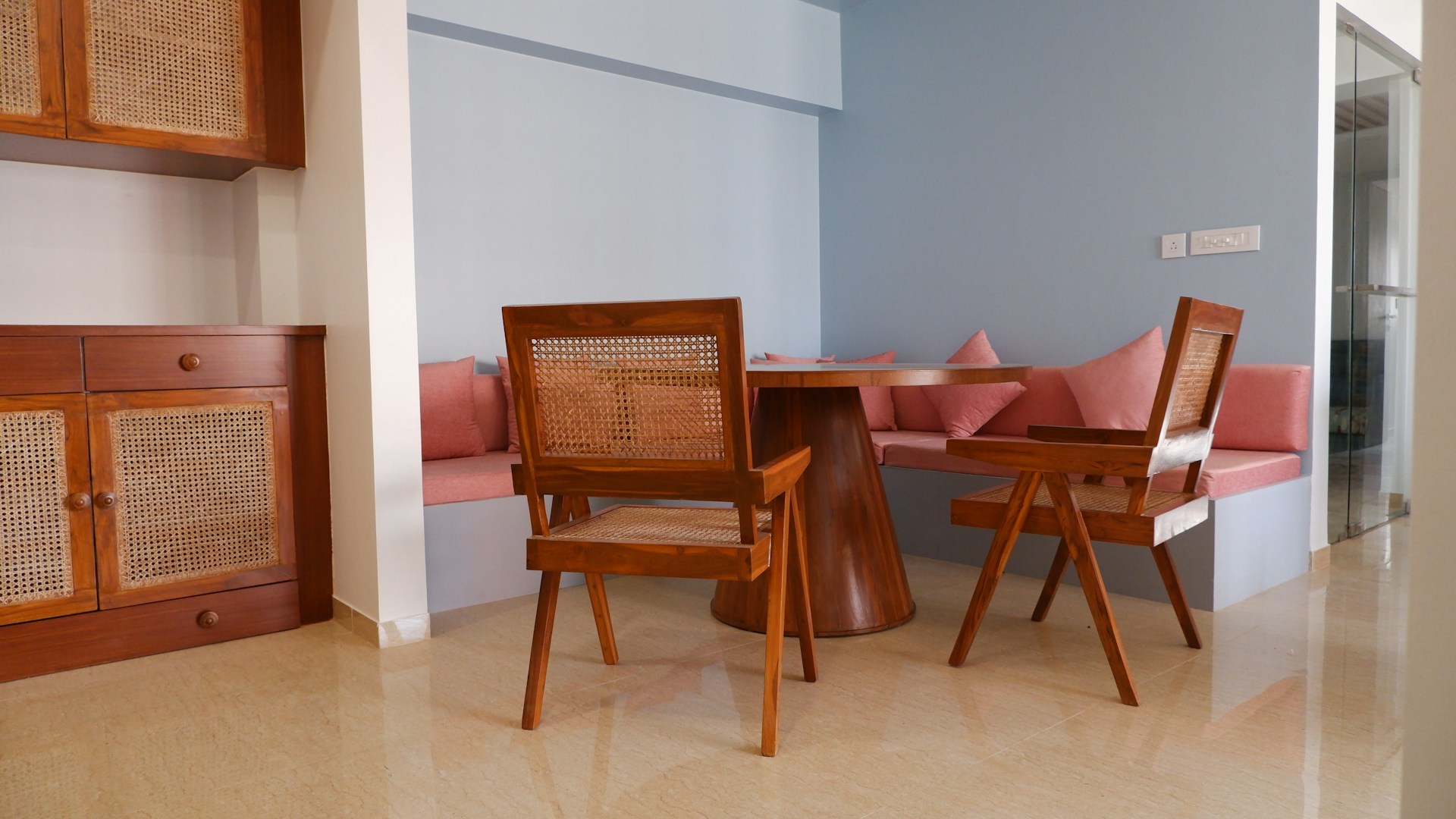
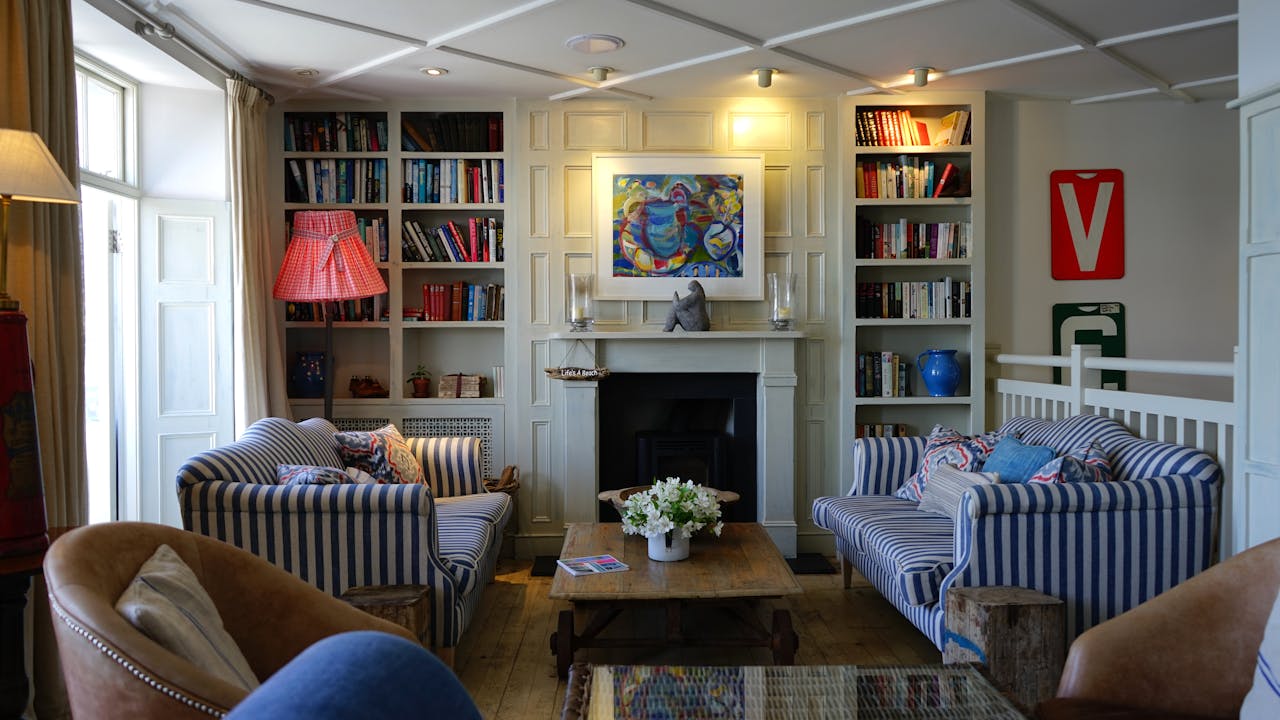
Mid-century modern furniture, which became iconic in the 1960s, is once again a top choice for homeowners. Its clean lines, tapered wooden legs, and practical shapes make it versatile and timeless. In its original era, these designs were valued for being stylish yet functional, offering a sleek alternative to heavier, more traditional furniture. Today, pieces like low-slung sofas, walnut coffee tables, and minimalist sideboards fit seamlessly into both vintage and contemporary interiors. The comeback has been fueled by the appeal of simplicity and the growing demand for furniture that feels classic yet adaptable. Modern versions often include updated fabrics, brighter upholstery, and sustainable materials, allowing people to enjoy the same elegant look in a way that fits current lifestyles. This furniture represents the perfect mix of nostalgia and modern sensibility.
3. Natural Materials and Earthy Vibes
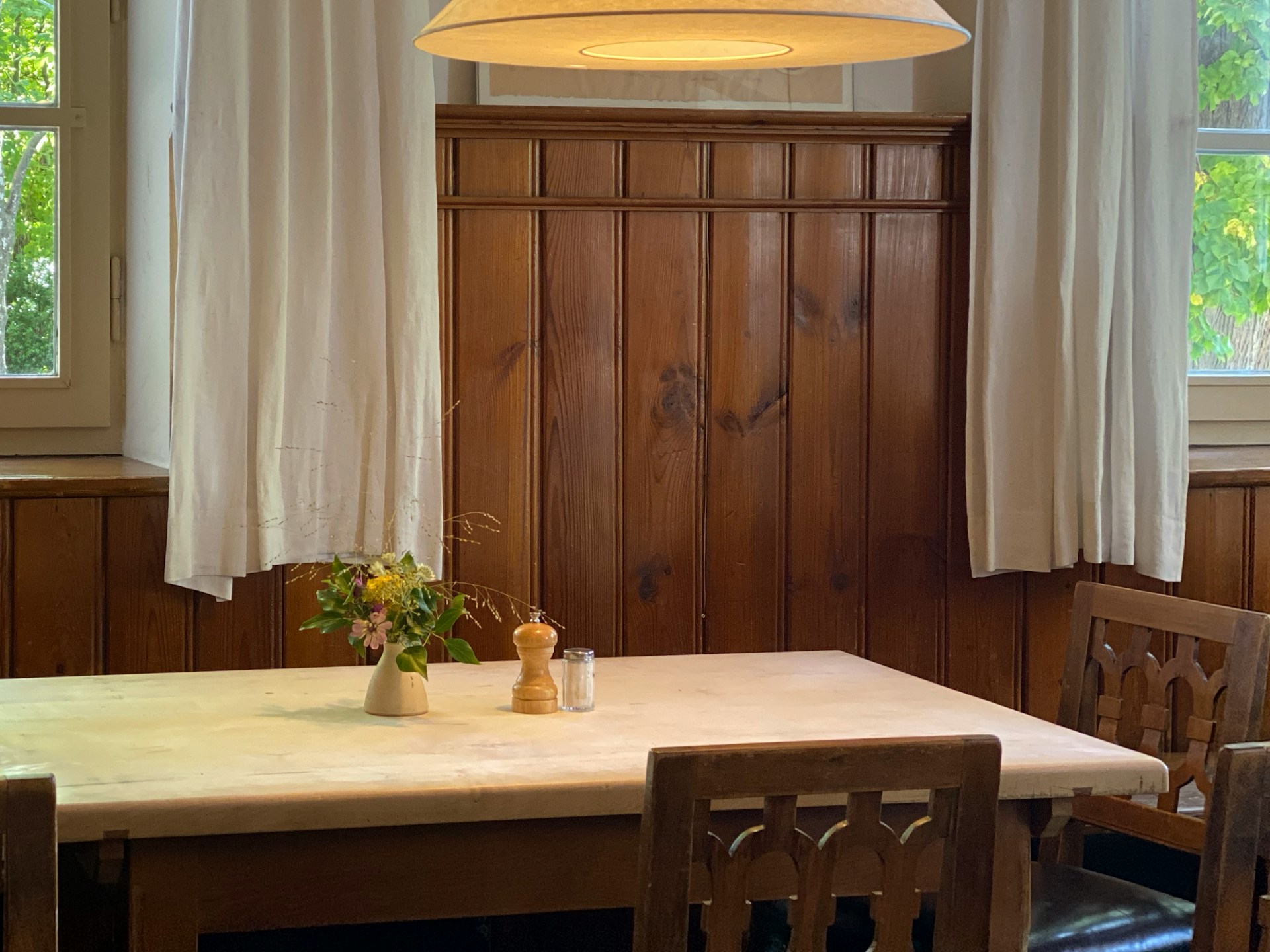
The 1960s saw a growing love for natural elements, with homes featuring wood-paneled walls, stone fireplaces, and rattan chairs. This connection to nature created warmth and comfort, giving families a cozy escape from busy city life. The style was often combined with plants, woven baskets, and earthy tones that made interiors feel inviting. Today, this trend has returned as people search for authenticity and sustainability in their living spaces. Designers are using reclaimed wood, live-edge tables, and natural fibers like jute or linen to bring a grounded feeling into the home. Paired with modern lighting or polished metals, these natural touches feel both nostalgic and fresh. The revival speaks to a desire for spaces that are environmentally conscious and filled with the same warmth that defined the ‘60s.
4. Conversation Pits and Lounge Spaces
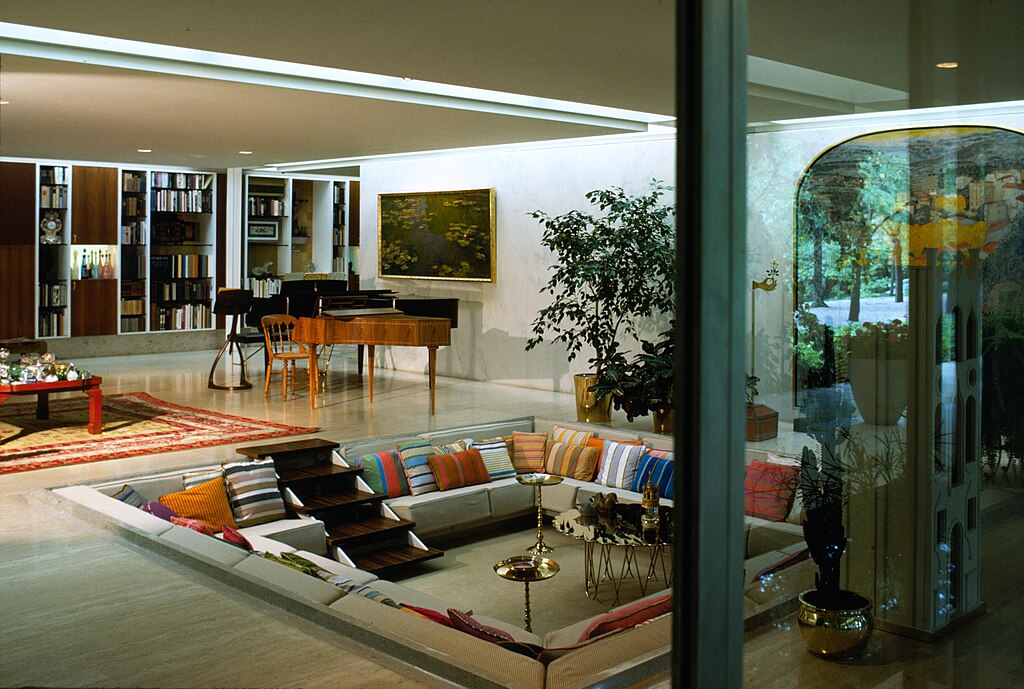
One of the most distinctive trends of the 1960s was the conversation pit, a sunken area in the living room designed for socializing and relaxation. Families and friends gathered in these cozy spaces, which often featured built-in couches or piles of cushions that encouraged hours of easy conversation. While full-scale pits are less common today due to construction challenges, the spirit of this design has returned in the form of intimate lounge spaces. Sectional sofas, oversized chairs, and layered textiles are being used to recreate the same communal atmosphere. Designers are focusing on comfort, low seating, and arrangements that encourage togetherness, echoing the original purpose of conversation pits without requiring a full remodel. This revival shows how important it is for homes to provide not just beauty but also connection and warmth.
5. Pop Art Inspiration
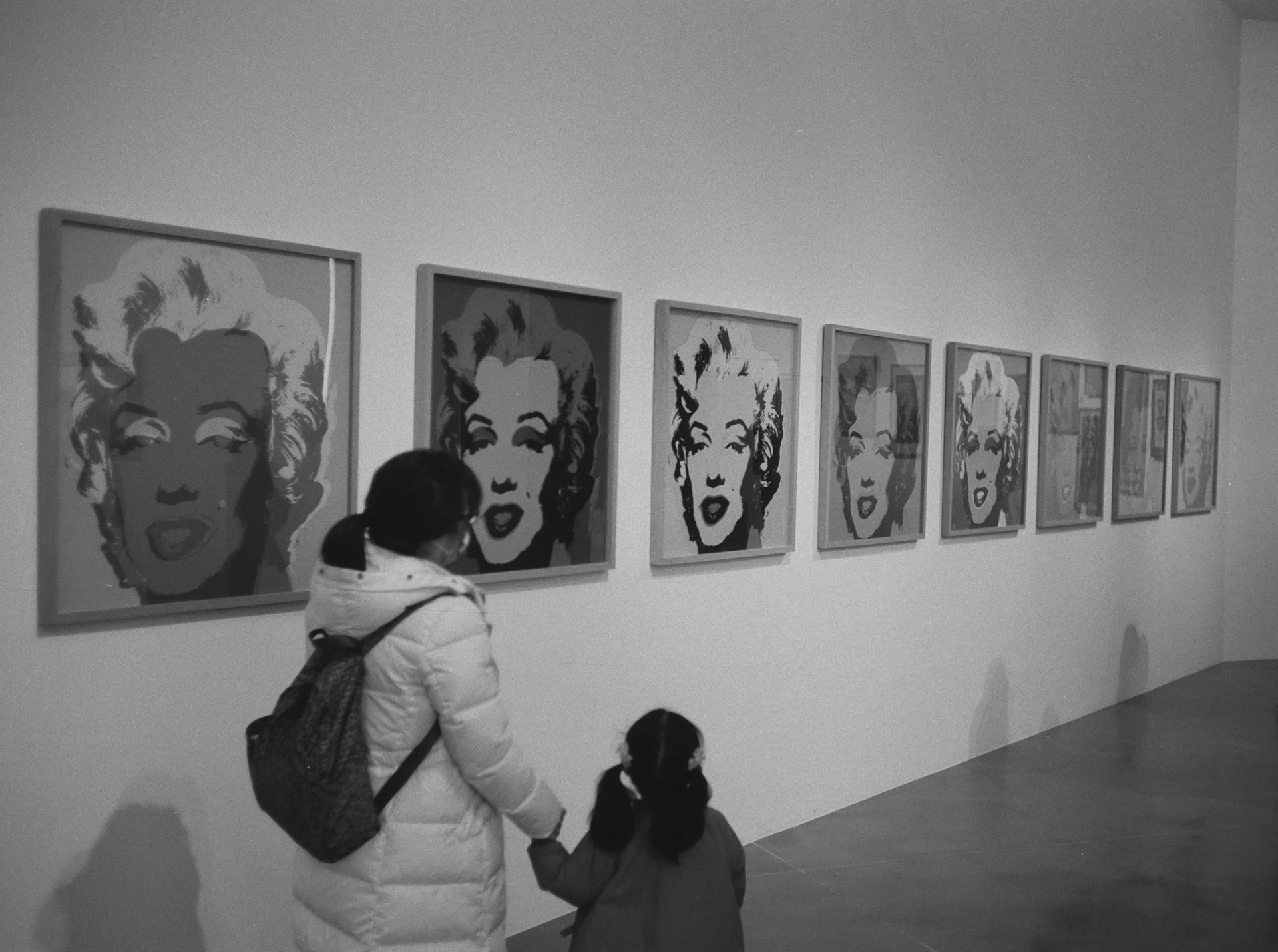
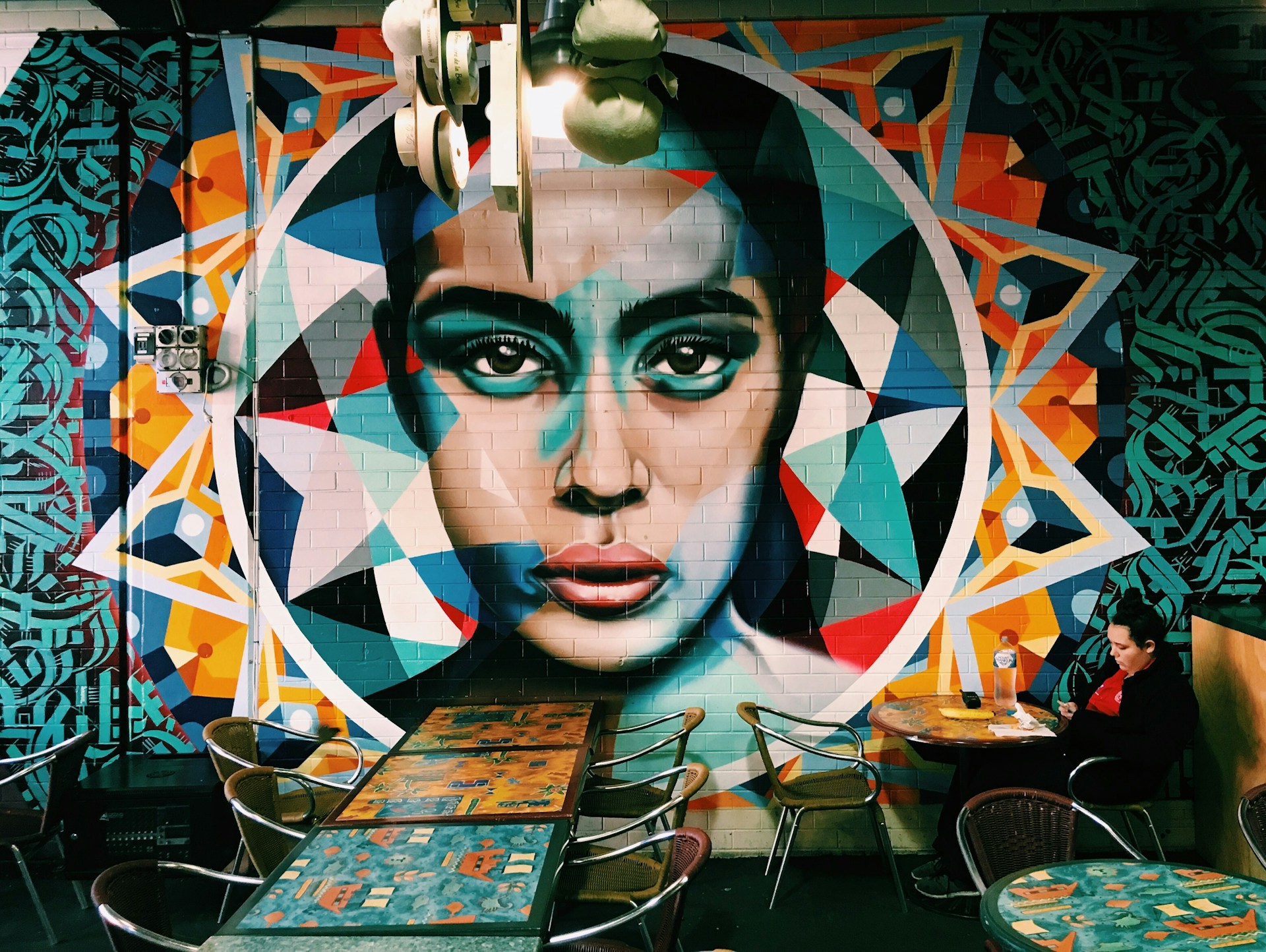
Pop art exploded in the 1960s, with bold graphics, playful colors, and everyday objects turned into striking works of design. This movement quickly made its way into homes through posters, wall prints, and even furniture that celebrated fun and creativity. Today, pop art has returned as a popular way to add energy to interiors. Neon signs, oversized prints, and colorful murals are being used to create vibrant focal points that spark conversation. Unlike in the past, when entire rooms might be covered in pop art influence, modern design tends to use one or two statement pieces to achieve the effect without overwhelming the space. The result is a playful balance that honors the originality of the ‘60s while fitting seamlessly into contemporary homes. It reminds us that design should sometimes be bold and fun, not just practical.
The 1960s were a decade of bold design, and many of its trends are reappearing with a fresh outlook. Whether it is the playful energy of psychedelic patterns, the timeless appeal of mid-century furniture, or the artistic flair of pop art, these styles bring character and history into modern spaces. Their return proves that good design never disappears, it simply waits for the right time to be rediscovered and appreciated once more.