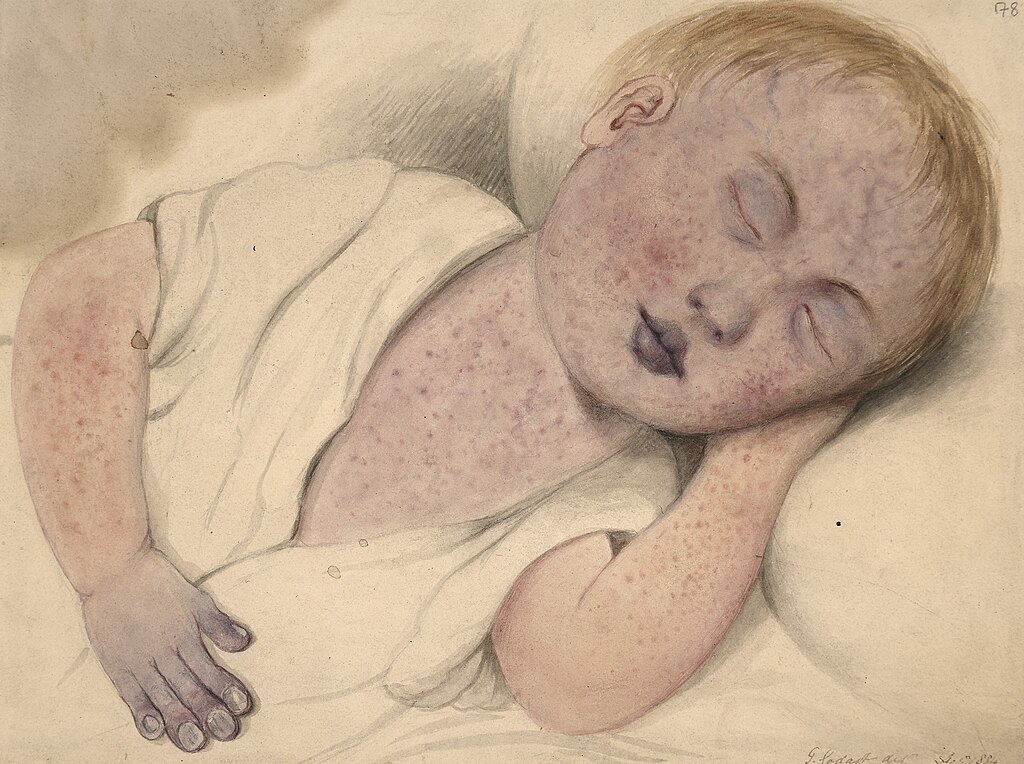
Measles has shaped multiple chapters of American public health despite being a vaccine preventable disease. The deadliest outbreaks often emerged when immunity gaps widened and communities faced crowded living conditions limited medical care or slow public messaging. These events reveal how quickly the virus can spread and how deeply it impacts children who remain the most vulnerable. Understanding these historical moments helps explain why measles became a turning point in U.S. vaccination policy and why prevention remains a national priority. The past offers a clear map of what silence and delay can cost.
The Early Twentieth Century Urban Waves
Before modern vaccines, measles outbreaks tore through major cities such as New York Chicago and Philadelphia with a speed that overwhelmed hospitals. Children living in tenements and crowded neighborhoods faced the highest mortality because treatment options were limited and the virus thrived in close quarters. Public health records from the era describe months where nearly every family knew someone affected. These outbreaks shaped early sanitation policies and highlighted the link between poverty and disease impact. They pushed the nation toward coordinated health systems. Their legacy still guides public health thinking today.
The Postwar Baby Boom Surge of the 1950s
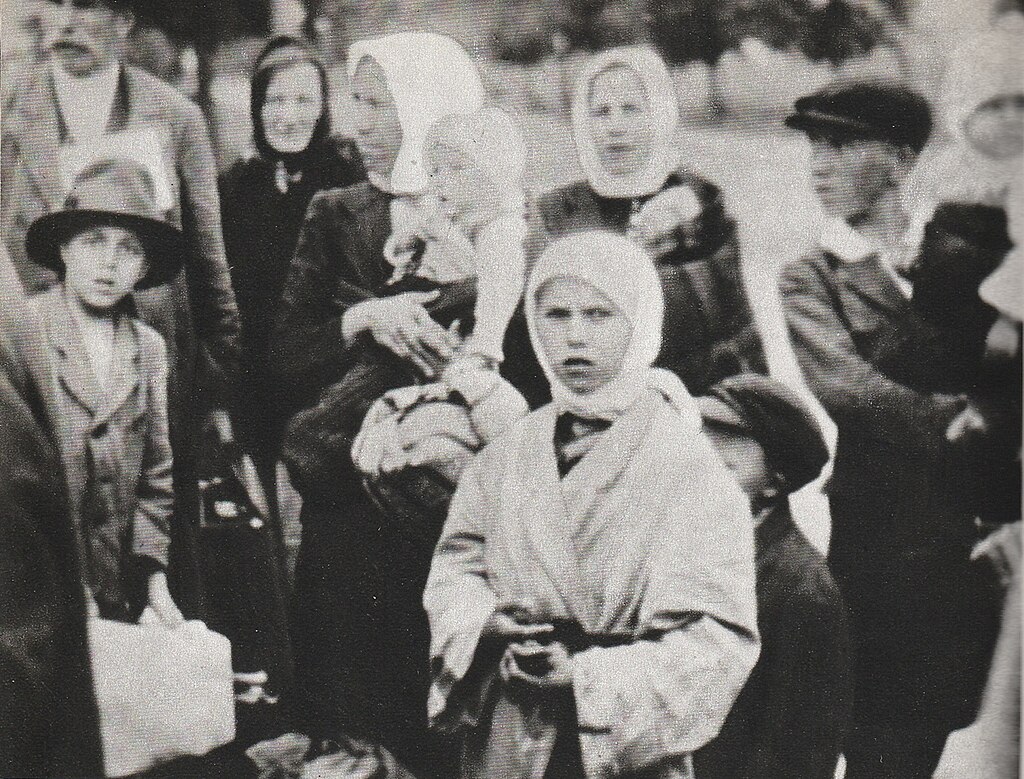
As millions of children entered the school system after World War II, measles gained momentum through playgrounds classrooms and community centers. The outbreak cycles during this decade revealed how explosive the virus could be when large groups of susceptible children gathered daily. Parents viewed measles as both common and frightening because complications struck without clear warning. This period created public demand for scientific solutions rather than acceptance of recurring epidemics. It laid the groundwork for vaccine urgency. The decade marked the tipping point toward modern immunization culture.
The Pre Vaccine Crest of the Early 1960s
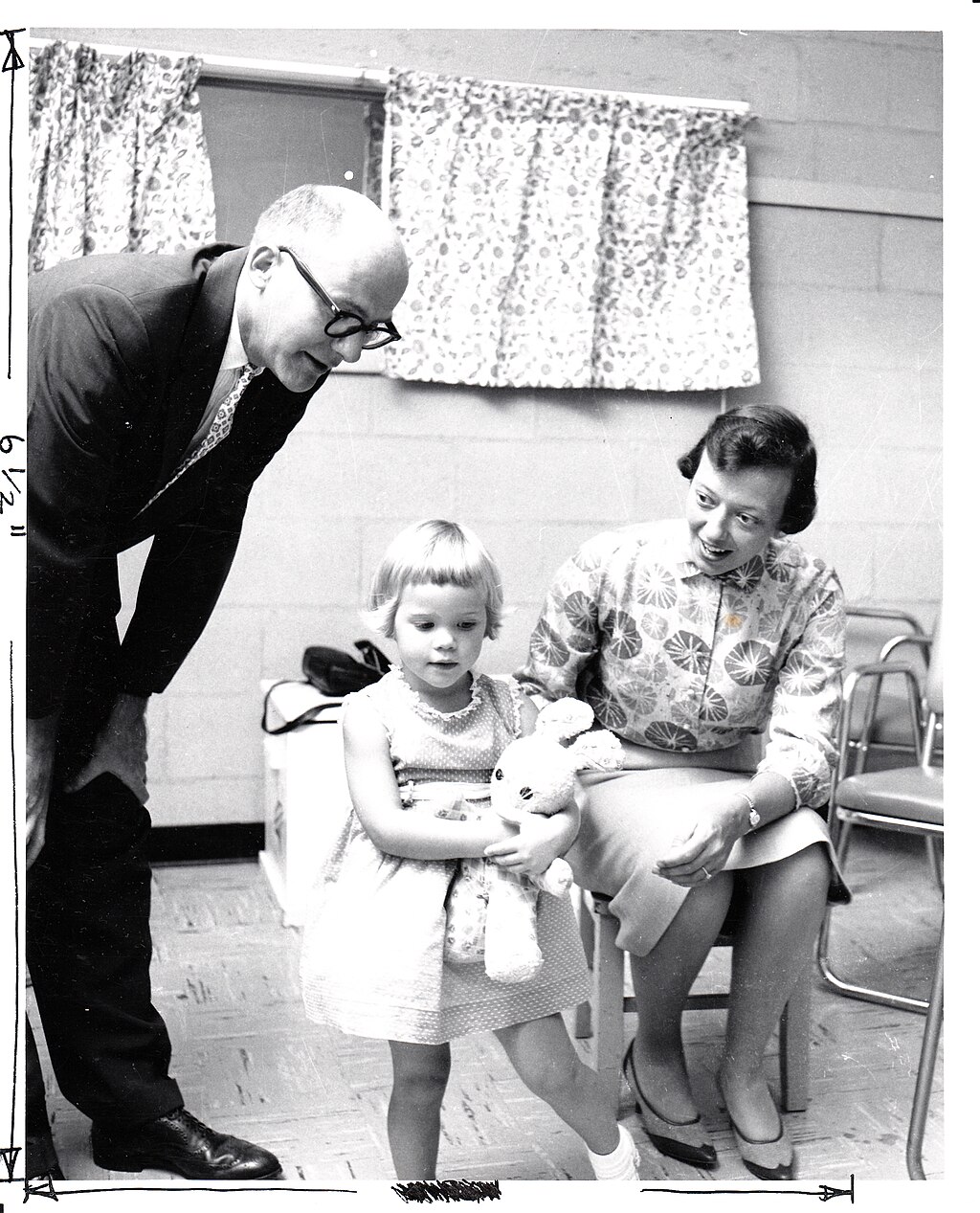
Just before the first licensed measles vaccine arrived, the United States faced one of its most intense waves where the virus moved through schools and neighborhoods with predictable seasonal patterns. Health departments documented widespread hospitalizations and long term complications that challenged the belief that measles was harmless. The concentration of cases across states revealed how national the problem had become. This final pre vaccine crest changed public sentiment from resignation to action. It created momentum for vaccination programs. It set the stage for dramatic progress in disease control.
The 1989 to 1991 Resurgence
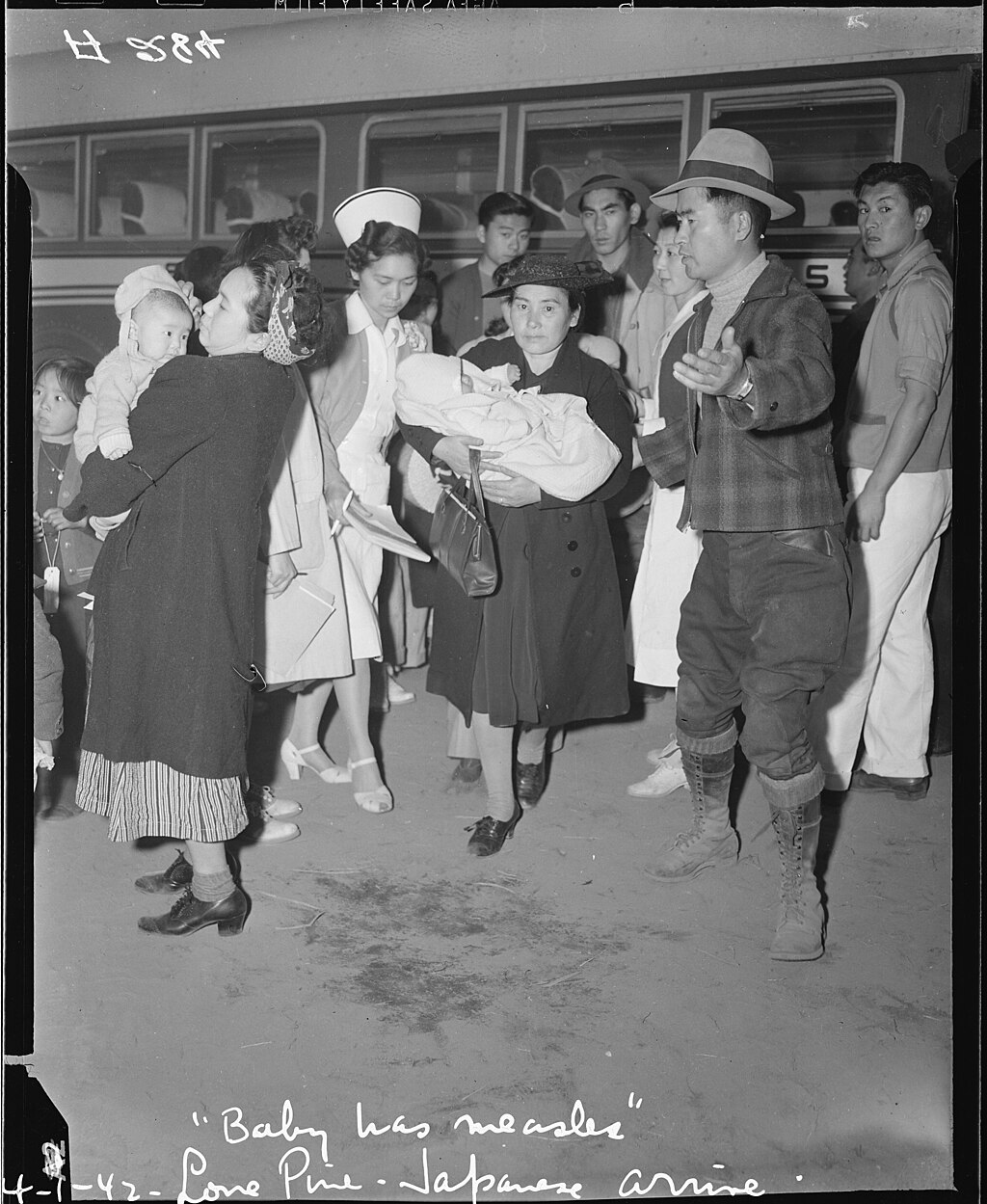
Decades after the vaccine became available, the country experienced a resurgence that exposed gaps in access education and infrastructure. The outbreak hit urban minority communities the hardest where vaccination rates lagged due to systemic barriers rather than personal choice. Hospitals saw severe complications that shocked a generation accustomed to thinking measles was gone. The crisis led to major policy reforms funding expansions and updated immunization schedules that strengthened national protection. It became a turning point in modern public health. The lessons still shape outreach strategies today.
The 2019 Multi State Spread
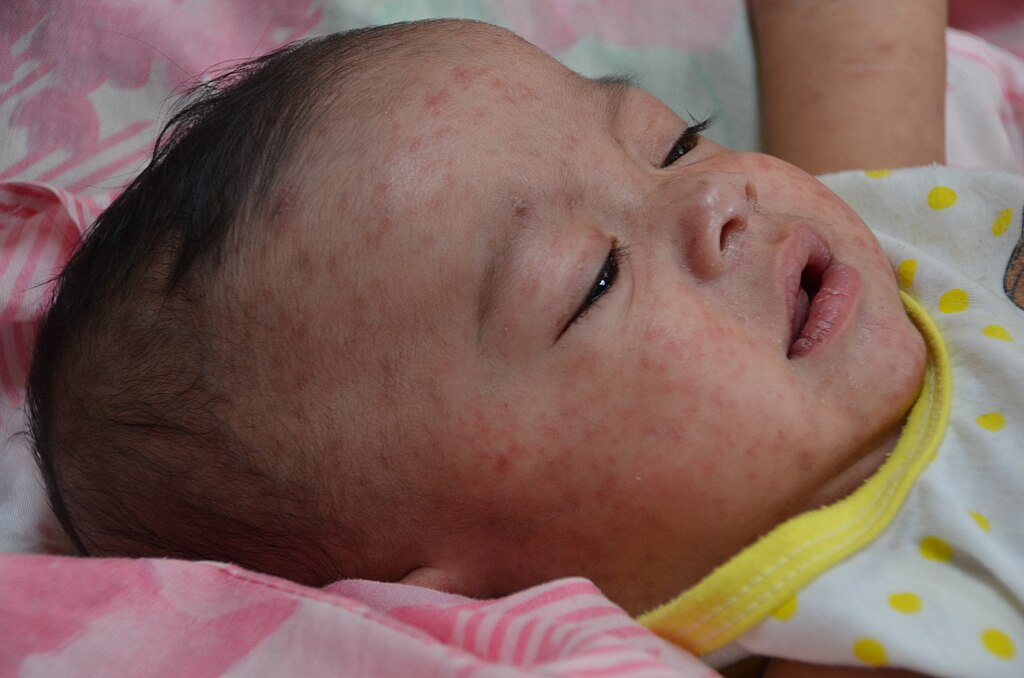
The 2019 outbreak unfolded in an era of high technology and widespread medical knowledge which made its scale especially concerning. Clusters of unvaccinated communities created pockets where the virus could flourish despite national immunity. Travel patterns and close knit social groups accelerated the spread turning isolated cases into a multi state event. This outbreak revived debates about misinformation community responsibility and public health authority. It underscored how fragile progress can be when trust fractures. The event became a modern warning about complacency and communication failures.
The deadliest measles outbreaks in U.S. history reveal a consistent truth about infectious disease. It exploits gaps in infrastructure trust and access and it moves fastest where protection weakens even briefly. Each chapter pushed the nation toward better systems teamwork and scientific investment while reminding families that prevention holds more power than reaction. Understanding this history helps anchor future policy choices with clarity rather than fear. The past shows that vigilance saves lives. It offers a blueprint for protecting generations yet to come.